
Obake kaidan of Nezu
About Obake kaidan of Nezu
Description
The Obake Kaidan of Nezu is one of those quietly fascinating spots in Tokyo that you almost stumble upon by accident and then never forget. Hidden away within Bunkyo City, this old stone staircase is steeped in ghostly folklore and Japanese urban legends that have been whispered about for generations. Even locals pause before walking up or down, exchanging stories about eerie sights and strange sounds—especially at night. The name itself, “Obake Kaidan,” literally translates to "Ghost Stairs," which ought to tell you something about what to expect.
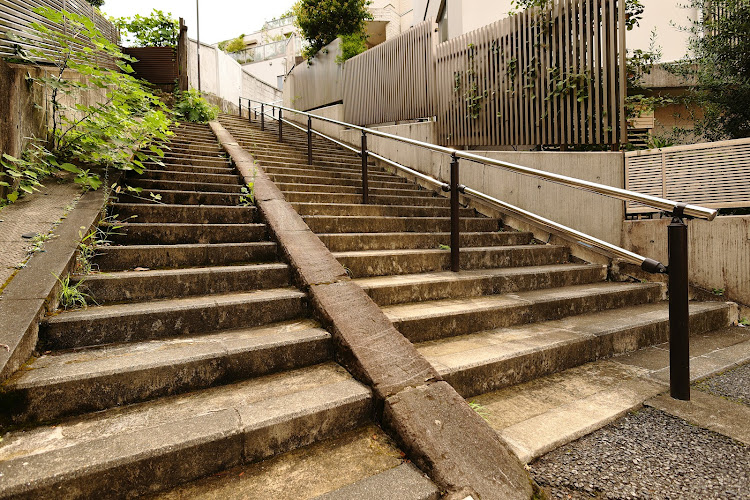
Physically, it’s just a sloping stone staircase connecting different levels of streets near the Nezu district, tucked between residential buildings and ancient moss-covered walls. But the story behind it gives it an entirely different life. Local tales suggest that the stones used to build the steps were once gravestones relocated here centuries ago, and that's said to be the reason for the haunting aura surrounding it. Visitors often comment on the chills they feel upon reaching the middle steps—the air suddenly cooler, the mood heavier. Whether those are just tricks of the imagination or something more supernatural, that’s for you to decide.
Personally, when I visited on a mild autumn evening, I felt that uneasy suspense you only get in old places carrying layers of memory. The neighborhood was quiet enough that even the sound of my footsteps seemed loud. Still, there’s a certain beauty in how Tokyo can hold both the frenetic energy of modernity and the still fear of a centuries-old legend within walking distance. The stairs aren’t flashy or heavily touristic, but that’s precisely what makes them so compelling. They’re part of Tokyo’s shadowed corners, places where stories linger longer than people do.
Though not officially recognized as a major tourist attraction, the Obake Kaidan in Nezu has become known among lovers of Japanese folklore, especially those fascinated with the idea of spirits haunting urban spaces. Some call it simply a hidden gem; others find it downright unsettling. Either way, it’s worth the trip if you’re the type who enjoys peeling back the layers of Tokyo’s history and seeing what’s underneath—sometimes literally. The staircase might not be grand, but it has character, and stories cling to its stones like ivy.
Key Features
- Historical significance: Believed to date back to the Edo period, with each stone bearing centuries of quiet wear and tear from countless feet.
- Urban legend roots: The steps are said to be made from repurposed gravestones, sparking ghost stories that have spread through Bunkyo City Japan for over a hundred years.
- Peaceful atmosphere: Despite the eerie folklore, the location offers a surprisingly serene walk, especially in daylight, with leafy trees framing the narrow lanes.
- Traditional surroundings: Situated within Nezu, a district known for its retro streets, old-style houses, and proximity to historic sites like Nezu Shrine.
- Popular with folklore enthusiasts: A sought-after spot for photographers, culture buffs, and travelers chasing Japan’s mysterious side.
- Free access: There’s no entry fee or restrictions, so anyone can climb the steps and form their own impressions day or night.
- Authentic Tokyo experience: Unlike more polished tourist spots, Obake Kaidan offers a glimpse into the city’s quieter, more traditional layers.
For those who love a bit of mystery mixed into their travels, this staircase has an odd magnetism. A friendly neighbor once told me while passing by that local children used to dare each other to count the steps at night. According to one variation of the story, if you count them going up and then going down again, you'll never land on the same number both ways. It’s probably an old superstition, but it’s a good excuse to test it yourself—if you’ve got the nerve for a moonlit stroll in old Tokyo.
Best Time to Visit
If your goal is to experience the Obake Kaidan of Nezu in the most atmospheric way possible, timing absolutely matters. Spring afternoons, when cherry blossoms scatter across the stone stairs, add a wistful contrast to the darker ghostly reputation. The petals drifting along the steps almost feel like offerings to the spirits rumored to linger there. It’s a lovely sight—but still, the quiet is almost too quiet.
Evenings are when the staircase truly feels alive, or maybe “awake” is the better word. The gentle flicker of nearby lanterns and dim streetlights create long shadows that stretch over the old stones. For ghost story enthusiasts or photographers wanting that eerie yet peaceful ambiance, sunset to early night is prime time. Of course, daylight offers safer footing and lets you better observe the age-worn details carved into some of the stone edges.
Tokyo summers can be humid, and those narrow lanes trap heat like nowhere else. Autumn gives you mild weather and rich colors—the best combination for exploring places like this where you’ll be walking uphill. Winter brings fewer people, making it easier to catch the stillness of the site without interruption. Each season has its own take on mystery, but personally, I found early spring to offer the best emotional balance between serenity and spookiness.
How to Get There
The Obake Kaidan is located in the Nezu area of Bunkyo City, Tokyo, an old neighborhood packed with character and subtle elegance. The closest public transport option is Nezu Station on the Tokyo Metro Chiyoda Line. From the station, it’s roughly a five- to ten-minute walk through quiet residential lanes. Along the way, you’ll pass traditional Japanese homes and perhaps even spot the bright torii gates leading to Nezu Shrine—it’s a good landmark to orient yourself.
If you’re coming from central Tokyo or Tokyo Station, the ride takes about twenty minutes in total, depending on transfers. Visitors staying near Ueno or Hongo Gakuen areas could also easily walk, as the Obake Kaidan is within the radius of Tokyo’s historic northern wards. Just keep your phone GPS handy, because the exact path can twist unexpectedly through small streets. Personally, that unpredictability adds to the adventure. You can tell you’re close when the traffic noise fades and the pavement shifts from concrete to old stone.
There’s no official signage pointing directly to the stairs, which makes finding them equal parts challenge and thrill. For accessibility, visitors should note that the staircase is not wheelchair-friendly, and there’s no nearby parking lot specifically designated for it. Most travelers exploring this part of Tokyo arrive on foot or by bicycle. The lack of commercialization actually preserves the authenticity of the place—you won’t find souvenir stalls or markers, which might be exactly how the spirits like it.
Tips for Visiting
Before heading out, keep a few simple tips in mind for a smoother and more rewarding experience. The main one: respect the space. Obake Kaidan is surrounded by residential homes in Bunkyo Ward, so speak quietly and avoid blocking pathways. People live right beside the mystery here, after all.
Good walking shoes are a must, as the stone staircase can be slightly uneven and slippery after rain. Early mornings are calm, but evening visits are where the lore really takes hold—ideal if you fancy that little spine-tingling sensation. Bring a small flashlight if you visit at night; the lighting around the area isn’t strong, which contributes to its haunted charm but can make footing tricky.
As tempting as it might be to test the legend of counting steps—go for it, just be mindful not to damage anything. The stones have survived countless years, and part of their magic is how naturally weathered they are. If you plan to take photos, don’t use flash at night—it flattens that beautiful contrast between stone and shadow. Long exposures or soft lighting work much better for capturing its mystique.
There aren’t huge crowds like those you might find at major Tokyo spots, so you can take your time to soak in the mood. I recommend pairing your visit here with a stop at Nezu Shrine and then perhaps walking further toward Ueno Park. It creates a nice route that blends old spirituality, nature, and a touch of ghostly folklore—essentially the perfect afternoon in this quieter corner of the city.
And if you’re wondering whether you’ll actually feel something supernatural while there, well, maybe you will, maybe you won’t. The charm of Obake Kaidan isn’t about seeing ghosts but about sensing time layered thick upon stone. It’s a short climb with a long memory, waiting quietly in the middle of Tokyo, where the modern world rushes past but this little flight of steps continues to whisper old Japanese stories to anyone willing to stop and listen.
Key Features
- Key Features
- Best Time to Visit
- How to Get There
- Tips for Visiting
More Details
Updated October 11, 2025
Table of Contents
Description
The Obake Kaidan of Nezu is one of those quietly fascinating spots in Tokyo that you almost stumble upon by accident and then never forget. Hidden away within Bunkyo City, this old stone staircase is steeped in ghostly folklore and Japanese urban legends that have been whispered about for generations. Even locals pause before walking up or down, exchanging stories about eerie sights and strange sounds—especially at night. The name itself, “Obake Kaidan,” literally translates to “Ghost Stairs,” which ought to tell you something about what to expect.
Physically, it’s just a sloping stone staircase connecting different levels of streets near the Nezu district, tucked between residential buildings and ancient moss-covered walls. But the story behind it gives it an entirely different life. Local tales suggest that the stones used to build the steps were once gravestones relocated here centuries ago, and that’s said to be the reason for the haunting aura surrounding it. Visitors often comment on the chills they feel upon reaching the middle steps—the air suddenly cooler, the mood heavier. Whether those are just tricks of the imagination or something more supernatural, that’s for you to decide.
Personally, when I visited on a mild autumn evening, I felt that uneasy suspense you only get in old places carrying layers of memory. The neighborhood was quiet enough that even the sound of my footsteps seemed loud. Still, there’s a certain beauty in how Tokyo can hold both the frenetic energy of modernity and the still fear of a centuries-old legend within walking distance. The stairs aren’t flashy or heavily touristic, but that’s precisely what makes them so compelling. They’re part of Tokyo’s shadowed corners, places where stories linger longer than people do.
Though not officially recognized as a major tourist attraction, the Obake Kaidan in Nezu has become known among lovers of Japanese folklore, especially those fascinated with the idea of spirits haunting urban spaces. Some call it simply a hidden gem; others find it downright unsettling. Either way, it’s worth the trip if you’re the type who enjoys peeling back the layers of Tokyo’s history and seeing what’s underneath—sometimes literally. The staircase might not be grand, but it has character, and stories cling to its stones like ivy.
Key Features
- Historical significance: Believed to date back to the Edo period, with each stone bearing centuries of quiet wear and tear from countless feet.
- Urban legend roots: The steps are said to be made from repurposed gravestones, sparking ghost stories that have spread through Bunkyo City Japan for over a hundred years.
- Peaceful atmosphere: Despite the eerie folklore, the location offers a surprisingly serene walk, especially in daylight, with leafy trees framing the narrow lanes.
- Traditional surroundings: Situated within Nezu, a district known for its retro streets, old-style houses, and proximity to historic sites like Nezu Shrine.
- Popular with folklore enthusiasts: A sought-after spot for photographers, culture buffs, and travelers chasing Japan’s mysterious side.
- Free access: There’s no entry fee or restrictions, so anyone can climb the steps and form their own impressions day or night.
- Authentic Tokyo experience: Unlike more polished tourist spots, Obake Kaidan offers a glimpse into the city’s quieter, more traditional layers.
For those who love a bit of mystery mixed into their travels, this staircase has an odd magnetism. A friendly neighbor once told me while passing by that local children used to dare each other to count the steps at night. According to one variation of the story, if you count them going up and then going down again, you’ll never land on the same number both ways. It’s probably an old superstition, but it’s a good excuse to test it yourself—if you’ve got the nerve for a moonlit stroll in old Tokyo.
Best Time to Visit
If your goal is to experience the Obake Kaidan of Nezu in the most atmospheric way possible, timing absolutely matters. Spring afternoons, when cherry blossoms scatter across the stone stairs, add a wistful contrast to the darker ghostly reputation. The petals drifting along the steps almost feel like offerings to the spirits rumored to linger there. It’s a lovely sight—but still, the quiet is almost too quiet.
Evenings are when the staircase truly feels alive, or maybe “awake” is the better word. The gentle flicker of nearby lanterns and dim streetlights create long shadows that stretch over the old stones. For ghost story enthusiasts or photographers wanting that eerie yet peaceful ambiance, sunset to early night is prime time. Of course, daylight offers safer footing and lets you better observe the age-worn details carved into some of the stone edges.
Tokyo summers can be humid, and those narrow lanes trap heat like nowhere else. Autumn gives you mild weather and rich colors—the best combination for exploring places like this where you’ll be walking uphill. Winter brings fewer people, making it easier to catch the stillness of the site without interruption. Each season has its own take on mystery, but personally, I found early spring to offer the best emotional balance between serenity and spookiness.
How to Get There
The Obake Kaidan is located in the Nezu area of Bunkyo City, Tokyo, an old neighborhood packed with character and subtle elegance. The closest public transport option is Nezu Station on the Tokyo Metro Chiyoda Line. From the station, it’s roughly a five- to ten-minute walk through quiet residential lanes. Along the way, you’ll pass traditional Japanese homes and perhaps even spot the bright torii gates leading to Nezu Shrine—it’s a good landmark to orient yourself.
If you’re coming from central Tokyo or Tokyo Station, the ride takes about twenty minutes in total, depending on transfers. Visitors staying near Ueno or Hongo Gakuen areas could also easily walk, as the Obake Kaidan is within the radius of Tokyo’s historic northern wards. Just keep your phone GPS handy, because the exact path can twist unexpectedly through small streets. Personally, that unpredictability adds to the adventure. You can tell you’re close when the traffic noise fades and the pavement shifts from concrete to old stone.
There’s no official signage pointing directly to the stairs, which makes finding them equal parts challenge and thrill. For accessibility, visitors should note that the staircase is not wheelchair-friendly, and there’s no nearby parking lot specifically designated for it. Most travelers exploring this part of Tokyo arrive on foot or by bicycle. The lack of commercialization actually preserves the authenticity of the place—you won’t find souvenir stalls or markers, which might be exactly how the spirits like it.
Tips for Visiting
Before heading out, keep a few simple tips in mind for a smoother and more rewarding experience. The main one: respect the space. Obake Kaidan is surrounded by residential homes in Bunkyo Ward, so speak quietly and avoid blocking pathways. People live right beside the mystery here, after all.
Good walking shoes are a must, as the stone staircase can be slightly uneven and slippery after rain. Early mornings are calm, but evening visits are where the lore really takes hold—ideal if you fancy that little spine-tingling sensation. Bring a small flashlight if you visit at night; the lighting around the area isn’t strong, which contributes to its haunted charm but can make footing tricky.
As tempting as it might be to test the legend of counting steps—go for it, just be mindful not to damage anything. The stones have survived countless years, and part of their magic is how naturally weathered they are. If you plan to take photos, don’t use flash at night—it flattens that beautiful contrast between stone and shadow. Long exposures or soft lighting work much better for capturing its mystique.
There aren’t huge crowds like those you might find at major Tokyo spots, so you can take your time to soak in the mood. I recommend pairing your visit here with a stop at Nezu Shrine and then perhaps walking further toward Ueno Park. It creates a nice route that blends old spirituality, nature, and a touch of ghostly folklore—essentially the perfect afternoon in this quieter corner of the city.
And if you’re wondering whether you’ll actually feel something supernatural while there, well, maybe you will, maybe you won’t. The charm of Obake Kaidan isn’t about seeing ghosts but about sensing time layered thick upon stone. It’s a short climb with a long memory, waiting quietly in the middle of Tokyo, where the modern world rushes past but this little flight of steps continues to whisper old Japanese stories to anyone willing to stop and listen.
Key Highlights
- Key Features
- Best Time to Visit
- How to Get There
- Tips for Visiting
Location
Places to Stay Near Obake kaidan of Nezu
Find and Book a Tour
Explore More Travel Guides
No reviews found! Be the first to review!
Traveler Reviews for Obake kaidan of Nezu
There are no reviews yet. Be the first one to write one.
Have you visited Obake kaidan of Nezu? Help other travelers by sharing your review.
You Might Also Like
Rekisen Park

Tokyo Dome City
Koishikawa Korakuen Garden
Find Accommodations Nearby
Recommended Tours & Activities
Visitor Reviews
There are no reviews yet. Be the first one to write one.
Share Your Experience
Have you visited Obake kaidan of Nezu? Help other travelers by leaving a review.