
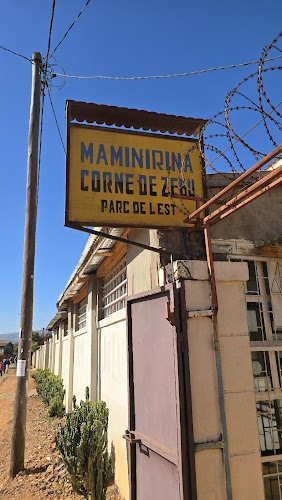
Maminirina Corne et Raphia
About Maminirina Corne et Raphia
Description
Maminirina Corne et Raphia is one of those places that quietly grabs your attention the moment you step inside. It’s not flashy or overdone, but there’s a certain charm in the way everything feels so personal—like walking into someone’s creative world rather than a formal gallery. The artist behind it has a knack for transforming simple, local materials—mainly horn and raffia—into something that feels alive. Each piece tells a story of Madagascar’s culture, with a rustic elegance that’s hard to forget.
What makes this spot stand out is the authenticity. You can actually sense the craftsmanship in the air, the faint earthy smell of horn being shaped, the soft texture of raffia fibers being woven. It’s not a sterile, polished experience—it’s real. You see the artist’s hands at work, the small imperfections that make each creation unique. And honestly, that’s what makes it worth visiting. It’s a living example of Malagasy artistry, rooted in tradition but shaped by a very personal touch.
I remember standing there, watching a small decorative bowl being polished. The artist smiled and explained how each curve was shaped by instinct rather than measurement. There’s something grounding about that—seeing art made by feel, not formula. You walk away not just with souvenirs, but with stories etched in your mind.
For travelers who love discovering local craftsmanship rather than mass-produced trinkets, this is the kind of place that lingers with you long after you’ve left. It’s humble, heartfelt, and beautifully human.
Key Features
- Handcrafted art pieces made from natural horn and raffia, reflecting Malagasy culture and creativity.
- Opportunity to meet the artist personally and watch the creative process up close.
- Unique souvenirs and decor items that carry the warmth of handmade artistry.
- Authentic local experience away from typical tourist paths.
- Affordable art pieces with genuine craftsmanship value.
- Eco-conscious use of sustainable materials sourced locally.
It’s rare these days to find a place that blends sustainability, artistry, and storytelling so naturally. The artist’s use of horn—often a byproduct of local farming—and raffia, a natural fiber from Madagascar’s native palm trees, shows a deep respect for the environment. It’s art that doesn’t just look good; it feels good to support.
Best Time to Visit
Honestly, there’s no bad time to drop by, but if you want to make the most of your visit, aim for the cooler months between May and September. The weather in Antsirabe during this period is pleasant—cool mornings, sunny afternoons, and fewer sudden rain showers that can sometimes catch you off guard. It’s also when the light hits just right, perfect for seeing the subtle textures in the horn and raffia work.
That said, if you happen to visit during the warmer months, don’t worry. The workshop atmosphere stays cozy year-round, and the artist’s welcoming nature makes it easy to lose track of time. I once visited in December, and even though it was a bit humid, the experience was just as memorable—maybe even more so because the artist was working on a new seasonal collection with brighter colors and bolder shapes.
How to Get There
Getting to Maminirina Corne et Raphia is part of the adventure. Antsirabe is well-connected by road, and most travelers arrive from Antananarivo, which is roughly a three-hour drive south. The journey itself is scenic—rolling hills, small villages, and roadside markets selling fresh fruit and handmade crafts. If you’re not driving, you can easily catch a taxi-brousse (shared minibus) or hire a private car for a more comfortable ride.
Once in Antsirabe, local tuk-tuks and taxis can take you to the artist’s workshop. It’s not far from the town center, and locals are usually more than happy to point you in the right direction. Just mention “Maminirina Corne et Raphia,” and chances are someone will smile knowingly and tell you exactly how to get there. That’s the kind of small-town friendliness you’ll find here—people genuinely want you to see their local treasures.
And if you’re like me and tend to wander off the main roads, you might even stumble upon other small artisan workshops along the way. It’s worth taking your time, stopping for a cup of Malagasy coffee, and just soaking in the rhythm of the town before heading to your destination.
Tips for Visiting
First things first—bring cash. Many small workshops in Madagascar, including this one, don’t always accept cards. It’s better to have local currency on hand, especially if you plan on buying a few pieces (and trust me, you probably will). Prices are fair, and you’ll feel good knowing your purchase supports genuine local craftsmanship.
Second, take your time. Don’t rush through the visit like you’re checking off a list. Talk to the artist, ask questions, and if you’re lucky, you might even get a quick demonstration of how the horn is shaped or polished. Those little moments are what make the experience special. And don’t be shy about taking photos—just ask politely first. Most artists appreciate the interest, as long as you’re respectful.
It’s also smart to bring a small bag or protective wrap if you’re buying fragile items. The roads can be a bit bumpy, and you’ll want to keep your new treasures safe. Oh, and if you’re sensitive to smells, be prepared for the faint scent of horn—it’s part of the crafting process, and while not unpleasant, it can catch you off guard at first.
Lastly, take a moment to explore the area around the workshop. Antsirabe is full of surprises—thermal springs, colonial-era architecture, and other artisan studios tucked away in quiet corners. Visiting Maminirina Corne et Raphia can easily become part of a larger day of discovery. And when you leave, you’ll likely find yourself thinking about how something as simple as horn and raffia can be turned into art that speaks to the soul.
For travelers who love authenticity, artistry, and meaningful connections, this place captures what Madagascar is all about—creativity rooted in community. It’s a reminder that sometimes the most memorable travel experiences come from the smallest, most unexpected corners of the world.
Key Features
- Handcrafted art pieces made from natural horn and raffia, reflecting Malagasy culture and creativity.
- Opportunity to meet the artist personally and watch the creative process up close.
- Unique souvenirs and decor items that carry the warmth of handmade artistry.
- Authentic local experience away from typical tourist paths.
- Affordable art pieces with genuine craftsmanship value.
- Eco-conscious use of sustainable materials sourced locally.
More Details
Updated November 9, 2025
Table of Contents Maminirina Corne et Raphia is one of those places that quietly grabs your attention the moment you step inside. It’s not flashy or overdone, but there’s a certain charm in the way everything feels so personal—like walking into someone’s creative world rather than a formal gallery. The artist behind it has a knack for transforming simple, local materials—mainly horn and raffia—into something that feels alive. Each piece tells a story of Madagascar’s culture, with a rustic elegance that’s hard to forget. What makes this spot stand out is the authenticity. You can actually sense the craftsmanship in the air, the faint earthy smell of horn being shaped, the soft texture of raffia fibers being woven. It’s not a sterile, polished experience—it’s real. You see the artist’s hands at work, the small imperfections that make each creation unique. And honestly, that’s what makes it worth visiting. It’s a living example of Malagasy artistry, rooted in tradition but shaped by a very personal touch. I remember standing there, watching a small decorative bowl being polished. The artist smiled and explained how each curve was shaped by instinct rather than measurement. There’s something grounding about that—seeing art made by feel, not formula. You walk away not just with souvenirs, but with stories etched in your mind. For travelers who love discovering local craftsmanship rather than mass-produced trinkets, this is the kind of place that lingers with you long after you’ve left. It’s humble, heartfelt, and beautifully human. It’s rare these days to find a place that blends sustainability, artistry, and storytelling so naturally. The artist’s use of horn—often a byproduct of local farming—and raffia, a natural fiber from Madagascar’s native palm trees, shows a deep respect for the environment. It’s art that doesn’t just look good; it feels good to support. Honestly, there’s no bad time to drop by, but if you want to make the most of your visit, aim for the cooler months between May and September. The weather in Antsirabe during this period is pleasant—cool mornings, sunny afternoons, and fewer sudden rain showers that can sometimes catch you off guard. It’s also when the light hits just right, perfect for seeing the subtle textures in the horn and raffia work. That said, if you happen to visit during the warmer months, don’t worry. The workshop atmosphere stays cozy year-round, and the artist’s welcoming nature makes it easy to lose track of time. I once visited in December, and even though it was a bit humid, the experience was just as memorable—maybe even more so because the artist was working on a new seasonal collection with brighter colors and bolder shapes. Getting to Maminirina Corne et Raphia is part of the adventure. Antsirabe is well-connected by road, and most travelers arrive from Antananarivo, which is roughly a three-hour drive south. The journey itself is scenic—rolling hills, small villages, and roadside markets selling fresh fruit and handmade crafts. If you’re not driving, you can easily catch a taxi-brousse (shared minibus) or hire a private car for a more comfortable ride. Once in Antsirabe, local tuk-tuks and taxis can take you to the artist’s workshop. It’s not far from the town center, and locals are usually more than happy to point you in the right direction. Just mention “Maminirina Corne et Raphia,” and chances are someone will smile knowingly and tell you exactly how to get there. That’s the kind of small-town friendliness you’ll find here—people genuinely want you to see their local treasures. And if you’re like me and tend to wander off the main roads, you might even stumble upon other small artisan workshops along the way. It’s worth taking your time, stopping for a cup of Malagasy coffee, and just soaking in the rhythm of the town before heading to your destination. First things first—bring cash. Many small workshops in Madagascar, including this one, don’t always accept cards. It’s better to have local currency on hand, especially if you plan on buying a few pieces (and trust me, you probably will). Prices are fair, and you’ll feel good knowing your purchase supports genuine local craftsmanship. Second, take your time. Don’t rush through the visit like you’re checking off a list. Talk to the artist, ask questions, and if you’re lucky, you might even get a quick demonstration of how the horn is shaped or polished. Those little moments are what make the experience special. And don’t be shy about taking photos—just ask politely first. Most artists appreciate the interest, as long as you’re respectful. It’s also smart to bring a small bag or protective wrap if you’re buying fragile items. The roads can be a bit bumpy, and you’ll want to keep your new treasures safe. Oh, and if you’re sensitive to smells, be prepared for the faint scent of horn—it’s part of the crafting process, and while not unpleasant, it can catch you off guard at first. Lastly, take a moment to explore the area around the workshop. Antsirabe is full of surprises—thermal springs, colonial-era architecture, and other artisan studios tucked away in quiet corners. Visiting Maminirina Corne et Raphia can easily become part of a larger day of discovery. And when you leave, you’ll likely find yourself thinking about how something as simple as horn and raffia can be turned into art that speaks to the soul. For travelers who love authenticity, artistry, and meaningful connections, this place captures what Madagascar is all about—creativity rooted in community. It’s a reminder that sometimes the most memorable travel experiences come from the smallest, most unexpected corners of the world.Description
Key Features
Best Time to Visit
How to Get There
Tips for Visiting
Key Highlights
- Handcrafted art pieces made from natural horn and raffia, reflecting Malagasy culture and creativity.
- Opportunity to meet the artist personally and watch the creative process up close.
- Unique souvenirs and decor items that carry the warmth of handmade artistry.
- Authentic local experience away from typical tourist paths.
- Affordable art pieces with genuine craftsmanship value.
- Eco-conscious use of sustainable materials sourced locally.
Location
Places to Stay Near Maminirina Corne et Raphia
Find and Book a Tour
Explore More Travel Guides
No reviews found! Be the first to review!
Traveler Reviews for Maminirina Corne et Raphia
There are no reviews yet. Be the first one to write one.
Have you visited Maminirina Corne et Raphia? Help other travelers by sharing your review.
You Might Also Like

Madagascar Tropic Voyage
Asabotsy Market
Monument Fahaleovantena
Find Accommodations Nearby
Recommended Tours & Activities
Visitor Reviews
There are no reviews yet. Be the first one to write one.
Share Your Experience
Have you visited Maminirina Corne et Raphia? Help other travelers by leaving a review.