

Adana Etnografya Müzesi
About Adana Etnografya Müzesi
Description
The Adana Etnografya Müzesi occupies a curious and pleasing slice of local history: an ethnographic museum set inside a building that began life as a 19th-century church. Visitors who expect a dry recital of dates and artifacts will find something warmer here. The building, originally consecrated in 1845, still carries traces of its past life — stone walls that seem to remember different languages, a small nave turned into exhibition space, and the occasional Greek inscription that hints at Adana's layered communities. The museum presents relics and everyday objects that together sketch a picture of period home life across the Çukurova region, and it does so with a focus on lived experience rather than only on grand narratives.
The curatorial approach leans modest and human. Rooms are arranged to resemble domestic spaces: a kitchen corner with copper cookware, woven textiles draped as they might have been, a traction of wooden furniture, and a display of personal items — combs, jewelry, prayer beads — that suddenly make centuries feel intimate. There are also ceremonial pieces and garments, plus tools used in trades that shaped the local economy. Taken together, the exhibits do what good ethnography aims to do: they show how people organized daily life, how seasons affected work, how social rituals were performed. And because the setting is a converted church, the interplay between secular daily objects and sacred architecture gives an unusual, quietly powerful atmosphere that many visitors mention long after they leave.
Practical information that matters to travelers is woven into the experience. The site is reasonably accessible, with a wheelchair-friendly entrance, dedicated accessible parking and a restroom designed for mobility needs. Families will find it friendly for children: the displays are tactile enough to sustain curiosity and there are child-appropriate explanations scattered about. On the flip side, the museum does not have an on-site restaurant or cafe, so plan to bring water or take a break in one of Adana's many cafes nearby. The museum's footprint is compact rather than sprawling; that is, it rewards those who linger and read, rather than those expecting a multiple-hour archaeological mega-site.
There is a quiet theatricality to walking through a museum that was once a place of worship. Light filters differently on the artifacts; shadows fall where pews once stood. The guide who wrote this remembers pausing in a corner where a lace shawl was lit by afternoon sun and feeling unexpectedly connected to a family story a stranger later told. He laughed at himself for getting sentimental in a museum, but that’s the thing — this place encourages small personal moments. It’s not rare, in fact, to overhear older locals pointing at an object and narrating a memory: a grandmother who used a similar coffee grinder, a woman who remembers a wedding dress like the one on display. Those oral fragments, floating into the modern visitor’s path, color the static exhibits with living stories.
For history buffs who like context, the museum provides glimpses into Ottoman and late 19th-century life in the region, but it doesn’t overwhelm with dense academic text. Labels are usually concise and often bilingual. However, visitors with specialist interests — say in Byzantine or Roman-era artifacts — should temper expectations: this is an ethnographic house museum, not a full-scale archaeological repository. Its strength is in cultural texture rather than exhaustive typologies of ancient ceramics. Still, occasional curious items surface: carved stone fragments, a displaced inscription, and other hints at Adana’s deeper past along the Seyhan river and the old trade routes that shaped the city.
Atmosphere matters here. The museum is small enough that one can form an immediate impression — often a good one — within thirty to sixty minutes, but those who like slow exploration can easily stretch a visit. Photography is allowed in most areas, though flashes and tripods might be restricted; signs indicate where to be mindful. And because the space doubles as a historic structure, some rooms retain architectural features that merit attention themselves: archways, exposed beamwork, and a few decorative details that speak of a different aesthetic vocabulary than modern public museums. Photographers and architecture lovers will find these features rewarding, even if their primary interest is ethnography.
One of the museum’s less obvious assets is its human scale. It’s often refreshingly uncrowded compared to larger city museums, which means a gentle, reflective visit is possible mid-week or in off-peak hours. That said, when local school groups arrive the place can buzz with youthful energy; that’s actually kind of fun. It’s a good spot to observe the intergenerational transmission of memory: kids who may not care for labels suddenly perk up when an elder starts telling a tale about a household object. In short, the museum becomes a small stage where private lives and collective memory meet.
He admits — the guide will admit — that on a hot Adana afternoon, the museum’s shaded enclosure felt like a blessed pause. But also: because the museum lacks a cafe, it’s smart to pair the visit with a nearby meal or a walk along the river where one can cool off and chew over impressions. For food-focused travelers, Adana’s famed kebabs and local patisseries are a short detour away, and many people find combining the cultural stop with a culinary plan makes for a more satisfying outing.
Visitors should note that while the museum tries to be visitor-friendly, signage and interpretive materials sometimes reflect resource limits. A few display captions could be more detailed, and occasionally some artifacts would benefit from clearer provenance notes. That said, staff are generally helpful and often willing to share extra context if asked; approaching them usually yields enriching anecdotes that don’t appear on the labels. If a visitor wants more depth, asking the staff for pointers or for recommended reading can lead to unexpected local knowledge — like where a particular kind of textile was produced or which neighborhoods specialized in certain crafts.
The Adana Etnografya Müzesi is not trying to be all things to all people. Instead, it offers a compact, well-curated look into regional domestic and cultural life, set within a building that itself is part of the story. It rewards a curious, patient visitor who enjoys small details: the stitch of a garment, the nick on a copper pan, the arrangement of a prayer corner. And because the museum sits within a historic neighborhood, it feels like a genuine step off the beaten path — close enough to city center attractions to be practical, but intimate enough to feel like a local discovery.
Finally, a small honest aside: the guide sometimes prefers places that leave a little to the imagination. This museum does that in a way that is pleasing, rather than frustrating. It suggests rather than exhausts, invites conversation instead of monologue. For many travelers, especially those who like to linger and listen for the human echoes in objects, the Adana Etnografya Müzesi becomes one of those quiet favorite stops that shows a side of a city that guidebooks don’t always capture. And if that sounds a touch subjective, well yes — he’s biased towards museums where a single shawl in a shaft of light can start a conversation with a stranger and, for a moment, stitch two days and two lives together.
Key Features
More Details
Updated August 29, 2025
Table of Contents
Description
The Adana Etnografya Müzesi occupies a curious and pleasing slice of local history: an ethnographic museum set inside a building that began life as a 19th-century church. Visitors who expect a dry recital of dates and artifacts will find something warmer here. The building, originally consecrated in 1845, still carries traces of its past life — stone walls that seem to remember different languages, a small nave turned into exhibition space, and the occasional Greek inscription that hints at Adana’s layered communities. The museum presents relics and everyday objects that together sketch a picture of period home life across the Çukurova region, and it does so with a focus on lived experience rather than only on grand narratives.
The curatorial approach leans modest and human. Rooms are arranged to resemble domestic spaces: a kitchen corner with copper cookware, woven textiles draped as they might have been, a traction of wooden furniture, and a display of personal items — combs, jewelry, prayer beads — that suddenly make centuries feel intimate. There are also ceremonial pieces and garments, plus tools used in trades that shaped the local economy. Taken together, the exhibits do what good ethnography aims to do: they show how people organized daily life, how seasons affected work, how social rituals were performed. And because the setting is a converted church, the interplay between secular daily objects and sacred architecture gives an unusual, quietly powerful atmosphere that many visitors mention long after they leave.
Practical information that matters to travelers is woven into the experience. The site is reasonably accessible, with a wheelchair-friendly entrance, dedicated accessible parking and a restroom designed for mobility needs. Families will find it friendly for children: the displays are tactile enough to sustain curiosity and there are child-appropriate explanations scattered about. On the flip side, the museum does not have an on-site restaurant or cafe, so plan to bring water or take a break in one of Adana’s many cafes nearby. The museum’s footprint is compact rather than sprawling; that is, it rewards those who linger and read, rather than those expecting a multiple-hour archaeological mega-site.
There is a quiet theatricality to walking through a museum that was once a place of worship. Light filters differently on the artifacts; shadows fall where pews once stood. The guide who wrote this remembers pausing in a corner where a lace shawl was lit by afternoon sun and feeling unexpectedly connected to a family story a stranger later told. He laughed at himself for getting sentimental in a museum, but that’s the thing — this place encourages small personal moments. It’s not rare, in fact, to overhear older locals pointing at an object and narrating a memory: a grandmother who used a similar coffee grinder, a woman who remembers a wedding dress like the one on display. Those oral fragments, floating into the modern visitor’s path, color the static exhibits with living stories.
For history buffs who like context, the museum provides glimpses into Ottoman and late 19th-century life in the region, but it doesn’t overwhelm with dense academic text. Labels are usually concise and often bilingual. However, visitors with specialist interests — say in Byzantine or Roman-era artifacts — should temper expectations: this is an ethnographic house museum, not a full-scale archaeological repository. Its strength is in cultural texture rather than exhaustive typologies of ancient ceramics. Still, occasional curious items surface: carved stone fragments, a displaced inscription, and other hints at Adana’s deeper past along the Seyhan river and the old trade routes that shaped the city.
Atmosphere matters here. The museum is small enough that one can form an immediate impression — often a good one — within thirty to sixty minutes, but those who like slow exploration can easily stretch a visit. Photography is allowed in most areas, though flashes and tripods might be restricted; signs indicate where to be mindful. And because the space doubles as a historic structure, some rooms retain architectural features that merit attention themselves: archways, exposed beamwork, and a few decorative details that speak of a different aesthetic vocabulary than modern public museums. Photographers and architecture lovers will find these features rewarding, even if their primary interest is ethnography.
One of the museum’s less obvious assets is its human scale. It’s often refreshingly uncrowded compared to larger city museums, which means a gentle, reflective visit is possible mid-week or in off-peak hours. That said, when local school groups arrive the place can buzz with youthful energy; that’s actually kind of fun. It’s a good spot to observe the intergenerational transmission of memory: kids who may not care for labels suddenly perk up when an elder starts telling a tale about a household object. In short, the museum becomes a small stage where private lives and collective memory meet.
He admits — the guide will admit — that on a hot Adana afternoon, the museum’s shaded enclosure felt like a blessed pause. But also: because the museum lacks a cafe, it’s smart to pair the visit with a nearby meal or a walk along the river where one can cool off and chew over impressions. For food-focused travelers, Adana’s famed kebabs and local patisseries are a short detour away, and many people find combining the cultural stop with a culinary plan makes for a more satisfying outing.
Visitors should note that while the museum tries to be visitor-friendly, signage and interpretive materials sometimes reflect resource limits. A few display captions could be more detailed, and occasionally some artifacts would benefit from clearer provenance notes. That said, staff are generally helpful and often willing to share extra context if asked; approaching them usually yields enriching anecdotes that don’t appear on the labels. If a visitor wants more depth, asking the staff for pointers or for recommended reading can lead to unexpected local knowledge — like where a particular kind of textile was produced or which neighborhoods specialized in certain crafts.
The Adana Etnografya Müzesi is not trying to be all things to all people. Instead, it offers a compact, well-curated look into regional domestic and cultural life, set within a building that itself is part of the story. It rewards a curious, patient visitor who enjoys small details: the stitch of a garment, the nick on a copper pan, the arrangement of a prayer corner. And because the museum sits within a historic neighborhood, it feels like a genuine step off the beaten path — close enough to city center attractions to be practical, but intimate enough to feel like a local discovery.
Finally, a small honest aside: the guide sometimes prefers places that leave a little to the imagination. This museum does that in a way that is pleasing, rather than frustrating. It suggests rather than exhausts, invites conversation instead of monologue. For many travelers, especially those who like to linger and listen for the human echoes in objects, the Adana Etnografya Müzesi becomes one of those quiet favorite stops that shows a side of a city that guidebooks don’t always capture. And if that sounds a touch subjective, well yes — he’s biased towards museums where a single shawl in a shaft of light can start a conversation with a stranger and, for a moment, stitch two days and two lives together.
Key Highlights
Adana Etnografya Müzesi
Location
Places to Stay Near Adana Etnografya Müzesi
Find and Book a Tour
Explore More Travel Guides
No reviews found! Be the first to review!
Traveler Reviews for Adana Etnografya Müzesi
There are no reviews yet. Be the first one to write one.
Have you visited Adana Etnografya Müzesi? Help other travelers by sharing your review.
You Might Also Like

Espark Shopping Mall
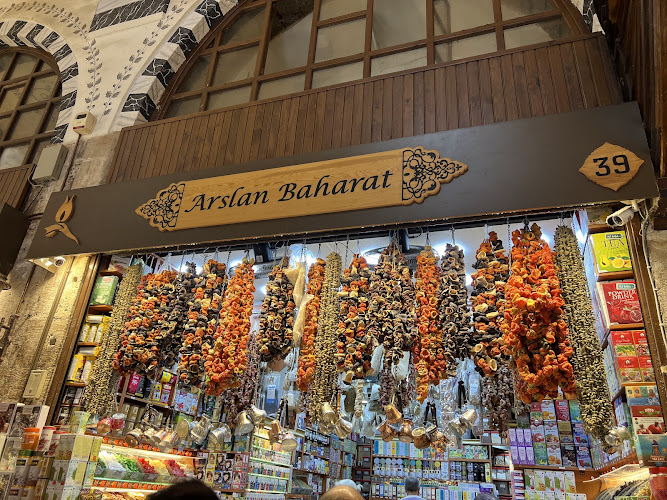
Egyptian Bazaar

Kaleici Panoramic Elevator
Find Accommodations Nearby
Recommended Tours & Activities
Visitor Reviews
There are no reviews yet. Be the first one to write one.
Share Your Experience
Have you visited Adana Etnografya Müzesi? Help other travelers by leaving a review.