
MARCO (Museo de Arte Contemporánea)
About MARCO (Museo de Arte Contemporánea)
Description
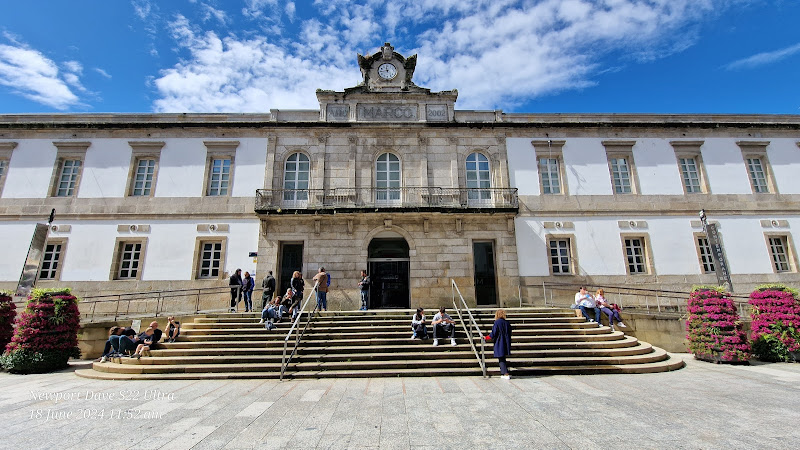
MARCO, the Museo de Arte Contemporánea de Vigo, is one of those places that quietly surprises you. It’s not a flashy, tourist-packed museum shouting for attention, but rather a thoughtful, slightly mysterious space that invites you to slow down and really look. Housed in what used to be Vigo’s old prison and courthouse from the late 19th century, the building itself tells a story before you even step inside. The thick stone walls and arched corridors whisper of its past, but the bright, open galleries transform that history into a dialogue between old and new — between confinement and creative freedom. I remember the first time I walked through its central courtyard; the light bounced off the pale stone, and I felt this odd mix of calm and curiosity, like I’d stumbled upon something deeply human.
The museum doesn’t keep a permanent collection, which might sound odd at first. But honestly, that’s part of its charm. Every few months, MARCO reinvents itself with fresh exhibitions from local and international artists — from thought-provoking installations to multimedia experiments that make you question what art even means today. And because the exhibitions change so often, no two visits ever feel the same. One week you might find a series exploring digital identity and online culture; the next, a haunting photography project about urban solitude. It’s that unpredictability that keeps locals coming back and travelers talking about it long after they’ve left Vigo.
What really sets MARCO apart is how it feels connected to the city’s pulse. Vigo is a working port city, full of grit and creativity, and MARCO mirrors that perfectly. It’s approachable, even a little raw around the edges, but full of heart. The staff are friendly — not in that rehearsed, guidebook way, but genuinely curious about what you think. And if you’re traveling with kids, it’s surprisingly family-friendly. There’s plenty of space to roam, and the interactive exhibits often catch children’s attention (and adults’, if we’re being honest). Plus, the on-site café is a cozy spot to sit with a coffee and people-watch, especially after a morning wandering through the galleries.
Of course, not every visitor falls head over heels for MARCO. Some expect a grander, more traditional museum experience and find the minimalist approach a bit too abstract. But that’s the thing about contemporary art — it’s meant to provoke, not please everyone. Personally, I think that’s what makes MARCO worth the visit. It’s not about ticking off another museum on your itinerary; it’s about experiencing something that sticks with you, even if you can’t quite explain why.
Key Features
- Housed in a beautifully restored 19th-century building that once served as Vigo’s prison and courthouse
- Rotating exhibitions showcasing both Spanish and international contemporary artists
- Open central courtyard that floods the space with natural light
- Wheelchair-accessible entrance and restrooms
- On-site café and restaurant offering local flavors and great coffee
- Family-friendly atmosphere with exhibits that engage children and adults alike
- Regular workshops, talks, and cultural events tied to current exhibitions
- Located on a pedestrian street in the city’s commercial heart, surrounded by shops and cafés
One thing I particularly love about MARCO is how it uses its architecture as part of the experience. The galleries wrap around a central courtyard, creating a kind of circular flow that feels both intimate and expansive. You’re never quite sure what’s around the next corner — which, to me, is half the fun. And if you’re into photography, the building itself makes for some stunning shots; the contrast between old stone and modern installations is pure visual poetry.
Best Time to Visit
If you’re planning a trip to Vigo, timing your visit to MARCO can make all the difference. The museum is open year-round, but I’d say spring and early autumn are ideal. The weather is mild, the city feels alive, and you can easily pair your museum visit with a stroll through the nearby streets or a lazy afternoon by the port. Summer can get busy, especially in July and August, but even then, MARCO offers a cool, quiet escape from the heat and crowds outside.
Weekdays are generally less crowded, which means you can take your time without feeling rushed. I once visited on a rainy Tuesday afternoon, and honestly, it was perfect. The sound of rain against the courtyard windows added this moody soundtrack to the art — almost cinematic. If you enjoy that sort of introspective atmosphere, aim for a weekday visit. On weekends, the museum sometimes hosts special events or guided tours, so if you prefer a bit more buzz and interaction, that’s your moment.
As for timing within the day, late morning or early afternoon works best. You’ll have enough light to appreciate the architecture and still have time afterward to explore Vigo’s old town or grab some tapas nearby. And if you happen to visit during one of their exhibition openings, don’t miss it — the energy is infectious, and you’ll often meet artists, curators, and locals all mingling over wine and conversation.
How to Get There
MARCO sits right in the center of Vigo, making it easy to reach whether you’re staying in the city or coming in from nearby towns. If you’re walking through the downtown area, you’ll likely stumble upon it while exploring — it’s located along one of the main pedestrian streets filled with shops and cafés. You can’t really miss the striking stone façade and the subtle signage that hints at the modern world inside.
For those using public transportation, several city buses stop nearby. Vigo’s local bus network is pretty efficient, and even if your Spanish isn’t perfect, drivers are usually happy to help. If you’re driving, just be aware that parking can be tricky since the area is mostly pedestrianized. It’s better to park a few blocks away and enjoy the short walk — it’s part of the experience, really. And if you’re coming from the train station, it’s only about a 15-minute walk, depending on your pace (and how many times you stop for photos or pastries along the way).
Personally, I love arriving on foot. There’s something about the transition from the bustling shopping streets into the calm, reflective space of the museum that feels symbolic — like stepping out of one world and into another.
Tips for Visiting
Before you go, check what exhibitions are currently on display. Since MARCO doesn’t have a permanent collection, the experience can vary a lot depending on what’s being shown. Sometimes it’s cutting-edge video installations; other times, it’s sculpture, photography, or conceptual art. If you’re traveling with kids or someone who’s not super into contemporary art, look for interactive or family-friendly exhibitions — they’re usually marked clearly in the descriptions.
Give yourself at least an hour, maybe two, to explore. The museum isn’t massive, but the exhibits tend to be thought-provoking, and you’ll want time to reflect. I’ve learned that rushing through contemporary art is like skimming poetry — you miss the point. Take breaks, sit for a while in the courtyard, and let the art sink in. The café is also worth a stop, not just for the coffee but for the people-watching. Locals often hang out there, flipping through newspapers or chatting about the latest exhibition, and it gives you this authentic glimpse into Vigo’s cultural life.
Accessibility is generally good, with ramps and elevators available, though parking for wheelchair users is limited nearby. If you need assistance, the staff are genuinely accommodating. And for those who love souvenirs, the museum shop has a small but well-curated selection of books, prints, and design objects — perfect if you’re looking for something more meaningful than the usual fridge magnet.
One last tip: don’t expect MARCO to hand you easy answers. Some exhibitions might leave you puzzled, even frustrated, but that’s part of its magic. Let yourself feel that discomfort. Art, after all, isn’t always meant to be understood — sometimes it’s meant to be felt. And if you walk out with more questions than you came in with, well, you’ve probably experienced it just right.
In short, MARCO isn’t just another museum stop — it’s a window into how Vigo sees itself and the world. Whether you’re an art lover, a curious traveler, or just someone looking for a quiet corner to think, it’s a place that rewards those who take the time to look a little deeper. And who knows? You might just walk out seeing the world a bit differently than when you walked in.
Key Features
- Housed in a beautifully restored 19th-century building that once served as Vigo’s prison and courthouse
- Rotating exhibitions showcasing both Spanish and international contemporary artists
- Open central courtyard that floods the space with natural light
- Wheelchair-accessible entrance and restrooms
- On-site café and restaurant offering local flavors and great coffee
- Family-friendly atmosphere with exhibits that engage children and adults alike
- Regular workshops, talks, and cultural events tied to current exhibitions
- Located on a pedestrian street in the city’s commercial heart, surrounded by shops and cafés
More Details
Updated November 9, 2025
Table of Contents
- Description
- Key Features
- Best Time to Visit
- How to Get There
- Tips for Visiting
- Key Highlights
- Location
- Places to Stay Near MARCO (Museo de Arte Contemporánea)
- Find and Book a Tour
- Explore More Travel Guides
- Nearby Places You Might Like
- Traveler Reviews for MARCO (Museo de Arte Contemporánea)
- Share Your Experience
Description
MARCO, the Museo de Arte Contemporánea de Vigo, is one of those places that quietly surprises you. It’s not a flashy, tourist-packed museum shouting for attention, but rather a thoughtful, slightly mysterious space that invites you to slow down and really look. Housed in what used to be Vigo’s old prison and courthouse from the late 19th century, the building itself tells a story before you even step inside. The thick stone walls and arched corridors whisper of its past, but the bright, open galleries transform that history into a dialogue between old and new — between confinement and creative freedom. I remember the first time I walked through its central courtyard; the light bounced off the pale stone, and I felt this odd mix of calm and curiosity, like I’d stumbled upon something deeply human.
The museum doesn’t keep a permanent collection, which might sound odd at first. But honestly, that’s part of its charm. Every few months, MARCO reinvents itself with fresh exhibitions from local and international artists — from thought-provoking installations to multimedia experiments that make you question what art even means today. And because the exhibitions change so often, no two visits ever feel the same. One week you might find a series exploring digital identity and online culture; the next, a haunting photography project about urban solitude. It’s that unpredictability that keeps locals coming back and travelers talking about it long after they’ve left Vigo.
What really sets MARCO apart is how it feels connected to the city’s pulse. Vigo is a working port city, full of grit and creativity, and MARCO mirrors that perfectly. It’s approachable, even a little raw around the edges, but full of heart. The staff are friendly — not in that rehearsed, guidebook way, but genuinely curious about what you think. And if you’re traveling with kids, it’s surprisingly family-friendly. There’s plenty of space to roam, and the interactive exhibits often catch children’s attention (and adults’, if we’re being honest). Plus, the on-site café is a cozy spot to sit with a coffee and people-watch, especially after a morning wandering through the galleries.
Of course, not every visitor falls head over heels for MARCO. Some expect a grander, more traditional museum experience and find the minimalist approach a bit too abstract. But that’s the thing about contemporary art — it’s meant to provoke, not please everyone. Personally, I think that’s what makes MARCO worth the visit. It’s not about ticking off another museum on your itinerary; it’s about experiencing something that sticks with you, even if you can’t quite explain why.
Key Features
- Housed in a beautifully restored 19th-century building that once served as Vigo’s prison and courthouse
- Rotating exhibitions showcasing both Spanish and international contemporary artists
- Open central courtyard that floods the space with natural light
- Wheelchair-accessible entrance and restrooms
- On-site café and restaurant offering local flavors and great coffee
- Family-friendly atmosphere with exhibits that engage children and adults alike
- Regular workshops, talks, and cultural events tied to current exhibitions
- Located on a pedestrian street in the city’s commercial heart, surrounded by shops and cafés
One thing I particularly love about MARCO is how it uses its architecture as part of the experience. The galleries wrap around a central courtyard, creating a kind of circular flow that feels both intimate and expansive. You’re never quite sure what’s around the next corner — which, to me, is half the fun. And if you’re into photography, the building itself makes for some stunning shots; the contrast between old stone and modern installations is pure visual poetry.
Best Time to Visit
If you’re planning a trip to Vigo, timing your visit to MARCO can make all the difference. The museum is open year-round, but I’d say spring and early autumn are ideal. The weather is mild, the city feels alive, and you can easily pair your museum visit with a stroll through the nearby streets or a lazy afternoon by the port. Summer can get busy, especially in July and August, but even then, MARCO offers a cool, quiet escape from the heat and crowds outside.
Weekdays are generally less crowded, which means you can take your time without feeling rushed. I once visited on a rainy Tuesday afternoon, and honestly, it was perfect. The sound of rain against the courtyard windows added this moody soundtrack to the art — almost cinematic. If you enjoy that sort of introspective atmosphere, aim for a weekday visit. On weekends, the museum sometimes hosts special events or guided tours, so if you prefer a bit more buzz and interaction, that’s your moment.
As for timing within the day, late morning or early afternoon works best. You’ll have enough light to appreciate the architecture and still have time afterward to explore Vigo’s old town or grab some tapas nearby. And if you happen to visit during one of their exhibition openings, don’t miss it — the energy is infectious, and you’ll often meet artists, curators, and locals all mingling over wine and conversation.
How to Get There
MARCO sits right in the center of Vigo, making it easy to reach whether you’re staying in the city or coming in from nearby towns. If you’re walking through the downtown area, you’ll likely stumble upon it while exploring — it’s located along one of the main pedestrian streets filled with shops and cafés. You can’t really miss the striking stone façade and the subtle signage that hints at the modern world inside.
For those using public transportation, several city buses stop nearby. Vigo’s local bus network is pretty efficient, and even if your Spanish isn’t perfect, drivers are usually happy to help. If you’re driving, just be aware that parking can be tricky since the area is mostly pedestrianized. It’s better to park a few blocks away and enjoy the short walk — it’s part of the experience, really. And if you’re coming from the train station, it’s only about a 15-minute walk, depending on your pace (and how many times you stop for photos or pastries along the way).
Personally, I love arriving on foot. There’s something about the transition from the bustling shopping streets into the calm, reflective space of the museum that feels symbolic — like stepping out of one world and into another.
Tips for Visiting
Before you go, check what exhibitions are currently on display. Since MARCO doesn’t have a permanent collection, the experience can vary a lot depending on what’s being shown. Sometimes it’s cutting-edge video installations; other times, it’s sculpture, photography, or conceptual art. If you’re traveling with kids or someone who’s not super into contemporary art, look for interactive or family-friendly exhibitions — they’re usually marked clearly in the descriptions.
Give yourself at least an hour, maybe two, to explore. The museum isn’t massive, but the exhibits tend to be thought-provoking, and you’ll want time to reflect. I’ve learned that rushing through contemporary art is like skimming poetry — you miss the point. Take breaks, sit for a while in the courtyard, and let the art sink in. The café is also worth a stop, not just for the coffee but for the people-watching. Locals often hang out there, flipping through newspapers or chatting about the latest exhibition, and it gives you this authentic glimpse into Vigo’s cultural life.
Accessibility is generally good, with ramps and elevators available, though parking for wheelchair users is limited nearby. If you need assistance, the staff are genuinely accommodating. And for those who love souvenirs, the museum shop has a small but well-curated selection of books, prints, and design objects — perfect if you’re looking for something more meaningful than the usual fridge magnet.
One last tip: don’t expect MARCO to hand you easy answers. Some exhibitions might leave you puzzled, even frustrated, but that’s part of its magic. Let yourself feel that discomfort. Art, after all, isn’t always meant to be understood — sometimes it’s meant to be felt. And if you walk out with more questions than you came in with, well, you’ve probably experienced it just right.
In short, MARCO isn’t just another museum stop — it’s a window into how Vigo sees itself and the world. Whether you’re an art lover, a curious traveler, or just someone looking for a quiet corner to think, it’s a place that rewards those who take the time to look a little deeper. And who knows? You might just walk out seeing the world a bit differently than when you walked in.
Key Highlights
- Housed in a beautifully restored 19th-century building that once served as Vigo’s prison and courthouse
- Rotating exhibitions showcasing both Spanish and international contemporary artists
- Open central courtyard that floods the space with natural light
- Wheelchair-accessible entrance and restrooms
- On-site café and restaurant offering local flavors and great coffee
- Family-friendly atmosphere with exhibits that engage children and adults alike
- Regular workshops, talks, and cultural events tied to current exhibitions
- Located on a pedestrian street in the city’s commercial heart, surrounded by shops and cafés
Location
Places to Stay Near MARCO (Museo de Arte Contemporánea)
Find and Book a Tour
Explore More Travel Guides
No reviews found! Be the first to review!
Traveler Reviews for MARCO (Museo de Arte Contemporánea)
There are no reviews yet. Be the first one to write one.
Have you visited MARCO (Museo de Arte Contemporánea)? Help other travelers by sharing your review.
You Might Also Like
Praza de Compostela, 2

Barco Illas Cíes - Cruceiros Rías Baixas
Museo do Mar de Galicia
Find Accommodations Nearby
Recommended Tours & Activities
Visitor Reviews
There are no reviews yet. Be the first one to write one.
Share Your Experience
Have you visited MARCO (Museo de Arte Contemporánea)? Help other travelers by leaving a review.