
Museo Etnográfico Liste
About Museo Etnográfico Liste
Description
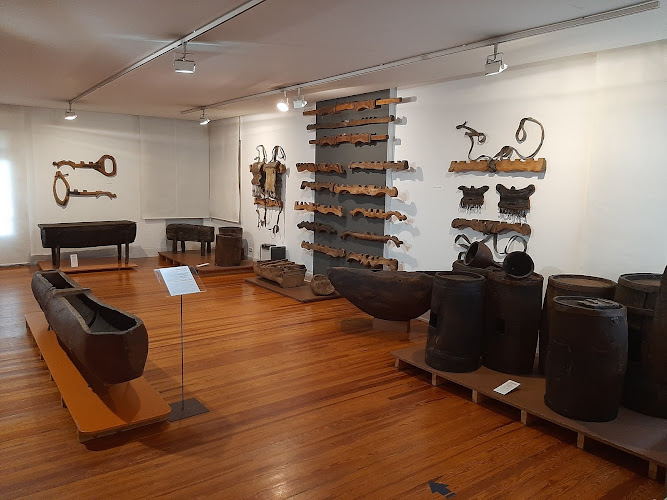
The Museo Etnográfico Liste is one of those places that quietly grabs your attention and doesn’t let go. It’s not flashy or overly modern, and that’s exactly what makes it special. This museum digs deep into the cultural roots of Galicia, showcasing how people here lived, worked, and celebrated life long before smartphones and electric cars came along. It’s the kind of spot that makes you pause and think about the simple, ingenious ways humans have adapted to their surroundings over time.
Walking through the museum feels like stepping into a living storybook of Galician folklore and craftsmanship. There’s an authenticity here that you don’t always find in larger, more commercial museums. The exhibits, many of which are handcrafted tools, textiles, and instruments, tell the story of generations who shaped the region’s identity. You can almost feel the rhythm of daily life from centuries ago—farmers tending their fields, artisans shaping wood and metal, families gathering around the hearth. It’s all here, preserved with care and a sense of pride.
Now, I’ll be honest—if you’re expecting high-tech displays or interactive screens, you might be a bit surprised. The Museo Etnográfico Liste isn’t about that. It’s about authenticity, about the tactile experience of seeing real objects that have survived the passage of time. And that’s what makes it so memorable. There’s a quiet charm to the creaking floors and the slightly worn labels that remind you this is a place built by passion, not marketing budgets.
For travelers who love to get under the skin of a destination, this museum offers a genuine glimpse into Galician life. It’s not just about history—it’s about identity. The curators clearly care about preserving traditions that might otherwise fade away. And if you’re like me, you’ll find yourself drawn to the small details: the hand-carved wooden tools, the intricate lacework, the rustic kitchen setups that make you imagine the smell of homemade bread baking. It’s a deeply human experience, and that’s what travel should be about, right?
Key Features
- Extensive Ethnographic Collection: The museum houses thousands of artifacts representing Galician rural and industrial life—from farming tools to household items and traditional clothing.
- Focus on Local Craftsmanship: Exhibits highlight the artistry and ingenuity of Galicia’s craftspeople, with detailed examples of weaving, blacksmithing, and carpentry.
- Educational Displays: Each section is thoughtfully arranged to show how daily life evolved in the region, making it a great learning experience for both adults and children.
- Authentic Ambiance: The museum’s setting and layout preserve the feel of an old Galician home, offering an immersive experience rather than a sterile exhibit hall.
- Family-Friendly: It’s an excellent destination for families, with exhibits that spark curiosity and conversation among kids and adults alike.
- Restroom Facilities: Convenient amenities ensure a comfortable visit, though there’s no on-site restaurant—so maybe grab a bite before or after your visit.
- Cultural Insight: Beyond objects, the museum captures the spirit of Galician traditions, festivals, and folklore that still influence local life today.
One of my favorite parts is the section dedicated to traditional Galician music and instruments. There’s something almost magical about seeing the bagpipes and tambourines that once filled village squares with sound. It’s a reminder that culture isn’t just something you read about—it’s something you feel, hear, and carry forward.
Best Time to Visit
Timing your visit can make a big difference, especially if you want to enjoy the museum without feeling rushed. The best time to explore the Museo Etnográfico Liste is during the spring and early autumn months. The weather in Vigo is mild, and you’ll find fewer crowds compared to the peak summer season. It’s easier to take your time wandering through the exhibits when you’re not shoulder-to-shoulder with other visitors.
That said, there’s a certain charm to visiting during the cooler winter months too. The museum’s cozy, intimate atmosphere feels even more inviting when it’s chilly outside. Plus, if you’re the kind of traveler who enjoys pairing museum visits with hearty Galician meals (think caldo gallego or empanada), this time of year is perfect. Just remember, opening hours can vary slightly depending on the season, so it’s always smart to check ahead before you go.
Summer visits have their perks as well—longer daylight hours mean you can easily combine your museum stop with a stroll through Vigo’s old town or a trip to the nearby coast. But if you’re not a fan of heat or crowds, you might prefer the shoulder seasons. Personally, I find late May absolutely ideal—the air smells like the sea, and the city has that relaxed, pre-summer energy that’s hard to beat.
How to Get There
Getting to the Museo Etnográfico Liste is fairly straightforward, especially if you’re staying in or around Vigo. The city’s public transportation system is reliable, and taxis or ride-share options are easy to find. If you’re coming from the city center, it’s just a short drive—less than fifteen minutes in most cases. For those who prefer public transport, several bus routes pass nearby, making it accessible even without a car.
If you enjoy walking (and don’t mind a bit of a hill or two), you can make the journey on foot from certain parts of Vigo. It’s a pleasant way to see more of the city, and you’ll likely stumble upon a few local cafés or bakeries along the way. I once stopped at a tiny café for coffee and ended up chatting with the owner about Galician folklore—turns out, he had family artifacts displayed in the very museum I was heading to. Moments like that make travel richer, don’t they?
For those driving, parking in the area is generally manageable. Just keep in mind that, like many Spanish cities, Vigo has some narrow streets, so smaller vehicles are easier to navigate. If you’re coming from outside the city, the main highways connecting Vigo to other parts of Galicia are well maintained, and the drive offers some lovely coastal views.
Tips for Visiting
Visiting the Museo Etnográfico Liste is best done with a curious mind and a bit of patience. This isn’t a place to rush through—it’s one to savor. Here are a few tips to make your experience even better:
- Take Your Time: Each room tells a different story, and it’s worth pausing to absorb the details. The museum’s layout encourages slow exploration rather than quick glances.
- Bring a Notepad or Camera (if allowed): There’s a lot to learn here, and jotting down a few notes or snapping photos of your favorite exhibits can help you remember the details later.
- Ask Questions: The staff are incredibly knowledgeable and passionate about Galician heritage. Don’t be shy—they often share fascinating anecdotes you won’t find on the display cards.
- Go Early in the Day: Mornings are usually quieter, giving you space to explore at your own pace. Plus, the lighting tends to be softer, which adds to the museum’s warm atmosphere.
- Pair Your Visit: Combine your museum trip with a walk through Vigo’s historic areas or a seaside lunch. It makes for a full, well-rounded day of culture and relaxation.
- Check for Temporary Exhibits: Occasionally, the museum hosts special displays focusing on specific crafts or local traditions. These can offer deeper insights into particular aspects of Galician life.
One thing I wish I’d known before my first visit is how emotionally resonant the place can be. There’s a quiet dignity in seeing the everyday objects that once shaped entire communities. It’s humbling, really. You start to appreciate how much creativity and resilience went into even the simplest tools. And maybe, just maybe, you leave with a bit more respect for the people who came before us.
Another small but practical tip—wear comfortable shoes. The museum isn’t huge, but you’ll be standing and walking quite a bit, and the floors are old (which adds to the charm but not always to the comfort). Also, if you’re traveling with kids, they’ll likely enjoy the more interactive sections, so plan a little extra time for them to explore.
In the end, the Museo Etnográfico Liste offers more than just a history lesson—it’s a window into the soul of Galicia. It’s modest yet rich, quiet yet deeply expressive. Whether you’re a history buff, a culture lover, or just someone who enjoys discovering the stories behind a place, this museum leaves a lasting impression. And if you’re anything like me, you’ll walk out with a newfound appreciation for the everyday beauty of human craftsmanship and tradition.
Key Features
- Key Features
- Best Time to Visit
- How to Get There
- Tips for Visiting
More Details
Updated November 9, 2025
Table of Contents
Description
The Museo Etnográfico Liste is one of those places that quietly grabs your attention and doesn’t let go. It’s not flashy or overly modern, and that’s exactly what makes it special. This museum digs deep into the cultural roots of Galicia, showcasing how people here lived, worked, and celebrated life long before smartphones and electric cars came along. It’s the kind of spot that makes you pause and think about the simple, ingenious ways humans have adapted to their surroundings over time.
Walking through the museum feels like stepping into a living storybook of Galician folklore and craftsmanship. There’s an authenticity here that you don’t always find in larger, more commercial museums. The exhibits, many of which are handcrafted tools, textiles, and instruments, tell the story of generations who shaped the region’s identity. You can almost feel the rhythm of daily life from centuries ago—farmers tending their fields, artisans shaping wood and metal, families gathering around the hearth. It’s all here, preserved with care and a sense of pride.
Now, I’ll be honest—if you’re expecting high-tech displays or interactive screens, you might be a bit surprised. The Museo Etnográfico Liste isn’t about that. It’s about authenticity, about the tactile experience of seeing real objects that have survived the passage of time. And that’s what makes it so memorable. There’s a quiet charm to the creaking floors and the slightly worn labels that remind you this is a place built by passion, not marketing budgets.
For travelers who love to get under the skin of a destination, this museum offers a genuine glimpse into Galician life. It’s not just about history—it’s about identity. The curators clearly care about preserving traditions that might otherwise fade away. And if you’re like me, you’ll find yourself drawn to the small details: the hand-carved wooden tools, the intricate lacework, the rustic kitchen setups that make you imagine the smell of homemade bread baking. It’s a deeply human experience, and that’s what travel should be about, right?
Key Features
- Extensive Ethnographic Collection: The museum houses thousands of artifacts representing Galician rural and industrial life—from farming tools to household items and traditional clothing.
- Focus on Local Craftsmanship: Exhibits highlight the artistry and ingenuity of Galicia’s craftspeople, with detailed examples of weaving, blacksmithing, and carpentry.
- Educational Displays: Each section is thoughtfully arranged to show how daily life evolved in the region, making it a great learning experience for both adults and children.
- Authentic Ambiance: The museum’s setting and layout preserve the feel of an old Galician home, offering an immersive experience rather than a sterile exhibit hall.
- Family-Friendly: It’s an excellent destination for families, with exhibits that spark curiosity and conversation among kids and adults alike.
- Restroom Facilities: Convenient amenities ensure a comfortable visit, though there’s no on-site restaurant—so maybe grab a bite before or after your visit.
- Cultural Insight: Beyond objects, the museum captures the spirit of Galician traditions, festivals, and folklore that still influence local life today.
One of my favorite parts is the section dedicated to traditional Galician music and instruments. There’s something almost magical about seeing the bagpipes and tambourines that once filled village squares with sound. It’s a reminder that culture isn’t just something you read about—it’s something you feel, hear, and carry forward.
Best Time to Visit
Timing your visit can make a big difference, especially if you want to enjoy the museum without feeling rushed. The best time to explore the Museo Etnográfico Liste is during the spring and early autumn months. The weather in Vigo is mild, and you’ll find fewer crowds compared to the peak summer season. It’s easier to take your time wandering through the exhibits when you’re not shoulder-to-shoulder with other visitors.
That said, there’s a certain charm to visiting during the cooler winter months too. The museum’s cozy, intimate atmosphere feels even more inviting when it’s chilly outside. Plus, if you’re the kind of traveler who enjoys pairing museum visits with hearty Galician meals (think caldo gallego or empanada), this time of year is perfect. Just remember, opening hours can vary slightly depending on the season, so it’s always smart to check ahead before you go.
Summer visits have their perks as well—longer daylight hours mean you can easily combine your museum stop with a stroll through Vigo’s old town or a trip to the nearby coast. But if you’re not a fan of heat or crowds, you might prefer the shoulder seasons. Personally, I find late May absolutely ideal—the air smells like the sea, and the city has that relaxed, pre-summer energy that’s hard to beat.
How to Get There
Getting to the Museo Etnográfico Liste is fairly straightforward, especially if you’re staying in or around Vigo. The city’s public transportation system is reliable, and taxis or ride-share options are easy to find. If you’re coming from the city center, it’s just a short drive—less than fifteen minutes in most cases. For those who prefer public transport, several bus routes pass nearby, making it accessible even without a car.
If you enjoy walking (and don’t mind a bit of a hill or two), you can make the journey on foot from certain parts of Vigo. It’s a pleasant way to see more of the city, and you’ll likely stumble upon a few local cafés or bakeries along the way. I once stopped at a tiny café for coffee and ended up chatting with the owner about Galician folklore—turns out, he had family artifacts displayed in the very museum I was heading to. Moments like that make travel richer, don’t they?
For those driving, parking in the area is generally manageable. Just keep in mind that, like many Spanish cities, Vigo has some narrow streets, so smaller vehicles are easier to navigate. If you’re coming from outside the city, the main highways connecting Vigo to other parts of Galicia are well maintained, and the drive offers some lovely coastal views.
Tips for Visiting
Visiting the Museo Etnográfico Liste is best done with a curious mind and a bit of patience. This isn’t a place to rush through—it’s one to savor. Here are a few tips to make your experience even better:
- Take Your Time: Each room tells a different story, and it’s worth pausing to absorb the details. The museum’s layout encourages slow exploration rather than quick glances.
- Bring a Notepad or Camera (if allowed): There’s a lot to learn here, and jotting down a few notes or snapping photos of your favorite exhibits can help you remember the details later.
- Ask Questions: The staff are incredibly knowledgeable and passionate about Galician heritage. Don’t be shy—they often share fascinating anecdotes you won’t find on the display cards.
- Go Early in the Day: Mornings are usually quieter, giving you space to explore at your own pace. Plus, the lighting tends to be softer, which adds to the museum’s warm atmosphere.
- Pair Your Visit: Combine your museum trip with a walk through Vigo’s historic areas or a seaside lunch. It makes for a full, well-rounded day of culture and relaxation.
- Check for Temporary Exhibits: Occasionally, the museum hosts special displays focusing on specific crafts or local traditions. These can offer deeper insights into particular aspects of Galician life.
One thing I wish I’d known before my first visit is how emotionally resonant the place can be. There’s a quiet dignity in seeing the everyday objects that once shaped entire communities. It’s humbling, really. You start to appreciate how much creativity and resilience went into even the simplest tools. And maybe, just maybe, you leave with a bit more respect for the people who came before us.
Another small but practical tip—wear comfortable shoes. The museum isn’t huge, but you’ll be standing and walking quite a bit, and the floors are old (which adds to the charm but not always to the comfort). Also, if you’re traveling with kids, they’ll likely enjoy the more interactive sections, so plan a little extra time for them to explore.
In the end, the Museo Etnográfico Liste offers more than just a history lesson—it’s a window into the soul of Galicia. It’s modest yet rich, quiet yet deeply expressive. Whether you’re a history buff, a culture lover, or just someone who enjoys discovering the stories behind a place, this museum leaves a lasting impression. And if you’re anything like me, you’ll walk out with a newfound appreciation for the everyday beauty of human craftsmanship and tradition.
Key Highlights
- Key Features
- Best Time to Visit
- How to Get There
- Tips for Visiting
Location
Places to Stay Near Museo Etnográfico Liste
Find and Book a Tour
Explore More Travel Guides
No reviews found! Be the first to review!
Traveler Reviews for Museo Etnográfico Liste
There are no reviews yet. Be the first one to write one.
Have you visited Museo Etnográfico Liste? Help other travelers by sharing your review.
You Might Also Like
Museo Quiñones de León
MARCO (Museo de Arte Contemporánea)
Centro Comercial Centro Príncipe
Find Accommodations Nearby
Recommended Tours & Activities
Visitor Reviews
There are no reviews yet. Be the first one to write one.
Share Your Experience
Have you visited Museo Etnográfico Liste? Help other travelers by leaving a review.