

Salinae – Centro Arqueolóxico do Areal
About Salinae – Centro Arqueolóxico do Areal
Description
Salinae – Centro Arqueolóxico do Areal is one of those places that quietly steals your attention. You walk in expecting a small local museum, and suddenly you’re standing above ancient Roman salt pans that have survived nearly two thousand years. It’s humbling, really. This archaeological site in Vigo reveals the remains of what is believed to be the only preserved and fully musealized marine saltworks of the entire Roman Empire. That’s not an exaggeration—it’s genuinely unique. The Romans, known for their engineering genius, built this salina to harvest salt through solar evaporation, and today you can see the intricate channels and basins that once shimmered with seawater under the Galician sun.
What makes Salinae special isn’t just the age of the site—it’s how seamlessly the museum connects the past with the present. The glass floors allow visitors to gaze directly onto the excavated salt pans, while multimedia exhibits explain how salt production shaped the economy and daily life in Roman times. It’s fascinating to realize that something as ordinary as salt was once a cornerstone of empire-building. I remember standing there, imagining Roman workers scraping up crystallized salt, the scent of the sea in the air, and the clatter of amphorae being loaded for trade. It’s the kind of place that makes history feel tactile, almost personal.
And while the museum isn’t huge, it’s thoughtfully curated. The displays are bilingual, the lighting is soft but purposeful, and there’s a calm, almost meditative atmosphere that invites you to linger. It’s a quiet spot in a modern city, where time slows down and you can almost hear the echoes of ancient life beneath your feet. Some visitors might expect grand ruins or dramatic reconstructions, but the real magic here lies in the authenticity—the raw, unembellished story of how salt connected civilizations. If you’re the kind of traveler who loves peeling back layers of history, Salinae is a hidden gem worth every minute.
Key Features
- Authentic remains of a Roman-era marine saltworks, preserved in situ beneath the modern city of Vigo.
- Glass walkways that let visitors view the archaeological site from above, offering a clear perspective of the original salt evaporation basins.
- Interactive exhibits explaining the Roman methods of salt production, trade routes, and the cultural significance of salt in ancient times.
- Wheelchair-accessible facilities, including both entrance and restrooms, making it an inclusive destination for all travelers.
- Family-friendly environment with engaging displays suitable for children and curious adults alike.
- Knowledgeable staff who are genuinely passionate about local history and always ready to share insights or answer questions.
- Located near the heart of Vigo, making it easy to combine with other cultural or seaside attractions in the area.
It’s worth noting that the museum’s size makes it perfect for a short, meaningful visit—about an hour or so if you take your time. And that’s a good thing; you won’t feel overwhelmed by endless corridors or repetitive displays. Instead, you’ll walk away with a clear, memorable snapshot of Roman ingenuity and its connection to Galicia’s coastal heritage.
Best Time to Visit
Honestly, Salinae can be visited year-round, and that’s one of its perks. Since it’s an indoor archaeological center, you don’t have to worry about weather ruining your plans. That said, spring and autumn tend to be the most pleasant times to explore Vigo in general—the city feels more relaxed, the temperatures are mild, and you can pair your museum visit with a stroll along the nearby waterfront. Summer brings more tourists, but the museum itself rarely feels crowded, which is a small miracle in popular coastal Spain.
If you’re the kind who likes to avoid the rush, weekday mornings are ideal. You’ll have the place almost to yourself, which makes standing above those salt pans feel even more intimate. Winter visits have their charm too; there’s something cozy about escaping the chill outside and stepping into a warm, softly lit space filled with stories from the past. Plus, you might get to chat with the staff and hear a few behind-the-scenes anecdotes—something that tends to happen when the museum is quiet.
How to Get There
Reaching Salinae is straightforward, especially if you’re already exploring Vigo. The site sits in the city center, not far from the main commercial and historical areas. You can easily walk there from most downtown hotels or take one of the local buses that stop nearby. If you’re driving, parking can be a bit tricky in the area—like many European city centers—but there are public car parks within a short walk. Personally, I’d recommend walking if you can; it’s the best way to soak in the rhythm of the city and stumble upon little cafés or bakeries along the way. And if you’re arriving by train, the main station isn’t far either, making it a convenient stop for day-trippers.
For those with mobility needs, the route is accessible, and the museum itself is equipped with ramps and elevators. It’s clear that the designers put real thought into making the experience inclusive, which is always appreciated. The entrance is at street level, and the interior layout allows easy movement between exhibits without feeling cramped or complicated.
Tips for Visiting
Here’s the thing about Salinae—it’s small but rich in detail, so take your time. Don’t just glance at the salt pans and move on. Pause, read the panels, watch the short videos, and really picture how the Romans worked these basins centuries ago. Bring a curious mindset, and you’ll get far more out of the experience than a quick photo stop could ever give you.
If you’re traveling with kids, this is actually a great spot to introduce them to archaeology in a hands-on way. The exhibits are visual and easy to grasp, and there’s something inherently fun about looking down through glass floors at ancient ruins. I once saw a group of schoolchildren visiting, and their excitement was contagious—they were asking questions faster than the guide could answer.
Another tip: pair your visit with a walk through Vigo’s old quarter afterward. The contrast between ancient Roman engineering and the city’s lively modern streets is striking. And if you’re into photography, the museum’s mix of stone textures, glass reflections, and soft lighting makes for some unexpectedly beautiful shots. Just remember to turn off your flash—those ancient surfaces deserve a little respect.
There’s no café on-site, so plan to grab a coffee or snack nearby before or after your visit. Vigo is full of cozy spots, and sitting down with a local pastry while mulling over what you just saw is part of the experience. Also, check opening hours in advance—they can vary slightly depending on the season. And if you’re lucky, you might catch a temporary exhibition or special event that dives deeper into Roman history or local archaeology.
Finally, don’t rush. Salinae isn’t about ticking off another museum on your list; it’s about connecting with a piece of history that’s quietly endured beneath modern life. There’s something poetic about that, isn’t there? Beneath the concrete and noise of a 21st-century city lies the patient work of ancient hands, still visible, still telling its story. That’s the beauty of Salinae—it reminds you that history isn’t gone; it’s just waiting for you to look down and notice.
So, whether you’re a history buff, a curious traveler, or just someone who loves discovering places that most guidebooks barely mention, this archaeological center deserves a spot on your itinerary. It’s small, it’s genuine, and it’s one of those rare sites where you can feel the weight of time without feeling overwhelmed by it. And who knows—you might walk out with a newfound appreciation for something as simple as salt.
Key Features
- Authentic remains of a Roman-era marine saltworks, preserved in situ beneath the modern city of Vigo.
- Glass walkways that let visitors view the archaeological site from above, offering a clear perspective of the original salt evaporation basins.
- Interactive exhibits explaining the Roman methods of salt production, trade routes, and the cultural significance of salt in ancient times.
- Wheelchair-accessible facilities, including both entrance and restrooms, making it an inclusive destination for all travelers.
- Family-friendly environment with engaging displays suitable for children and curious adults alike.
- Knowledgeable staff who are genuinely passionate about local history and always ready to share insights or answer questions.
- Located near the heart of Vigo, making it easy to combine with other cultural or seaside attractions in the area.
More Details
Updated November 9, 2025
Table of Contents
- Description
- Key Features
- Best Time to Visit
- How to Get There
- Tips for Visiting
- Key Highlights
- Location
- Places to Stay Near Salinae - Centro Arqueolóxico do Areal
- Find and Book a Tour
- Explore More Travel Guides
- Nearby Places You Might Like
- Traveler Reviews for Salinae – Centro Arqueolóxico do Areal
- Share Your Experience
Description
Salinae – Centro Arqueolóxico do Areal is one of those places that quietly steals your attention. You walk in expecting a small local museum, and suddenly you’re standing above ancient Roman salt pans that have survived nearly two thousand years. It’s humbling, really. This archaeological site in Vigo reveals the remains of what is believed to be the only preserved and fully musealized marine saltworks of the entire Roman Empire. That’s not an exaggeration—it’s genuinely unique. The Romans, known for their engineering genius, built this salina to harvest salt through solar evaporation, and today you can see the intricate channels and basins that once shimmered with seawater under the Galician sun.
What makes Salinae special isn’t just the age of the site—it’s how seamlessly the museum connects the past with the present. The glass floors allow visitors to gaze directly onto the excavated salt pans, while multimedia exhibits explain how salt production shaped the economy and daily life in Roman times. It’s fascinating to realize that something as ordinary as salt was once a cornerstone of empire-building. I remember standing there, imagining Roman workers scraping up crystallized salt, the scent of the sea in the air, and the clatter of amphorae being loaded for trade. It’s the kind of place that makes history feel tactile, almost personal.
And while the museum isn’t huge, it’s thoughtfully curated. The displays are bilingual, the lighting is soft but purposeful, and there’s a calm, almost meditative atmosphere that invites you to linger. It’s a quiet spot in a modern city, where time slows down and you can almost hear the echoes of ancient life beneath your feet. Some visitors might expect grand ruins or dramatic reconstructions, but the real magic here lies in the authenticity—the raw, unembellished story of how salt connected civilizations. If you’re the kind of traveler who loves peeling back layers of history, Salinae is a hidden gem worth every minute.
Key Features
- Authentic remains of a Roman-era marine saltworks, preserved in situ beneath the modern city of Vigo.
- Glass walkways that let visitors view the archaeological site from above, offering a clear perspective of the original salt evaporation basins.
- Interactive exhibits explaining the Roman methods of salt production, trade routes, and the cultural significance of salt in ancient times.
- Wheelchair-accessible facilities, including both entrance and restrooms, making it an inclusive destination for all travelers.
- Family-friendly environment with engaging displays suitable for children and curious adults alike.
- Knowledgeable staff who are genuinely passionate about local history and always ready to share insights or answer questions.
- Located near the heart of Vigo, making it easy to combine with other cultural or seaside attractions in the area.
It’s worth noting that the museum’s size makes it perfect for a short, meaningful visit—about an hour or so if you take your time. And that’s a good thing; you won’t feel overwhelmed by endless corridors or repetitive displays. Instead, you’ll walk away with a clear, memorable snapshot of Roman ingenuity and its connection to Galicia’s coastal heritage.
Best Time to Visit
Honestly, Salinae can be visited year-round, and that’s one of its perks. Since it’s an indoor archaeological center, you don’t have to worry about weather ruining your plans. That said, spring and autumn tend to be the most pleasant times to explore Vigo in general—the city feels more relaxed, the temperatures are mild, and you can pair your museum visit with a stroll along the nearby waterfront. Summer brings more tourists, but the museum itself rarely feels crowded, which is a small miracle in popular coastal Spain.
If you’re the kind who likes to avoid the rush, weekday mornings are ideal. You’ll have the place almost to yourself, which makes standing above those salt pans feel even more intimate. Winter visits have their charm too; there’s something cozy about escaping the chill outside and stepping into a warm, softly lit space filled with stories from the past. Plus, you might get to chat with the staff and hear a few behind-the-scenes anecdotes—something that tends to happen when the museum is quiet.
How to Get There
Reaching Salinae is straightforward, especially if you’re already exploring Vigo. The site sits in the city center, not far from the main commercial and historical areas. You can easily walk there from most downtown hotels or take one of the local buses that stop nearby. If you’re driving, parking can be a bit tricky in the area—like many European city centers—but there are public car parks within a short walk. Personally, I’d recommend walking if you can; it’s the best way to soak in the rhythm of the city and stumble upon little cafés or bakeries along the way. And if you’re arriving by train, the main station isn’t far either, making it a convenient stop for day-trippers.
For those with mobility needs, the route is accessible, and the museum itself is equipped with ramps and elevators. It’s clear that the designers put real thought into making the experience inclusive, which is always appreciated. The entrance is at street level, and the interior layout allows easy movement between exhibits without feeling cramped or complicated.
Tips for Visiting
Here’s the thing about Salinae—it’s small but rich in detail, so take your time. Don’t just glance at the salt pans and move on. Pause, read the panels, watch the short videos, and really picture how the Romans worked these basins centuries ago. Bring a curious mindset, and you’ll get far more out of the experience than a quick photo stop could ever give you.
If you’re traveling with kids, this is actually a great spot to introduce them to archaeology in a hands-on way. The exhibits are visual and easy to grasp, and there’s something inherently fun about looking down through glass floors at ancient ruins. I once saw a group of schoolchildren visiting, and their excitement was contagious—they were asking questions faster than the guide could answer.
Another tip: pair your visit with a walk through Vigo’s old quarter afterward. The contrast between ancient Roman engineering and the city’s lively modern streets is striking. And if you’re into photography, the museum’s mix of stone textures, glass reflections, and soft lighting makes for some unexpectedly beautiful shots. Just remember to turn off your flash—those ancient surfaces deserve a little respect.
There’s no café on-site, so plan to grab a coffee or snack nearby before or after your visit. Vigo is full of cozy spots, and sitting down with a local pastry while mulling over what you just saw is part of the experience. Also, check opening hours in advance—they can vary slightly depending on the season. And if you’re lucky, you might catch a temporary exhibition or special event that dives deeper into Roman history or local archaeology.
Finally, don’t rush. Salinae isn’t about ticking off another museum on your list; it’s about connecting with a piece of history that’s quietly endured beneath modern life. There’s something poetic about that, isn’t there? Beneath the concrete and noise of a 21st-century city lies the patient work of ancient hands, still visible, still telling its story. That’s the beauty of Salinae—it reminds you that history isn’t gone; it’s just waiting for you to look down and notice.
So, whether you’re a history buff, a curious traveler, or just someone who loves discovering places that most guidebooks barely mention, this archaeological center deserves a spot on your itinerary. It’s small, it’s genuine, and it’s one of those rare sites where you can feel the weight of time without feeling overwhelmed by it. And who knows—you might walk out with a newfound appreciation for something as simple as salt.
Key Highlights
- Authentic remains of a Roman-era marine saltworks, preserved in situ beneath the modern city of Vigo.
- Glass walkways that let visitors view the archaeological site from above, offering a clear perspective of the original salt evaporation basins.
- Interactive exhibits explaining the Roman methods of salt production, trade routes, and the cultural significance of salt in ancient times.
- Wheelchair-accessible facilities, including both entrance and restrooms, making it an inclusive destination for all travelers.
- Family-friendly environment with engaging displays suitable for children and curious adults alike.
- Knowledgeable staff who are genuinely passionate about local history and always ready to share insights or answer questions.
- Located near the heart of Vigo, making it easy to combine with other cultural or seaside attractions in the area.
Location
Places to Stay Near Salinae - Centro Arqueolóxico do Areal
Find and Book a Tour
Explore More Travel Guides
No reviews found! Be the first to review!
Traveler Reviews for Salinae – Centro Arqueolóxico do Areal
There are no reviews yet. Be the first one to write one.
Have you visited Salinae – Centro Arqueolóxico do Areal? Help other travelers by sharing your review.
You Might Also Like
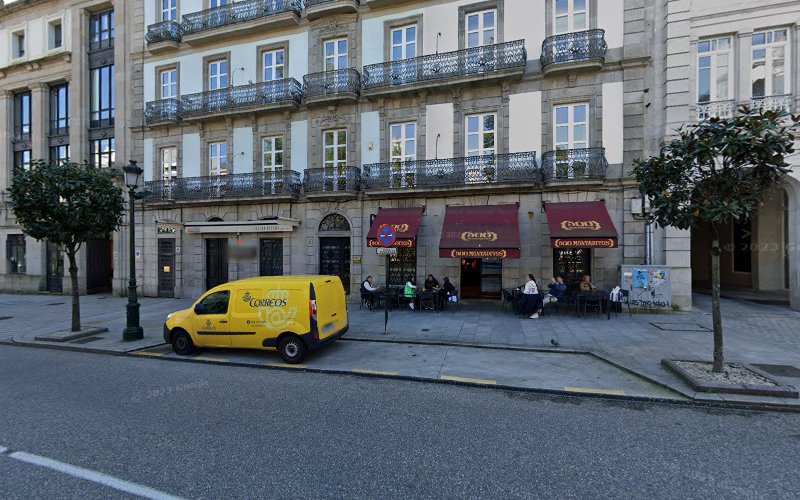
Praza de Compostela, 2
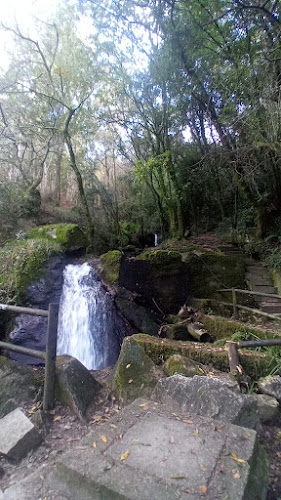
Senda da Auga

Miradoiro da Oliveira
Find Accommodations Nearby
Recommended Tours & Activities
Visitor Reviews
There are no reviews yet. Be the first one to write one.
Share Your Experience
Have you visited Salinae – Centro Arqueolóxico do Areal? Help other travelers by leaving a review.