

Castro de Vigo
About Castro de Vigo
Description
Castro de Vigo is one of those places that quietly steals your heart before you even realize it. Perched on a hill overlooking the city and the estuary, this ancient settlement is where Vigo’s story began—literally. Archaeologists say people were living here between the 2nd century BC and the 3rd century AD, which makes it one of the oldest known inhabited spots in Galicia. You can still see the outlines of old stone houses, winding walls, and pathways that whisper of a time when life was simpler, slower, and maybe a bit tougher too.
What makes it special isn’t just the ruins themselves but the feeling you get walking among them. There’s a certain calm that settles over you, even if you’re not usually the type to get sentimental about history. Maybe it’s the sea breeze drifting up from the Ría de Vigo, or the way the light hits the stones in the late afternoon. I remember sitting on one of those old walls once, half expecting to hear echoes of ancient conversations carried on the wind. It’s that kind of place—it pulls you into its rhythm.
Beyond the archaeology, the site sits within O Castro Park, a green haven right in the middle of the city. Locals come here to jog, picnic, or just take a breather from urban life. The park’s paths twist through gardens, fountains, and viewpoints that offer some of the best panoramas in Vigo. It’s a mix of history and everyday life that feels very authentic to Galicia. You might see a family pushing a stroller past a 2,000-year-old wall, or a group of teenagers taking selfies with the estuary spread out behind them. Somehow, it all fits together perfectly.
And let’s be honest—no trip to Vigo feels complete without coming up here. Whether you’re a history buff, a photographer chasing golden hour light, or just someone who enjoys a good walk with a killer view, Castro de Vigo hits the mark. It’s not a flashy attraction. It’s subtle, grounded, and deeply tied to the identity of the city. That’s what makes it unforgettable.
Key Features
- Archaeological remains from the Iron Age, including reconstructed stone dwellings that show how early settlers lived.
- Panoramic viewpoints offering sweeping views of the Vigo estuary, the city, and the Cíes Islands on the horizon.
- O Castro Fortress nearby, dating from the 17th century, adding another layer of history to explore.
- Beautifully landscaped park areas with shaded walking paths, gardens, and fountains.
- Interpretive signs and displays explaining the site’s historical significance in both Spanish and English.
- Easy accessibility for visitors with mobility challenges, including wheelchair-friendly paths and parking.
- Family-friendly environment with open spaces where kids can safely run and play.
It’s the kind of place where you can spend ten minutes or two hours, depending on your mood. Some people come for the history, others for the view, and a few just to breathe in the fresh, salty air. And all of them leave with that quiet sense of having touched something timeless.
Best Time to Visit
Spring and early autumn are hands-down the best times to visit Castro de Vigo. The weather is mild, the skies are clear, and the park bursts with color. You’ll find the flowers in bloom and the air carrying that earthy scent that only happens after a light Galician drizzle. Summer can be lovely too, especially in the evenings when the sun sets over the estuary and paints everything gold. But it can get busy, especially on weekends, so if you prefer a quieter experience, go early in the morning.
Winter has its own charm, though. The mist sometimes rolls in from the sea, wrapping the ruins in a ghostly haze. It’s colder, sure, but if you’re into photography or just enjoy moody landscapes, it’s worth braving the chill. I once visited in December and had the whole place practically to myself. The silence was so complete that even the seagulls seemed to whisper. There’s something magical about that.
How to Get There
Getting to Castro de Vigo is pretty straightforward. The site sits right in the heart of the city, so you won’t need to trek far. If you’re staying downtown, you can easily walk up—it’s about a 15 to 20-minute climb, depending on your pace. The route winds through charming city streets and gradually opens up to greenery as you approach the park. You might want to wear comfortable shoes, though; the incline can sneak up on you.
If walking isn’t your thing, taxis and local buses can drop you near the park entrance. Vigo’s public transport system is reliable and affordable, and most drivers know exactly where O Castro is—it’s one of those landmarks everyone in town recognizes. For those driving, there’s accessible parking nearby, and the roads are well signposted. Just remember, the streets can be narrow, so smaller cars make life easier.
Once you’re inside the park, the paths are clearly marked. You’ll find signs pointing toward the archaeological site and the fortress. It’s all laid out in a way that encourages wandering, so don’t worry too much about sticking to a strict route. Half the fun is stumbling upon a hidden viewpoint or a quiet bench under the trees.
Tips for Visiting
Here’s the thing about Castro de Vigo—it rewards curiosity. The more you slow down and really look, the more it gives back. That said, a few practical tips can help make your visit smoother and more enjoyable:
- Wear comfortable shoes: The terrain is uneven in some spots, especially around the ruins, so sturdy footwear is a must.
- Bring water and a snack: There are cafes nearby, but having something on hand means you can linger longer at the viewpoints without heading back down.
- Visit near sunset: The light over the estuary is breathtaking, and you’ll get some of the best photos of your trip.
- Take your time: Don’t rush through the archaeological section. Read the signs, imagine what life was like here two thousand years ago, and let your mind wander a bit.
- Stay respectful: It’s a protected site, so avoid climbing on the ruins or moving stones around. It’s tempting, but preservation matters.
- Keep an eye on the weather: Vigo’s climate can change quickly. A light jacket or umbrella never hurts, even on sunny days.
- Bring kids along: The open spaces are great for families, and it’s a fun way to sneak in a bit of history without it feeling like a lecture.
One more thing—don’t just look outward at the views. Take a moment to look inward, too. There’s something grounding about standing in a place that’s seen centuries of change and still holds its quiet dignity. For me, that’s what makes Castro de Vigo so special. It’s not just a historical site; it’s a reminder of continuity, of how people have always found ways to live, love, and build in this corner of the world.
So when you go, give yourself time to wander, to breathe, to imagine. Let the stones tell their story. And when you finally head back down into the city, you’ll carry a little piece of that ancient calm with you. That’s the real treasure of Castro de Vigo—not just what you see, but what you feel.
Key Features
- Archaeological remains from the Iron Age, including reconstructed stone dwellings that show how early settlers lived.
- Panoramic viewpoints offering sweeping views of the Vigo estuary, the city, and the Cíes Islands on the horizon.
- O Castro Fortress nearby, dating from the 17th century, adding another layer of history to explore.
- Beautifully landscaped park areas with shaded walking paths, gardens, and fountains.
- Interpretive signs and displays explaining the site’s historical significance in both Spanish and English.
- Easy accessibility for visitors with mobility challenges, including wheelchair-friendly paths and parking.
- Family-friendly environment with open spaces where kids can safely run and play.
More Details
Updated November 9, 2025
Table of Contents
Description
Castro de Vigo is one of those places that quietly steals your heart before you even realize it. Perched on a hill overlooking the city and the estuary, this ancient settlement is where Vigo’s story began—literally. Archaeologists say people were living here between the 2nd century BC and the 3rd century AD, which makes it one of the oldest known inhabited spots in Galicia. You can still see the outlines of old stone houses, winding walls, and pathways that whisper of a time when life was simpler, slower, and maybe a bit tougher too.
What makes it special isn’t just the ruins themselves but the feeling you get walking among them. There’s a certain calm that settles over you, even if you’re not usually the type to get sentimental about history. Maybe it’s the sea breeze drifting up from the Ría de Vigo, or the way the light hits the stones in the late afternoon. I remember sitting on one of those old walls once, half expecting to hear echoes of ancient conversations carried on the wind. It’s that kind of place—it pulls you into its rhythm.
Beyond the archaeology, the site sits within O Castro Park, a green haven right in the middle of the city. Locals come here to jog, picnic, or just take a breather from urban life. The park’s paths twist through gardens, fountains, and viewpoints that offer some of the best panoramas in Vigo. It’s a mix of history and everyday life that feels very authentic to Galicia. You might see a family pushing a stroller past a 2,000-year-old wall, or a group of teenagers taking selfies with the estuary spread out behind them. Somehow, it all fits together perfectly.
And let’s be honest—no trip to Vigo feels complete without coming up here. Whether you’re a history buff, a photographer chasing golden hour light, or just someone who enjoys a good walk with a killer view, Castro de Vigo hits the mark. It’s not a flashy attraction. It’s subtle, grounded, and deeply tied to the identity of the city. That’s what makes it unforgettable.
Key Features
- Archaeological remains from the Iron Age, including reconstructed stone dwellings that show how early settlers lived.
- Panoramic viewpoints offering sweeping views of the Vigo estuary, the city, and the Cíes Islands on the horizon.
- O Castro Fortress nearby, dating from the 17th century, adding another layer of history to explore.
- Beautifully landscaped park areas with shaded walking paths, gardens, and fountains.
- Interpretive signs and displays explaining the site’s historical significance in both Spanish and English.
- Easy accessibility for visitors with mobility challenges, including wheelchair-friendly paths and parking.
- Family-friendly environment with open spaces where kids can safely run and play.
It’s the kind of place where you can spend ten minutes or two hours, depending on your mood. Some people come for the history, others for the view, and a few just to breathe in the fresh, salty air. And all of them leave with that quiet sense of having touched something timeless.
Best Time to Visit
Spring and early autumn are hands-down the best times to visit Castro de Vigo. The weather is mild, the skies are clear, and the park bursts with color. You’ll find the flowers in bloom and the air carrying that earthy scent that only happens after a light Galician drizzle. Summer can be lovely too, especially in the evenings when the sun sets over the estuary and paints everything gold. But it can get busy, especially on weekends, so if you prefer a quieter experience, go early in the morning.
Winter has its own charm, though. The mist sometimes rolls in from the sea, wrapping the ruins in a ghostly haze. It’s colder, sure, but if you’re into photography or just enjoy moody landscapes, it’s worth braving the chill. I once visited in December and had the whole place practically to myself. The silence was so complete that even the seagulls seemed to whisper. There’s something magical about that.
How to Get There
Getting to Castro de Vigo is pretty straightforward. The site sits right in the heart of the city, so you won’t need to trek far. If you’re staying downtown, you can easily walk up—it’s about a 15 to 20-minute climb, depending on your pace. The route winds through charming city streets and gradually opens up to greenery as you approach the park. You might want to wear comfortable shoes, though; the incline can sneak up on you.
If walking isn’t your thing, taxis and local buses can drop you near the park entrance. Vigo’s public transport system is reliable and affordable, and most drivers know exactly where O Castro is—it’s one of those landmarks everyone in town recognizes. For those driving, there’s accessible parking nearby, and the roads are well signposted. Just remember, the streets can be narrow, so smaller cars make life easier.
Once you’re inside the park, the paths are clearly marked. You’ll find signs pointing toward the archaeological site and the fortress. It’s all laid out in a way that encourages wandering, so don’t worry too much about sticking to a strict route. Half the fun is stumbling upon a hidden viewpoint or a quiet bench under the trees.
Tips for Visiting
Here’s the thing about Castro de Vigo—it rewards curiosity. The more you slow down and really look, the more it gives back. That said, a few practical tips can help make your visit smoother and more enjoyable:
- Wear comfortable shoes: The terrain is uneven in some spots, especially around the ruins, so sturdy footwear is a must.
- Bring water and a snack: There are cafes nearby, but having something on hand means you can linger longer at the viewpoints without heading back down.
- Visit near sunset: The light over the estuary is breathtaking, and you’ll get some of the best photos of your trip.
- Take your time: Don’t rush through the archaeological section. Read the signs, imagine what life was like here two thousand years ago, and let your mind wander a bit.
- Stay respectful: It’s a protected site, so avoid climbing on the ruins or moving stones around. It’s tempting, but preservation matters.
- Keep an eye on the weather: Vigo’s climate can change quickly. A light jacket or umbrella never hurts, even on sunny days.
- Bring kids along: The open spaces are great for families, and it’s a fun way to sneak in a bit of history without it feeling like a lecture.
One more thing—don’t just look outward at the views. Take a moment to look inward, too. There’s something grounding about standing in a place that’s seen centuries of change and still holds its quiet dignity. For me, that’s what makes Castro de Vigo so special. It’s not just a historical site; it’s a reminder of continuity, of how people have always found ways to live, love, and build in this corner of the world.
So when you go, give yourself time to wander, to breathe, to imagine. Let the stones tell their story. And when you finally head back down into the city, you’ll carry a little piece of that ancient calm with you. That’s the real treasure of Castro de Vigo—not just what you see, but what you feel.
Key Highlights
- Archaeological remains from the Iron Age, including reconstructed stone dwellings that show how early settlers lived.
- Panoramic viewpoints offering sweeping views of the Vigo estuary, the city, and the Cíes Islands on the horizon.
- O Castro Fortress nearby, dating from the 17th century, adding another layer of history to explore.
- Beautifully landscaped park areas with shaded walking paths, gardens, and fountains.
- Interpretive signs and displays explaining the site’s historical significance in both Spanish and English.
- Easy accessibility for visitors with mobility challenges, including wheelchair-friendly paths and parking.
- Family-friendly environment with open spaces where kids can safely run and play.
Location
Places to Stay Near Castro de Vigo
Find and Book a Tour
Explore More Travel Guides
No reviews found! Be the first to review!
Traveler Reviews for Castro de Vigo
There are no reviews yet. Be the first one to write one.
Have you visited Castro de Vigo? Help other travelers by sharing your review.
You Might Also Like
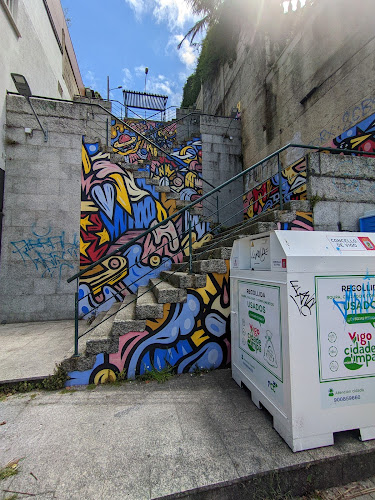
Mural de Nuno Barbedo (The Caver)

Salinae - Centro Arqueolóxico do Areal
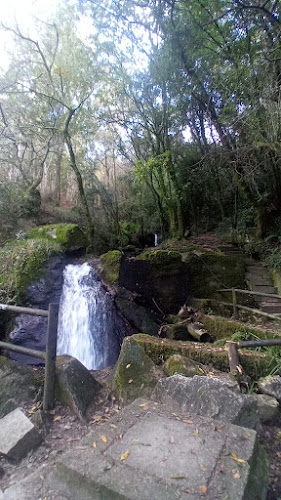
Senda da Auga
Find Accommodations Nearby
Recommended Tours & Activities
Visitor Reviews
There are no reviews yet. Be the first one to write one.
Share Your Experience
Have you visited Castro de Vigo? Help other travelers by leaving a review.