
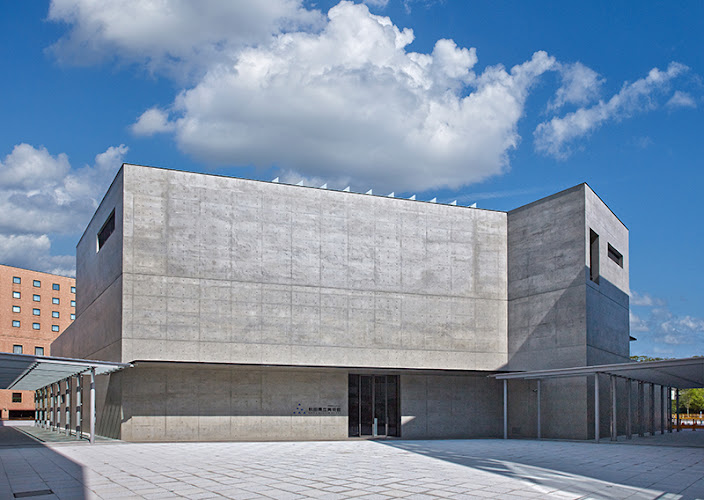
Akita Museum of Art
About Akita Museum of Art
Description
The Akita Museum of Art is a modern art space in Akita city that puts the works of Léonard Tsuguharu Foujita at its center. Focused and intentional rather than sprawling, the museum offers visitors a close, almost conversational engagement with Foujita's paintings and prints, alongside rotating exhibitions that bring other Japanese and international artists into dialogue with his work. For travelers who like their museums to tell a story, this one reads like a neat short novel: focused chapters, a few surprising twists, and a satisfying conclusion.
Foujita, who bridged Japanese and Western art worlds in the early 20th century, is the reason many people make a point of visiting. The gallery presents not only finished oil paintings but also delicate ink drawings, prints, and study works that reveal the artist's technique — the kind of behind-the-scenes material that rewards a slow, curious look. Because the museum concentrates on a particular artist and style, viewers often leave with a clearer sense of Foujita's evolving hand: his line work, his subtle color palette, and the odd modern flourish that keeps appearing in otherwise classical compositions.
Architecturally the museum reads as contemporary and calm. Its clean lines and gallery lighting are chosen to let the art sit forward, rather than to dazzle the building itself. That said, the site enjoys a pleasant visual relationship with nearby Senshu Park and the surrounding city center — so after a quiet hour with Foujita, it’s easy to step out and feel like you’ve moved from canvas to landscape without a jarring transition. For first-time visitors to Akita, the museum often becomes the sort of unexpected cultural highlight they tell friends about later: small, thoughtful, and oddly memorable.
Visitors should expect a manageable visit length. This is not a multi-hour labyrinth. Instead, it rewards attention: stand closer to examine brushstrokes, read the wall labels, and take the occasional seat in a gallery alcove to let an image settle in. The museum’s exhibitions rotate, so frequent visitors will still discover new things across different trips. Special exhibitions typically showcase related themes — printmaking techniques, interwar modernism in Japan, or regional artists connected to the prefecture — which helps situate Foujita within broader artistic currents.
Practical notes matter here because small details enhance the experience. The museum provides essential onsite services and accessible facilities, including wheelchair-friendly entrances and restrooms, accessible parking, and changing tables for families with infants. Those practicalities are not flashy, but for travelers who plan ahead, they make the visit smoother. The presence of a restroom and family facilities means the museum is genuinely friendly for people traveling with kids, or with mobility needs — and that often changes whether a place feels welcoming or merely tolerable.
Ambiance is a big part of the charm. On quieter weekdays the galleries can feel almost private; on weekends or during a well-publicized temporary exhibition, the space livens up with local school groups and travelers mixing with dedicated art buffs. People who like a contemplative museum will appreciate the generally calm vibe, though those expecting blockbuster-size crowds and theatrical displays should temper expectations. In short, the museum is quietly confident: it knows its strength is in presentation and depth rather than sheer scale.
One lesser-known facet is how the museum connects to local culture. It occasionally dovetails with Akita prefectural programs and local cultural events, providing context for Foujita’s work alongside regional art-making traditions. If the visitor times their trip right, they might see an exhibition that pairs Foujita’s modern sensibilities with traditional Akita techniques or prints by local artists — small pairings that amplify both old and new. For travelers curious about Japanese art beyond the usual big-city museums, this kind of regional framing can be unexpectedly rewarding.
Another practical aside: photography rules tend to be strict in the main galleries — and with good reason. Foujita’s delicate works, especially prints and water-based pieces, are sensitive to flash and environmental changes. Visitors who want souvenirs will usually find a small museum shop offering quality reproductions, postcards, and reasonably curated gifts. The shop is modest but thoughtful, and it often carries items tied to current exhibitions, so it’s worth a quick browse before checking out.
Timing and visitor flow matter, too. Early morning or weekday afternoons generally offer the most relaxed experience. Crowds are predictable around public holidays and during special exhibition openings, when local interest spikes. Admission policies change from time to time — special exhibitions may require a separate ticket — so travelers who prefer certainty sometimes phone ahead or check local listings a day or two before their visit. But again: the museum’s compact layout means even a shorter visit leaves a real impression, so it’s an efficient cultural stop when time is limited.
Travelers who enjoy a narrative feel to their museum experiences will find the Akita Museum of Art delivers. It’s not about seeing everything at once; it’s about noticing subtleties. A visitor who slows down will notice recurring motifs, small technical choices, and the way the curators sequence works to suggest connections. Those discoveries — the tiny "aha" moments when a background sketch illuminates a finished painting, or when a print’s texture becomes legible up close — are the museum’s quiet victories. For many, those are the kinds of memories that outlast the selfies.
Of course, the experience isn’t universally perfect: some visitors have wished for more seating, a larger café, or longer opening hours. But those are the sorts of trade-offs that come with a focused municipal museum: the intimacy that gives the art room to breathe also limits on-site amenities. For most travelers, though, those limits translate into something better: fewer distractions, more eye time with the works, and a sense that the visit was curated with thought rather than scale.
In short, the Akita Museum of Art is a focused, accessible, and quietly persuasive stop for anyone exploring Akita city. It’s particularly rewarding for travelers interested in 20th-century Japanese painters and printmakers — and for those who appreciate exhibitions that prioritize looking over spectacle. Whether the trip to the museum is a main reason to visit Akita or a convenient cultural add-on after a walk in Senshu Park, it tends to stick with people in the best way: as a compact, well-put-together place where art and thought meet without fuss.
Key Features
More Details
Updated August 29, 2025
Table of Contents
Description
The Akita Museum of Art is a modern art space in Akita city that puts the works of Léonard Tsuguharu Foujita at its center. Focused and intentional rather than sprawling, the museum offers visitors a close, almost conversational engagement with Foujita’s paintings and prints, alongside rotating exhibitions that bring other Japanese and international artists into dialogue with his work. For travelers who like their museums to tell a story, this one reads like a neat short novel: focused chapters, a few surprising twists, and a satisfying conclusion.
Foujita, who bridged Japanese and Western art worlds in the early 20th century, is the reason many people make a point of visiting. The gallery presents not only finished oil paintings but also delicate ink drawings, prints, and study works that reveal the artist’s technique — the kind of behind-the-scenes material that rewards a slow, curious look. Because the museum concentrates on a particular artist and style, viewers often leave with a clearer sense of Foujita’s evolving hand: his line work, his subtle color palette, and the odd modern flourish that keeps appearing in otherwise classical compositions.
Architecturally the museum reads as contemporary and calm. Its clean lines and gallery lighting are chosen to let the art sit forward, rather than to dazzle the building itself. That said, the site enjoys a pleasant visual relationship with nearby Senshu Park and the surrounding city center — so after a quiet hour with Foujita, it’s easy to step out and feel like you’ve moved from canvas to landscape without a jarring transition. For first-time visitors to Akita, the museum often becomes the sort of unexpected cultural highlight they tell friends about later: small, thoughtful, and oddly memorable.
Visitors should expect a manageable visit length. This is not a multi-hour labyrinth. Instead, it rewards attention: stand closer to examine brushstrokes, read the wall labels, and take the occasional seat in a gallery alcove to let an image settle in. The museum’s exhibitions rotate, so frequent visitors will still discover new things across different trips. Special exhibitions typically showcase related themes — printmaking techniques, interwar modernism in Japan, or regional artists connected to the prefecture — which helps situate Foujita within broader artistic currents.
Practical notes matter here because small details enhance the experience. The museum provides essential onsite services and accessible facilities, including wheelchair-friendly entrances and restrooms, accessible parking, and changing tables for families with infants. Those practicalities are not flashy, but for travelers who plan ahead, they make the visit smoother. The presence of a restroom and family facilities means the museum is genuinely friendly for people traveling with kids, or with mobility needs — and that often changes whether a place feels welcoming or merely tolerable.
Ambiance is a big part of the charm. On quieter weekdays the galleries can feel almost private; on weekends or during a well-publicized temporary exhibition, the space livens up with local school groups and travelers mixing with dedicated art buffs. People who like a contemplative museum will appreciate the generally calm vibe, though those expecting blockbuster-size crowds and theatrical displays should temper expectations. In short, the museum is quietly confident: it knows its strength is in presentation and depth rather than sheer scale.
One lesser-known facet is how the museum connects to local culture. It occasionally dovetails with Akita prefectural programs and local cultural events, providing context for Foujita’s work alongside regional art-making traditions. If the visitor times their trip right, they might see an exhibition that pairs Foujita’s modern sensibilities with traditional Akita techniques or prints by local artists — small pairings that amplify both old and new. For travelers curious about Japanese art beyond the usual big-city museums, this kind of regional framing can be unexpectedly rewarding.
Another practical aside: photography rules tend to be strict in the main galleries — and with good reason. Foujita’s delicate works, especially prints and water-based pieces, are sensitive to flash and environmental changes. Visitors who want souvenirs will usually find a small museum shop offering quality reproductions, postcards, and reasonably curated gifts. The shop is modest but thoughtful, and it often carries items tied to current exhibitions, so it’s worth a quick browse before checking out.
Timing and visitor flow matter, too. Early morning or weekday afternoons generally offer the most relaxed experience. Crowds are predictable around public holidays and during special exhibition openings, when local interest spikes. Admission policies change from time to time — special exhibitions may require a separate ticket — so travelers who prefer certainty sometimes phone ahead or check local listings a day or two before their visit. But again: the museum’s compact layout means even a shorter visit leaves a real impression, so it’s an efficient cultural stop when time is limited.
Travelers who enjoy a narrative feel to their museum experiences will find the Akita Museum of Art delivers. It’s not about seeing everything at once; it’s about noticing subtleties. A visitor who slows down will notice recurring motifs, small technical choices, and the way the curators sequence works to suggest connections. Those discoveries — the tiny “aha” moments when a background sketch illuminates a finished painting, or when a print’s texture becomes legible up close — are the museum’s quiet victories. For many, those are the kinds of memories that outlast the selfies.
Of course, the experience isn’t universally perfect: some visitors have wished for more seating, a larger café, or longer opening hours. But those are the sorts of trade-offs that come with a focused municipal museum: the intimacy that gives the art room to breathe also limits on-site amenities. For most travelers, though, those limits translate into something better: fewer distractions, more eye time with the works, and a sense that the visit was curated with thought rather than scale.
In short, the Akita Museum of Art is a focused, accessible, and quietly persuasive stop for anyone exploring Akita city. It’s particularly rewarding for travelers interested in 20th-century Japanese painters and printmakers — and for those who appreciate exhibitions that prioritize looking over spectacle. Whether the trip to the museum is a main reason to visit Akita or a convenient cultural add-on after a walk in Senshu Park, it tends to stick with people in the best way: as a compact, well-put-together place where art and thought meet without fuss.
Key Highlights
Akita Museum of Art
Location
Places to Stay Near Akita Museum of Art
Find and Book a Tour
Explore More Travel Guides
No reviews found! Be the first to review!
Traveler Reviews for Akita Museum of Art
There are no reviews yet. Be the first one to write one.
Have you visited Akita Museum of Art? Help other travelers by sharing your review.
You Might Also Like

Akita City Folk Arts Center (Neburinagashi-Kan)
Sekimachiushiro Arayamachi
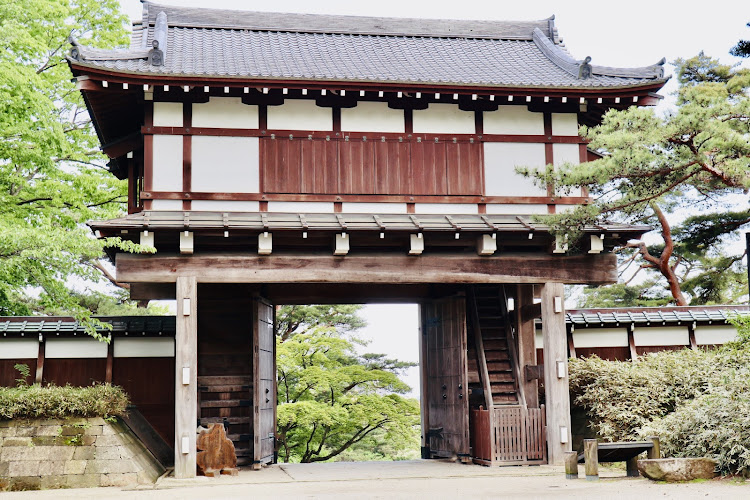
Senshū Park
Find Accommodations Nearby
Recommended Tours & Activities
Visitor Reviews
There are no reviews yet. Be the first one to write one.
Share Your Experience
Have you visited Akita Museum of Art? Help other travelers by leaving a review.