

Akita City Folk Arts Center (Neburinagashi-Kan)
About Akita City Folk Arts Center (Neburinagashi-Kan)
Description
Akita City Folk Arts Center, known locally as Neburinagashi-Kan, is one of those places that quietly surprises you. At first glance, it looks like a modern museum—clean lines, bright lights, and a calm atmosphere—but step inside and you’ll feel the heartbeat of Akita’s traditions. This isn’t just a museum; it’s a living memory of the city’s festivals, stories, and the people who’ve kept them alive for generations. The moment you walk through the doors, you’re greeted by towering Kanto lanterns—those massive poles strung with glowing paper lamps that sway in the summer breeze during the Kanto Festival. They’re breathtaking, even indoors. You can actually try lifting one yourself, which is both humbling and a bit of a workout if I’m honest. I tried once and barely managed to balance it for two seconds before realizing just how much skill it takes to perform in the real festival.
The museum opened in the early 1990s with the goal of preserving Akita’s folk performing arts. Since then, it’s become a hub for anyone curious about local culture. It’s not a flashy, high-tech place, but that’s part of its charm. Everything here feels genuine—from the old festival costumes and hand-painted floats to the videos of past performances looping on screens. There’s a warmth in the way the exhibits are presented, like the city is personally inviting you to understand its spirit. And honestly, I think that’s what makes it special. It’s not just about looking at things; it’s about feeling connected to a community that still values its traditions.
Families often wander through together, kids pointing at the lanterns or giggling as they watch the performers on screen. The staff are friendly and always ready to explain something in simple English if you look a bit lost. The whole place has an easy-going vibe—no pressure, no rush. You can take your time, soak in the atmosphere, and maybe walk away with a deeper appreciation for how festivals can shape a city’s identity. It’s not the kind of museum that tries to impress you with grandeur; it wins you over with sincerity.
Key Features
- Life-size Kanto Lantern Displays: Towering lantern poles that recreate the stunning sight of Akita’s famous Kanto Festival.
- Interactive Exhibits: Visitors can hold and balance the lanterns, giving a hands-on sense of the performers’ skill.
- Live Performances: At certain times, local artists demonstrate traditional music and dance right inside the museum.
- Multimedia Presentations: Videos and recordings showcase Akita’s folk festivals, including the Tsuchizaki Minato Float Festival and Akita Manzai.
- Accessibility: The building is fully wheelchair accessible, with ramps, accessible restrooms, and even wheelchair rentals.
- Family-Friendly Environment: Great for children and families, with open spaces and interactive displays that keep younger visitors engaged.
- Free Wi-Fi and Restrooms: Convenient amenities that make your visit comfortable and easy to plan.
One of the best parts about Neburinagashi-Kan is how approachable it feels. You don’t need to know anything about Japanese festivals to enjoy it. The exhibits do a great job of explaining the meaning behind each tradition, and even if you’re just passing through Akita, you’ll walk out feeling like you’ve learned something meaningful. I’ve been to many museums in Japan, but this one stands out because it celebrates everyday people—the performers, the families, the volunteers—who make these festivals happen year after year.
Best Time to Visit
If you’re planning to visit Akita City Folk Arts Center, timing can make a big difference. The museum is open year-round, but if you want to experience the full magic of what it represents, aim for early August. That’s when the real Kanto Festival takes place, and the entire city lights up—literally—with thousands of lanterns swaying in the night sky. The museum becomes even more meaningful during that time, as you can see the exhibits come to life just outside its doors. But if crowds aren’t your thing, visiting in the off-season is just as rewarding. You’ll have more space to explore, and the staff often have more time to chat and share stories.
Winter visits have their own appeal. Akita gets heavy snow, and there’s something poetic about stepping into a warm museum filled with glowing lanterns while the world outside is blanketed in white. It’s peaceful, almost meditative. Spring and autumn are also lovely—mild weather, fewer tourists, and a slower pace that lets you really take in the details. Personally, I’d say late spring is my favorite time. The city feels fresh, the air is crisp, and the festivals are just starting to stir again.
How to Get There
Getting to the Akita City Folk Arts Center is pretty straightforward, especially if you’re already in Akita City. From Akita Station, it’s about a 10-minute ride by taxi or a short bus trip. There are also walking routes if you enjoy exploring on foot—it takes around 20 minutes, depending on how fast you stroll (and how often you stop for photos, which, let’s be honest, will probably be often). The area around the museum is pleasant to wander through, with small shops, cafés, and a few other historical spots nearby.
If you’re coming from outside Akita, the Shinkansen from Tokyo to Akita Station takes roughly four hours. Once you arrive, local buses and taxis are easy to find. The museum is well-signposted, so even if your Japanese isn’t perfect, you won’t have trouble finding it. There’s parking available if you’re driving, and it’s accessible for people with mobility needs. I’ve driven there before—it’s a smooth trip, and parking was never an issue.
Tips for Visiting
Here’s where a little insider advice goes a long way. First, give yourself at least an hour to explore—two if you’re the kind of person who likes to read every sign and watch every video (guilty as charged). The exhibits may look small at first, but there’s a lot of depth once you start paying attention. Bring a camera, but be respectful—some areas might have restrictions on flash photography, especially during live demonstrations.
If you’re visiting with kids, encourage them to try the hands-on exhibits. The staff are patient and genuinely enjoy helping children learn about the festivals. And if you’re lucky enough to catch a live performance, don’t just watch—talk to the performers afterward. They’re often locals who’ve been part of these traditions their whole lives, and they love sharing stories. I once chatted with a performer who told me he’d been balancing Kanto lanterns since he was twelve. His pride and joy were contagious—it made me appreciate the art form even more.
Another tip: don’t rush off right after your visit. The museum is next to the Old Kaneko Family House, a beautifully preserved home from the late Edo period. It’s worth popping in to see the contrast between Akita’s old and new cultural expressions. Also, check the museum’s schedule before you go—sometimes they host special exhibitions or workshops where you can learn traditional crafts or festival chants. Those experiences are rare and make your trip feel more personal.
There’s no restaurant inside the museum, but several cafés nearby serve local dishes like kiritanpo (grilled rice skewers) and inaniwa udon. I usually grab lunch after visiting—it’s a nice way to reflect on what you’ve seen. The Wi-Fi inside is handy if you want to share photos or look up more about the festivals while you’re there. And yes, the restrooms are clean and easy to find—always a plus when traveling.
Lastly, approach your visit with curiosity rather than expectation. The Akita City Folk Arts Center isn’t about dazzling displays or high-tech exhibits. It’s about connecting with the heart of Akita—its people, its festivals, and its enduring sense of community. Whether you’re a history buff, a culture lover, or just someone who enjoys discovering hidden gems, Neburinagashi-Kan offers something quietly unforgettable. It’s one of those spots that remind you travel isn’t just about seeing new places—it’s about understanding them, even for a moment.
Key Features
- Key Features
- Best Time to Visit
- How to Get There
- Tips for Visiting
More Details
Updated November 10, 2025
Table of Contents
- Description
- Key Features
- Best Time to Visit
- How to Get There
- Tips for Visiting
- Key Highlights
- Location
- Places to Stay Near Akita City Folk Arts Center (Neburinagashi-Kan)
- Find and Book a Tour
- Explore More Travel Guides
- What this museum actually offers (beyond display cases)
- Where it sits—and what’s next door
- Practical details (hours, admission, access, accessibility)
- How to get the most from a 45–90 minute visit
- 1) Start with the orientation film
- 2) Work up through the pole sizes
- 3) Cross over to the Kaneko House
- 4) Time your visit for a demo (if in season)
- Why this museum matters if you can’t make the August festival
- Nearby add-ons for a compact city stroll
- Essential info (quick reference)
- Notes on accuracy, inclusivity, and changes
- Trip-builder takeaway
- Nearby Places You Might Like
- Traveler Reviews for Akita City Folk Arts Center (Neburinagashi-Kan)
- Share Your Experience
Description
Akita City Folk Arts Center, known locally as Neburinagashi-Kan, is one of those places that quietly surprises you. At first glance, it looks like a modern museum—clean lines, bright lights, and a calm atmosphere—but step inside and you’ll feel the heartbeat of Akita’s traditions. This isn’t just a museum; it’s a living memory of the city’s festivals, stories, and the people who’ve kept them alive for generations. The moment you walk through the doors, you’re greeted by towering Kanto lanterns—those massive poles strung with glowing paper lamps that sway in the summer breeze during the Kanto Festival. They’re breathtaking, even indoors. You can actually try lifting one yourself, which is both humbling and a bit of a workout if I’m honest. I tried once and barely managed to balance it for two seconds before realizing just how much skill it takes to perform in the real festival.
The museum opened in the early 1990s with the goal of preserving Akita’s folk performing arts. Since then, it’s become a hub for anyone curious about local culture. It’s not a flashy, high-tech place, but that’s part of its charm. Everything here feels genuine—from the old festival costumes and hand-painted floats to the videos of past performances looping on screens. There’s a warmth in the way the exhibits are presented, like the city is personally inviting you to understand its spirit. And honestly, I think that’s what makes it special. It’s not just about looking at things; it’s about feeling connected to a community that still values its traditions.
Families often wander through together, kids pointing at the lanterns or giggling as they watch the performers on screen. The staff are friendly and always ready to explain something in simple English if you look a bit lost. The whole place has an easy-going vibe—no pressure, no rush. You can take your time, soak in the atmosphere, and maybe walk away with a deeper appreciation for how festivals can shape a city’s identity. It’s not the kind of museum that tries to impress you with grandeur; it wins you over with sincerity.
Key Features
- Life-size Kanto Lantern Displays: Towering lantern poles that recreate the stunning sight of Akita’s famous Kanto Festival.
- Interactive Exhibits: Visitors can hold and balance the lanterns, giving a hands-on sense of the performers’ skill.
- Live Performances: At certain times, local artists demonstrate traditional music and dance right inside the museum.
- Multimedia Presentations: Videos and recordings showcase Akita’s folk festivals, including the Tsuchizaki Minato Float Festival and Akita Manzai.
- Accessibility: The building is fully wheelchair accessible, with ramps, accessible restrooms, and even wheelchair rentals.
- Family-Friendly Environment: Great for children and families, with open spaces and interactive displays that keep younger visitors engaged.
- Free Wi-Fi and Restrooms: Convenient amenities that make your visit comfortable and easy to plan.
One of the best parts about Neburinagashi-Kan is how approachable it feels. You don’t need to know anything about Japanese festivals to enjoy it. The exhibits do a great job of explaining the meaning behind each tradition, and even if you’re just passing through Akita, you’ll walk out feeling like you’ve learned something meaningful. I’ve been to many museums in Japan, but this one stands out because it celebrates everyday people—the performers, the families, the volunteers—who make these festivals happen year after year.
Best Time to Visit
If you’re planning to visit Akita City Folk Arts Center, timing can make a big difference. The museum is open year-round, but if you want to experience the full magic of what it represents, aim for early August. That’s when the real Kanto Festival takes place, and the entire city lights up—literally—with thousands of lanterns swaying in the night sky. The museum becomes even more meaningful during that time, as you can see the exhibits come to life just outside its doors. But if crowds aren’t your thing, visiting in the off-season is just as rewarding. You’ll have more space to explore, and the staff often have more time to chat and share stories.
Winter visits have their own appeal. Akita gets heavy snow, and there’s something poetic about stepping into a warm museum filled with glowing lanterns while the world outside is blanketed in white. It’s peaceful, almost meditative. Spring and autumn are also lovely—mild weather, fewer tourists, and a slower pace that lets you really take in the details. Personally, I’d say late spring is my favorite time. The city feels fresh, the air is crisp, and the festivals are just starting to stir again.
How to Get There
Getting to the Akita City Folk Arts Center is pretty straightforward, especially if you’re already in Akita City. From Akita Station, it’s about a 10-minute ride by taxi or a short bus trip. There are also walking routes if you enjoy exploring on foot—it takes around 20 minutes, depending on how fast you stroll (and how often you stop for photos, which, let’s be honest, will probably be often). The area around the museum is pleasant to wander through, with small shops, cafés, and a few other historical spots nearby.
If you’re coming from outside Akita, the Shinkansen from Tokyo to Akita Station takes roughly four hours. Once you arrive, local buses and taxis are easy to find. The museum is well-signposted, so even if your Japanese isn’t perfect, you won’t have trouble finding it. There’s parking available if you’re driving, and it’s accessible for people with mobility needs. I’ve driven there before—it’s a smooth trip, and parking was never an issue.
Tips for Visiting
Here’s where a little insider advice goes a long way. First, give yourself at least an hour to explore—two if you’re the kind of person who likes to read every sign and watch every video (guilty as charged). The exhibits may look small at first, but there’s a lot of depth once you start paying attention. Bring a camera, but be respectful—some areas might have restrictions on flash photography, especially during live demonstrations.
If you’re visiting with kids, encourage them to try the hands-on exhibits. The staff are patient and genuinely enjoy helping children learn about the festivals. And if you’re lucky enough to catch a live performance, don’t just watch—talk to the performers afterward. They’re often locals who’ve been part of these traditions their whole lives, and they love sharing stories. I once chatted with a performer who told me he’d been balancing Kanto lanterns since he was twelve. His pride and joy were contagious—it made me appreciate the art form even more.
Another tip: don’t rush off right after your visit. The museum is next to the Old Kaneko Family House, a beautifully preserved home from the late Edo period. It’s worth popping in to see the contrast between Akita’s old and new cultural expressions. Also, check the museum’s schedule before you go—sometimes they host special exhibitions or workshops where you can learn traditional crafts or festival chants. Those experiences are rare and make your trip feel more personal.
There’s no restaurant inside the museum, but several cafés nearby serve local dishes like kiritanpo (grilled rice skewers) and inaniwa udon. I usually grab lunch after visiting—it’s a nice way to reflect on what you’ve seen. The Wi-Fi inside is handy if you want to share photos or look up more about the festivals while you’re there. And yes, the restrooms are clean and easy to find—always a plus when traveling.
Lastly, approach your visit with curiosity rather than expectation. The Akita City Folk Arts Center isn’t about dazzling displays or high-tech exhibits. It’s about connecting with the heart of Akita—its people, its festivals, and its enduring sense of community. Whether you’re a history buff, a culture lover, or just someone who enjoys discovering hidden gems, Neburinagashi-Kan offers something quietly unforgettable. It’s one of those spots that remind you travel isn’t just about seeing new places—it’s about understanding them, even for a moment.
Key Highlights
- Key Features
- Best Time to Visit
- How to Get There
- Tips for Visiting
Location
Places to Stay Near Akita City Folk Arts Center (Neburinagashi-Kan)
Find and Book a Tour
Explore More Travel Guides
No reviews found! Be the first to review!
Neburi Nagashi Kan – Matsuri Museum in Akita
Akita City Folk Arts Center (Neburinagashi-Kan): Hands-On Gateway to the Kanto Festival
Akita’s most recognizable summer spectacle—the Kanto Festival—doesn’t vanish after August. It lives year-round inside the Akita City Folk Performing Arts Heritage Center, better known as the Neburinagashi-Kan. Here you can stand beneath towering lattices of paper lanterns, feel the balance of a bamboo kanto pole, and trace how Akita’s folk traditions evolved—from neighborhood rituals to nationally celebrated performing arts. oai_citation:0‡akita-yulala.jp
What this museum actually offers (beyond display cases)
- Life-size Kanto poles in an atrium space. The museum presents full-scale poles (some up to double-digit meters) and lantern arrays so you can appreciate their weight, sway, and the finesse required to hold them. Visitors are invited to try lifting training poles—safely—using the same core techniques performers practice (hand, shoulder, lower back, forehead). oai_citation:1‡東北の観光・旅行情報サイト「旅東北」
- Continuous multimedia about Akita’s festivals. Films and exhibits cover not only Kanto, but Tsuchizaki Minato Float Festival and Miyoshi Bonden Festival—useful context if you’re planning a Tohoku circuit. oai_citation:2‡ANA
- Weekend/holiday demonstrations (seasonal). From April–October, the Kanto Association stages a short performance and skill demo (typically 13:30–14:10 on Saturdays, Sundays, and public holidays). It’s the most reliable way to see expert sashite technique outside the August night parades. Confirm timing the week you visit, as schedules can change. oai_citation:3‡ANA
Where it sits—and what’s next door
- Address: 1-3-30 Omachi, Akita-shi, Akita 010-0921 (a straightforward city-center location). oai_citation:4‡city.akita.lg.jp
- Next door: the Former Kaneko Family House, a late-Edo merchant residence (with attached kura storehouse) that pairs nicely with the museum’s festival focus—architecture on one side, performance culture on the other. oai_citation:5‡akita-yulala.jp
Practical details (hours, admission, access, accessibility)
- Standard hours & closures: 09:30–16:30; generally closed around New Year’s. Always recheck in case of special events or temporary extensions. (For example, the city announced extended hours for a limited period in late October–early November during a nearby museum renewal—an example of how hours can shift.) oai_citation:6‡city.akita.lg.jp
- Admission: ¥130 for adults; free for high-school students and younger. Budget-friendly and quick to clear at the desk. oai_citation:7‡city.akita.lg.jp
- Getting there:
- Walk: ~15 minutes from JR Akita Station. oai_citation:8‡好運日本行(GOOD LUCK TRIP)
- Bus: Hop the “GURURU” Akita City Center Loop; get off at Tori-machi or Neburinagashi-kan-mae (the latter is essentially at the door). oai_citation:9‡akita-tourism.com
- Car: ~20 minutes from Akita Chuo IC on the expressway network. oai_citation:10‡akita-tourism.com
- Accessibility highlights: The city lists wheelchair-accessible restrooms and entrances, elevators (including wheelchair-compatible), loaner wheelchairs, and an AED on site. If anyone in your group has mobility needs, this makes the museum a low-friction stop. oai_citation:11‡city.akita.lg.jp
Keep data fresh: Hours, fees, and demo times sometimes change for events or maintenance. Verify on the official city page before you go. oai_citation:12‡city.akita.lg.jp
How to get the most from a 45–90 minute visit
1) Start with the orientation film
Take in the short video loop first. It connects the dots between lantern symbolism, rice-ear imagery, and why balance—not brute strength—defines a great sashite. You’ll read less and understand more once you’re on the floor with the poles. oai_citation:13‡ANA
2) Work up through the pole sizes
Practice with the training poles in ascending order. You’ll feel the moment arm change as length increases—the same physics that make nighttime Kanto parades so striking. Staff keep it safe and accessible for first-timers. oai_citation:14‡東北の観光・旅行情報サイト「旅東北」
3) Cross over to the Kaneko House
The adjacent historic residence gives texture: tatami rooms, merchant-house layout, and Edo-period fittings that put festival life in a daily-life frame. It’s an easy add-on; budget 15–25 minutes. oai_citation:15‡akita-yulala.jp
4) Time your visit for a demo (if in season)
If you’re in Akita April–October on a weekend or public holiday, align your visit with the 13:30 demo to watch the sashite progressions—base, back, palm, and forehead holds—at full scale. oai_citation:16‡ANA
Why this museum matters if you can’t make the August festival
- Continuity: The exhibits preserve techniques and narratives that could otherwise be experienced only four nights a year. oai_citation:17‡akita-yulala.jp
- Context: It sets Kanto within Akita’s wider festival ecology—helpful if you’re mapping a Tohoku summer route that also includes float and bonden traditions. oai_citation:18‡ANA
- Participation: Few museums let you physically test the art form. That tactile piece is what sells the experience even in winter or shoulder seasons. oai_citation:19‡東北の観光・旅行情報サイト「旅東北」
Nearby add-ons for a compact city stroll
- JR Akita Station ↔ Omachi area walk: Treat the walk as part of the visit; you’ll pass shopping streets and food options without needing another transit leg. oai_citation:20‡好運日本行(GOOD LUCK TRIP)
- Senshu Park/Kubota Castle ruins & Akita Prefectural Art Museum: Easy to combine for a half-day loop centered on culture, architecture, and city history. (They sit within the same central grid as Omachi.)
Essential info (quick reference)
- Name: Akita City Folk Performing Arts Heritage Center (Neburinagashi-Kan) / 秋田市民俗芸能伝承館(ねぶり流し館) oai_citation:21‡city.akita.lg.jp
- Address: 1-3-30 Omachi, Akita City, Akita 010-0921, Japan oai_citation:22‡city.akita.lg.jp
- Standard Hours: 09:30–16:30 (check for occasional extensions) oai_citation:23‡好運日本行(GOOD LUCK TRIP)
- Admission: Adults ¥130; high-school and under free oai_citation:24‡city.akita.lg.jp
- Access: ~15 min walk from JR Akita Station; or GURURU loop bus to Tori-machi/Neburinagashi-kan-mae; ~20 min by car from Akita Chuo IC oai_citation:25‡好運日本行(GOOD LUCK TRIP)
- Seasonal Demos: Typically Apr–Oct, Sat/Sun/public holidays, 13:30–14:10 (confirm in advance) oai_citation:26‡ANA
- Official page (for latest notices): City of Akita museum info and updates. oai_citation:27‡city.akita.lg.jp
Notes on accuracy, inclusivity, and changes
- Data currency: The city’s facility page showed an update on Mar 31, 2024 for core details (address, fees, accessibility) and later posted temporary extended hours in late Oct–early Nov 2025—a reminder that special hours happen around major city events. Always reconfirm just before visiting. oai_citation:28‡city.akita.lg.jp
- Accessibility: The site lists accessible entrances, restrooms, elevators, loaner wheelchairs, and an AED. If anyone in your party needs assistance, contact the museum to plan a smooth arrival. oai_citation:29‡city.akita.lg.jp
Trip-builder takeaway
If you’re in Akita outside festival dates, Neburinagashi-Kan is the most time-efficient way to see, learn, and safely try the techniques behind the Kanto lanterns—without crowds or late-night logistics. Pair it with the Kaneko House next door and a short Omachi-area walk, and you’ve got a compact cultural half-day that still leaves room for Senshu Park or the Akita Prefectural Art Museum afterward. oai_citation:30‡akita-yulala.jp
Factual sources used throughout are linked inline; schedules and hours can change—check the official city pages before you go. oai_citation:31‡city.akita.lg.jp
Traveler Reviews for Akita City Folk Arts Center (Neburinagashi-Kan)
There are no reviews yet. Be the first one to write one.
Have you visited Akita City Folk Arts Center (Neburinagashi-Kan)? Help other travelers by sharing your review.
You Might Also Like
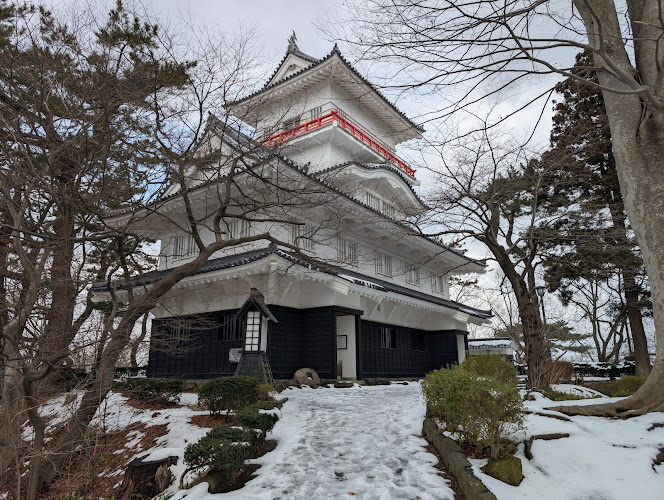
Turret of Kubota Castle

Iyataka Shrine

Akita Castle Ruins
Find Accommodations Nearby
Recommended Tours & Activities
Visitor Reviews
There are no reviews yet. Be the first one to write one.
Share Your Experience
Have you visited Akita City Folk Arts Center (Neburinagashi-Kan)? Help other travelers by leaving a review.