
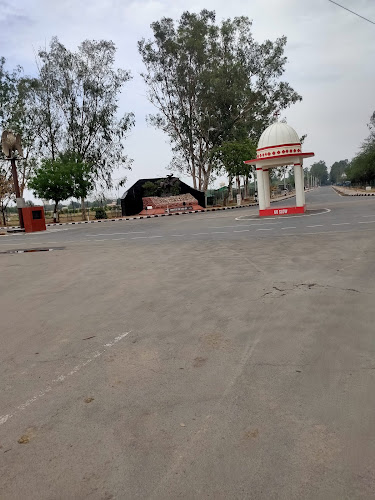
Hisar Cantt
About Hisar Cantt
Description
Hisar Cantt, located in the heart of Hisar district in Haryana, is one of those places that quietly surprises you. It’s not the kind of spot that shouts for attention, but once you’ve been there, it lingers in your memory for all the right reasons. Established during the British era, the cantonment has grown into a well-organized, green, and historically rich area that still retains an old-world charm. It’s a place where the hum of military discipline meets the laid-back rhythm of small-town life, creating a unique atmosphere that travelers often find refreshing.
Walking through the tree-lined roads, you’ll notice how clean and calm everything feels. The air seems different—lighter, somehow. There’s a sense of order, but also warmth. Hisar Cantt isn’t just about barracks and drills; it’s about the people who live there, the stories they carry, and the way the community thrives together. Locals often talk about how the cantonment has preserved its heritage while adapting to modern times. You can see it in the architecture—colonial-era bungalows standing proudly beside new, well-maintained quarters. It’s like time decided to take a leisurely stroll here.
For travelers, Hisar Cantt offers a peek into a quieter, more disciplined side of India that often goes unnoticed in the chaos of big cities. You won’t find flashy tourist traps here, but you’ll find authenticity—something that’s becoming rare. The markets nearby have a mix of military precision and local flavor, and if you’re lucky enough to chat with a few residents, you’ll hear fascinating tales of the cantonment’s past and its role in shaping the region. It’s a place that rewards curiosity and patience.
Key Features
- Rich historical background dating back to the British colonial period.
- Extensive greenery and well-maintained roads make it ideal for morning walks or cycling.
- Presence of military establishments that give the area a sense of order and safety.
- Blend of old colonial architecture and new infrastructure.
- Proximity to Hisar city’s main attractions, including parks, museums, and local eateries.
- Friendly local community with a strong sense of discipline and hospitality.
- Relatively low noise and traffic levels compared to urban centers.
Best Time to Visit
Now, this is something I learned the hard way—summer in Hisar can be brutal. We’re talking about temperatures soaring above 40°C, and even the locals prefer staying indoors during the afternoons. If you want to actually enjoy walking around the cantonment, plan your trip between October and March. The weather is much more forgiving then. The mornings are crisp, and evenings often come with a soft breeze that makes strolling around a delight.
Winter brings out the best of Hisar Cantt. The trees seem greener, the streets livelier, and there’s a certain calmness in the air. I remember sipping a cup of hot chai at a small stall near the entrance gate one chilly morning, watching soldiers march by—it felt cinematic, honestly. If you’re into photography, this is the time to visit; the soft winter light makes everything look a bit more magical.
How to Get There
Getting to Hisar Cantt isn’t complicated, but it does require a little planning. Hisar city is well-connected by road and rail, and the cantonment lies just a short distance from the main town area. If you’re coming from Delhi, the drive takes around four to five hours, depending on traffic. The highway is in decent condition, though I’d recommend starting early to avoid the midday rush.
For those who prefer trains, Hisar Junction is the nearest major station, with regular connections from Delhi, Bhiwani, and Rohtak. From the station, you can grab an auto-rickshaw or a local taxi to reach the cantonment. If you’re flying in, the nearest operational airport is in Chandigarh or Delhi, from where you can take a connecting train or hire a cab. The journey may sound long, but it’s worth it once you see those tree-lined avenues welcoming you.
And here’s a small tip—if you’re driving, keep an eye out for the small eateries along the way. There’s a dhaba near Hansi that serves some of the best parathas I’ve ever had. It’s the kind of stop that makes road trips memorable.
Tips for Visiting
Visiting a cantonment area is a bit different from visiting a regular tourist spot. There are rules, and it’s important to respect them. Always carry valid ID proof; you might need it at certain checkpoints. Photography is restricted in some parts, especially near military installations, so ask before you click. Trust me, it’s better to be cautious than have an uncomfortable conversation with the guards.
Wear comfortable shoes because you’ll end up walking more than you expect. The roads are long and shaded, perfect for leisurely strolls. If you’re visiting during winter, pack a light jacket. The mornings can be chilly, but afternoons warm up nicely. Summers, on the other hand, demand sunscreen, a hat, and lots of water. Hydration is key—you’ll thank yourself later.
One thing I always tell fellow travelers is to take time to talk to the locals. Many of them have lived here for generations and have fascinating stories about how the cantonment evolved over the decades. You’ll learn things no guidebook can tell you. And if you get invited for a cup of tea, don’t say no. Hospitality here is genuine, and those small interactions often turn into your favorite memories.
Also, don’t rush your visit. Hisar Cantt isn’t about ticking off attractions—it’s about soaking in the atmosphere. Sit under a tree, watch the steady rhythm of life, and maybe even jot down a few thoughts in your travel journal. You’ll find a strange peace here, the kind that modern life rarely offers.
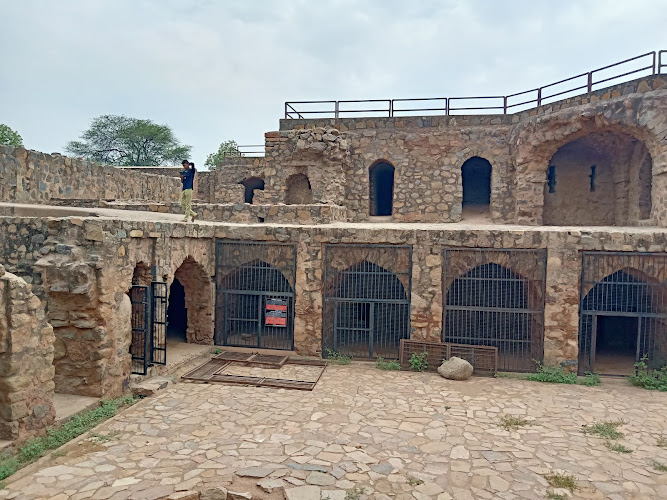
Lastly, if you’re planning to explore nearby spots, keep a day aside for the Firoz Shah Palace Complex and the Devi Bhawan Temple in Hisar city. They’re not far from the cantonment and give you a deeper sense of the region’s history and culture. Combine that with a walk through the cantonment, and you’ve got yourself a well-rounded experience—one that’s both educational and rejuvenating.
In the end, Hisar Cantt is more than just a military area—it’s a living, breathing piece of history that continues to evolve. It’s the kind of place that doesn’t try too hard to impress but still leaves a mark. And if you’re the kind of traveler who values authenticity over glamour, you’ll find yourself coming back here, maybe not physically, but in your thoughts every now and then. Because some places don’t need grand monuments or flashy attractions—they just need to be felt.
Key Features
- Rich historical background dating back to the British colonial period.
- Extensive greenery and well-maintained roads make it ideal for morning walks or cycling.
- Presence of military establishments that give the area a sense of order and safety.
- Blend of old colonial architecture and new infrastructure.
- Proximity to Hisar city’s main attractions, including parks, museums, and local eateries.
- Friendly local community with a strong sense of discipline and hospitality.
- Relatively low noise and traffic levels compared to urban centers.
More Details
Updated November 10, 2025
Table of Contents
Description
Hisar Cantt, located in the heart of Hisar district in Haryana, is one of those places that quietly surprises you. It’s not the kind of spot that shouts for attention, but once you’ve been there, it lingers in your memory for all the right reasons. Established during the British era, the cantonment has grown into a well-organized, green, and historically rich area that still retains an old-world charm. It’s a place where the hum of military discipline meets the laid-back rhythm of small-town life, creating a unique atmosphere that travelers often find refreshing.
Walking through the tree-lined roads, you’ll notice how clean and calm everything feels. The air seems different—lighter, somehow. There’s a sense of order, but also warmth. Hisar Cantt isn’t just about barracks and drills; it’s about the people who live there, the stories they carry, and the way the community thrives together. Locals often talk about how the cantonment has preserved its heritage while adapting to modern times. You can see it in the architecture—colonial-era bungalows standing proudly beside new, well-maintained quarters. It’s like time decided to take a leisurely stroll here.
For travelers, Hisar Cantt offers a peek into a quieter, more disciplined side of India that often goes unnoticed in the chaos of big cities. You won’t find flashy tourist traps here, but you’ll find authenticity—something that’s becoming rare. The markets nearby have a mix of military precision and local flavor, and if you’re lucky enough to chat with a few residents, you’ll hear fascinating tales of the cantonment’s past and its role in shaping the region. It’s a place that rewards curiosity and patience.
Key Features
- Rich historical background dating back to the British colonial period.
- Extensive greenery and well-maintained roads make it ideal for morning walks or cycling.
- Presence of military establishments that give the area a sense of order and safety.
- Blend of old colonial architecture and new infrastructure.
- Proximity to Hisar city’s main attractions, including parks, museums, and local eateries.
- Friendly local community with a strong sense of discipline and hospitality.
- Relatively low noise and traffic levels compared to urban centers.
Best Time to Visit
Now, this is something I learned the hard way—summer in Hisar can be brutal. We’re talking about temperatures soaring above 40°C, and even the locals prefer staying indoors during the afternoons. If you want to actually enjoy walking around the cantonment, plan your trip between October and March. The weather is much more forgiving then. The mornings are crisp, and evenings often come with a soft breeze that makes strolling around a delight.
Winter brings out the best of Hisar Cantt. The trees seem greener, the streets livelier, and there’s a certain calmness in the air. I remember sipping a cup of hot chai at a small stall near the entrance gate one chilly morning, watching soldiers march by—it felt cinematic, honestly. If you’re into photography, this is the time to visit; the soft winter light makes everything look a bit more magical.
How to Get There
Getting to Hisar Cantt isn’t complicated, but it does require a little planning. Hisar city is well-connected by road and rail, and the cantonment lies just a short distance from the main town area. If you’re coming from Delhi, the drive takes around four to five hours, depending on traffic. The highway is in decent condition, though I’d recommend starting early to avoid the midday rush.
For those who prefer trains, Hisar Junction is the nearest major station, with regular connections from Delhi, Bhiwani, and Rohtak. From the station, you can grab an auto-rickshaw or a local taxi to reach the cantonment. If you’re flying in, the nearest operational airport is in Chandigarh or Delhi, from where you can take a connecting train or hire a cab. The journey may sound long, but it’s worth it once you see those tree-lined avenues welcoming you.
And here’s a small tip—if you’re driving, keep an eye out for the small eateries along the way. There’s a dhaba near Hansi that serves some of the best parathas I’ve ever had. It’s the kind of stop that makes road trips memorable.
Tips for Visiting
Visiting a cantonment area is a bit different from visiting a regular tourist spot. There are rules, and it’s important to respect them. Always carry valid ID proof; you might need it at certain checkpoints. Photography is restricted in some parts, especially near military installations, so ask before you click. Trust me, it’s better to be cautious than have an uncomfortable conversation with the guards.
Wear comfortable shoes because you’ll end up walking more than you expect. The roads are long and shaded, perfect for leisurely strolls. If you’re visiting during winter, pack a light jacket. The mornings can be chilly, but afternoons warm up nicely. Summers, on the other hand, demand sunscreen, a hat, and lots of water. Hydration is key—you’ll thank yourself later.
One thing I always tell fellow travelers is to take time to talk to the locals. Many of them have lived here for generations and have fascinating stories about how the cantonment evolved over the decades. You’ll learn things no guidebook can tell you. And if you get invited for a cup of tea, don’t say no. Hospitality here is genuine, and those small interactions often turn into your favorite memories.
Also, don’t rush your visit. Hisar Cantt isn’t about ticking off attractions—it’s about soaking in the atmosphere. Sit under a tree, watch the steady rhythm of life, and maybe even jot down a few thoughts in your travel journal. You’ll find a strange peace here, the kind that modern life rarely offers.
Lastly, if you’re planning to explore nearby spots, keep a day aside for the Firoz Shah Palace Complex and the Devi Bhawan Temple in Hisar city. They’re not far from the cantonment and give you a deeper sense of the region’s history and culture. Combine that with a walk through the cantonment, and you’ve got yourself a well-rounded experience—one that’s both educational and rejuvenating.
In the end, Hisar Cantt is more than just a military area—it’s a living, breathing piece of history that continues to evolve. It’s the kind of place that doesn’t try too hard to impress but still leaves a mark. And if you’re the kind of traveler who values authenticity over glamour, you’ll find yourself coming back here, maybe not physically, but in your thoughts every now and then. Because some places don’t need grand monuments or flashy attractions—they just need to be felt.
Key Highlights
- Rich historical background dating back to the British colonial period.
- Extensive greenery and well-maintained roads make it ideal for morning walks or cycling.
- Presence of military establishments that give the area a sense of order and safety.
- Blend of old colonial architecture and new infrastructure.
- Proximity to Hisar city’s main attractions, including parks, museums, and local eateries.
- Friendly local community with a strong sense of discipline and hospitality.
- Relatively low noise and traffic levels compared to urban centers.
Location
Places to Stay Near Hisar Cantt
Find and Book a Tour
Explore More Travel Guides
No reviews found! Be the first to review!
Traveler Reviews for Hisar Cantt
There are no reviews yet. Be the first one to write one.
Have you visited Hisar Cantt? Help other travelers by sharing your review.
You Might Also Like
Madhuban Park
The Heritage Park
Firoz Shah Palace Complex
Find Accommodations Nearby
Recommended Tours & Activities
Visitor Reviews
There are no reviews yet. Be the first one to write one.
Share Your Experience
Have you visited Hisar Cantt? Help other travelers by leaving a review.