
Haryana Agricultural University
About Haryana Agricultural University
Description
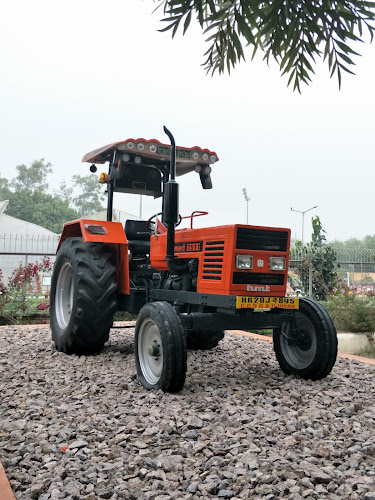
Chaudhary Charan Singh Haryana Agricultural University, often called HAU by locals, is one of those places that surprises you the moment you step inside. Located in Hisar, Haryana, this sprawling green campus isn’t just a university—it feels like a small city dedicated to agriculture, science, and the rhythm of rural life. It’s one of Asia’s largest agricultural universities, and honestly, it’s hard not to be impressed by its sheer size and the calm that hangs in the air. I remember my first visit here—walking through tree-lined avenues, hearing the distant chatter of students, and the faint hum of tractors from the experimental farms. It’s a place that blends learning with the land itself, and that makes it special.
For travelers, especially those curious about India’s agricultural backbone, HAU offers a unique glimpse into how education and farming intertwine. The university isn’t your typical tourist spot with flashy attractions, but that’s exactly what makes it worth visiting. It’s authentic, grounded, and full of quiet stories about innovation, sustainability, and the people who keep India’s fields alive. The museum inside the campus, the lush gardens, and the research farms are all open to visitors who want to see agriculture from a closer lens. And if you’re someone who enjoys photography, the early morning light here is something else—soft, golden, and perfect for capturing the endless rows of crops or the red-brick facades of the old buildings.
The atmosphere is peaceful, almost meditative. You’ll spot students cycling around, professors deep in discussion, and farmers attending training sessions. There’s a sense of purpose in the air, but it’s not rushed. It’s the kind of place that makes you slow down, breathe, and maybe think a little about how food reaches your plate. And if you’re lucky, you might even catch one of the agricultural fairs or exhibitions—they’re colorful, lively, and full of local flavor.
Key Features
- Asia’s Largest Agricultural University: Spread over 8,600 acres, the campus is massive—complete with research farms, hostels, auditoriums, and even its own radio station.
- Rural Museum: A must-visit for travelers interested in Haryana’s cultural and agricultural heritage. It showcases traditional tools, rural crafts, and farming techniques that tell stories of generations past.
- Research and Innovation: The university is a pioneer in crop research and sustainable farming methods, making it a hub for agricultural advancements in India.
- Green Campus: With endless greenery, botanical gardens, and experimental fields, it’s a paradise for nature lovers and photographers alike.
- Educational Tours: Visitors can often join guided tours that explain the university’s research projects and agricultural practices.
- Peaceful Ambience: Despite being an academic hub, the campus feels serene and away from the rush of city life—perfect for those seeking some calm exploration.
What I love most about HAU is how it doesn’t try too hard to impress. It’s not polished in a touristy way, but it’s deeply genuine. You can feel the heart of Haryana here—its earthy simplicity, its connection to the land, and its quiet pride in progress.
Best Time to Visit
If you ask me, the best time to visit Haryana Agricultural University is between October and March. The weather during these months is pleasant, with crisp mornings and mild afternoons—perfect for walking around the vast campus without melting under the sun. The winter air in Hisar carries a certain freshness, and the fields around the university are often lush and green.
Summer, on the other hand, can be quite harsh. Hisar gets pretty hot, sometimes touching 45°C, so if you’re not used to that kind of heat, it might be a bit much. Monsoon season (July to September) brings a different charm though—the fields turn vibrant, and the earthy smell after rain is something you won’t forget. But the best bet for most travelers is definitely the cooler months.
If you’re into photography or just want to experience the campus at its most lively, plan your trip around one of the agricultural fairs or exhibitions that usually happen in the winter. The energy during those times is infectious—farmers, students, and researchers all come together in a celebration of agriculture and innovation.
How to Get There
Getting to HAU is relatively straightforward. Hisar is well-connected by road and rail, making it accessible from most major cities in northern India. The nearest big city is Delhi, about 170 kilometers away, and the drive takes roughly four to five hours depending on traffic. The roads are pretty decent, and if you love road trips, it’s actually a pleasant journey through Haryana’s countryside.
If you prefer the train, Hisar Railway Station is just a short drive from the university. There are several daily trains from Delhi, Chandigarh, and other nearby cities. For those flying in, the nearest major airport is in Delhi, though Hisar has a small domestic airport that occasionally operates regional flights.
Once you reach Hisar, local transport options like auto-rickshaws, taxis, and even shared e-rickshaws can get you to the campus easily. The university is a well-known landmark, so you won’t have trouble finding it. And honestly, once you’re there, walking or cycling around the campus is the best way to explore—it’s huge, but every corner has something worth seeing.
Tips for Visiting
A few things I’ve learned from my own visits (and a few mistakes along the way) might help you make the most of your trip to HAU.
- Wear comfortable shoes: The campus is enormous, and you’ll be walking quite a bit. Trust me, your feet will thank you later.
- Carry water and sunscreen: Especially if you’re visiting during warmer months. The sun in Hisar can be intense.
- Respect academic spaces: Remember, it’s an active university. Some areas are restricted to students and staff, so be mindful of where you wander.
- Check for events: Before your visit, see if there’s a fair, exhibition, or training program happening. These events are great for meeting locals and learning more about Haryana’s agricultural scene.
- Photography: You can take photos freely in most outdoor areas, but always ask before clicking pictures inside buildings or research zones.
- Talk to people: The students and staff are friendly and often happy to share insights about their work. A short chat can turn into a fascinating story about crop science or rural innovation.
One of my favorite memories from HAU was sitting under a huge banyan tree near the Rural Museum, chatting with an elderly farmer who had come for a training program. He spoke about how the university had changed farming practices in his village, and there was this quiet pride in his voice. That’s the kind of experience you can’t plan—it just happens when you take the time to slow down and connect.
If you’re traveling with kids or students, HAU can be a surprisingly educational stop. The museum and botanical gardens are engaging and informative, and the open spaces are perfect for a relaxed picnic. Just remember to keep the place clean—it’s a functioning educational institution, and maintaining its serenity is part of the charm.
In short, Haryana Agricultural University isn’t just a destination—it’s an experience. It’s where science meets soil, where tradition meets innovation, and where every visitor walks away with a deeper appreciation for the land and the people who nurture it. Whether you’re a traveler seeking something different, a student of life, or just someone who loves green spaces and good stories, HAU in Hisar is worth your time.
Key Features
- Key Features
- Best Time to Visit
- How to Get There
- Tips for Visiting
More Details
Updated November 10, 2025
Table of Contents
Description
Chaudhary Charan Singh Haryana Agricultural University, often called HAU by locals, is one of those places that surprises you the moment you step inside. Located in Hisar, Haryana, this sprawling green campus isn’t just a university—it feels like a small city dedicated to agriculture, science, and the rhythm of rural life. It’s one of Asia’s largest agricultural universities, and honestly, it’s hard not to be impressed by its sheer size and the calm that hangs in the air. I remember my first visit here—walking through tree-lined avenues, hearing the distant chatter of students, and the faint hum of tractors from the experimental farms. It’s a place that blends learning with the land itself, and that makes it special.
For travelers, especially those curious about India’s agricultural backbone, HAU offers a unique glimpse into how education and farming intertwine. The university isn’t your typical tourist spot with flashy attractions, but that’s exactly what makes it worth visiting. It’s authentic, grounded, and full of quiet stories about innovation, sustainability, and the people who keep India’s fields alive. The museum inside the campus, the lush gardens, and the research farms are all open to visitors who want to see agriculture from a closer lens. And if you’re someone who enjoys photography, the early morning light here is something else—soft, golden, and perfect for capturing the endless rows of crops or the red-brick facades of the old buildings.
The atmosphere is peaceful, almost meditative. You’ll spot students cycling around, professors deep in discussion, and farmers attending training sessions. There’s a sense of purpose in the air, but it’s not rushed. It’s the kind of place that makes you slow down, breathe, and maybe think a little about how food reaches your plate. And if you’re lucky, you might even catch one of the agricultural fairs or exhibitions—they’re colorful, lively, and full of local flavor.
Key Features
- Asia’s Largest Agricultural University: Spread over 8,600 acres, the campus is massive—complete with research farms, hostels, auditoriums, and even its own radio station.
- Rural Museum: A must-visit for travelers interested in Haryana’s cultural and agricultural heritage. It showcases traditional tools, rural crafts, and farming techniques that tell stories of generations past.
- Research and Innovation: The university is a pioneer in crop research and sustainable farming methods, making it a hub for agricultural advancements in India.
- Green Campus: With endless greenery, botanical gardens, and experimental fields, it’s a paradise for nature lovers and photographers alike.
- Educational Tours: Visitors can often join guided tours that explain the university’s research projects and agricultural practices.
- Peaceful Ambience: Despite being an academic hub, the campus feels serene and away from the rush of city life—perfect for those seeking some calm exploration.
What I love most about HAU is how it doesn’t try too hard to impress. It’s not polished in a touristy way, but it’s deeply genuine. You can feel the heart of Haryana here—its earthy simplicity, its connection to the land, and its quiet pride in progress.
Best Time to Visit
If you ask me, the best time to visit Haryana Agricultural University is between October and March. The weather during these months is pleasant, with crisp mornings and mild afternoons—perfect for walking around the vast campus without melting under the sun. The winter air in Hisar carries a certain freshness, and the fields around the university are often lush and green.
Summer, on the other hand, can be quite harsh. Hisar gets pretty hot, sometimes touching 45°C, so if you’re not used to that kind of heat, it might be a bit much. Monsoon season (July to September) brings a different charm though—the fields turn vibrant, and the earthy smell after rain is something you won’t forget. But the best bet for most travelers is definitely the cooler months.
If you’re into photography or just want to experience the campus at its most lively, plan your trip around one of the agricultural fairs or exhibitions that usually happen in the winter. The energy during those times is infectious—farmers, students, and researchers all come together in a celebration of agriculture and innovation.
How to Get There
Getting to HAU is relatively straightforward. Hisar is well-connected by road and rail, making it accessible from most major cities in northern India. The nearest big city is Delhi, about 170 kilometers away, and the drive takes roughly four to five hours depending on traffic. The roads are pretty decent, and if you love road trips, it’s actually a pleasant journey through Haryana’s countryside.
If you prefer the train, Hisar Railway Station is just a short drive from the university. There are several daily trains from Delhi, Chandigarh, and other nearby cities. For those flying in, the nearest major airport is in Delhi, though Hisar has a small domestic airport that occasionally operates regional flights.
Once you reach Hisar, local transport options like auto-rickshaws, taxis, and even shared e-rickshaws can get you to the campus easily. The university is a well-known landmark, so you won’t have trouble finding it. And honestly, once you’re there, walking or cycling around the campus is the best way to explore—it’s huge, but every corner has something worth seeing.
Tips for Visiting
A few things I’ve learned from my own visits (and a few mistakes along the way) might help you make the most of your trip to HAU.
- Wear comfortable shoes: The campus is enormous, and you’ll be walking quite a bit. Trust me, your feet will thank you later.
- Carry water and sunscreen: Especially if you’re visiting during warmer months. The sun in Hisar can be intense.
- Respect academic spaces: Remember, it’s an active university. Some areas are restricted to students and staff, so be mindful of where you wander.
- Check for events: Before your visit, see if there’s a fair, exhibition, or training program happening. These events are great for meeting locals and learning more about Haryana’s agricultural scene.
- Photography: You can take photos freely in most outdoor areas, but always ask before clicking pictures inside buildings or research zones.
- Talk to people: The students and staff are friendly and often happy to share insights about their work. A short chat can turn into a fascinating story about crop science or rural innovation.
One of my favorite memories from HAU was sitting under a huge banyan tree near the Rural Museum, chatting with an elderly farmer who had come for a training program. He spoke about how the university had changed farming practices in his village, and there was this quiet pride in his voice. That’s the kind of experience you can’t plan—it just happens when you take the time to slow down and connect.
If you’re traveling with kids or students, HAU can be a surprisingly educational stop. The museum and botanical gardens are engaging and informative, and the open spaces are perfect for a relaxed picnic. Just remember to keep the place clean—it’s a functioning educational institution, and maintaining its serenity is part of the charm.
In short, Haryana Agricultural University isn’t just a destination—it’s an experience. It’s where science meets soil, where tradition meets innovation, and where every visitor walks away with a deeper appreciation for the land and the people who nurture it. Whether you’re a traveler seeking something different, a student of life, or just someone who loves green spaces and good stories, HAU in Hisar is worth your time.
Key Highlights
- Key Features
- Best Time to Visit
- How to Get There
- Tips for Visiting
Location
Places to Stay Near Haryana Agricultural University
Find and Book a Tour
Explore More Travel Guides
No reviews found! Be the first to review!
Traveler Reviews for Haryana Agricultural University
There are no reviews yet. Be the first one to write one.
Have you visited Haryana Agricultural University? Help other travelers by sharing your review.
You Might Also Like
Lajpat Nagar Hisar
Jiyo gita shanti van park
Sector 5
Find Accommodations Nearby
Recommended Tours & Activities
Visitor Reviews
There are no reviews yet. Be the first one to write one.
Share Your Experience
Have you visited Haryana Agricultural University? Help other travelers by leaving a review.