
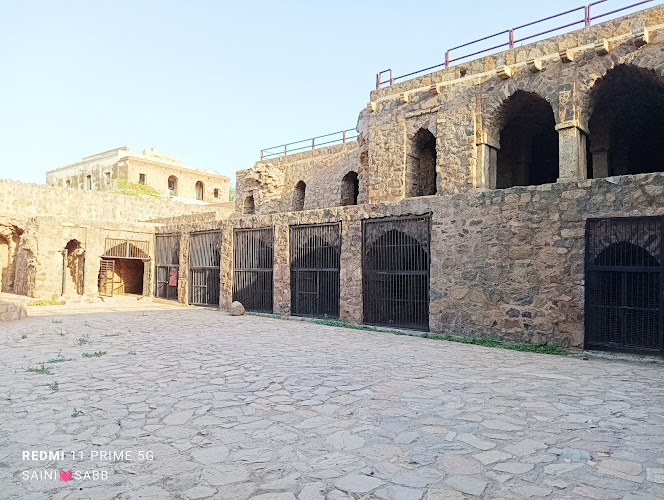
Gujri mahal small part
About Gujri mahal small part
Description
Gujri Mahal in Hisar is one of those places that quietly draws you in, not with grand fanfare but with a sense of history that hangs in the air. Built during the 14th century by Firoz Shah Tughlaq for his beloved Gujri Rani, this palace tells a story that’s part romance, part architectural marvel, and entirely fascinating. The first time one steps through its old arches, there’s this almost tangible connection to the past — like the walls still whisper the laughter and footsteps of those who once lived here.
The structure is a fine example of Tughlaq-era architecture — sturdy, simple, yet elegant in its own austere way. The square layout, with three developed arches on each side, gives it a balanced symmetry that’s oddly satisfying to look at. And the underground chambers? They’re a reminder of how advanced the builders were, thinking of temperature control long before air conditioning was even a concept. It’s not a massive fort or a sprawling palace, but that’s what makes it special. It’s intimate, human-sized, and surprisingly peaceful, even when a few tourists are milling about.
Now, not every visitor walks away utterly spellbound — some find it modest compared to bigger historical sites. But for those who appreciate subtlety, craftsmanship, and the stories etched into stone, Gujri Mahal is a quiet gem. It’s also a great spot for kids to explore, especially if you’re trying to introduce them to history without overwhelming them with crowds or long queues. I remember watching a little boy there once, chasing pigeons across the courtyard while his father pointed out the old carvings. It’s that kind of place — where history feels approachable, almost friendly.
There’s something grounding about standing in a place that’s seen centuries pass, yet still stands tall. The palace might not be in perfect condition — a few corners show the wear of time — but that’s part of its charm. It feels real, not polished or staged. And if you happen to visit on a quiet afternoon, you might even catch the soft hum of the wind weaving through the arches, carrying stories from another age.
Key Features
- Built by Firoz Shah Tughlaq in the 14th century for his beloved Gujri Rani
- Distinct square layout with three arches on each side, typical of Tughlaq architecture
- High plinth with open stairs leading to a baradari (pavilion)
- Underground chambers designed for natural cooling during hot summers
- Peaceful atmosphere ideal for families and history enthusiasts
- Offers insights into the architectural and cultural legacy of medieval Hisar
- Less crowded compared to other historical landmarks, allowing for quiet exploration
Best Time to Visit
If you ask me, the best time to explore Gujri Mahal is between October and March. The weather in Hisar during these months is pleasant enough to stroll around without feeling like you’re melting under the sun. The mild winter breeze adds a certain charm to the visit — perfect for slow walks, taking photographs, or just sitting on the stone ledges watching the light change as the day goes by.
Summer, on the other hand, can be intense here. The stone structure tends to soak up heat, making midday visits a bit of a challenge. But if you’re an early riser, a morning visit even in summer can be surprisingly refreshing. The palace glows softly in the early light, and you might even have the whole place to yourself — which is a rare treat.
Monsoon season brings its own mood. The damp air and the scent of wet earth give the old walls a darker hue, and the palace seems to breathe differently. It’s not everyone’s favorite time to travel, but for those who love a bit of drama in their photos, it’s worth considering.
How to Get There
Reaching Gujri Mahal isn’t complicated, which makes it a great stop for travelers exploring Haryana. Hisar is well-connected by road and rail to major cities like Delhi, Chandigarh, and Jaipur. If you’re driving, the highways are in decent condition — though, fair warning, traffic can get a bit unpredictable near city limits.
Once you’re in Hisar, local transport options like auto-rickshaws and cabs can easily take you to the site. It’s located in a fairly central area, so you won’t have to navigate confusing backroads or long walks. I once took a local rickshaw there, and the driver, an elderly man, shared stories of how he used to play around the palace as a kid — it’s those little local connections that make the experience richer.
For those relying on public transport, buses to Hisar run regularly from nearby towns. The railway station is just a short ride away from the palace, making it convenient for day trips. If you’re planning a longer stay, there are plenty of hotels and guesthouses around the city that cater to all kinds of travelers — from budget explorers to comfort seekers.
Tips for Visiting
Visiting Gujri Mahal is not just about seeing an old building — it’s about feeling its quiet dignity. Here are a few tips to make your visit more enjoyable and meaningful:
- Go early: Morning light brings out the texture of the stone beautifully, and you’ll avoid the midday heat.
- Wear comfortable shoes: The steps and uneven flooring can be tricky, especially if you’re exploring with kids.
- Bring water: There aren’t many shops nearby, so it’s best to carry your own bottle.
- Take your time: Don’t rush through. Sit for a while, listen to the echoes, and imagine what life might have been like centuries ago.
- Photography: The arches and shadows make for stunning photos. Try capturing them during golden hour for that soft, magical glow.
- Local insights: Chat with locals if you get the chance — they often know little details or stories that you won’t find in guidebooks.
- Respect the site: It’s a piece of living history. Avoid touching delicate carvings or leaving litter behind.
And here’s a small personal note — take a journal or sketchbook with you. There’s something about sitting in a centuries-old courtyard, pen in hand, that sparks creativity. I once jotted down a few lines there that later turned into a short poem. Maybe you’ll find your own inspiration too.
Gujri Mahal might not be the grandest or most famous monument in India, but it has a soul. It’s the kind of place that reminds you history isn’t just about kings and wars — it’s about love, craftsmanship, and the passage of time. Whether you’re a history buff, a photographer, or just someone looking for a quiet afternoon surrounded by stories from the past, this small part of Hisar’s heritage is worth your time.
So, when you plan your next trip through Haryana, keep Gujri Mahal on your list. It’s not loud or flashy, but it stays with you — in the way only truly timeless places can.
Key Features
- Built by Firoz Shah Tughlaq in the 14th century for his beloved Gujri Rani
- Distinct square layout with three arches on each side, typical of Tughlaq architecture
- High plinth with open stairs leading to a baradari (pavilion)
- Underground chambers designed for natural cooling during hot summers
- Peaceful atmosphere ideal for families and history enthusiasts
- Offers insights into the architectural and cultural legacy of medieval Hisar
- Less crowded compared to other historical landmarks, allowing for quiet exploration
More Details
Updated November 10, 2025
Table of Contents
Description
Gujri Mahal in Hisar is one of those places that quietly draws you in, not with grand fanfare but with a sense of history that hangs in the air. Built during the 14th century by Firoz Shah Tughlaq for his beloved Gujri Rani, this palace tells a story that’s part romance, part architectural marvel, and entirely fascinating. The first time one steps through its old arches, there’s this almost tangible connection to the past — like the walls still whisper the laughter and footsteps of those who once lived here.
The structure is a fine example of Tughlaq-era architecture — sturdy, simple, yet elegant in its own austere way. The square layout, with three developed arches on each side, gives it a balanced symmetry that’s oddly satisfying to look at. And the underground chambers? They’re a reminder of how advanced the builders were, thinking of temperature control long before air conditioning was even a concept. It’s not a massive fort or a sprawling palace, but that’s what makes it special. It’s intimate, human-sized, and surprisingly peaceful, even when a few tourists are milling about.
Now, not every visitor walks away utterly spellbound — some find it modest compared to bigger historical sites. But for those who appreciate subtlety, craftsmanship, and the stories etched into stone, Gujri Mahal is a quiet gem. It’s also a great spot for kids to explore, especially if you’re trying to introduce them to history without overwhelming them with crowds or long queues. I remember watching a little boy there once, chasing pigeons across the courtyard while his father pointed out the old carvings. It’s that kind of place — where history feels approachable, almost friendly.
There’s something grounding about standing in a place that’s seen centuries pass, yet still stands tall. The palace might not be in perfect condition — a few corners show the wear of time — but that’s part of its charm. It feels real, not polished or staged. And if you happen to visit on a quiet afternoon, you might even catch the soft hum of the wind weaving through the arches, carrying stories from another age.
Key Features
- Built by Firoz Shah Tughlaq in the 14th century for his beloved Gujri Rani
- Distinct square layout with three arches on each side, typical of Tughlaq architecture
- High plinth with open stairs leading to a baradari (pavilion)
- Underground chambers designed for natural cooling during hot summers
- Peaceful atmosphere ideal for families and history enthusiasts
- Offers insights into the architectural and cultural legacy of medieval Hisar
- Less crowded compared to other historical landmarks, allowing for quiet exploration
Best Time to Visit
If you ask me, the best time to explore Gujri Mahal is between October and March. The weather in Hisar during these months is pleasant enough to stroll around without feeling like you’re melting under the sun. The mild winter breeze adds a certain charm to the visit — perfect for slow walks, taking photographs, or just sitting on the stone ledges watching the light change as the day goes by.
Summer, on the other hand, can be intense here. The stone structure tends to soak up heat, making midday visits a bit of a challenge. But if you’re an early riser, a morning visit even in summer can be surprisingly refreshing. The palace glows softly in the early light, and you might even have the whole place to yourself — which is a rare treat.
Monsoon season brings its own mood. The damp air and the scent of wet earth give the old walls a darker hue, and the palace seems to breathe differently. It’s not everyone’s favorite time to travel, but for those who love a bit of drama in their photos, it’s worth considering.
How to Get There
Reaching Gujri Mahal isn’t complicated, which makes it a great stop for travelers exploring Haryana. Hisar is well-connected by road and rail to major cities like Delhi, Chandigarh, and Jaipur. If you’re driving, the highways are in decent condition — though, fair warning, traffic can get a bit unpredictable near city limits.
Once you’re in Hisar, local transport options like auto-rickshaws and cabs can easily take you to the site. It’s located in a fairly central area, so you won’t have to navigate confusing backroads or long walks. I once took a local rickshaw there, and the driver, an elderly man, shared stories of how he used to play around the palace as a kid — it’s those little local connections that make the experience richer.
For those relying on public transport, buses to Hisar run regularly from nearby towns. The railway station is just a short ride away from the palace, making it convenient for day trips. If you’re planning a longer stay, there are plenty of hotels and guesthouses around the city that cater to all kinds of travelers — from budget explorers to comfort seekers.
Tips for Visiting
Visiting Gujri Mahal is not just about seeing an old building — it’s about feeling its quiet dignity. Here are a few tips to make your visit more enjoyable and meaningful:
- Go early: Morning light brings out the texture of the stone beautifully, and you’ll avoid the midday heat.
- Wear comfortable shoes: The steps and uneven flooring can be tricky, especially if you’re exploring with kids.
- Bring water: There aren’t many shops nearby, so it’s best to carry your own bottle.
- Take your time: Don’t rush through. Sit for a while, listen to the echoes, and imagine what life might have been like centuries ago.
- Photography: The arches and shadows make for stunning photos. Try capturing them during golden hour for that soft, magical glow.
- Local insights: Chat with locals if you get the chance — they often know little details or stories that you won’t find in guidebooks.
- Respect the site: It’s a piece of living history. Avoid touching delicate carvings or leaving litter behind.
And here’s a small personal note — take a journal or sketchbook with you. There’s something about sitting in a centuries-old courtyard, pen in hand, that sparks creativity. I once jotted down a few lines there that later turned into a short poem. Maybe you’ll find your own inspiration too.
Gujri Mahal might not be the grandest or most famous monument in India, but it has a soul. It’s the kind of place that reminds you history isn’t just about kings and wars — it’s about love, craftsmanship, and the passage of time. Whether you’re a history buff, a photographer, or just someone looking for a quiet afternoon surrounded by stories from the past, this small part of Hisar’s heritage is worth your time.
So, when you plan your next trip through Haryana, keep Gujri Mahal on your list. It’s not loud or flashy, but it stays with you — in the way only truly timeless places can.
Key Highlights
- Built by Firoz Shah Tughlaq in the 14th century for his beloved Gujri Rani
- Distinct square layout with three arches on each side, typical of Tughlaq architecture
- High plinth with open stairs leading to a baradari (pavilion)
- Underground chambers designed for natural cooling during hot summers
- Peaceful atmosphere ideal for families and history enthusiasts
- Offers insights into the architectural and cultural legacy of medieval Hisar
- Less crowded compared to other historical landmarks, allowing for quiet exploration
Location
Places to Stay Near Gujri mahal small part
Find and Book a Tour
Explore More Travel Guides
No reviews found! Be the first to review!
Traveler Reviews for Gujri mahal small part
There are no reviews yet. Be the first one to write one.
Have you visited Gujri mahal small part? Help other travelers by sharing your review.
You Might Also Like
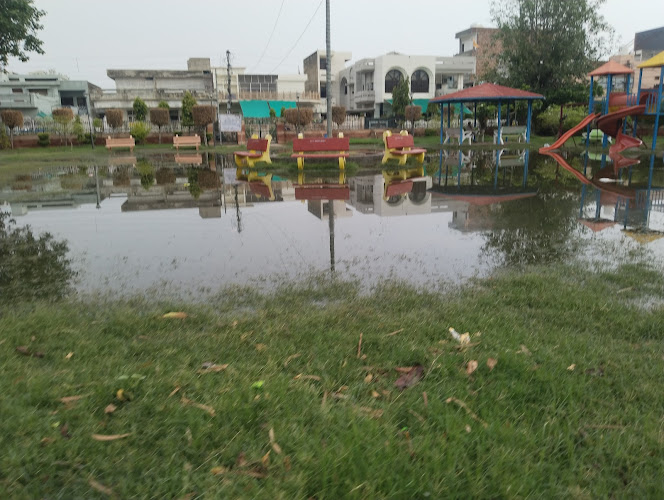
HUDA Park
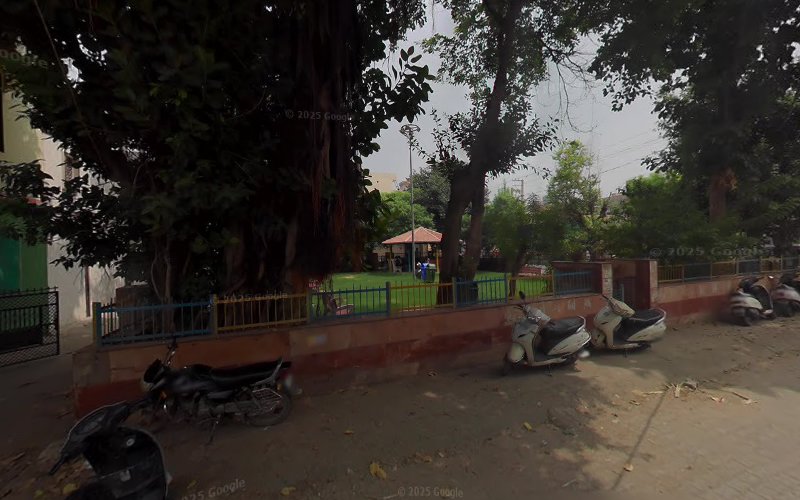
Jiyo gita shanti van park
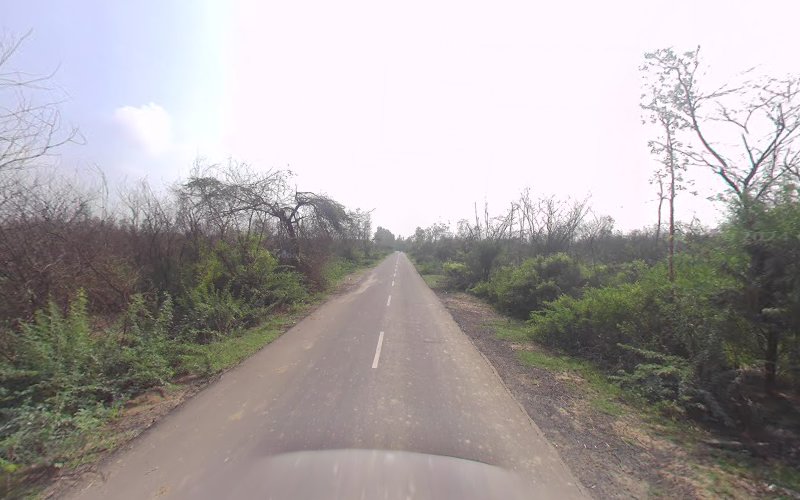
Shatavar Vatika Herbal Park
Find Accommodations Nearby
Recommended Tours & Activities
Visitor Reviews
There are no reviews yet. Be the first one to write one.
Share Your Experience
Have you visited Gujri mahal small part? Help other travelers by leaving a review.