
Lake Awasa
About Lake Awasa
Description
Lake Awasa, tucked away in Ethiopia’s Great Rift Valley, is one of those places that quietly sneaks up on you. It’s not flashy or overrun with tourists like some other African lakes, but that’s exactly what makes it so special. Covering roughly fifty square miles, this freshwater lake feels alive — shimmering under the sun, framed by rolling hills, and echoing with the calls of countless birds. It’s the kind of place where time slows down, and you start to notice the little things — a fisherman paddling by on a papyrus raft, the ripples spreading out behind him, or the way the morning mist clings to the water before the day fully wakes up.
There’s a certain honesty to Awasa. It’s not manicured or overly commercialized. You’ll find local families picnicking by the shore, kids splashing in the shallows, and fishermen hauling in tilapia that’s probably going to end up on your plate later that evening. The air smells faintly of wet earth and roasted coffee — that unmistakable Ethiopian aroma that somehow makes everything feel warmer. And while it’s not perfect (you might stumble upon a bit of litter here and there or a noisy market nearby), that’s part of its realness. It’s a lake that belongs to the people as much as it does to nature.
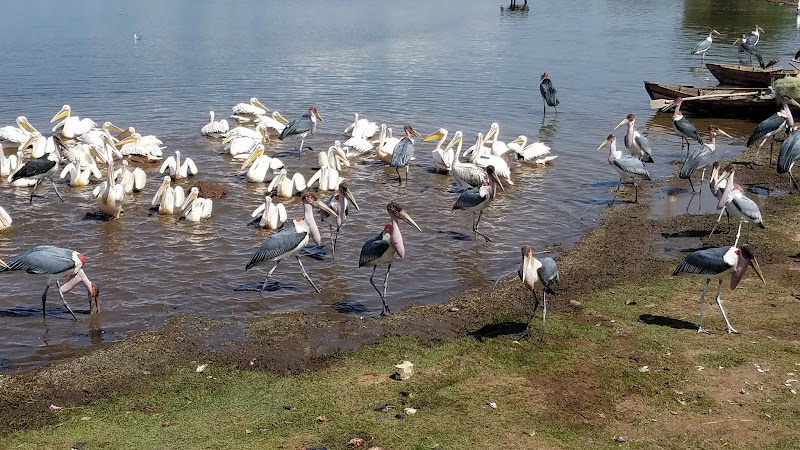
For bird lovers, this place is heaven. Pelicans, storks, kingfishers, and herons dominate the scene. I remember standing on the lakeshore one early morning, camera in hand, watching a group of pelicans glide effortlessly across the water. The light was golden, the air crisp, and for a brief moment, everything just felt right. That’s the kind of memory Lake Awasa leaves you with — small, fleeting moments that stick with you long after you’ve left.
Key Features
- Rich Birdlife: Home to hundreds of wildfowl species, including pelicans, marabou storks, and hornbills, making it a top spot for birdwatching in Ethiopia.
- Local Fishing Culture: Traditional fishermen still use papyrus rafts to catch tilapia, offering a glimpse into centuries-old practices.
- Scenic Lakeside Trail: A peaceful walking route along the shore where visitors can spot wildlife, enjoy local food stalls, and take in sweeping views of the Rift Valley.
- Nearby Markets and Cafés: The lakeside area is dotted with small coffee houses and markets where you can enjoy fresh Ethiopian coffee or try fried fish straight from the lake.
- Accessible Location: Situated in the city of Awasa, the lake is easy to reach and serves as a relaxing escape for both locals and travelers.
Best Time to Visit
While Lake Awasa is beautiful year-round, the best time to visit is during the dry season, from November to February. The skies are clear, the temperatures are pleasantly warm, and the birdlife is especially active. Early mornings and late afternoons are magical — the light softens, the lake glows, and photographers will find it hard to put their cameras down. During the rainy months (June to September), the area gets lush and green, but the trails can be muddy, and the mosquitoes a bit more persistent. If you don’t mind a little rain, though, it’s still a rewarding time to go — the lake feels more alive, and you’ll likely have more of it to yourself.
I once visited in December, and it was perfect. The mornings were cool enough for a light jacket, but by midday, I was sipping coffee by the shore in a T-shirt, watching the fishermen at work. The sunsets were something else entirely — the kind that make you stop mid-sentence just to take it all in.
How to Get There
Getting to Lake Awasa is relatively straightforward. It’s about a four to five-hour drive south from Addis Ababa, Ethiopia’s capital. The road is paved and scenic, winding through small towns, rolling farmland, and open stretches of the Rift Valley. If you’re not in a rush, stop along the way — there are roadside fruit stands selling fresh papayas, mangoes, and bananas that are worth every bite.
For those who’d rather skip the drive, there are domestic flights from Addis Ababa to Awasa Airport, which is just a short taxi ride from the lake. Once you arrive, getting around is easy — tuk-tuks, taxis, or even walking will get you where you need to go. The city itself is compact, and the lake is central to it all, so you’re never far from the water.
And here’s a small tip from experience: try to arrive before sunset. The first glimpse of the lake in that soft evening light is unforgettable. The water turns this deep, molten gold color, and the air hums with the sound of crickets and distant laughter. It’s the perfect welcome.
Tips for Visiting
Before heading out to Lake Awasa, it helps to know a few things that can make your trip smoother and more enjoyable. Here are some personal insights and practical suggestions that come from both locals and travelers who’ve been there — myself included.
- Bring Binoculars: Even if you’re not a hardcore birder, you’ll want a closer look at the incredible birdlife. Some of the species are rare and strikingly beautiful.
- Go Early: The mornings are calm and peaceful, perfect for photography or a quiet stroll. By midday, the area gets busier with locals and visitors.
- Try the Local Food: Don’t miss the fried tilapia served with injera — it’s simple, fresh, and delicious. Pair it with Ethiopian coffee, and you’ve got a meal to remember.
- Respect the Locals: The fishermen and nearby residents are friendly but appreciate privacy. Always ask before taking photos of people.
- Stay Hydrated: The sun can be stronger than it feels, so carry water, sunscreen, and a hat, especially if you plan to walk around the lake.
- Hire a Local Guide: They know the best birdwatching spots and can share stories about the lake’s history and ecology that you won’t find in guidebooks.
- Keep Expectations Real: Lake Awasa isn’t a luxury resort destination — it’s a slice of real Ethiopia. You might see uneven paths or a bit of noise from the nearby city, but that’s part of its charm.
One thing I learned after spending a few days there: slow down. Don’t rush through it. Sit by the water, order a coffee, and just watch life unfold. You’ll see fishermen chatting as they mend their nets, kids chasing birds along the shore, and couples quietly watching the sunset. It’s these small, unfiltered moments that make Lake Awasa feel so genuine.
And if you’re staying overnight, consider booking a lakeside lodge or guesthouse. Waking up to the sound of birds and the sight of the lake stretching out before you is worth every penny. The mornings are cool, the air fresh, and there’s something deeply calming about starting your day with that view.
In the end, Lake Awasa isn’t just a place you visit — it’s a place you feel. It’s where nature and everyday life blend seamlessly, where peace doesn’t come from silence but from a rhythm that feels timeless. Whether you’re there for a day or a week, it has a way of grounding you, of reminding you that sometimes the best experiences come from simply being present. So if you ever find yourself in Ethiopia, make the trip. Bring your curiosity, your camera, maybe even a journal — and let Lake Awasa work its quiet magic on you.
Key Features
- Key Features
- Best Time to Visit
- How to Get There
- Tips for Visiting
More Details
Updated November 10, 2025
Table of Contents
Description
Lake Awasa, tucked away in Ethiopia’s Great Rift Valley, is one of those places that quietly sneaks up on you. It’s not flashy or overrun with tourists like some other African lakes, but that’s exactly what makes it so special. Covering roughly fifty square miles, this freshwater lake feels alive — shimmering under the sun, framed by rolling hills, and echoing with the calls of countless birds. It’s the kind of place where time slows down, and you start to notice the little things — a fisherman paddling by on a papyrus raft, the ripples spreading out behind him, or the way the morning mist clings to the water before the day fully wakes up.
There’s a certain honesty to Awasa. It’s not manicured or overly commercialized. You’ll find local families picnicking by the shore, kids splashing in the shallows, and fishermen hauling in tilapia that’s probably going to end up on your plate later that evening. The air smells faintly of wet earth and roasted coffee — that unmistakable Ethiopian aroma that somehow makes everything feel warmer. And while it’s not perfect (you might stumble upon a bit of litter here and there or a noisy market nearby), that’s part of its realness. It’s a lake that belongs to the people as much as it does to nature.
For bird lovers, this place is heaven. Pelicans, storks, kingfishers, and herons dominate the scene. I remember standing on the lakeshore one early morning, camera in hand, watching a group of pelicans glide effortlessly across the water. The light was golden, the air crisp, and for a brief moment, everything just felt right. That’s the kind of memory Lake Awasa leaves you with — small, fleeting moments that stick with you long after you’ve left.
Key Features
- Rich Birdlife: Home to hundreds of wildfowl species, including pelicans, marabou storks, and hornbills, making it a top spot for birdwatching in Ethiopia.
- Local Fishing Culture: Traditional fishermen still use papyrus rafts to catch tilapia, offering a glimpse into centuries-old practices.
- Scenic Lakeside Trail: A peaceful walking route along the shore where visitors can spot wildlife, enjoy local food stalls, and take in sweeping views of the Rift Valley.
- Nearby Markets and Cafés: The lakeside area is dotted with small coffee houses and markets where you can enjoy fresh Ethiopian coffee or try fried fish straight from the lake.
- Accessible Location: Situated in the city of Awasa, the lake is easy to reach and serves as a relaxing escape for both locals and travelers.
Best Time to Visit
While Lake Awasa is beautiful year-round, the best time to visit is during the dry season, from November to February. The skies are clear, the temperatures are pleasantly warm, and the birdlife is especially active. Early mornings and late afternoons are magical — the light softens, the lake glows, and photographers will find it hard to put their cameras down. During the rainy months (June to September), the area gets lush and green, but the trails can be muddy, and the mosquitoes a bit more persistent. If you don’t mind a little rain, though, it’s still a rewarding time to go — the lake feels more alive, and you’ll likely have more of it to yourself.
I once visited in December, and it was perfect. The mornings were cool enough for a light jacket, but by midday, I was sipping coffee by the shore in a T-shirt, watching the fishermen at work. The sunsets were something else entirely — the kind that make you stop mid-sentence just to take it all in.
How to Get There
Getting to Lake Awasa is relatively straightforward. It’s about a four to five-hour drive south from Addis Ababa, Ethiopia’s capital. The road is paved and scenic, winding through small towns, rolling farmland, and open stretches of the Rift Valley. If you’re not in a rush, stop along the way — there are roadside fruit stands selling fresh papayas, mangoes, and bananas that are worth every bite.
For those who’d rather skip the drive, there are domestic flights from Addis Ababa to Awasa Airport, which is just a short taxi ride from the lake. Once you arrive, getting around is easy — tuk-tuks, taxis, or even walking will get you where you need to go. The city itself is compact, and the lake is central to it all, so you’re never far from the water.
And here’s a small tip from experience: try to arrive before sunset. The first glimpse of the lake in that soft evening light is unforgettable. The water turns this deep, molten gold color, and the air hums with the sound of crickets and distant laughter. It’s the perfect welcome.
Tips for Visiting
Before heading out to Lake Awasa, it helps to know a few things that can make your trip smoother and more enjoyable. Here are some personal insights and practical suggestions that come from both locals and travelers who’ve been there — myself included.
- Bring Binoculars: Even if you’re not a hardcore birder, you’ll want a closer look at the incredible birdlife. Some of the species are rare and strikingly beautiful.
- Go Early: The mornings are calm and peaceful, perfect for photography or a quiet stroll. By midday, the area gets busier with locals and visitors.
- Try the Local Food: Don’t miss the fried tilapia served with injera — it’s simple, fresh, and delicious. Pair it with Ethiopian coffee, and you’ve got a meal to remember.
- Respect the Locals: The fishermen and nearby residents are friendly but appreciate privacy. Always ask before taking photos of people.
- Stay Hydrated: The sun can be stronger than it feels, so carry water, sunscreen, and a hat, especially if you plan to walk around the lake.
- Hire a Local Guide: They know the best birdwatching spots and can share stories about the lake’s history and ecology that you won’t find in guidebooks.
- Keep Expectations Real: Lake Awasa isn’t a luxury resort destination — it’s a slice of real Ethiopia. You might see uneven paths or a bit of noise from the nearby city, but that’s part of its charm.
One thing I learned after spending a few days there: slow down. Don’t rush through it. Sit by the water, order a coffee, and just watch life unfold. You’ll see fishermen chatting as they mend their nets, kids chasing birds along the shore, and couples quietly watching the sunset. It’s these small, unfiltered moments that make Lake Awasa feel so genuine.
And if you’re staying overnight, consider booking a lakeside lodge or guesthouse. Waking up to the sound of birds and the sight of the lake stretching out before you is worth every penny. The mornings are cool, the air fresh, and there’s something deeply calming about starting your day with that view.
In the end, Lake Awasa isn’t just a place you visit — it’s a place you feel. It’s where nature and everyday life blend seamlessly, where peace doesn’t come from silence but from a rhythm that feels timeless. Whether you’re there for a day or a week, it has a way of grounding you, of reminding you that sometimes the best experiences come from simply being present. So if you ever find yourself in Ethiopia, make the trip. Bring your curiosity, your camera, maybe even a journal — and let Lake Awasa work its quiet magic on you.
Key Highlights
- Key Features
- Best Time to Visit
- How to Get There
- Tips for Visiting
Location
Places to Stay Near Lake Awasa
Find and Book a Tour
Explore More Travel Guides
No reviews found! Be the first to review!
Traveler Reviews for Lake Awasa
There are no reviews yet. Be the first one to write one.
Have you visited Lake Awasa? Help other travelers by sharing your review.
You Might Also Like
Lake Dendi, Haroo Dandii
shumala biyyaa (Massive Bamboo)

Chamo Lake
Find Accommodations Nearby
Recommended Tours & Activities
Visitor Reviews
There are no reviews yet. Be the first one to write one.
Share Your Experience
Have you visited Lake Awasa? Help other travelers by leaving a review.