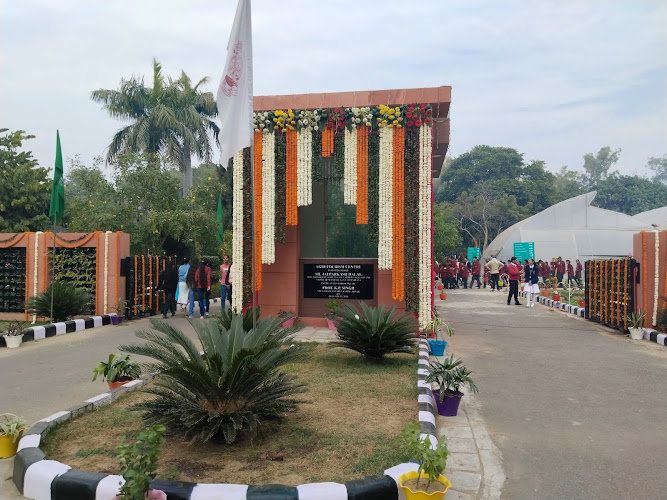
The Agri Tourism Center is one of those places that quietly surprises you.
Highlights & Key Features
Key Features
Best Time to Visit
How to Get There
Tips for Visiting
Visitor Guide & Information
Description
Visitors often describe the experience as grounding—literally and figuratively. There’s a genuine sense of connection here, not just to the land but to the people who work it. You’ll find fields of vegetables, orchards heavy with fruit, and demonstration plots that show off sustainable farming methods. It’s educational without being preachy, and fun without feeling forced. The staff are knowledgeable and approachable, always ready to share stories about local crops, irrigation techniques, or how climate change is reshaping agriculture in India.
And if you’re traveling with kids, this place is a gem. Children can learn where their food really comes from, get their hands dirty planting seeds, or feed the farm animals. It’s the kind of hands-on experience that city kids rarely get anymore. The entire area is thoughtfully designed to be accessible to everyone, including those using wheelchairs, and the layout makes it easy to explore at your own pace.
What I personally love about the Agri Tourism Center is that it doesn’t try to be something it’s not. It’s simple, honest, and full of life. You won’t find flashy attractions here, but you will find authenticity, learning, and maybe even a bit of nostalgia for simpler times. It’s the kind of place that leaves you with muddy shoes and a full heart.
Key Features
Interactive Farming Experiences: Visitors can participate in activities like sowing seeds, harvesting crops, or learning about composting and organic farming.
Horticultural Demonstrations: The center showcases a variety of plants, flowers, and fruit-bearing trees, offering insights into modern and traditional horticultural practices.
Educational Workshops: Regular sessions on sustainable agriculture, irrigation systems, and soil health are available for both students and travelers curious about eco-friendly farming.
Family-Friendly Environment: With wide open spaces and guided tours, it’s a safe and enjoyable destination for children and families.
Accessibility: The site features wheelchair-accessible entrances and parking, ensuring comfort for all visitors.
Local Produce Market: A small marketplace often sells fresh produce, handmade goods, and local delicacies—perfect for taking a piece of the experience home.
Photography Opportunities: From golden fields to vibrant flower beds, the center offers countless photo-worthy moments for travelers and nature enthusiasts.
Best Time to Visit
The best time to visit the Agri Tourism Center really depends on what kind of experience you’re after. If you love seeing crops in full bloom, plan your trip between October and March. The weather is cooler, the fields are lush, and the air feels crisp—perfect for long strolls and outdoor learning sessions. Summers, on the other hand, can get quite warm, but they also bring the monsoon’s magic. I’ve visited once during the rainy season, and I still remember the smell of wet soil and the sight of farmers working joyfully in the drizzle. There’s something oddly peaceful about it.
Spring is another lovely time to go. The gardens burst into color, and the orchards are alive with buzzing bees. If you’re into photography or just love being surrounded by greenery, this season won’t disappoint. Just remember to carry a hat and some sunscreen; the Haryana sun can be quite unforgiving even when it’s not summer.
How to Get There
Reaching the Agri Tourism Center is fairly straightforward. It’s located within a well-known agricultural university campus, making it accessible by road and public transportation. Most travelers arrive by car or taxi, which is convenient if you’re carrying gear or traveling with family. The roads leading to the center are well-maintained, and signage is clear enough that you won’t need to rely too heavily on navigation apps—though having one handy never hurts.
If you’re coming from nearby towns or cities, local buses and shared rides are available. For those who prefer a bit of adventure, renting a bicycle or motorbike can be a fun way to explore the surrounding countryside before arriving at the center. Parking is ample and well-organized, and the entrance is designed to accommodate visitors of all abilities.
One small tip from experience: try to arrive early in the morning. The light is beautiful, the air is fresh, and you’ll have more time to explore before the midday sun gets too strong. Plus, you might catch farmers starting their day—a sight that feels both humbling and inspiring.
Tips for Visiting
Before heading to the Agri Tourism Center, it helps to plan a little. This isn’t a place where you just rush through; it’s one to savor. Wear comfortable clothes and shoes you don’t mind getting a bit dirty. Trust me, you’ll thank yourself later if you decide to join in on a planting session or a walk through the fields.
Bring a reusable water bottle—it’s eco-friendly and keeps you hydrated throughout the day. Hats, sunglasses, and sunscreen are must-haves, especially if you’re visiting during warmer months. And don’t forget your camera or phone; there are endless photo opportunities, from the rows of crops to the smiling faces of local farmers.
If you’re traveling with kids, check ahead for any scheduled workshops or interactive activities. They often host sessions where children can learn about plant life cycles or even make their own mini gardens. It’s educational but in a fun, hands-on way that keeps them engaged.
For those interested in learning more deeply about agriculture, consider talking to the staff or guides. Many are researchers or students who are genuinely passionate about their work. They’ll happily share insights into crop rotation, soil management, or even how technology is changing farming practices in India.
One more thing—don’t rush your visit. Take time to sit under a tree, watch the butterflies, or chat with the locals. Sometimes, those small moments become the most memorable part of the trip. And if you happen to visit during a local event or harvest festival, you’re in for a treat. The music, the food, and the sheer joy of community celebration are experiences that stay with you long after you’ve left.
All in all, the Agri Tourism Center isn’t just a tourist attraction—it’s a reminder of how deeply connected we are to the land. Whether you’re a traveler seeking something meaningful, a family looking for an educational outing, or simply someone who loves nature, this place offers a refreshing escape from the ordinary. It’s not flashy, but it’s real—and that’s exactly what makes it special.
The Agri Tourism Center is one of those places that quietly surprises you. It’s not loud or overly commercial, but it has a way of pulling you in with its earthy charm and authenticity. Located within a sprawling agricultural campus, this center offers travelers a deep dive into the world of farming, horticulture, and rural life. It’s the kind of spot that makes you slow down, breathe in the scent of soil and fresh crops, and remember that nature still has its own rhythm, no matter how fast the world moves.
Visitors often describe the experience as grounding—literally and figuratively. There’s a genuine sense of connection here, not just to the land but to the people who work it. You’ll find fields of vegetables, orchards heavy with fruit, and demonstration plots that show off sustainable farming methods. It’s educational without being preachy, and fun without feeling forced. The staff are knowledgeable and approachable, always ready to share stories about local crops, irrigation techniques, or how climate change is reshaping agriculture in India.
And if you’re traveling with kids, this place is a gem. Children can learn where their food really comes from, get their hands dirty planting seeds, or feed the farm animals. It’s the kind of hands-on experience that city kids rarely get anymore. The entire area is thoughtfully designed to be accessible to everyone, including those using wheelchairs, and the layout makes it easy to explore at your own pace.
What I personally love about the Agri Tourism Center is that it doesn’t try to be something it’s not. It’s simple, honest, and full of life. You won’t find flashy attractions here, but you will find authenticity, learning, and maybe even a bit of nostalgia for simpler times. It’s the kind of place that leaves you with muddy shoes and a full heart.
Key Features
Interactive Farming Experiences: Visitors can participate in activities like sowing seeds, harvesting crops, or learning about composting and organic farming.
Horticultural Demonstrations: The center showcases a variety of plants, flowers, and fruit-bearing trees, offering insights into modern and traditional horticultural practices.
Educational Workshops: Regular sessions on sustainable agriculture, irrigation systems, and soil health are available for both students and travelers curious about eco-friendly farming.
Family-Friendly Environment: With wide open spaces and guided tours, it’s a safe and enjoyable destination for children and families.
Accessibility: The site features wheelchair-accessible entrances and parking, ensuring comfort for all visitors.
Local Produce Market: A small marketplace often sells fresh produce, handmade goods, and local delicacies—perfect for taking a piece of the experience home.
Photography Opportunities: From golden fields to vibrant flower beds, the center offers countless photo-worthy moments for travelers and nature enthusiasts.
Best Time to Visit
The best time to visit the Agri Tourism Center really depends on what kind of experience you’re after. If you love seeing crops in full bloom, plan your trip between October and March. The weather is cooler, the fields are lush, and the air feels crisp—perfect for long strolls and outdoor learning sessions. Summers, on the other hand, can get quite warm, but they also bring the monsoon’s magic. I’ve visited once during the rainy season, and I still remember the smell of wet soil and the sight of farmers working joyfully in the drizzle. There’s something oddly peaceful about it.
Spring is another lovely time to go. The gardens burst into color, and the orchards are alive with buzzing bees. If you’re into photography or just love being surrounded by greenery, this season won’t disappoint. Just remember to carry a hat and some sunscreen; the Haryana sun can be quite unforgiving even when it’s not summer.
How to Get There
Reaching the Agri Tourism Center is fairly straightforward. It’s located within a well-known agricultural university campus, making it accessible by road and public transportation. Most travelers arrive by car or taxi, which is convenient if you’re carrying gear or traveling with family. The roads leading to the center are well-maintained, and signage is clear enough that you won’t need to rely too heavily on navigation apps—though having one handy never hurts.
If you’re coming from nearby towns or cities, local buses and shared rides are available. For those who prefer a bit of adventure, renting a bicycle or motorbike can be a fun way to explore the surrounding countryside before arriving at the center. Parking is ample and well-organized, and the entrance is designed to accommodate visitors of all abilities.
One small tip from experience: try to arrive early in the morning. The light is beautiful, the air is fresh, and you’ll have more time to explore before the midday sun gets too strong. Plus, you might catch farmers starting their day—a sight that feels both humbling and inspiring.
Tips for Visiting
Before heading to the Agri Tourism Center, it helps to plan a little. This isn’t a place where you just rush through; it’s one to savor. Wear comfortable clothes and shoes you don’t mind getting a bit dirty. Trust me, you’ll thank yourself later if you decide to join in on a planting session or a walk through the fields.
Bring a reusable water bottle—it’s eco-friendly and keeps you hydrated throughout the day. Hats, sunglasses, and sunscreen are must-haves, especially if you’re visiting during warmer months. And don’t forget your camera or phone; there are endless photo opportunities, from the rows of crops to the smiling faces of local farmers.
If you’re traveling with kids, check ahead for any scheduled workshops or interactive activities. They often host sessions where children can learn about plant life cycles or even make their own mini gardens. It’s educational but in a fun, hands-on way that keeps them engaged.
For those interested in learning more deeply about agriculture, consider talking to the staff or guides. Many are researchers or students who are genuinely passionate about their work. They’ll happily share insights into crop rotation, soil management, or even how technology is changing farming practices in India.
One more thing—don’t rush your visit. Take time to sit under a tree, watch the butterflies, or chat with the locals. Sometimes, those small moments become the most memorable part of the trip. And if you happen to visit during a local event or harvest festival, you’re in for a treat. The music, the food, and the sheer joy of community celebration are experiences that stay with you long after you’ve left.
All in all, the Agri Tourism Center isn’t just a tourist attraction—it’s a reminder of how deeply connected we are to the land. Whether you’re a traveler seeking something meaningful, a family looking for an educational outing, or simply someone who loves nature, this place offers a refreshing escape from the ordinary. It’s not flashy, but it’s real—and that’s exactly what makes it special.
Set inside CCS Haryana Agricultural University (CCS HAU)—one of Asia’s largest agricultural universities—the Agri Tourism Center is a public-facing window into Haryana’s farming heritage, modern ag research, and biodiversity. It sits alongside the university’s 10.5-acre Botanical Garden (≈550 plant species), making it a single stop where you can see local culture exhibits and living collections in one circuit.Haryana Agricultural University
Why this place matters
New, purpose-built public venue. Haryana’s chief minister inaugurated the Agri-Tourism Centre at CCS HAU in January 2025, with a clear brief: make agricultural science approachable, combine learning with light recreation, and build environmental awareness.The Tribune
Culture + science under one roof. University leadership describes exhibits that highlight Haryanvi attire (men’s and women’s), cuisine (including millet-based foods), festivals, folk instruments, traditional utensils, and advanced seed/variety displays—a rare blend of ethnography and agronomy on a working campus.
You’re on a living research campus. CCS HAU is a heavyweight in Indian agriculture; its work is tied to the Green and White Revolutions and it hosts large farmer fairs and technology showcases each year. If you want to see how research actually reaches fields (seed sales, soil/water testing, demonstrations), this campus is where it happens.District Hisar
What you’ll see and learn
1) The Agri Tourism Center galleries
Expect curated rooms that introduce:
– Traditional Haryanvi culture: dress, utensils, music and festivals—context for how communities farm and celebrate.
– Crop diversity & improved varieties: exhibits that explain modern seeds and cultivation in simple terms. This bridges what you read on a label with what breeders test in fields.
Tip: If you’re traveling with kids or students, use the center as a primer before exploring the garden; the “why it matters” clicks faster once you’ve seen the plants themselves.
2) The 10.5-acre Botanical Garden (next door)
Maintained by the Department of Botany & Plant Physiology, the garden hosts ~550 indigenous and exotic plant species—useful for plant ID practice, seasonal blooms, and understanding local ecology. It is explicitly pitched as both a research resource and a visitor draw.Haryana Agricultural University
3) Around the campus (optional add-ons)
Agriculture museum & incubation spaces: CCS HAU lists museum-style experiences within the campus ecosystem. If you’re expanding the day, look for the CCS HAU Museum of Agriculture as a complementary stop. Verify opening details locally.
Fairs and technology demos (seasonal): The university’s rabi/kharif fairs regularly feature soil & water testing booths, certified seed sales, and tech stalls—useful for travelers interested in real-world ag adoption.
Practical planning
Exact spot
Use the plus code and full address for precise drop-off: “4PR7+96H, Botanical Garden, CCS HAU, Hisar, 125004.” This resolves accurately in common map apps and aligns with the campus location published by travel listings.
Opening hours & tickets
Official, consistently published hours for the Agri Tourism Center aren’t listed on the public university pages yet. Local listings advise confirming hours directly before you go. Do that—either via the campus reception or the department maintaining the garden.
Flagging possible outdated data: Some third-party pages are sparse or auto-generated; rely on the university’s current notices when available, as the center is new (Jan 2025) and operations can evolve.The Tribune
Accessibility & inclusivity notes
The Agri Tourism Center is a public-oriented facility on a major university campus. If anyone in your group needs step-free routes or quiet spaces, inform the gate staff or department office on arrival—Indian campuses typically accommodate visitors when alerted in advance. (Operational specifics aren’t published; ask on site.)
Cultural exhibits include men’s and women’s textiles and utensils; photography etiquette varies—always check staff guidance inside gallery spaces.
What to bring (season-savvy)
Hisar’s climate swings: summers can be intense and winters crisp. For garden time, carry sun protection, water, and comfortable walking shoes. (The garden spans 10.5 acres, so you’ll walk.)Haryana Agricultural University
How to structure your visit (90–150 minutes)
1) Start at the Agri Tourism Center (40–60 min).
Walk the galleries to get context on Haryanvi foodways, dress, instruments, and seed/crop innovations. It sets up the botany.
2) Move into the Botanical Garden (35–60 min).
Use beds and labeled specimens to connect crops and ornamentals to what you just saw. The garden’s ~550 species make it a compact biodiversity primer.Haryana Agricultural University
3) Optional extension (15–30+ min).
If time allows, look for campus museums or current farmer fair activities on the same day—these can be highly practical and engaging, even for non-specialists.
Good to know before you go
It’s new and expanding. Coverage mentions phased development; Phase-2 was also referenced in January 2025 reports. Expect features to grow and signage to improve over time.
You’re visiting an active academic space. Events, exams, and research schedules may limit access to certain rooms at short notice. When in doubt, check at the gate or the Botany & Plant Physiology department office.Haryana Agricultural University
Photography & filming: The campus frequently appears in public videos and social posts, including content featuring the Botanical Garden. Still—ask staff if you plan extended filming or tripod setups.
Nearby learning moments (if you’re building a full day)
Seed & tech showcases (by season): University fairs have featured 300+ stalls, soil/water testing, and significant certified seed sales, giving outsiders a look at how research translates into farm-gate impact. Dates vary; monitor local news or the university’s channels.
Campus significance: CCS HAU’s footprint (urban campus; multi-decade impact on India’s ag progress) explains why public outreach like the Agri Tourism Center exists here and not elsewhere.Haryana Agricultural University
Bottom line
If you’re curious about Haryana’s farm culture and how modern crop science gets communicated to the public, this is the stop in Hisar. Pair the Agri Tourism Center with the Botanical Garden for a compact, evidence-rich visit—and call ahead for practicals while the new center’s routine continues to settle.The Tribune
Note on data integrity: Opening hours, ticketing, and program specifics for the Agri Tourism Center are still being formalized publicly as of October 30, 2025. Always verify timings with CCS HAU before arrival.
Explore verified points of interest within walking or short transit distance.
No neighboring places mapped within 5 km yet.
Find Places to Stay Nearby
Stay22 provides this accommodation search. We may earn a commission if you book through it; verify current prices and terms with the provider.
🗺️
Interactive accommodation map requires marketing cookies to display live rates.
Recommended Experiences & Activities
GetYourGuide provides this tour inventory. We may earn a commission if you book through it; verify current availability, prices, and terms with the provider.
Top Viator Experiences & Guided Tours in Hisar
We may earn a commission if you book through links on this page at no extra cost to you. All tours feature verified customer reviews and flexible cancellation options.
 Real Journey Travels