

Yokkaichi
About Yokkaichi
Description
Yokkaichi, tucked along the coast of Mie Prefecture, is one of those places that quietly surprises you. It’s not the kind of city that shouts for attention like Tokyo or Osaka, but rather the kind that unfolds its charm bit by bit. With a population of just over 305,000 people spread across 206 square kilometers, Yokkaichi has the comfortable pace of a mid-sized Japanese city where modern industry and traditional culture somehow manage to coexist in harmony. It’s a place where steel plants share the skyline with shrines, and where the smell of the sea mixes with the aroma of yakitori from small izakayas after dark.
What makes Yokkaichi truly fascinating is its dual personality. On one hand, it’s an industrial powerhouse — a major port city that helped fuel Japan’s post-war economic boom. On the other, it’s a gateway to nature, history, and food experiences that feel deeply local. You’ll find sleek modern architecture like the Yokkaichi Port Building standing tall near the waterfront, offering panoramic views of the city and Ise Bay. But just a short walk away, you might stumble upon quiet temples, community markets, and alleys that still echo with the rhythm of old Japan.
I remember my first visit here — I came expecting a purely industrial town, but what I found was something much more layered. The night view of the industrial complex from the Yokkaichi Port area is honestly mesmerizing. Locals even call it the “factory nightscape,” and photographers flock here to capture the glowing maze of pipes and lights reflecting on the water. It’s strangely beautiful, almost poetic, in a way that makes you appreciate how human creativity and machinery can form their own kind of art.
And then there’s the food. Oh, the food! Yokkaichi is known for its tonteki — thick pork steaks grilled in a rich, garlicky sauce. If you’re a foodie, this dish alone makes the trip worth it. Pair it with a cold beer, and you’ll understand why locals are so proud of their city’s culinary identity. Yet, beyond the obvious highlights, there’s a warmth to Yokkaichi that’s hard to define — maybe it’s the way shop owners greet you, or how the city feels both industrious and intimate at the same time.
Key Features
- Yokkaichi Port Building: A striking observation tower offering sweeping views of Ise Bay and the city’s industrial landscape.
- Industrial Night View: One of Japan’s most famous “factory nightscapes,” perfect for photography enthusiasts.
- Yokkaichi Municipal Museum: A great stop for learning about the city’s industrial history and environmental transformation.
- Kasumigaura Green Park: A peaceful waterfront park ideal for a stroll, picnic, or a bit of quiet reflection.
- Local Cuisine: Don’t miss Yokkaichi’s signature dish, tonteki, and other regional flavors that showcase Mie’s culinary richness.
- Proximity to Ise and Nagoya: Conveniently located for day trips to nearby cultural and historical attractions.
- Festivals: The Yokkaichi Festival, held every August, lights up the city with traditional performances and fireworks.
Best Time to Visit
If you ask locals, they’ll tell you that Yokkaichi shines brightest in the spring and autumn. Spring brings cherry blossoms along the rivers and parks, painting the city in soft pinks and whites. There’s a certain calmness in the air — the kind that makes you want to slow down, grab a coffee from a local café, and just watch the petals scatter in the breeze. Autumn, on the other hand, is all about crisp weather and fiery foliage. The nearby Suzuka Mountains turn into a canvas of reds and golds, and it’s perfect for short hikes or scenic drives.
Summer can be hot and humid, but it’s also when the festivals roll in. The Yokkaichi Festival is a lively affair, full of energy, food stalls, and fireworks that light up the bay. It’s crowded, sure, but worth it for the atmosphere alone. Winter is relatively mild here, though the sea breeze can get chilly. Still, the clear skies make it a great time to catch those famous night views of the industrial area — the lights seem sharper, more vivid, almost surreal.
How to Get There
Getting to Yokkaichi is easier than you might think. The city sits conveniently between Nagoya and Ise, making it an accessible stop on any Mie Prefecture itinerary. From Nagoya Station, hop on the Kintetsu Nagoya Line — it’s about a 35-minute ride to Kintetsu Yokkaichi Station. There’s also the JR Kansai Main Line if you prefer Japan Rail passes, though it takes a bit longer. If you’re coming from Osaka, the same Kintetsu line will get you there in roughly two hours.
Once in the city, transportation is straightforward. Buses and taxis are available, but honestly, walking is one of the best ways to experience Yokkaichi’s character. The downtown area is compact enough that you can easily explore shops, restaurants, and attractions on foot. And if you’re planning to see the industrial nightscape, local tour operators sometimes offer guided night tours — a nice option if you want to learn the stories behind those glowing factories.
Tips for Visiting
First things first — bring a camera. Whether it’s for the sunset views from the Port Building or the neon-lit refineries at night, Yokkaichi is unexpectedly photogenic. If you’re into photography, try visiting the port area around dusk; the transition from daylight to night transforms the skyline into something cinematic.
Second, don’t underestimate the local food scene. While tonteki is the star, you’ll also find fantastic seafood thanks to the city’s coastal location. Local izakayas often serve fresh catches of the day, and the prices are surprisingly reasonable compared to larger cities. If you’re adventurous, ask the chef for their recommendation — you might end up with something deliciously unfamiliar.
Another small but important tip: Yokkaichi can get windy, especially near the bay. Bring a light jacket even in warmer months. And when exploring the industrial area at night, be mindful of restricted zones — some spots are off-limits for safety reasons, though there are plenty of designated viewing areas.
If you’re traveling from abroad, you might notice that Yokkaichi doesn’t get as many international tourists as nearby cities. That’s actually part of its charm. You’ll find yourself surrounded mostly by locals, which makes every interaction feel more genuine. Try chatting with shop owners or asking for directions — even if your Japanese is limited, people here are kind and patient. I once got completely lost looking for a small ramen shop, and a local elderly man not only pointed me in the right direction but walked me halfway there, chatting about his favorite fishing spots along the way. That small act summed up Yokkaichi for me — unpretentious, kind, and quietly memorable.
For those planning a longer stay, consider using Yokkaichi as a base to explore Mie Prefecture. It’s close to Ise Grand Shrine, the spiritual heart of Japan, and to the Suzuka Circuit, a must for motorsport fans. After a day of exploring, coming back to Yokkaichi feels like returning to a place that’s both modern and grounded — a balance that’s rare in today’s fast-paced world.
In short, Yokkaichi isn’t trying to impress anyone — and that’s exactly why it does. It’s a city that rewards curiosity, where every corner holds a story, and every meal feels like a discovery. Whether you’re here for the food, the views, or just to experience a slice of authentic Japanese life away from the tourist crowds, Yokkaichi quietly delivers. And who knows — you might just find yourself wanting to stay a little longer than planned.
Key Features
- Key Features
- Best Time to Visit
- How to Get There
- Tips for Visiting
More Details
Updated November 30, 2025
Table of Contents
Description
Yokkaichi, tucked along the coast of Mie Prefecture, is one of those places that quietly surprises you. It’s not the kind of city that shouts for attention like Tokyo or Osaka, but rather the kind that unfolds its charm bit by bit. With a population of just over 305,000 people spread across 206 square kilometers, Yokkaichi has the comfortable pace of a mid-sized Japanese city where modern industry and traditional culture somehow manage to coexist in harmony. It’s a place where steel plants share the skyline with shrines, and where the smell of the sea mixes with the aroma of yakitori from small izakayas after dark.
What makes Yokkaichi truly fascinating is its dual personality. On one hand, it’s an industrial powerhouse — a major port city that helped fuel Japan’s post-war economic boom. On the other, it’s a gateway to nature, history, and food experiences that feel deeply local. You’ll find sleek modern architecture like the Yokkaichi Port Building standing tall near the waterfront, offering panoramic views of the city and Ise Bay. But just a short walk away, you might stumble upon quiet temples, community markets, and alleys that still echo with the rhythm of old Japan.
I remember my first visit here — I came expecting a purely industrial town, but what I found was something much more layered. The night view of the industrial complex from the Yokkaichi Port area is honestly mesmerizing. Locals even call it the “factory nightscape,” and photographers flock here to capture the glowing maze of pipes and lights reflecting on the water. It’s strangely beautiful, almost poetic, in a way that makes you appreciate how human creativity and machinery can form their own kind of art.
And then there’s the food. Oh, the food! Yokkaichi is known for its tonteki — thick pork steaks grilled in a rich, garlicky sauce. If you’re a foodie, this dish alone makes the trip worth it. Pair it with a cold beer, and you’ll understand why locals are so proud of their city’s culinary identity. Yet, beyond the obvious highlights, there’s a warmth to Yokkaichi that’s hard to define — maybe it’s the way shop owners greet you, or how the city feels both industrious and intimate at the same time.
Key Features
- Yokkaichi Port Building: A striking observation tower offering sweeping views of Ise Bay and the city’s industrial landscape.
- Industrial Night View: One of Japan’s most famous “factory nightscapes,” perfect for photography enthusiasts.
- Yokkaichi Municipal Museum: A great stop for learning about the city’s industrial history and environmental transformation.
- Kasumigaura Green Park: A peaceful waterfront park ideal for a stroll, picnic, or a bit of quiet reflection.
- Local Cuisine: Don’t miss Yokkaichi’s signature dish, tonteki, and other regional flavors that showcase Mie’s culinary richness.
- Proximity to Ise and Nagoya: Conveniently located for day trips to nearby cultural and historical attractions.
- Festivals: The Yokkaichi Festival, held every August, lights up the city with traditional performances and fireworks.
Best Time to Visit
If you ask locals, they’ll tell you that Yokkaichi shines brightest in the spring and autumn. Spring brings cherry blossoms along the rivers and parks, painting the city in soft pinks and whites. There’s a certain calmness in the air — the kind that makes you want to slow down, grab a coffee from a local café, and just watch the petals scatter in the breeze. Autumn, on the other hand, is all about crisp weather and fiery foliage. The nearby Suzuka Mountains turn into a canvas of reds and golds, and it’s perfect for short hikes or scenic drives.
Summer can be hot and humid, but it’s also when the festivals roll in. The Yokkaichi Festival is a lively affair, full of energy, food stalls, and fireworks that light up the bay. It’s crowded, sure, but worth it for the atmosphere alone. Winter is relatively mild here, though the sea breeze can get chilly. Still, the clear skies make it a great time to catch those famous night views of the industrial area — the lights seem sharper, more vivid, almost surreal.
How to Get There
Getting to Yokkaichi is easier than you might think. The city sits conveniently between Nagoya and Ise, making it an accessible stop on any Mie Prefecture itinerary. From Nagoya Station, hop on the Kintetsu Nagoya Line — it’s about a 35-minute ride to Kintetsu Yokkaichi Station. There’s also the JR Kansai Main Line if you prefer Japan Rail passes, though it takes a bit longer. If you’re coming from Osaka, the same Kintetsu line will get you there in roughly two hours.
Once in the city, transportation is straightforward. Buses and taxis are available, but honestly, walking is one of the best ways to experience Yokkaichi’s character. The downtown area is compact enough that you can easily explore shops, restaurants, and attractions on foot. And if you’re planning to see the industrial nightscape, local tour operators sometimes offer guided night tours — a nice option if you want to learn the stories behind those glowing factories.
Tips for Visiting
First things first — bring a camera. Whether it’s for the sunset views from the Port Building or the neon-lit refineries at night, Yokkaichi is unexpectedly photogenic. If you’re into photography, try visiting the port area around dusk; the transition from daylight to night transforms the skyline into something cinematic.
Second, don’t underestimate the local food scene. While tonteki is the star, you’ll also find fantastic seafood thanks to the city’s coastal location. Local izakayas often serve fresh catches of the day, and the prices are surprisingly reasonable compared to larger cities. If you’re adventurous, ask the chef for their recommendation — you might end up with something deliciously unfamiliar.
Another small but important tip: Yokkaichi can get windy, especially near the bay. Bring a light jacket even in warmer months. And when exploring the industrial area at night, be mindful of restricted zones — some spots are off-limits for safety reasons, though there are plenty of designated viewing areas.
If you’re traveling from abroad, you might notice that Yokkaichi doesn’t get as many international tourists as nearby cities. That’s actually part of its charm. You’ll find yourself surrounded mostly by locals, which makes every interaction feel more genuine. Try chatting with shop owners or asking for directions — even if your Japanese is limited, people here are kind and patient. I once got completely lost looking for a small ramen shop, and a local elderly man not only pointed me in the right direction but walked me halfway there, chatting about his favorite fishing spots along the way. That small act summed up Yokkaichi for me — unpretentious, kind, and quietly memorable.
For those planning a longer stay, consider using Yokkaichi as a base to explore Mie Prefecture. It’s close to Ise Grand Shrine, the spiritual heart of Japan, and to the Suzuka Circuit, a must for motorsport fans. After a day of exploring, coming back to Yokkaichi feels like returning to a place that’s both modern and grounded — a balance that’s rare in today’s fast-paced world.
In short, Yokkaichi isn’t trying to impress anyone — and that’s exactly why it does. It’s a city that rewards curiosity, where every corner holds a story, and every meal feels like a discovery. Whether you’re here for the food, the views, or just to experience a slice of authentic Japanese life away from the tourist crowds, Yokkaichi quietly delivers. And who knows — you might just find yourself wanting to stay a little longer than planned.
Key Highlights
- Key Features
- Best Time to Visit
- How to Get There
- Tips for Visiting
Location
Places to Stay Near Yokkaichi
Find and Book a Tour
Explore More Travel Guides
No reviews found! Be the first to review!
Traveler Reviews for Yokkaichi
There are no reviews yet. Be the first one to write one.
Have you visited Yokkaichi? Help other travelers by sharing your review.
You Might Also Like
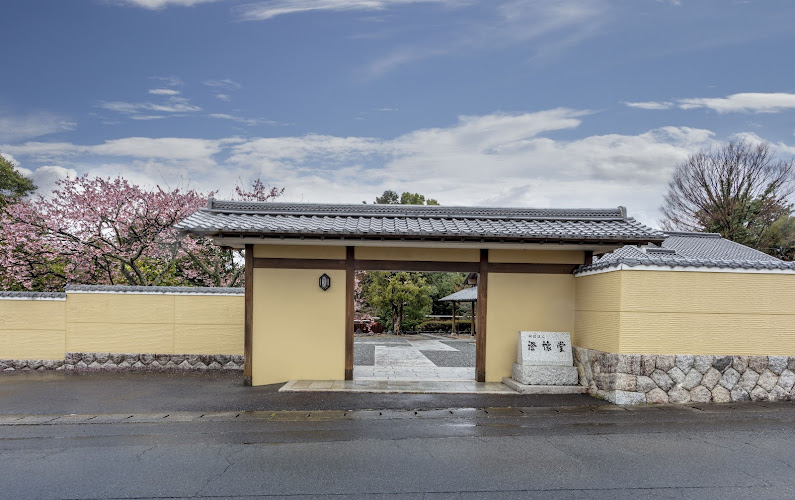
Chokaido Museum
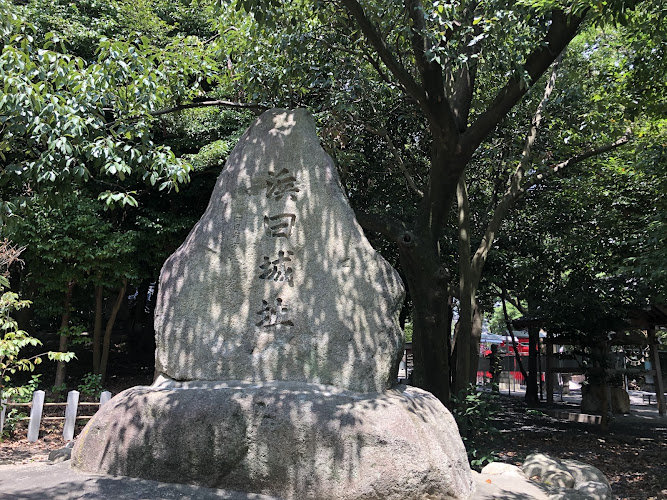
Unomori Park
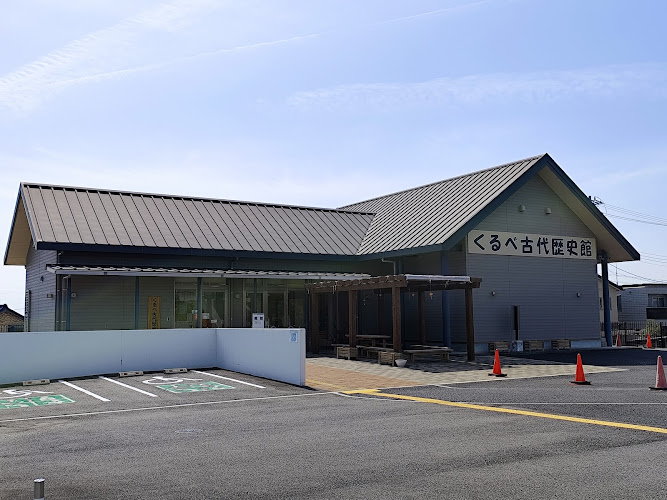
Kurube Ancient Historical Park
Find Accommodations Nearby
Recommended Tours & Activities
Visitor Reviews
There are no reviews yet. Be the first one to write one.
Share Your Experience
Have you visited Yokkaichi? Help other travelers by leaving a review.