
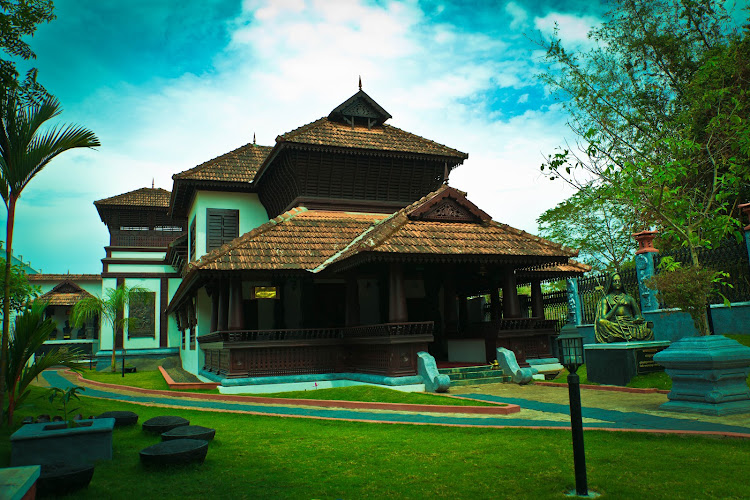
Vaidyaratnam Ayurveda Museum
About Vaidyaratnam Ayurveda Museum
Description
The Vaidyaratnam Ayurveda Museum offers visitors a layered look at the practice, science and culture of ayurvedic medicine as it developed in Kerala and across India. Situated in the Thaikkattussery area of Thrissur, the museum blends old-world artifacts with modern interpretation tools — think dried herb specimens and palm-leaf manuscripts sitting quietly near interactive digital displays and well-lit photo galleries. The focus is squarely on education: how traditional knowledge about herbs, formulations and treatment approaches evolved into the ayurvedic systems known today.
On the surface this is a museum about medical objects, but that undersells the experience. It also charts human stories — families of practitioners, the craft of preparing medicines, the social role of ashtavaidya practitioners in village life, and the continuing relevance of medicinal plants in Kerala’s local economy. And yes, it highlights the contributions of the Thaikkattu Mooss family and the broader Vaidyaratnam tradition without turning reverential or dusty. Exhibits are curated to be approachable for general visitors while still offering depth for someone who actually wants to learn the science behind the practices.
The collection includes vintage apothecary tools, original photographs showing treatment practices, clay and metal vessels used for decoctions, and a modest but meaningful set of manuscripts. Those manuscripts are one of the quieter pleasures: seeing the handwritten notations, the script styles, the marginalia that hint at how practitioners adapted recipes over generations. For many travelers this is a rare peek into the material culture of traditional medicine — not just the ideas, but the stuff that made those ideas work.
Technology is used thoughtfully rather than as a distraction. Digital kiosks and high-definition presentations explain complex concepts such as dosha theory, panchakarma procedures and the pharmacology of common medicinal plants. The visual aids are useful for non-specialists — and for parents trying to keep curious kids engaged (the museum is good for children, by the way). There’s a small digital library and curated video presentations that bring historical context alive: maps, timelines and comparative charts that show how ayurvedic ideas intersected with modern medical developments.
One of the subtler things visitors notice is the attention to medicinal plants. Exhibits often include labelled specimens, sketches and practical notes on where the plants grow, how they are harvested, and their roles in traditional formulations. It’s not a botanical garden, but it’s close enough to help a layperson recognize why Kerala is such a rich place for herbal medicine. The displays make the science tangible: readers learn why a particular leaf or root mattered, and how processing altered its therapeutic value. That part of the museum quietly insists that ayurveda was not mere superstition; it was systematic observation, trial and refinement across centuries.
Accessibility matters here. The museum has a wheelchair-accessible entrance and parking, and signage is generally clear. Restrooms are available on site, although visitors should note there is no onsite restaurant — pack water and snacks, or plan to eat nearby. Onsite services include guided explanations on request; the staff are often former practitioners or trained interpreters who can add context to displays. Their personal anecdotes about patients and practice give the exhibits a human heartbeat. The writer remembers, for instance, listening to an elderly staff member recount how a simple decoction helped her neighbor for decades — small stories that connect artifacts to lived life.
As a travel stop in Thrissur, the Vaidyaratnam Ayurveda Museum offers a compact but meaningful itinerary item. It pairs well with visits to other cultural sites in the area and fits comfortably into a half-day schedule if a visitor wants to browse without rushing. But if someone really wants to dive deep, set aside a couple of hours; the interactive modules and manuscripts reward slow, curious attention. And don’t be surprised if you leave wanting to learn more — maybe enroll in a short workshop, read a manual, or visit a nearby herbal garden.
The museum is intentionally educational rather than commercial. It does not push treatments or sales. Instead, it positions itself as a heritage institution: preserving knowledge, documenting the evolution of practices, and making the history of ayurvedic medicine accessible. For a traveler who wants to understand why Kerala has a global reputation for ayurvedic therapy, this place gives context that spa brochures and treatment menus do not. It shows lineage, method and the continuity of tradition — and it does so in a way that is neither defensive nor triumphalist.
Expect a fair mix of visitors: students on field trips, curious tourists, local families, and the occasional practitioner. While many come because of the Vaidyaratnam name, others arrive simply because they’re exploring Thrissur and fancy something off the beaten path. For photographers, there are respectful opportunities to capture old tools and illustrated panels; just be mindful of any signage that restricts flash or close-up shots of manuscripts. The lighting is museum-grade, skewed toward preservation, so handheld shots may require a steady hand.
All told, the Vaidyaratnam Ayurveda Museum is the kind of place that rewards curiosity. It is not a flashy theme-park-style attraction, nor is it a sterile academic vault. It sits somewhere in between: informative, human, and quietly persuasive about the resilience of traditional medicine. If a traveler wants to leave Thrissur with a deeper understanding of ayurvedic concepts, medicinal plants, and the historical context that produced modern Kerala ayurveda, this museum is a very practical and enjoyable stop.
Key Features
More Details
Updated August 29, 2025
Table of Contents
Description
The Vaidyaratnam Ayurveda Museum offers visitors a layered look at the practice, science and culture of ayurvedic medicine as it developed in Kerala and across India. Situated in the Thaikkattussery area of Thrissur, the museum blends old-world artifacts with modern interpretation tools — think dried herb specimens and palm-leaf manuscripts sitting quietly near interactive digital displays and well-lit photo galleries. The focus is squarely on education: how traditional knowledge about herbs, formulations and treatment approaches evolved into the ayurvedic systems known today.
On the surface this is a museum about medical objects, but that undersells the experience. It also charts human stories — families of practitioners, the craft of preparing medicines, the social role of ashtavaidya practitioners in village life, and the continuing relevance of medicinal plants in Kerala’s local economy. And yes, it highlights the contributions of the Thaikkattu Mooss family and the broader Vaidyaratnam tradition without turning reverential or dusty. Exhibits are curated to be approachable for general visitors while still offering depth for someone who actually wants to learn the science behind the practices.
The collection includes vintage apothecary tools, original photographs showing treatment practices, clay and metal vessels used for decoctions, and a modest but meaningful set of manuscripts. Those manuscripts are one of the quieter pleasures: seeing the handwritten notations, the script styles, the marginalia that hint at how practitioners adapted recipes over generations. For many travelers this is a rare peek into the material culture of traditional medicine — not just the ideas, but the stuff that made those ideas work.
Technology is used thoughtfully rather than as a distraction. Digital kiosks and high-definition presentations explain complex concepts such as dosha theory, panchakarma procedures and the pharmacology of common medicinal plants. The visual aids are useful for non-specialists — and for parents trying to keep curious kids engaged (the museum is good for children, by the way). There’s a small digital library and curated video presentations that bring historical context alive: maps, timelines and comparative charts that show how ayurvedic ideas intersected with modern medical developments.
One of the subtler things visitors notice is the attention to medicinal plants. Exhibits often include labelled specimens, sketches and practical notes on where the plants grow, how they are harvested, and their roles in traditional formulations. It’s not a botanical garden, but it’s close enough to help a layperson recognize why Kerala is such a rich place for herbal medicine. The displays make the science tangible: readers learn why a particular leaf or root mattered, and how processing altered its therapeutic value. That part of the museum quietly insists that ayurveda was not mere superstition; it was systematic observation, trial and refinement across centuries.
Accessibility matters here. The museum has a wheelchair-accessible entrance and parking, and signage is generally clear. Restrooms are available on site, although visitors should note there is no onsite restaurant — pack water and snacks, or plan to eat nearby. Onsite services include guided explanations on request; the staff are often former practitioners or trained interpreters who can add context to displays. Their personal anecdotes about patients and practice give the exhibits a human heartbeat. The writer remembers, for instance, listening to an elderly staff member recount how a simple decoction helped her neighbor for decades — small stories that connect artifacts to lived life.
As a travel stop in Thrissur, the Vaidyaratnam Ayurveda Museum offers a compact but meaningful itinerary item. It pairs well with visits to other cultural sites in the area and fits comfortably into a half-day schedule if a visitor wants to browse without rushing. But if someone really wants to dive deep, set aside a couple of hours; the interactive modules and manuscripts reward slow, curious attention. And don’t be surprised if you leave wanting to learn more — maybe enroll in a short workshop, read a manual, or visit a nearby herbal garden.
The museum is intentionally educational rather than commercial. It does not push treatments or sales. Instead, it positions itself as a heritage institution: preserving knowledge, documenting the evolution of practices, and making the history of ayurvedic medicine accessible. For a traveler who wants to understand why Kerala has a global reputation for ayurvedic therapy, this place gives context that spa brochures and treatment menus do not. It shows lineage, method and the continuity of tradition — and it does so in a way that is neither defensive nor triumphalist.
Expect a fair mix of visitors: students on field trips, curious tourists, local families, and the occasional practitioner. While many come because of the Vaidyaratnam name, others arrive simply because they’re exploring Thrissur and fancy something off the beaten path. For photographers, there are respectful opportunities to capture old tools and illustrated panels; just be mindful of any signage that restricts flash or close-up shots of manuscripts. The lighting is museum-grade, skewed toward preservation, so handheld shots may require a steady hand.
All told, the Vaidyaratnam Ayurveda Museum is the kind of place that rewards curiosity. It is not a flashy theme-park-style attraction, nor is it a sterile academic vault. It sits somewhere in between: informative, human, and quietly persuasive about the resilience of traditional medicine. If a traveler wants to leave Thrissur with a deeper understanding of ayurvedic concepts, medicinal plants, and the historical context that produced modern Kerala ayurveda, this museum is a very practical and enjoyable stop.
Key Highlights
Vaidyaratnam Ayurveda Museum
Location
Places to Stay Near Vaidyaratnam Ayurveda Museum
Find and Book a Tour
Explore More Travel Guides
No reviews found! Be the first to review!
Traveler Reviews for Vaidyaratnam Ayurveda Museum
There are no reviews yet. Be the first one to write one.
Have you visited Vaidyaratnam Ayurveda Museum? Help other travelers by sharing your review.
You Might Also Like

MotherLand Waterfalls
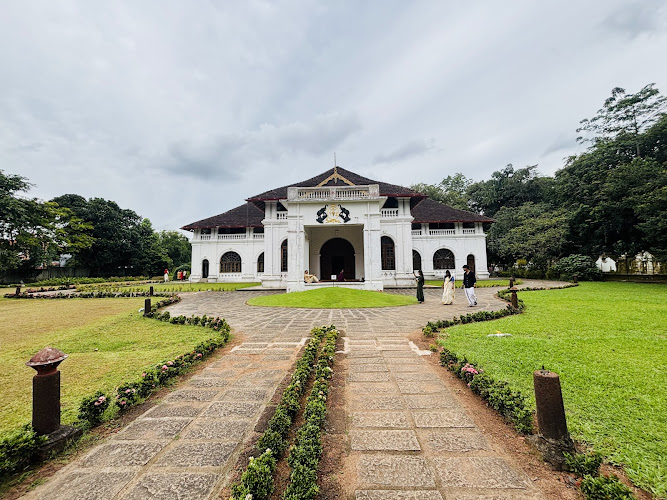
Sakthan Thampuran Palace
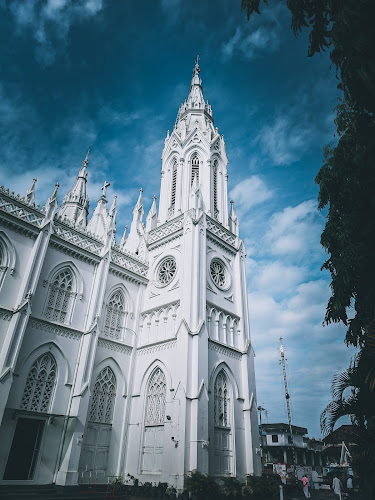
Our Lady of Dolours Shrine Basilica
Find Accommodations Nearby
Recommended Tours & Activities
Visitor Reviews
There are no reviews yet. Be the first one to write one.
Share Your Experience
Have you visited Vaidyaratnam Ayurveda Museum? Help other travelers by leaving a review.