
Our Lady of Dolours Shrine Basilica
About Our Lady of Dolours Shrine Basilica
Description
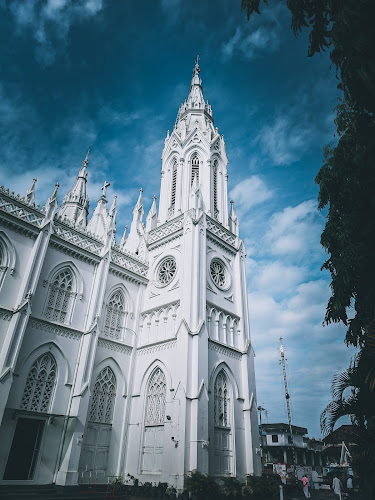
Our Lady of Dolours Shrine Basilica, often called the Basilica of Our Lady of Dolours, stands tall in the heart of Thrissur, Kerala. If you’ve ever wandered through a city and felt a place almost pull you toward it, this basilica does exactly that. It’s not just another church—it’s a towering, Gothic masterpiece that holds the spirit and rhythm of Thrissur’s history within its walls. Built in 1929, this imposing structure is one of the largest churches in India, and honestly, when you stand before it, you can’t help but feel a sense of awe. The twin spires soar into the sky, and the intricate detailing on the façade is the kind of craftsmanship that makes you pause for a moment, just to take it all in.
Walking through its grand entrance, there’s this immediate hush that falls over you. The basilica’s interiors are a blend of devotion and artistry—high vaulted ceilings, stained glass windows that catch the sunlight just right, and a central altar that radiates serenity. Even if you’re not particularly religious, you’ll find yourself touched by the calm that fills the space. The atmosphere is reverent but welcoming, and you can sense the devotion of generations who’ve prayed here. I remember my first visit—it was a warm afternoon, and yet the inside felt cool, almost like the walls themselves held centuries of peace. There’s something deeply grounding about being in a place that has seen so much faith, celebration, and quiet reflection.
As a traveler, it’s easy to get caught up in the usual tourist checklist, but this basilica stands apart. It’s not just an architectural wonder; it’s a living, breathing part of the local community. The church offers multiple masses daily, and if you happen to attend one, the experience is moving, even if you don’t understand every word. The choir’s harmonies echo through the nave, and the sound feels almost celestial. You can feel that this is more than just a building—it’s a sanctuary for thousands who come seeking comfort, hope, or just a moment to breathe.
What’s also interesting is how the basilica manages to balance grandeur with accessibility. It’s equipped with wheelchair-friendly entrances, restrooms, and parking, which is something I really appreciate. It means that everyone, regardless of mobility, can experience its beauty. And let’s be honest, that’s how sacred spaces should be—open to all. The maintenance is impeccable too. The grounds are clean, the staff is courteous, and the sense of order adds to the spiritual calm that seems to hang in the air.
Of course, not every visitor has the same experience. Some find it a bit too crowded, especially during feast days or weekends. But that’s part of its charm, really—it’s a place alive with people, stories, and energy. If you prefer solitude, visiting early in the morning or late afternoon might be your best bet. But if you thrive on the buzz of people coming together in devotion, then go during a service—you’ll witness the basilica at its most vibrant (in the truest sense of the word, not the overused one!).
Key Features
- Gothic Architecture: The basilica’s towering spires and pointed arches are a striking example of Gothic design, making it one of the most photogenic landmarks in Thrissur.
- Spacious Interiors: With its vast nave and high ceilings, the church can accommodate thousands of worshippers at a time.
- Stained Glass Windows: The colorful glass panels depict biblical scenes and saints, filling the interior with a kaleidoscope of light during the day.
- Daily Masses: Multiple services are held throughout the day, offering visitors a chance to experience local Catholic traditions firsthand.
- Accessibility: The basilica features wheelchair-accessible entrances, parking, and restrooms, ensuring comfort for all visitors.
- Peaceful Ambience: Despite being in the city center, the church maintains an atmosphere of calm and reverence.
- Community Hub: It’s not just a religious site but also a cultural landmark where locals gather for celebrations and festivals.
- Impeccable Maintenance: Clean surroundings and well-preserved architecture make it a pleasant stop for both pilgrims and travelers.
Best Time to Visit
Let’s talk timing—because it really matters here. The Our Lady of Dolours Shrine Basilica is open year-round, but if you ask me, the best time to visit is between November and February. The weather in Thrissur during these months is cooler and less humid, so you can actually enjoy walking around without feeling like you’re melting. Plus, the light during these months is perfect for photography; those stained glass reflections hit differently when the sun is soft and golden.
If you’re into cultural experiences, plan your trip around the annual feast of Our Lady of Dolours, usually celebrated in September. It’s an incredible sight—thousands of devotees, candle processions, and the basilica illuminated beautifully at night. It can get crowded, sure, but there’s something magical about being part of that collective devotion. On the other hand, if you prefer quiet contemplation, weekdays are ideal. Early mornings offer a peaceful atmosphere, with the faint sound of hymns and the smell of incense filling the air. I once visited just after sunrise, and honestly, it felt like time slowed down for a bit.
How to Get There
Reaching the basilica is quite straightforward, especially since Thrissur is well-connected by road, rail, and air. If you’re coming from Kochi or other major cities in Kerala, you can easily catch a train or bus to Thrissur. The railway station is just a short drive away from the basilica, and auto-rickshaws are readily available. For those driving, the roads are in good condition, and parking near the church is usually manageable, except during major events or feast days.
If you’re flying in, the nearest airport is in Kochi, about an hour and a half away by car. From there, you can hire a taxi or take a bus to Thrissur. I’ve done that route a few times, and it’s actually quite scenic—lush greenery, small villages, and glimpses of Kerala’s countryside life along the way. It’s one of those drives where you roll down the window, let the warm breeze in, and just enjoy the ride. And once you reach Thrissur, you’ll find that the basilica is a central landmark, easy to locate no matter where you’re staying in the city.
Tips for Visiting
Here’s where a few insider tips can make your visit smoother and more memorable. First off, dress modestly. It’s a place of worship, after all, and locals appreciate visitors who respect that. Light, breathable clothing works best given Kerala’s climate, but make sure shoulders and knees are covered. If you’re planning to attend a mass, arrive a bit early—it gives you time to soak in the atmosphere and find a good seat.
Photography is allowed in most areas, but it’s always polite to ask before snapping pictures during services. The stained glass windows and the main altar are stunning, but sometimes the best shots are of small details—the flicker of candles, the quiet prayers, the play of light on marble floors. And don’t rush through your visit. Take your time to sit quietly for a few minutes; you’ll feel the stillness settle around you. It’s one of those rare places that invites you to slow down, even if just for a moment.
Another practical tip—carry a bottle of water and maybe a small umbrella if you’re visiting during the hotter months. The area around the basilica has a few local eateries and tea stalls, so you can grab a snack or a refreshing drink afterward. If you’re lucky, you might even catch a local festival or procession nearby. The people of Thrissur are warm and welcoming, and a friendly chat often leads to stories about the basilica’s history that you won’t find in any guidebook.
Lastly, remember that while the basilica is a major tourist attraction, it’s also a sacred space for thousands of devotees. So, a little mindfulness goes a long way. Keep your phone on silent, avoid loud conversations, and take a moment to appreciate the spiritual weight of the place. Whether you’re a believer or simply an admirer of architecture and culture, Our Lady of Dolours Shrine Basilica has a way of leaving an impression that lingers long after you’ve left. It’s not just a stop on your itinerary—it’s an experience that stays with you, quietly reminding you of the beauty of faith, art, and community intertwined.
Key Features
- Key Features
- Best Time to Visit
- How to Get There
- Tips for Visiting
More Details
Updated November 30, 2025
Table of Contents
- Description
- Key Features
- Best Time to Visit
- How to Get There
- Tips for Visiting
- Key Highlights
- Location
- Places to Stay Near Our Lady of Dolours Shrine Basilica
- Find and Book a Tour
- Explore More Travel Guides
- Nearby Places You Might Like
- Traveler Reviews for Our Lady of Dolours Shrine Basilica
- Share Your Experience
Description
Our Lady of Dolours Shrine Basilica, often called the Basilica of Our Lady of Dolours, stands tall in the heart of Thrissur, Kerala. If you’ve ever wandered through a city and felt a place almost pull you toward it, this basilica does exactly that. It’s not just another church—it’s a towering, Gothic masterpiece that holds the spirit and rhythm of Thrissur’s history within its walls. Built in 1929, this imposing structure is one of the largest churches in India, and honestly, when you stand before it, you can’t help but feel a sense of awe. The twin spires soar into the sky, and the intricate detailing on the façade is the kind of craftsmanship that makes you pause for a moment, just to take it all in.
Walking through its grand entrance, there’s this immediate hush that falls over you. The basilica’s interiors are a blend of devotion and artistry—high vaulted ceilings, stained glass windows that catch the sunlight just right, and a central altar that radiates serenity. Even if you’re not particularly religious, you’ll find yourself touched by the calm that fills the space. The atmosphere is reverent but welcoming, and you can sense the devotion of generations who’ve prayed here. I remember my first visit—it was a warm afternoon, and yet the inside felt cool, almost like the walls themselves held centuries of peace. There’s something deeply grounding about being in a place that has seen so much faith, celebration, and quiet reflection.
As a traveler, it’s easy to get caught up in the usual tourist checklist, but this basilica stands apart. It’s not just an architectural wonder; it’s a living, breathing part of the local community. The church offers multiple masses daily, and if you happen to attend one, the experience is moving, even if you don’t understand every word. The choir’s harmonies echo through the nave, and the sound feels almost celestial. You can feel that this is more than just a building—it’s a sanctuary for thousands who come seeking comfort, hope, or just a moment to breathe.
What’s also interesting is how the basilica manages to balance grandeur with accessibility. It’s equipped with wheelchair-friendly entrances, restrooms, and parking, which is something I really appreciate. It means that everyone, regardless of mobility, can experience its beauty. And let’s be honest, that’s how sacred spaces should be—open to all. The maintenance is impeccable too. The grounds are clean, the staff is courteous, and the sense of order adds to the spiritual calm that seems to hang in the air.
Of course, not every visitor has the same experience. Some find it a bit too crowded, especially during feast days or weekends. But that’s part of its charm, really—it’s a place alive with people, stories, and energy. If you prefer solitude, visiting early in the morning or late afternoon might be your best bet. But if you thrive on the buzz of people coming together in devotion, then go during a service—you’ll witness the basilica at its most vibrant (in the truest sense of the word, not the overused one!).
Key Features
- Gothic Architecture: The basilica’s towering spires and pointed arches are a striking example of Gothic design, making it one of the most photogenic landmarks in Thrissur.
- Spacious Interiors: With its vast nave and high ceilings, the church can accommodate thousands of worshippers at a time.
- Stained Glass Windows: The colorful glass panels depict biblical scenes and saints, filling the interior with a kaleidoscope of light during the day.
- Daily Masses: Multiple services are held throughout the day, offering visitors a chance to experience local Catholic traditions firsthand.
- Accessibility: The basilica features wheelchair-accessible entrances, parking, and restrooms, ensuring comfort for all visitors.
- Peaceful Ambience: Despite being in the city center, the church maintains an atmosphere of calm and reverence.
- Community Hub: It’s not just a religious site but also a cultural landmark where locals gather for celebrations and festivals.
- Impeccable Maintenance: Clean surroundings and well-preserved architecture make it a pleasant stop for both pilgrims and travelers.
Best Time to Visit
Let’s talk timing—because it really matters here. The Our Lady of Dolours Shrine Basilica is open year-round, but if you ask me, the best time to visit is between November and February. The weather in Thrissur during these months is cooler and less humid, so you can actually enjoy walking around without feeling like you’re melting. Plus, the light during these months is perfect for photography; those stained glass reflections hit differently when the sun is soft and golden.
If you’re into cultural experiences, plan your trip around the annual feast of Our Lady of Dolours, usually celebrated in September. It’s an incredible sight—thousands of devotees, candle processions, and the basilica illuminated beautifully at night. It can get crowded, sure, but there’s something magical about being part of that collective devotion. On the other hand, if you prefer quiet contemplation, weekdays are ideal. Early mornings offer a peaceful atmosphere, with the faint sound of hymns and the smell of incense filling the air. I once visited just after sunrise, and honestly, it felt like time slowed down for a bit.
How to Get There
Reaching the basilica is quite straightforward, especially since Thrissur is well-connected by road, rail, and air. If you’re coming from Kochi or other major cities in Kerala, you can easily catch a train or bus to Thrissur. The railway station is just a short drive away from the basilica, and auto-rickshaws are readily available. For those driving, the roads are in good condition, and parking near the church is usually manageable, except during major events or feast days.
If you’re flying in, the nearest airport is in Kochi, about an hour and a half away by car. From there, you can hire a taxi or take a bus to Thrissur. I’ve done that route a few times, and it’s actually quite scenic—lush greenery, small villages, and glimpses of Kerala’s countryside life along the way. It’s one of those drives where you roll down the window, let the warm breeze in, and just enjoy the ride. And once you reach Thrissur, you’ll find that the basilica is a central landmark, easy to locate no matter where you’re staying in the city.
Tips for Visiting
Here’s where a few insider tips can make your visit smoother and more memorable. First off, dress modestly. It’s a place of worship, after all, and locals appreciate visitors who respect that. Light, breathable clothing works best given Kerala’s climate, but make sure shoulders and knees are covered. If you’re planning to attend a mass, arrive a bit early—it gives you time to soak in the atmosphere and find a good seat.
Photography is allowed in most areas, but it’s always polite to ask before snapping pictures during services. The stained glass windows and the main altar are stunning, but sometimes the best shots are of small details—the flicker of candles, the quiet prayers, the play of light on marble floors. And don’t rush through your visit. Take your time to sit quietly for a few minutes; you’ll feel the stillness settle around you. It’s one of those rare places that invites you to slow down, even if just for a moment.
Another practical tip—carry a bottle of water and maybe a small umbrella if you’re visiting during the hotter months. The area around the basilica has a few local eateries and tea stalls, so you can grab a snack or a refreshing drink afterward. If you’re lucky, you might even catch a local festival or procession nearby. The people of Thrissur are warm and welcoming, and a friendly chat often leads to stories about the basilica’s history that you won’t find in any guidebook.
Lastly, remember that while the basilica is a major tourist attraction, it’s also a sacred space for thousands of devotees. So, a little mindfulness goes a long way. Keep your phone on silent, avoid loud conversations, and take a moment to appreciate the spiritual weight of the place. Whether you’re a believer or simply an admirer of architecture and culture, Our Lady of Dolours Shrine Basilica has a way of leaving an impression that lingers long after you’ve left. It’s not just a stop on your itinerary—it’s an experience that stays with you, quietly reminding you of the beauty of faith, art, and community intertwined.
Key Highlights
- Key Features
- Best Time to Visit
- How to Get There
- Tips for Visiting
Location
Places to Stay Near Our Lady of Dolours Shrine Basilica
Find and Book a Tour
Explore More Travel Guides
No reviews found! Be the first to review!
Traveler Reviews for Our Lady of Dolours Shrine Basilica
There are no reviews yet. Be the first one to write one.
Have you visited Our Lady of Dolours Shrine Basilica? Help other travelers by sharing your review.
You Might Also Like

Vadakkechira
Sakthan Thampuran Palace

Marathakkara
Find Accommodations Nearby
Recommended Tours & Activities
Visitor Reviews
There are no reviews yet. Be the first one to write one.
Share Your Experience
Have you visited Our Lady of Dolours Shrine Basilica? Help other travelers by leaving a review.