
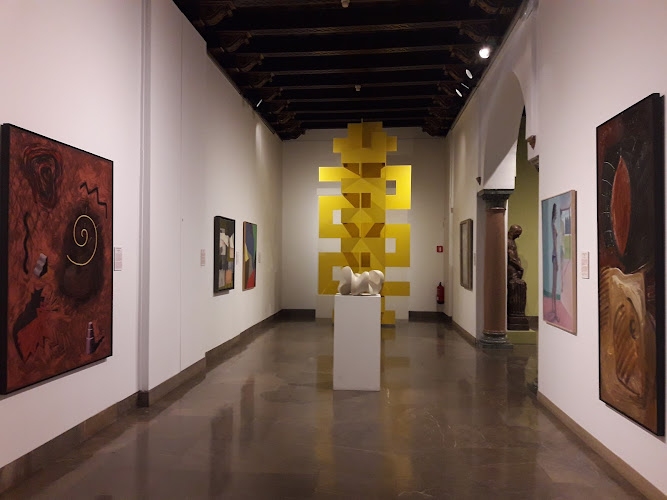
Museum of Fine Arts of Cordoba
About Museum of Fine Arts of Cordoba
Description
There’s something quietly magical about walking into the Museum of Fine Arts of Córdoba. It’s not just another art museum—it’s a beautiful blend of Andalusian history, artistry, and a touch of that old-world charm you can’t quite put into words. Housed in what was once the Hospital de la Caridad, a 15th-century building in the heart of Córdoba, the museum feels like stepping into a living timeline of Spanish creativity. The walls themselves seem to whisper stories from centuries past, while the artworks—paintings, sculptures, and sketches—bring those stories vividly to life.
The museum’s collection spans from the 14th century to modern times, showcasing the evolution of Cordoban and Andalusian art. You’ll find everything from religious Baroque paintings to expressive 19th-century portraits and even a few pieces that flirt with modernism. It’s not overwhelming like some of the massive European galleries; instead, it’s intimate, personal, and deeply connected to the city’s soul. You can almost feel the pride of Córdoba in every brushstroke.
One of the things that struck me most when I first visited was how the museum balances grandeur and simplicity. You don’t need to be an art expert to enjoy it. There’s a warmth here—something about the way sunlight filters through the old windows and dances across centuries-old canvases. And because it shares the same courtyard as the Julio Romero de Torres Museum, it’s easy to make an afternoon of it, moving between two very different yet complementary worlds of art.
Sure, not every visitor is blown away—some might find it a bit quieter or smaller than expected—but that’s exactly why I love it. It’s the kind of place where you can slow down, breathe, and actually look at the art instead of rushing past it. Whether you’re an art lover, a history buff, or just someone who appreciates a good story told through color and form, this museum has a way of pulling you in gently and leaving you a little more inspired than when you walked in.
Key Features
- Historic Setting: Located in a beautifully preserved 15th-century building that once served as a charitable hospital, offering visitors a taste of Córdoba’s architectural past.
- Extensive Art Collection: Features works from the 14th to the 20th century, highlighting the evolution of local and Andalusian art through the ages.
- Focus on Cordoban Artists: Showcases masterpieces by local painters and sculptors, including works that reveal the city’s artistic identity across centuries.
- Baroque and 19th-Century Highlights: The museum’s strongest collections are from these periods, rich in emotion, drama, and detail.
- Intimate Atmosphere: Smaller and more personal than many major museums, allowing visitors to truly connect with the art on display.
- Family-Friendly Environment: Welcoming to visitors of all ages, including families with children who want to explore Córdoba’s cultural side.
- Accessibility: Wheelchair-accessible entrances and restrooms ensure comfort for all visitors.
- Peaceful Courtyard: The shared courtyard with the Julio Romero de Torres Museum adds to the charm, offering a quiet spot to rest between exhibits.
Best Time to Visit
If you ask me, the best time to visit the Museum of Fine Arts of Córdoba is during the spring or autumn months. The weather is just right—not too hot, not too crowded—and the city feels alive without being overwhelming. Spring, especially around May, brings Córdoba’s famous patios festival, when the whole city bursts into color. It’s a perfect time to pair your museum visit with a stroll through the nearby old town. The light during these months is incredible, and it makes the museum’s courtyards even more picturesque.
Winter can also be a lovely time to go if you prefer a quieter experience. There’s something cozy about wandering through the galleries when it’s cooler outside, taking your time without the rush of tourists. Summer, on the other hand, can be quite hot—Córdoba’s heat is no joke—but if you do visit then, aim for early morning or late afternoon when the museum is cooler and the light is softer. And honestly, there’s a certain charm in escaping the midday sun inside those centuries-old stone walls.
How to Get There
Getting to the museum is pretty straightforward, especially if you’re already exploring Córdoba’s old town. It’s located near the Plaza del Potro, one of those charming little squares that feels straight out of a painting itself. From the Mezquita-Catedral, it’s just a short walk—maybe ten minutes if you take your time (and you should, because every corner of this city is worth a glance). The narrow cobbled streets along the way are part of the experience, and you’ll likely pass a few artisan shops and cafés that tempt you to linger.
If you’re coming from the train station, it’s about a 25-minute walk or a quick taxi ride. Buses also run regularly toward the city center, and most will drop you within walking distance. Just keep in mind that the old town is best explored on foot. Driving there can be tricky due to narrow streets and limited parking. If you’re staying nearby, I’d say skip the car altogether—Córdoba is one of those places best experienced slowly, step by step, with time to soak in the atmosphere.
Tips for Visiting
Alright, a few personal tips to make the most of your visit. First off, take your time. This isn’t one of those museums you rush through. Each room tells a different story, and if you linger a bit, you’ll notice the subtle details—the brushstrokes, the play of light, the way each piece reflects Córdoba’s evolving identity. Bring a small notebook if you’re the reflective type; I’ve jotted down thoughts here that later turned into some of my favorite travel memories.
Try to visit during the morning hours when it’s quieter. The museum tends to get a bit busier in the afternoons, especially on weekends. And if you’re traveling with kids, don’t worry—it’s surprisingly engaging for them, too. The sculptures and expressive portraits tend to capture their attention more than you’d think. There’s something about seeing art up close that sparks curiosity, even in little ones.
Since the museum doesn’t have a restaurant, plan to grab a bite nearby. There are plenty of tapas bars and cafés within walking distance, and honestly, that’s half the fun—wandering out afterward and finding a shady spot for some salmorejo or a cold drink. Also, check the museum’s schedule before you go; hours can vary, especially on holidays or during local festivals. And if you’re into photography, you’ll love the courtyard area—it’s one of those spots where the light hits just right in the late afternoon.
Lastly, don’t skip the chance to visit the Julio Romero de Torres Museum right next door. It’s practically a two-for-one experience, and the contrast between the two collections is fascinating. One celebrates Córdoba’s broader artistic history, while the other dives deep into the work of one of its most iconic painters. Together, they give you a fuller, richer picture of this city’s creative heartbeat.
Visiting the Museum of Fine Arts of Córdoba isn’t just about seeing art—it’s about feeling connected to centuries of human expression. It’s about slowing down, letting the past speak, and realizing that some emotions—beauty, faith, love, curiosity—never really change. Whether you’re an art aficionado or just someone wandering through Córdoba with an open heart, this museum has a quiet way of leaving an impression that lingers long after you’ve stepped back into the sunlit streets.
Key Features
- Key Features
- Best Time to Visit
- How to Get There
- Tips for Visiting
More Details
Updated December 1, 2025
Table of Contents
Description
There’s something quietly magical about walking into the Museum of Fine Arts of Córdoba. It’s not just another art museum—it’s a beautiful blend of Andalusian history, artistry, and a touch of that old-world charm you can’t quite put into words. Housed in what was once the Hospital de la Caridad, a 15th-century building in the heart of Córdoba, the museum feels like stepping into a living timeline of Spanish creativity. The walls themselves seem to whisper stories from centuries past, while the artworks—paintings, sculptures, and sketches—bring those stories vividly to life.
The museum’s collection spans from the 14th century to modern times, showcasing the evolution of Cordoban and Andalusian art. You’ll find everything from religious Baroque paintings to expressive 19th-century portraits and even a few pieces that flirt with modernism. It’s not overwhelming like some of the massive European galleries; instead, it’s intimate, personal, and deeply connected to the city’s soul. You can almost feel the pride of Córdoba in every brushstroke.
One of the things that struck me most when I first visited was how the museum balances grandeur and simplicity. You don’t need to be an art expert to enjoy it. There’s a warmth here—something about the way sunlight filters through the old windows and dances across centuries-old canvases. And because it shares the same courtyard as the Julio Romero de Torres Museum, it’s easy to make an afternoon of it, moving between two very different yet complementary worlds of art.
Sure, not every visitor is blown away—some might find it a bit quieter or smaller than expected—but that’s exactly why I love it. It’s the kind of place where you can slow down, breathe, and actually look at the art instead of rushing past it. Whether you’re an art lover, a history buff, or just someone who appreciates a good story told through color and form, this museum has a way of pulling you in gently and leaving you a little more inspired than when you walked in.
Key Features
- Historic Setting: Located in a beautifully preserved 15th-century building that once served as a charitable hospital, offering visitors a taste of Córdoba’s architectural past.
- Extensive Art Collection: Features works from the 14th to the 20th century, highlighting the evolution of local and Andalusian art through the ages.
- Focus on Cordoban Artists: Showcases masterpieces by local painters and sculptors, including works that reveal the city’s artistic identity across centuries.
- Baroque and 19th-Century Highlights: The museum’s strongest collections are from these periods, rich in emotion, drama, and detail.
- Intimate Atmosphere: Smaller and more personal than many major museums, allowing visitors to truly connect with the art on display.
- Family-Friendly Environment: Welcoming to visitors of all ages, including families with children who want to explore Córdoba’s cultural side.
- Accessibility: Wheelchair-accessible entrances and restrooms ensure comfort for all visitors.
- Peaceful Courtyard: The shared courtyard with the Julio Romero de Torres Museum adds to the charm, offering a quiet spot to rest between exhibits.
Best Time to Visit
If you ask me, the best time to visit the Museum of Fine Arts of Córdoba is during the spring or autumn months. The weather is just right—not too hot, not too crowded—and the city feels alive without being overwhelming. Spring, especially around May, brings Córdoba’s famous patios festival, when the whole city bursts into color. It’s a perfect time to pair your museum visit with a stroll through the nearby old town. The light during these months is incredible, and it makes the museum’s courtyards even more picturesque.
Winter can also be a lovely time to go if you prefer a quieter experience. There’s something cozy about wandering through the galleries when it’s cooler outside, taking your time without the rush of tourists. Summer, on the other hand, can be quite hot—Córdoba’s heat is no joke—but if you do visit then, aim for early morning or late afternoon when the museum is cooler and the light is softer. And honestly, there’s a certain charm in escaping the midday sun inside those centuries-old stone walls.
How to Get There
Getting to the museum is pretty straightforward, especially if you’re already exploring Córdoba’s old town. It’s located near the Plaza del Potro, one of those charming little squares that feels straight out of a painting itself. From the Mezquita-Catedral, it’s just a short walk—maybe ten minutes if you take your time (and you should, because every corner of this city is worth a glance). The narrow cobbled streets along the way are part of the experience, and you’ll likely pass a few artisan shops and cafés that tempt you to linger.
If you’re coming from the train station, it’s about a 25-minute walk or a quick taxi ride. Buses also run regularly toward the city center, and most will drop you within walking distance. Just keep in mind that the old town is best explored on foot. Driving there can be tricky due to narrow streets and limited parking. If you’re staying nearby, I’d say skip the car altogether—Córdoba is one of those places best experienced slowly, step by step, with time to soak in the atmosphere.
Tips for Visiting
Alright, a few personal tips to make the most of your visit. First off, take your time. This isn’t one of those museums you rush through. Each room tells a different story, and if you linger a bit, you’ll notice the subtle details—the brushstrokes, the play of light, the way each piece reflects Córdoba’s evolving identity. Bring a small notebook if you’re the reflective type; I’ve jotted down thoughts here that later turned into some of my favorite travel memories.
Try to visit during the morning hours when it’s quieter. The museum tends to get a bit busier in the afternoons, especially on weekends. And if you’re traveling with kids, don’t worry—it’s surprisingly engaging for them, too. The sculptures and expressive portraits tend to capture their attention more than you’d think. There’s something about seeing art up close that sparks curiosity, even in little ones.
Since the museum doesn’t have a restaurant, plan to grab a bite nearby. There are plenty of tapas bars and cafés within walking distance, and honestly, that’s half the fun—wandering out afterward and finding a shady spot for some salmorejo or a cold drink. Also, check the museum’s schedule before you go; hours can vary, especially on holidays or during local festivals. And if you’re into photography, you’ll love the courtyard area—it’s one of those spots where the light hits just right in the late afternoon.
Lastly, don’t skip the chance to visit the Julio Romero de Torres Museum right next door. It’s practically a two-for-one experience, and the contrast between the two collections is fascinating. One celebrates Córdoba’s broader artistic history, while the other dives deep into the work of one of its most iconic painters. Together, they give you a fuller, richer picture of this city’s creative heartbeat.
Visiting the Museum of Fine Arts of Córdoba isn’t just about seeing art—it’s about feeling connected to centuries of human expression. It’s about slowing down, letting the past speak, and realizing that some emotions—beauty, faith, love, curiosity—never really change. Whether you’re an art aficionado or just someone wandering through Córdoba with an open heart, this museum has a quiet way of leaving an impression that lingers long after you’ve stepped back into the sunlit streets.
Key Highlights
- Key Features
- Best Time to Visit
- How to Get There
- Tips for Visiting
Location
Places to Stay Near Museum of Fine Arts of Cordoba
Find and Book a Tour
Explore More Travel Guides
No reviews found! Be the first to review!
Traveler Reviews for Museum of Fine Arts of Cordoba
There are no reviews yet. Be the first one to write one.
Have you visited Museum of Fine Arts of Cordoba? Help other travelers by sharing your review.
You Might Also Like

Molino de Albolafia

Alcázar de los Reyes Cristianos

Mosque-Cathedral Monumental Site of Córdoba
Find Accommodations Nearby
Recommended Tours & Activities
Visitor Reviews
There are no reviews yet. Be the first one to write one.
Share Your Experience
Have you visited Museum of Fine Arts of Cordoba? Help other travelers by leaving a review.