
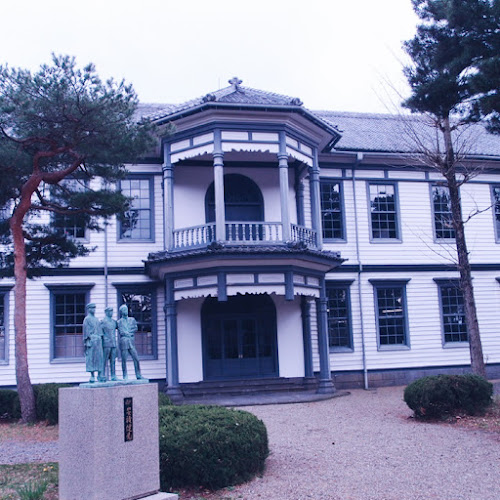
Asaka History Museum (Former Fukushima Prefectural Ordinary Middle School Main Building)
About Asaka History Museum (Former Fukushima Prefectural Ordinary Middle School Main Building)
Description
The Asaka History Museum, officially known as the Former Fukushima Prefectural Ordinary Middle School Main Building, is one of those places that quietly pulls you in with its history rather than flashing bright lights to get your attention. Built way back in 1889, during Japan’s Meiji era, it’s a rare surviving example of Western-style architecture from that period, the kind of solid, understated elegance you just don’t see much anymore. You can almost feel the decades in the woodwork and design—a sturdy reminder of when Japan was surging into modernity but still hanging tight to parts of its tradition.
Now here’s the thing—at the moment, visiting is a bit tricky. The museum has been closed for a long stretch due to earthquake damage from the tremors in early 2021 and 2022. They're in the middle of seismic reinforcement and repairs, with plans to reopen in 2027. So unfortunately, you won't be able to stroll through the halls right now. But the story of the building still matters, and if you love heritage sites, it’s worth keeping this on your travel radar. Think of it as a historical bookmark for a future trip.
When it was open, it wasn’t just a place to stand around and look at artifacts. This building had character. Its design reflects Europe-influenced architecture, with a symmetrical façade, arched windows, and detailed carpentry inside. Over time, it became a hub for preserving and showcasing not just Koriyama’s history but also the broader story of Fukushima’s educational and cultural development. Even now, the institution in charge organizes cultural arts activities and occasionally rents the space for photography projects, though access is limited.
One thing that always stuck with me when I first learned about it is how rare a place like this is in Japan. Many structures from that age didn’t survive earthquakes, fires, war, or just plain development, so the fact this one is still standing—albeit under repair—feels like a small miracle. If you’re fascinated by Japan’s modernization era, where samurai memories mixed with industrial ambitions, this building kind of embodies that hybrid moment in history.
Key Features
- Built in 1889, making it one of the oldest surviving Western-style school buildings in Japan
- Designated as an Important Cultural Property due to its architectural and historical significance
- Symmetrical main façade with large windows and intricate wooden detailing
- Served as an educational institution during the Meiji era, reflecting Japan’s early steps into modern education
- Managed by the Asaka History Museum for preservation and public cultural activities
- Former classroom interiors that transported visitors back to the late 19th and early 20th centuries
- Wheelchair accessible entrance and restrooms, with Wi-Fi for visitors when open
Best Time to Visit
If you’re talking about the actual museum experience, well, you’ll need to wait until the renovations wrap up. But that can be a blessing in disguise. When it does reopen in 2027, I’d recommend timing your visit in spring or autumn. Spring in Koriyama brings gentle weather and cherry blossoms, which—not to overstate this—look breathtaking against historical architecture. Autumn will give you that crisp air and golden foliage, adding a sense of warmth (and fantastic photography potential) to a building with already plenty of old-world charm.
Summer can be hot and humid here, and while winter has its own beauty, the chill can make exploring uncomfortable if you’re not layered up. That said, if you just want to pass by and admire the exterior during repair works, any time of year is fine—but do check local updates to see if parts of the site are accessible or viewable.
How to Get There
The Asaka History Museum is located in a central part of Koriyama, so getting there is straightforward once you’re in the city. If you’re coming in by train, Koriyama Station is your key hub—it’s on the JR Tohoku Shinkansen line, meaning you can zip in from Tokyo in under 90 minutes. From the station, it’s a short bus or taxi ride to the museum site. Locals will often just say “the old middle school building” and people will know exactly where you mean.
If you’re more of a walker, it’s about 30 minutes on foot from the station, though keep in mind the weather. Driving is also an option, and there’s generally parking nearby, though spots can be limited, especially during special events or photo shoots even while closed.
Tips for Visiting
First and foremost, know that the museum is under long-term closure until March 2027. That said, planning ahead can make your eventual visit all the more satisfying. Here are a few thoughts from someone who has learned the hard way about showing up without checking first:
- Follow local information boards or city tourism updates for news of any partial openings, exterior tours, or special events.
- When open, set aside at least an hour. Even if you think you’re “not into museums,” the building itself is worth lingering in.
- Keep your camera ready. The light through those big old windows changes through the day and creates amazing shadow patterns.
- If you visit after reopening, consider joining a guided tour. You’ll pick up on details—like the subtle variation in wood types or the way the classrooms were laid out—that you might otherwise overlook.
- Look nearby for other attractions. Koriyama has some great parks and other cultural spots, so you can easily make a day of it.
- When repairs are done, accessibility should still be good for wheelchair users and visitors with mobility concerns, so don’t be put off by the age of the building.
In my opinion, half the joy of historic sites like the Former Fukushima Prefectural Ordinary Middle School Main Building comes from the contrast. Stepping into a space built over a century ago, when life moved at a fraction of today’s speed, forces you to slow down and notice things—craftsmanship, materials, even the way the floor creaks underfoot. If you can hold out until the doors open again, you’ll get to experience that shift in time for yourself. And given how well they’ve looked after it so far, I’m betting the wait will be absolutely worth it.
Key Features
- Built in 1889, making it one of the oldest surviving Western-style school buildings in Japan
- Designated as an Important Cultural Property due to its architectural and historical significance
- Symmetrical main façade with large windows and intricate wooden detailing
- Served as an educational institution during the Meiji era, reflecting Japan’s early steps into modern education
- Managed by the Asaka History Museum for preservation and public cultural activities
- Former classroom interiors that transported visitors back to the late 19th and early 20th centuries
- Wheelchair accessible entrance and restrooms, with Wi-Fi for visitors when open
- Follow local information boards or city tourism updates for news of any partial openings, exterior tours, or special events.
More Details
Updated August 8, 2025
Table of Contents
- Description
- Key Features
- Best Time to Visit
- How to Get There
- Tips for Visiting
- Key Highlights
- Location
- Places to Stay Near Asaka History Museum (Former Fukushima Prefectural Ordinary Middle School Main Building)
- Find and Book a Tour
- Explore More Travel Guides
- Nearby Places You Might Like
- Traveler Reviews for Asaka History Museum (Former Fukushima Prefectural Ordinary Middle School Main Building)
- Share Your Experience
Description
The Asaka History Museum, officially known as the Former Fukushima Prefectural Ordinary Middle School Main Building, is one of those places that quietly pulls you in with its history rather than flashing bright lights to get your attention. Built way back in 1889, during Japan’s Meiji era, it’s a rare surviving example of Western-style architecture from that period, the kind of solid, understated elegance you just don’t see much anymore. You can almost feel the decades in the woodwork and design—a sturdy reminder of when Japan was surging into modernity but still hanging tight to parts of its tradition.
Now here’s the thing—at the moment, visiting is a bit tricky. The museum has been closed for a long stretch due to earthquake damage from the tremors in early 2021 and 2022. They’re in the middle of seismic reinforcement and repairs, with plans to reopen in 2027. So unfortunately, you won’t be able to stroll through the halls right now. But the story of the building still matters, and if you love heritage sites, it’s worth keeping this on your travel radar. Think of it as a historical bookmark for a future trip.
When it was open, it wasn’t just a place to stand around and look at artifacts. This building had character. Its design reflects Europe-influenced architecture, with a symmetrical façade, arched windows, and detailed carpentry inside. Over time, it became a hub for preserving and showcasing not just Koriyama’s history but also the broader story of Fukushima’s educational and cultural development. Even now, the institution in charge organizes cultural arts activities and occasionally rents the space for photography projects, though access is limited.
One thing that always stuck with me when I first learned about it is how rare a place like this is in Japan. Many structures from that age didn’t survive earthquakes, fires, war, or just plain development, so the fact this one is still standing—albeit under repair—feels like a small miracle. If you’re fascinated by Japan’s modernization era, where samurai memories mixed with industrial ambitions, this building kind of embodies that hybrid moment in history.
Key Features
- Built in 1889, making it one of the oldest surviving Western-style school buildings in Japan
- Designated as an Important Cultural Property due to its architectural and historical significance
- Symmetrical main façade with large windows and intricate wooden detailing
- Served as an educational institution during the Meiji era, reflecting Japan’s early steps into modern education
- Managed by the Asaka History Museum for preservation and public cultural activities
- Former classroom interiors that transported visitors back to the late 19th and early 20th centuries
- Wheelchair accessible entrance and restrooms, with Wi-Fi for visitors when open
Best Time to Visit
If you’re talking about the actual museum experience, well, you’ll need to wait until the renovations wrap up. But that can be a blessing in disguise. When it does reopen in 2027, I’d recommend timing your visit in spring or autumn. Spring in Koriyama brings gentle weather and cherry blossoms, which—not to overstate this—look breathtaking against historical architecture. Autumn will give you that crisp air and golden foliage, adding a sense of warmth (and fantastic photography potential) to a building with already plenty of old-world charm.
Summer can be hot and humid here, and while winter has its own beauty, the chill can make exploring uncomfortable if you’re not layered up. That said, if you just want to pass by and admire the exterior during repair works, any time of year is fine—but do check local updates to see if parts of the site are accessible or viewable.
How to Get There
The Asaka History Museum is located in a central part of Koriyama, so getting there is straightforward once you’re in the city. If you’re coming in by train, Koriyama Station is your key hub—it’s on the JR Tohoku Shinkansen line, meaning you can zip in from Tokyo in under 90 minutes. From the station, it’s a short bus or taxi ride to the museum site. Locals will often just say “the old middle school building” and people will know exactly where you mean.
If you’re more of a walker, it’s about 30 minutes on foot from the station, though keep in mind the weather. Driving is also an option, and there’s generally parking nearby, though spots can be limited, especially during special events or photo shoots even while closed.
Tips for Visiting
First and foremost, know that the museum is under long-term closure until March 2027. That said, planning ahead can make your eventual visit all the more satisfying. Here are a few thoughts from someone who has learned the hard way about showing up without checking first:
- Follow local information boards or city tourism updates for news of any partial openings, exterior tours, or special events.
- When open, set aside at least an hour. Even if you think you’re “not into museums,” the building itself is worth lingering in.
- Keep your camera ready. The light through those big old windows changes through the day and creates amazing shadow patterns.
- If you visit after reopening, consider joining a guided tour. You’ll pick up on details—like the subtle variation in wood types or the way the classrooms were laid out—that you might otherwise overlook.
- Look nearby for other attractions. Koriyama has some great parks and other cultural spots, so you can easily make a day of it.
- When repairs are done, accessibility should still be good for wheelchair users and visitors with mobility concerns, so don’t be put off by the age of the building.
In my opinion, half the joy of historic sites like the Former Fukushima Prefectural Ordinary Middle School Main Building comes from the contrast. Stepping into a space built over a century ago, when life moved at a fraction of today’s speed, forces you to slow down and notice things—craftsmanship, materials, even the way the floor creaks underfoot. If you can hold out until the doors open again, you’ll get to experience that shift in time for yourself. And given how well they’ve looked after it so far, I’m betting the wait will be absolutely worth it.
Key Highlights
- Built in 1889, making it one of the oldest surviving Western-style school buildings in Japan
- Designated as an Important Cultural Property due to its architectural and historical significance
- Symmetrical main façade with large windows and intricate wooden detailing
- Served as an educational institution during the Meiji era, reflecting Japan’s early steps into modern education
- Managed by the Asaka History Museum for preservation and public cultural activities
- Former classroom interiors that transported visitors back to the late 19th and early 20th centuries
- Wheelchair accessible entrance and restrooms, with Wi-Fi for visitors when open
- Follow local information boards or city tourism updates for news of any partial openings, exterior tours, or special events.
Location
Places to Stay Near Asaka History Museum (Former Fukushima Prefectural Ordinary Middle School Main Building)
Find and Book a Tour
Explore More Travel Guides
No reviews found! Be the first to review!
Traveler Reviews for Asaka History Museum (Former Fukushima Prefectural Ordinary Middle School Main Building)
There are no reviews yet. Be the first one to write one.
Have you visited Asaka History Museum (Former Fukushima Prefectural Ordinary Middle School Main Building)? Help other travelers by sharing your review.
You Might Also Like
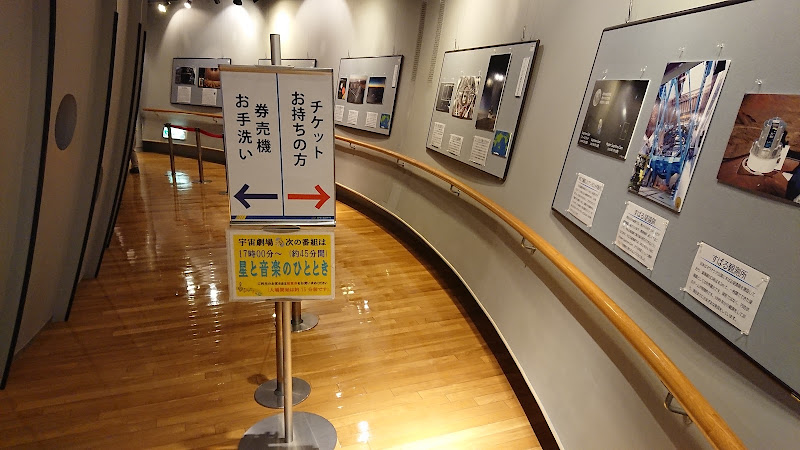
Koriyama City Fureai Science Museum Space Park
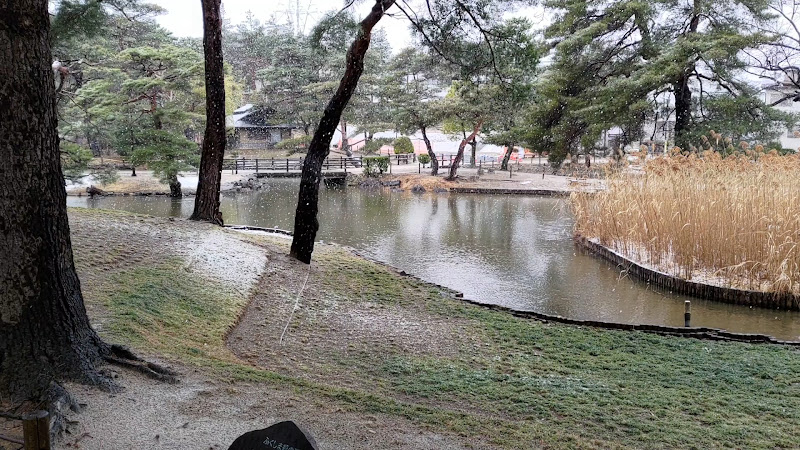
Hayama Park
Mihotamachi Oya
Find Accommodations Nearby
Recommended Tours & Activities
Visitor Reviews
There are no reviews yet. Be the first one to write one.
Share Your Experience
Have you visited Asaka History Museum (Former Fukushima Prefectural Ordinary Middle School Main Building)? Help other travelers by leaving a review.