
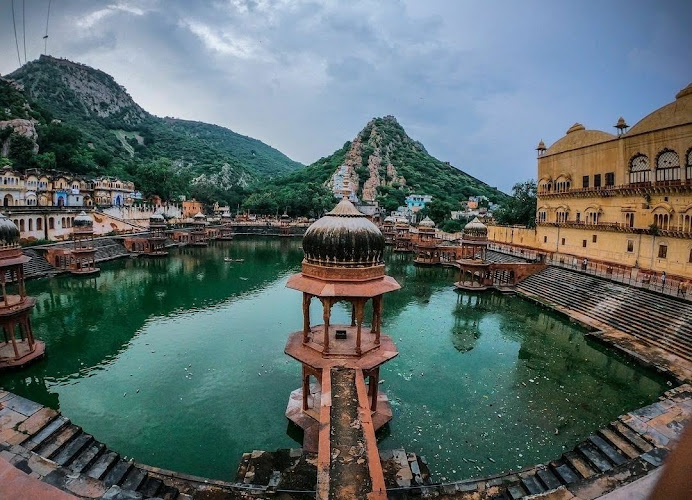
Alwar
About Alwar
Description
Alwar, tucked between the rolling Aravalli hills of Rajasthan, is one of those places that quietly surprises you. It’s not as flashy as Jaipur or as tourist-heavy as Udaipur, but that’s honestly part of its charm. The city feels like a living museum where every stone, every archway, seems to whisper stories from centuries past. And believe me, when you walk through its narrow lanes or stand before the grand Alwar City Palace, you can almost feel the pulse of history beneath your feet.
The City Palace, built in 1793, is a fascinating blend of Mughal and Rajput architecture. Its marble pavilions rest on lotus-shaped bases, and the intricate carvings have a level of detail that makes you stop and stare. Inside, there’s a museum that holds rare manuscripts, old weaponry, and miniature paintings that tell tales of royal life. Just next door, the Moosi Maharani Chhatri—made of marble and sandstone—stands gracefully as a symbol of devotion and artistry. It’s one of those places that looks even more magical when the sun starts to dip and the stone glows golden.
Then there’s Bala Qila, perched high above the city. The climb up is steep, but the view from the top is worth every step. The fort, with its marble pillars and latticed balconies, feels timeless. I remember the first time I went up there on a slightly cloudy afternoon—it had just rained, and the whole valley below was washed clean and green. The wind carried the smell of wet earth and distant temple bells. It’s one of those moments that stay with you.
A short drive southwest takes you to the Sariska Tiger Reserve, one of the most popular wildlife sanctuaries in northern India. If you’re lucky, you might spot a tiger slinking between the trees or a herd of deer grazing peacefully in the meadows. Even if you don’t, the landscape itself—dense forests, rocky hills, and tranquil lakes—makes the trip worthwhile. Alwar manages to balance heritage and nature beautifully; it’s a place where you can wander through ancient palaces one morning and go wildlife spotting the next.
Key Features
- Historic Alwar City Palace featuring Mughal and Rajput architectural fusion
- Moosi Maharani Chhatri, a stunning marble and sandstone cenotaph with intricate carvings
- Bala Qila Fort offering panoramic views and centuries-old architecture
- Sariska Tiger Reserve, home to Bengal tigers, leopards, and a variety of bird species
- Rich local markets selling traditional Rajasthani handicrafts, jewelry, and street food
- Proximity to Delhi and Jaipur, making it a convenient weekend getaway
- Blend of cultural heritage, royal history, and natural beauty
Best Time to Visit
If you ask me, winter is hands down the best time to visit Alwar. From October to March, the weather is pleasant—cool mornings, crisp evenings, and just the right amount of warmth during the day. Perfect for exploring forts without feeling like you’re melting under the Rajasthan sun. Summers, on the other hand, can be brutal. Unless you’re particularly fond of 45°C heat (and I doubt you are), it’s better to avoid May and June. The monsoon season, though short, brings a certain freshness to the hills, turning them a lush green. It’s a different kind of beauty, quieter and more introspective.
If you’re planning to visit Sariska, winter is again ideal—not just for comfort but also for wildlife sightings. Animals are more active during the cooler months, and early morning safaris can be magical with mist hanging low over the forest floor. I once went in January, and the silence of the jungle at dawn was almost spiritual.
How to Get There
Alwar is surprisingly well-connected, which makes it an easy pick for spontaneous travelers. If you’re coming from Delhi, it’s roughly a three-hour drive—about 160 kilometers—via NH48. The route is smooth and scenic, with plenty of roadside dhabas serving hot parathas and chai. Honestly, half the fun of the trip is the journey itself.
There’s also a railway station in Alwar that’s part of the Delhi–Jaipur line, so trains are frequent and convenient. From Jaipur, it’s just about 150 kilometers away, making it a great addition to your Rajasthan itinerary. For those flying in, the nearest airport is in Jaipur, and from there, you can easily hire a car or take a bus to Alwar. Local transport within the city includes auto-rickshaws and taxis, though I’d recommend hiring a private car if you plan to explore places like Bala Qila or Sariska.
Tips for Visiting
A few things I’ve learned from my trips to Alwar—some the easy way, others not so much. First, start your day early. The forts and palaces open around 9 AM, and mornings are the best time to explore before the crowds roll in. Carry water, sunscreen, and a hat; the sun can get intense even in winter. If you’re heading to Bala Qila, wear comfortable shoes—the climb is steep, and the paths can be uneven.
When visiting the City Palace or Moosi Maharani Chhatri, take your time. Don’t rush through. There’s so much detail in the architecture that you’ll miss if you’re just snapping photos. Talk to the locals too; they’re full of stories and legends about the royal families and the city’s past. I once met an elderly guard at the palace who told me about how the royal processions used to pass through the same gates centuries ago—it made the whole experience come alive.
For Sariska, book your safari in advance, especially during weekends and holidays. Morning safaris are the best for spotting wildlife. And don’t expect it to be like a zoo—tigers don’t show up on command. Sometimes, the thrill lies in the wait, in the rustle of leaves and the distant call of a peacock echoing through the forest.
If you’re a foodie, don’t skip the local cuisine. Try the Alwar kalakand (a sweet made from milk)—it’s legendary. The first time I tasted it, I ended up buying an extra box to take home, though it didn’t last the journey. The city’s small eateries serve hearty Rajasthani thalis, spicy curries, and freshly fried pakoras that go perfectly with a cup of masala chai.
Lastly, give yourself time. Alwar isn’t a place to rush through. It’s best enjoyed slowly—walking through its old bazaars, watching the sunset from the fort, or simply sitting by the lake as the city lights start to twinkle. It’s one of those places that grows on you quietly, leaving you with memories that linger long after you’ve left.
In many ways, Alwar feels like a bridge between the royal grandeur of Rajasthan and the raw, untamed beauty of its wilderness. It’s not perfect—some monuments are weathered, some roads uneven—but that’s part of what makes it real. And maybe that’s why travelers who find their way here often end up falling in love with it. It’s a city that doesn’t try too hard to impress, yet somehow, it does.
Key Features
- Historic Alwar City Palace featuring Mughal and Rajput architectural fusion
- Moosi Maharani Chhatri, a stunning marble and sandstone cenotaph with intricate carvings
- Bala Qila Fort offering panoramic views and centuries-old architecture
- Sariska Tiger Reserve, home to Bengal tigers, leopards, and a variety of bird species
- Rich local markets selling traditional Rajasthani handicrafts, jewelry, and street food
- Proximity to Delhi and Jaipur, making it a convenient weekend getaway
- Blend of cultural heritage, royal history, and natural beauty
More Details
Updated December 1, 2025
Table of Contents
Description
Alwar, tucked between the rolling Aravalli hills of Rajasthan, is one of those places that quietly surprises you. It’s not as flashy as Jaipur or as tourist-heavy as Udaipur, but that’s honestly part of its charm. The city feels like a living museum where every stone, every archway, seems to whisper stories from centuries past. And believe me, when you walk through its narrow lanes or stand before the grand Alwar City Palace, you can almost feel the pulse of history beneath your feet.
The City Palace, built in 1793, is a fascinating blend of Mughal and Rajput architecture. Its marble pavilions rest on lotus-shaped bases, and the intricate carvings have a level of detail that makes you stop and stare. Inside, there’s a museum that holds rare manuscripts, old weaponry, and miniature paintings that tell tales of royal life. Just next door, the Moosi Maharani Chhatri—made of marble and sandstone—stands gracefully as a symbol of devotion and artistry. It’s one of those places that looks even more magical when the sun starts to dip and the stone glows golden.
Then there’s Bala Qila, perched high above the city. The climb up is steep, but the view from the top is worth every step. The fort, with its marble pillars and latticed balconies, feels timeless. I remember the first time I went up there on a slightly cloudy afternoon—it had just rained, and the whole valley below was washed clean and green. The wind carried the smell of wet earth and distant temple bells. It’s one of those moments that stay with you.
A short drive southwest takes you to the Sariska Tiger Reserve, one of the most popular wildlife sanctuaries in northern India. If you’re lucky, you might spot a tiger slinking between the trees or a herd of deer grazing peacefully in the meadows. Even if you don’t, the landscape itself—dense forests, rocky hills, and tranquil lakes—makes the trip worthwhile. Alwar manages to balance heritage and nature beautifully; it’s a place where you can wander through ancient palaces one morning and go wildlife spotting the next.
Key Features
- Historic Alwar City Palace featuring Mughal and Rajput architectural fusion
- Moosi Maharani Chhatri, a stunning marble and sandstone cenotaph with intricate carvings
- Bala Qila Fort offering panoramic views and centuries-old architecture
- Sariska Tiger Reserve, home to Bengal tigers, leopards, and a variety of bird species
- Rich local markets selling traditional Rajasthani handicrafts, jewelry, and street food
- Proximity to Delhi and Jaipur, making it a convenient weekend getaway
- Blend of cultural heritage, royal history, and natural beauty
Best Time to Visit
If you ask me, winter is hands down the best time to visit Alwar. From October to March, the weather is pleasant—cool mornings, crisp evenings, and just the right amount of warmth during the day. Perfect for exploring forts without feeling like you’re melting under the Rajasthan sun. Summers, on the other hand, can be brutal. Unless you’re particularly fond of 45°C heat (and I doubt you are), it’s better to avoid May and June. The monsoon season, though short, brings a certain freshness to the hills, turning them a lush green. It’s a different kind of beauty, quieter and more introspective.
If you’re planning to visit Sariska, winter is again ideal—not just for comfort but also for wildlife sightings. Animals are more active during the cooler months, and early morning safaris can be magical with mist hanging low over the forest floor. I once went in January, and the silence of the jungle at dawn was almost spiritual.
How to Get There
Alwar is surprisingly well-connected, which makes it an easy pick for spontaneous travelers. If you’re coming from Delhi, it’s roughly a three-hour drive—about 160 kilometers—via NH48. The route is smooth and scenic, with plenty of roadside dhabas serving hot parathas and chai. Honestly, half the fun of the trip is the journey itself.
There’s also a railway station in Alwar that’s part of the Delhi–Jaipur line, so trains are frequent and convenient. From Jaipur, it’s just about 150 kilometers away, making it a great addition to your Rajasthan itinerary. For those flying in, the nearest airport is in Jaipur, and from there, you can easily hire a car or take a bus to Alwar. Local transport within the city includes auto-rickshaws and taxis, though I’d recommend hiring a private car if you plan to explore places like Bala Qila or Sariska.
Tips for Visiting
A few things I’ve learned from my trips to Alwar—some the easy way, others not so much. First, start your day early. The forts and palaces open around 9 AM, and mornings are the best time to explore before the crowds roll in. Carry water, sunscreen, and a hat; the sun can get intense even in winter. If you’re heading to Bala Qila, wear comfortable shoes—the climb is steep, and the paths can be uneven.
When visiting the City Palace or Moosi Maharani Chhatri, take your time. Don’t rush through. There’s so much detail in the architecture that you’ll miss if you’re just snapping photos. Talk to the locals too; they’re full of stories and legends about the royal families and the city’s past. I once met an elderly guard at the palace who told me about how the royal processions used to pass through the same gates centuries ago—it made the whole experience come alive.
For Sariska, book your safari in advance, especially during weekends and holidays. Morning safaris are the best for spotting wildlife. And don’t expect it to be like a zoo—tigers don’t show up on command. Sometimes, the thrill lies in the wait, in the rustle of leaves and the distant call of a peacock echoing through the forest.
If you’re a foodie, don’t skip the local cuisine. Try the Alwar kalakand (a sweet made from milk)—it’s legendary. The first time I tasted it, I ended up buying an extra box to take home, though it didn’t last the journey. The city’s small eateries serve hearty Rajasthani thalis, spicy curries, and freshly fried pakoras that go perfectly with a cup of masala chai.
Lastly, give yourself time. Alwar isn’t a place to rush through. It’s best enjoyed slowly—walking through its old bazaars, watching the sunset from the fort, or simply sitting by the lake as the city lights start to twinkle. It’s one of those places that grows on you quietly, leaving you with memories that linger long after you’ve left.
In many ways, Alwar feels like a bridge between the royal grandeur of Rajasthan and the raw, untamed beauty of its wilderness. It’s not perfect—some monuments are weathered, some roads uneven—but that’s part of what makes it real. And maybe that’s why travelers who find their way here often end up falling in love with it. It’s a city that doesn’t try too hard to impress, yet somehow, it does.
Key Highlights
- Historic Alwar City Palace featuring Mughal and Rajput architectural fusion
- Moosi Maharani Chhatri, a stunning marble and sandstone cenotaph with intricate carvings
- Bala Qila Fort offering panoramic views and centuries-old architecture
- Sariska Tiger Reserve, home to Bengal tigers, leopards, and a variety of bird species
- Rich local markets selling traditional Rajasthani handicrafts, jewelry, and street food
- Proximity to Delhi and Jaipur, making it a convenient weekend getaway
- Blend of cultural heritage, royal history, and natural beauty
Location
Places to Stay Near Alwar
Find and Book a Tour
Explore More Travel Guides
No reviews found! Be the first to review!
Traveler Reviews for Alwar
There are no reviews yet. Be the first one to write one.
Have you visited Alwar? Help other travelers by sharing your review.
You Might Also Like
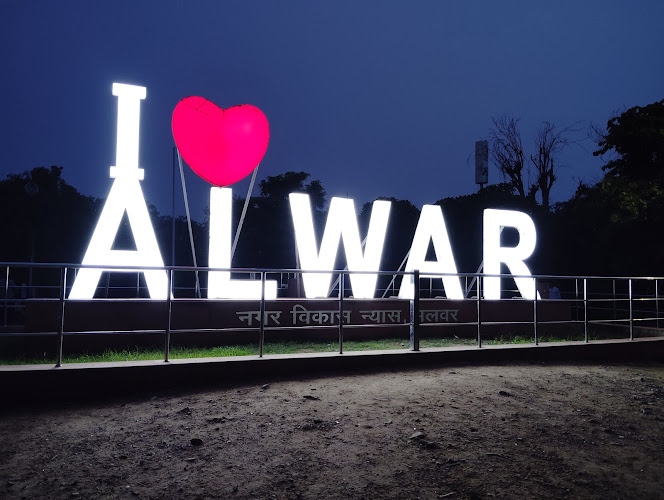
I Love Alwar Selfie Point.
Hope Circus
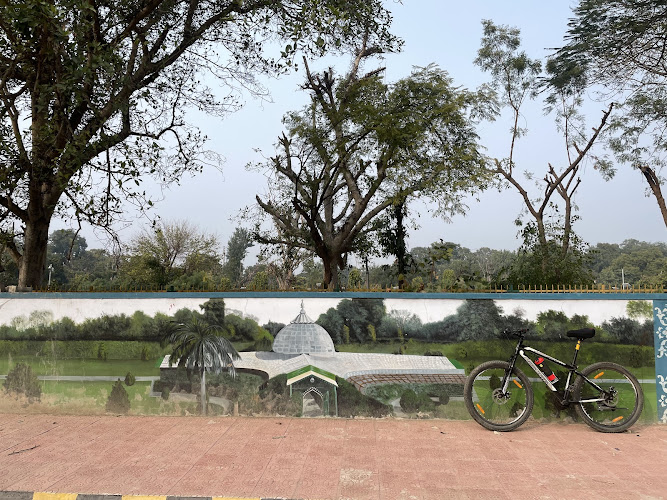
SMD Circle
Find Accommodations Nearby
Recommended Tours & Activities
Visitor Reviews
There are no reviews yet. Be the first one to write one.
Share Your Experience
Have you visited Alwar? Help other travelers by leaving a review.