
Alwar City Palace Vinay Villas Palace
About Alwar City Palace Vinay Villas Palace
Description
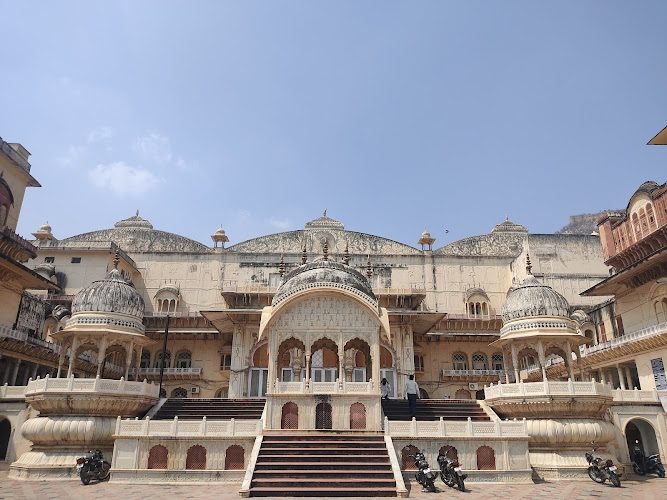
Alwar City Palace, also known as Vinay Vilas Palace, stands proudly at the foot of the Aravalli Hills, a living reminder of Rajasthan’s royal past. This grand palace, built in the late 18th century by Maharaja Bakhtawar Singh, captures the perfect blend of Mughal grace and Rajput strength. The palace complex is massive, with courtyards that seem to echo the footsteps of history, and walls that still whisper stories of royal processions, courtly intrigue, and lavish celebrations. It’s one of those places where time slows down just enough for you to imagine what life might have been like centuries ago.
Walking through the palace, you’ll notice the intricate detailing on the arches, the marble balconies that overlook the city, and the mirror work that still glimmers faintly despite the wear of years. Some parts of the palace now house government offices, which gives it a curious mix of the old and the functional. It’s not perfectly preserved—some corners show their age—but that’s part of the charm. You can feel the layers of history rather than just see them. For travelers who love architecture, photography, or simply the quiet hum of history, this palace is a must-see.
I remember the first time I visited—it was a hot afternoon, and I almost gave up trying to find the entrance because there weren’t many clear signs. But when I finally stepped through the main gate, the sight of the massive courtyard took my breath away. There’s something about standing in a place that has seen so much life and change; it makes you feel small and connected at the same time. And if you’re lucky, you might catch a local performance or cultural event held in the palace grounds, which adds a vibrant touch to the experience.
Key Features
- Architectural Blend: The palace showcases a fascinating combination of Mughal and Rajput design, with ornate balconies, grand gateways, and delicate frescoes.
- Historical Museum: Part of the palace has been converted into a museum displaying royal artifacts, manuscripts, and ancient weaponry, offering a glimpse into Alwar’s regal heritage.
- Courtyards and Towers: The complex features 15 large towers and 51 smaller ones, each offering unique views of the surrounding hills and cityscape.
- Mirror Work and Murals: The interiors are decorated with intricate mirror mosaics and colorful murals that reflect the artistic excellence of the era.
- Accessibility: The palace provides wheelchair-accessible entrances and parking, making it convenient for all visitors.
- Family-Friendly: It’s a great spot for families and kids, with open spaces to explore and fascinating exhibits to discover.
- Amenities: On-site facilities include restrooms, a restaurant serving local cuisine, and paid parking for visitors’ convenience.
- Live Performances: Occasionally, the palace hosts cultural shows and live performances that bring Rajasthani traditions to life.
What stands out most is the atmosphere—it’s not just a monument, it’s an experience. The palace feels alive with its mix of activity and decay, and that’s what makes it so compelling. You might see locals walking through the courtyards on their way to work, or a group of schoolchildren on a field trip, their laughter echoing off the old stone walls. It’s a place where the past and present coexist in a strangely beautiful way.
Best Time to Visit
The best time to visit the Alwar City Palace is between October and March, when the weather is cooler and more pleasant for exploring. Rajasthan’s summers can be intense, and wandering through marble courtyards under the midday sun isn’t for the faint of heart. Winter, on the other hand, brings crisp mornings and golden afternoons that make the palace’s architecture glow even more beautifully. If you can, plan your visit around local festivals like Alwar Festival or Holi—there’s a special energy in the city during those times, and the palace often becomes a backdrop for celebrations.
Personally, I prefer visiting just after sunrise or in the late afternoon. The light is softer, the crowds thinner, and the shadows on the palace walls create this almost cinematic effect. Bring your camera, but also take a few moments to just stand still and soak it all in—the sound of pigeons, the faint hum of the city, the scent of dust and jasmine in the air. It’s a sensory experience that stays with you long after you’ve left.
How to Get There
Getting to Alwar City Palace is fairly straightforward. Alwar is well-connected by road and rail to major cities like Jaipur and Delhi. If you’re driving, the journey from Delhi takes about three to four hours, depending on traffic. The roads are mostly good, though you might encounter a few bumpy stretches near the outskirts. For those who prefer public transport, regular trains and buses run to Alwar from both Delhi and Jaipur. Once you reach the city, local taxis and auto-rickshaws can take you directly to the palace area.
One thing to note: signage in Alwar isn’t always clear, especially for first-time visitors. I learned that the hard way when I ended up circling the same roundabout twice before realizing I’d missed the turn for the palace. So, if you’re driving yourself, it’s wise to use a reliable map app or ask locals for directions—they’re usually very helpful. Parking is available near the entrance, though it’s paid. If you’re staying overnight in Alwar, many hotels offer guided tours or transport arrangements to the palace, which can make things easier and more enjoyable.
Tips for Visiting
Visiting the Alwar City Palace can be a highlight of your Rajasthan trip if you plan it right. Here are a few tips I’ve picked up over the years that might make your visit smoother and more memorable:
- Arrive Early: Try to get there in the morning to beat the crowds and the heat. The light is great for photography too.
- Dress Comfortably: Wear breathable clothes and comfortable shoes—there’s quite a bit of walking involved, especially if you explore the museum and outer courtyards.
- Carry Water: There’s a restaurant on-site, but it’s always good to have your own bottle handy, particularly on warmer days.
- Photography: The palace is a dream for photographers. Just be mindful of restricted areas where photography might not be allowed.
- Respect the Space: Some parts of the palace are used for government offices, so maintain decorum and avoid entering restricted sections.
- Hire a Guide: A local guide can make a huge difference—they’ll share stories and details you’d never find in a brochure. It’s worth the small extra cost.
- Explore Nearby: Combine your visit with Bala Quila Fort or Siliserh Lake—they’re close by and add depth to your Alwar experience.
And here’s a small personal suggestion—don’t rush. The palace isn’t just about its architecture; it’s about the feeling of being there. Sit for a while in one of the courtyards, watch the light shift across the pillars, listen to the echoes of footsteps. It’s easy to get caught up in ticking off tourist spots, but places like this are meant to be felt, not just seen. Even if it’s a little rough around the edges, that imperfection makes it real, and that’s what makes it beautiful.
So, if you’re planning a trip through Rajasthan and want to experience a piece of history that still breathes, Alwar City Palace Vinay Vilas Palace deserves a spot on your list. It’s not just a destination—it’s a story waiting to be lived, one courtyard at a time.
Key Features
- Key Features
- Best Time to Visit
- How to Get There
- Tips for Visiting
More Details
Updated December 1, 2025
Table of Contents
- Description
- Key Features
- Best Time to Visit
- How to Get There
- Tips for Visiting
- Key Highlights
- Location
- Places to Stay Near Alwar City Palace Vinay Villas Palace
- Find and Book a Tour
- Explore More Travel Guides
- Nearby Places You Might Like
- Traveler Reviews for Alwar City Palace Vinay Villas Palace
- Share Your Experience
Description
Alwar City Palace, also known as Vinay Vilas Palace, stands proudly at the foot of the Aravalli Hills, a living reminder of Rajasthan’s royal past. This grand palace, built in the late 18th century by Maharaja Bakhtawar Singh, captures the perfect blend of Mughal grace and Rajput strength. The palace complex is massive, with courtyards that seem to echo the footsteps of history, and walls that still whisper stories of royal processions, courtly intrigue, and lavish celebrations. It’s one of those places where time slows down just enough for you to imagine what life might have been like centuries ago.
Walking through the palace, you’ll notice the intricate detailing on the arches, the marble balconies that overlook the city, and the mirror work that still glimmers faintly despite the wear of years. Some parts of the palace now house government offices, which gives it a curious mix of the old and the functional. It’s not perfectly preserved—some corners show their age—but that’s part of the charm. You can feel the layers of history rather than just see them. For travelers who love architecture, photography, or simply the quiet hum of history, this palace is a must-see.
I remember the first time I visited—it was a hot afternoon, and I almost gave up trying to find the entrance because there weren’t many clear signs. But when I finally stepped through the main gate, the sight of the massive courtyard took my breath away. There’s something about standing in a place that has seen so much life and change; it makes you feel small and connected at the same time. And if you’re lucky, you might catch a local performance or cultural event held in the palace grounds, which adds a vibrant touch to the experience.
Key Features
- Architectural Blend: The palace showcases a fascinating combination of Mughal and Rajput design, with ornate balconies, grand gateways, and delicate frescoes.
- Historical Museum: Part of the palace has been converted into a museum displaying royal artifacts, manuscripts, and ancient weaponry, offering a glimpse into Alwar’s regal heritage.
- Courtyards and Towers: The complex features 15 large towers and 51 smaller ones, each offering unique views of the surrounding hills and cityscape.
- Mirror Work and Murals: The interiors are decorated with intricate mirror mosaics and colorful murals that reflect the artistic excellence of the era.
- Accessibility: The palace provides wheelchair-accessible entrances and parking, making it convenient for all visitors.
- Family-Friendly: It’s a great spot for families and kids, with open spaces to explore and fascinating exhibits to discover.
- Amenities: On-site facilities include restrooms, a restaurant serving local cuisine, and paid parking for visitors’ convenience.
- Live Performances: Occasionally, the palace hosts cultural shows and live performances that bring Rajasthani traditions to life.
What stands out most is the atmosphere—it’s not just a monument, it’s an experience. The palace feels alive with its mix of activity and decay, and that’s what makes it so compelling. You might see locals walking through the courtyards on their way to work, or a group of schoolchildren on a field trip, their laughter echoing off the old stone walls. It’s a place where the past and present coexist in a strangely beautiful way.
Best Time to Visit
The best time to visit the Alwar City Palace is between October and March, when the weather is cooler and more pleasant for exploring. Rajasthan’s summers can be intense, and wandering through marble courtyards under the midday sun isn’t for the faint of heart. Winter, on the other hand, brings crisp mornings and golden afternoons that make the palace’s architecture glow even more beautifully. If you can, plan your visit around local festivals like Alwar Festival or Holi—there’s a special energy in the city during those times, and the palace often becomes a backdrop for celebrations.
Personally, I prefer visiting just after sunrise or in the late afternoon. The light is softer, the crowds thinner, and the shadows on the palace walls create this almost cinematic effect. Bring your camera, but also take a few moments to just stand still and soak it all in—the sound of pigeons, the faint hum of the city, the scent of dust and jasmine in the air. It’s a sensory experience that stays with you long after you’ve left.
How to Get There
Getting to Alwar City Palace is fairly straightforward. Alwar is well-connected by road and rail to major cities like Jaipur and Delhi. If you’re driving, the journey from Delhi takes about three to four hours, depending on traffic. The roads are mostly good, though you might encounter a few bumpy stretches near the outskirts. For those who prefer public transport, regular trains and buses run to Alwar from both Delhi and Jaipur. Once you reach the city, local taxis and auto-rickshaws can take you directly to the palace area.
One thing to note: signage in Alwar isn’t always clear, especially for first-time visitors. I learned that the hard way when I ended up circling the same roundabout twice before realizing I’d missed the turn for the palace. So, if you’re driving yourself, it’s wise to use a reliable map app or ask locals for directions—they’re usually very helpful. Parking is available near the entrance, though it’s paid. If you’re staying overnight in Alwar, many hotels offer guided tours or transport arrangements to the palace, which can make things easier and more enjoyable.
Tips for Visiting
Visiting the Alwar City Palace can be a highlight of your Rajasthan trip if you plan it right. Here are a few tips I’ve picked up over the years that might make your visit smoother and more memorable:
- Arrive Early: Try to get there in the morning to beat the crowds and the heat. The light is great for photography too.
- Dress Comfortably: Wear breathable clothes and comfortable shoes—there’s quite a bit of walking involved, especially if you explore the museum and outer courtyards.
- Carry Water: There’s a restaurant on-site, but it’s always good to have your own bottle handy, particularly on warmer days.
- Photography: The palace is a dream for photographers. Just be mindful of restricted areas where photography might not be allowed.
- Respect the Space: Some parts of the palace are used for government offices, so maintain decorum and avoid entering restricted sections.
- Hire a Guide: A local guide can make a huge difference—they’ll share stories and details you’d never find in a brochure. It’s worth the small extra cost.
- Explore Nearby: Combine your visit with Bala Quila Fort or Siliserh Lake—they’re close by and add depth to your Alwar experience.
And here’s a small personal suggestion—don’t rush. The palace isn’t just about its architecture; it’s about the feeling of being there. Sit for a while in one of the courtyards, watch the light shift across the pillars, listen to the echoes of footsteps. It’s easy to get caught up in ticking off tourist spots, but places like this are meant to be felt, not just seen. Even if it’s a little rough around the edges, that imperfection makes it real, and that’s what makes it beautiful.
So, if you’re planning a trip through Rajasthan and want to experience a piece of history that still breathes, Alwar City Palace Vinay Vilas Palace deserves a spot on your list. It’s not just a destination—it’s a story waiting to be lived, one courtyard at a time.
Key Highlights
- Key Features
- Best Time to Visit
- How to Get There
- Tips for Visiting
Location
Places to Stay Near Alwar City Palace Vinay Villas Palace
Find and Book a Tour
Explore More Travel Guides
No reviews found! Be the first to review!
Traveler Reviews for Alwar City Palace Vinay Villas Palace
There are no reviews yet. Be the first one to write one.
Have you visited Alwar City Palace Vinay Villas Palace? Help other travelers by sharing your review.
You Might Also Like
Kalakand Market
Alwar Diaries
Moti Doongri
Find Accommodations Nearby
Recommended Tours & Activities
Visitor Reviews
There are no reviews yet. Be the first one to write one.
Share Your Experience
Have you visited Alwar City Palace Vinay Villas Palace? Help other travelers by leaving a review.