
Alwar Museum
About Alwar Museum
Description
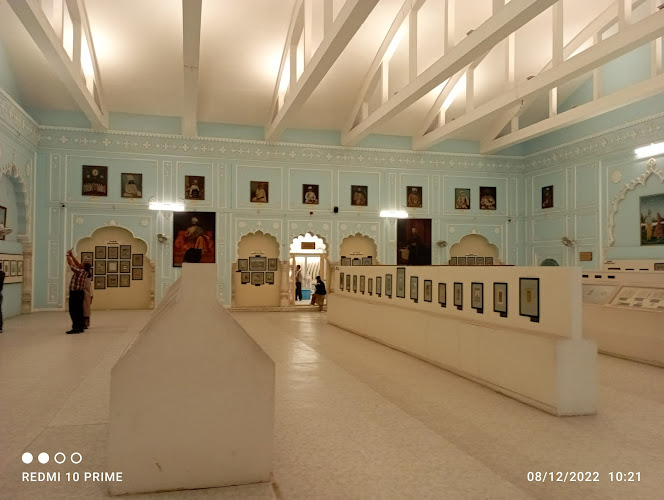
There’s something quietly majestic about walking through the Alwar Museum. Maybe it’s the way the sunlight filters through the old palace arches, or maybe it’s the faint echo of footsteps on marble floors that have seen centuries of stories unfold. Established in 1940, this museum sits within the grand City Palace of Alwar, a structure that itself feels like a living relic. The museum isn’t just a collection of objects—it’s a time capsule of Rajputana’s royal legacy, filled with art, arms, coins, and curiosities that whisper tales of valor, devotion, and artistic brilliance.
Now, I’ll be honest—if you’re expecting flashy, modern exhibits with touchscreens and holograms, you might be a bit underwhelmed. The museum’s charm lies in its old-world authenticity. The rooms are lined with traditional Rajasthani paintings, intricate ivory carvings, and ancient manuscripts. Each piece seems to carry the weight of history. There’s an entire section dedicated to weaponry—swords, shields, and daggers that once belonged to the rulers of Alwar. I remember standing there for a good ten minutes, just imagining the battles those weapons might have seen. It’s humbling, really.
The museum also houses a stunning collection of miniature paintings—delicate brushwork, vibrant colors (though time has softened them), and scenes that capture royal life, mythology, and folklore. And then there are the sculptures—some dating back to the 9th and 10th centuries—that showcase the region’s deep artistic roots. Sure, a few displays could use better lighting or clearer labels, but there’s a certain rawness to it all that feels genuine. You can almost sense the generations of caretakers who’ve preserved these treasures through wars, weather, and time itself.
And here’s something most people miss: from the museum’s upper floors, you can catch glimpses of the surrounding palace courtyards and even the Aravalli hills in the distance. It’s not just about what’s inside the glass cases—it’s about the entire atmosphere. The museum feels like a bridge between eras, connecting the grandeur of the past with the quiet curiosity of modern travelers. If you’re someone who loves to dig beneath the surface of touristy gloss, this place will speak to you.
Key Features
- Historic Collection: Over 9,700 ancient coins, 2,200 arms and weapons, and more than 2,500 paintings showcasing the evolution of Rajasthani art and warfare.
- Architectural Setting: Located within the ornate City Palace, the museum’s architecture itself is worth admiring—arched corridors, frescoed ceilings, and grand courtyards that echo royal splendor.
- Diverse Exhibits: Galleries display sculptures, musical instruments, ivory work, marble artifacts, and textiles that reflect the region’s rich cultural heritage.
- Accessibility: Wheelchair-accessible restrooms and parking make it convenient for visitors with mobility needs.
- Family-Friendly: Kids often find the weapon galleries fascinating, and the museum’s open layout allows for an easy, relaxed visit.
- Serene Ambience: Despite being in the heart of the city, the museum maintains a calm, contemplative vibe—perfect for slow exploration.
Best Time to Visit
If you’ve ever been to Rajasthan in the summer, you know the heat can be relentless. So, the best time to visit the Alwar Museum is from October to March. The weather is pleasant, the palace courtyards are cooler, and wandering through the galleries feels less exhausting. I once visited in late November, and it was perfect—the air had that crisp winter freshness, and the palace looked golden under the afternoon sun. Avoid the monsoon months if you can; while the rain adds a certain dramatic charm to the palace backdrop, humidity can make the visit a bit sticky.
Morning hours are ideal for photography. The natural light streaming through the old windows gives the artifacts a soft glow. Plus, it’s quieter then—you can take your time without the usual tourist chatter. Late afternoons are lovely too, especially if you plan to stroll around the palace grounds afterward. There’s something magical about watching the sun dip behind the fort hills while standing in a place that’s seen centuries of sunsets before you.
How to Get There
Reaching the museum is pretty straightforward. Alwar is well-connected by road and rail. If you’re coming from Jaipur, it’s about a 150 km drive—roughly three hours of scenic countryside views. From Delhi, it’s even easier; a two-and-a-half-hour drive on the Delhi-Jaipur Highway will land you right in Alwar city. Trains from both cities run frequently and drop you close to the main town area, from where local transport—autos or taxis—can take you straight to the City Palace complex.
For those who enjoy a bit of adventure, there’s also the option of taking a road trip through the Aravalli hills. The winding roads, dotted with small villages and roadside tea stalls, make for a memorable journey. I once stopped at a tiny dhaba along the way and ended up chatting with the owner about the old kings of Alwar—turns out, he used to work as a guard at the palace years ago. Stories like that don’t show up in guidebooks, but they add layers to your travel experience.
Tips for Visiting
Before you head in, here are a few things I wish someone had told me the first time I visited:
- Start Early: The museum opens in the morning, and it’s best to arrive soon after. Not only will you beat the crowds, but you’ll also have more time to explore the palace surroundings afterward.
- Carry Cash: Entry tickets are usually inexpensive, but smaller counters sometimes don’t accept digital payments. Keep a bit of cash handy.
- Photography: Ask about photography rules at the entrance. Some sections allow pictures, while others may restrict flash photography to protect delicate artworks.
- Take Your Time: Don’t rush through it. Each gallery has its own story, and you’ll appreciate the details more if you move slowly.
- Combine Your Visit: Since the museum is part of the City Palace complex, you can easily explore nearby attractions like Moosi Maharani ki Chhatri or Bala Quila afterward.
- Stay Hydrated: Even in cooler months, Rajasthan’s dry air can sneak up on you. Carry a bottle of water and maybe a light snack if you plan to linger.
- Engage with Locals: The museum staff, though sometimes reserved, often have fascinating tidbits about the exhibits. A friendly question or two can lead to delightful insights.
- Accessibility Note: The museum is fairly accessible, with wheelchair-friendly restrooms and parking. However, some upper sections may have narrow staircases, so plan accordingly.
Visiting the Alwar Museum isn’t just about ticking off another tourist spot—it’s about experiencing a slice of Rajasthan’s royal past in a setting that still feels alive. The museum doesn’t try too hard to impress, and that’s exactly its charm. It’s the kind of place that rewards curiosity. You might walk in expecting a quick stop and end up spending hours, lost in the quiet beauty of history. And honestly, that’s the best kind of travel experience there is.
Key Features
- Key Features
- Best Time to Visit
- How to Get There
- Tips for Visiting
More Details
Updated December 1, 2025
Table of Contents
Description
There’s something quietly majestic about walking through the Alwar Museum. Maybe it’s the way the sunlight filters through the old palace arches, or maybe it’s the faint echo of footsteps on marble floors that have seen centuries of stories unfold. Established in 1940, this museum sits within the grand City Palace of Alwar, a structure that itself feels like a living relic. The museum isn’t just a collection of objects—it’s a time capsule of Rajputana’s royal legacy, filled with art, arms, coins, and curiosities that whisper tales of valor, devotion, and artistic brilliance.
Now, I’ll be honest—if you’re expecting flashy, modern exhibits with touchscreens and holograms, you might be a bit underwhelmed. The museum’s charm lies in its old-world authenticity. The rooms are lined with traditional Rajasthani paintings, intricate ivory carvings, and ancient manuscripts. Each piece seems to carry the weight of history. There’s an entire section dedicated to weaponry—swords, shields, and daggers that once belonged to the rulers of Alwar. I remember standing there for a good ten minutes, just imagining the battles those weapons might have seen. It’s humbling, really.
The museum also houses a stunning collection of miniature paintings—delicate brushwork, vibrant colors (though time has softened them), and scenes that capture royal life, mythology, and folklore. And then there are the sculptures—some dating back to the 9th and 10th centuries—that showcase the region’s deep artistic roots. Sure, a few displays could use better lighting or clearer labels, but there’s a certain rawness to it all that feels genuine. You can almost sense the generations of caretakers who’ve preserved these treasures through wars, weather, and time itself.
And here’s something most people miss: from the museum’s upper floors, you can catch glimpses of the surrounding palace courtyards and even the Aravalli hills in the distance. It’s not just about what’s inside the glass cases—it’s about the entire atmosphere. The museum feels like a bridge between eras, connecting the grandeur of the past with the quiet curiosity of modern travelers. If you’re someone who loves to dig beneath the surface of touristy gloss, this place will speak to you.
Key Features
- Historic Collection: Over 9,700 ancient coins, 2,200 arms and weapons, and more than 2,500 paintings showcasing the evolution of Rajasthani art and warfare.
- Architectural Setting: Located within the ornate City Palace, the museum’s architecture itself is worth admiring—arched corridors, frescoed ceilings, and grand courtyards that echo royal splendor.
- Diverse Exhibits: Galleries display sculptures, musical instruments, ivory work, marble artifacts, and textiles that reflect the region’s rich cultural heritage.
- Accessibility: Wheelchair-accessible restrooms and parking make it convenient for visitors with mobility needs.
- Family-Friendly: Kids often find the weapon galleries fascinating, and the museum’s open layout allows for an easy, relaxed visit.
- Serene Ambience: Despite being in the heart of the city, the museum maintains a calm, contemplative vibe—perfect for slow exploration.
Best Time to Visit
If you’ve ever been to Rajasthan in the summer, you know the heat can be relentless. So, the best time to visit the Alwar Museum is from October to March. The weather is pleasant, the palace courtyards are cooler, and wandering through the galleries feels less exhausting. I once visited in late November, and it was perfect—the air had that crisp winter freshness, and the palace looked golden under the afternoon sun. Avoid the monsoon months if you can; while the rain adds a certain dramatic charm to the palace backdrop, humidity can make the visit a bit sticky.
Morning hours are ideal for photography. The natural light streaming through the old windows gives the artifacts a soft glow. Plus, it’s quieter then—you can take your time without the usual tourist chatter. Late afternoons are lovely too, especially if you plan to stroll around the palace grounds afterward. There’s something magical about watching the sun dip behind the fort hills while standing in a place that’s seen centuries of sunsets before you.
How to Get There
Reaching the museum is pretty straightforward. Alwar is well-connected by road and rail. If you’re coming from Jaipur, it’s about a 150 km drive—roughly three hours of scenic countryside views. From Delhi, it’s even easier; a two-and-a-half-hour drive on the Delhi-Jaipur Highway will land you right in Alwar city. Trains from both cities run frequently and drop you close to the main town area, from where local transport—autos or taxis—can take you straight to the City Palace complex.
For those who enjoy a bit of adventure, there’s also the option of taking a road trip through the Aravalli hills. The winding roads, dotted with small villages and roadside tea stalls, make for a memorable journey. I once stopped at a tiny dhaba along the way and ended up chatting with the owner about the old kings of Alwar—turns out, he used to work as a guard at the palace years ago. Stories like that don’t show up in guidebooks, but they add layers to your travel experience.
Tips for Visiting
Before you head in, here are a few things I wish someone had told me the first time I visited:
- Start Early: The museum opens in the morning, and it’s best to arrive soon after. Not only will you beat the crowds, but you’ll also have more time to explore the palace surroundings afterward.
- Carry Cash: Entry tickets are usually inexpensive, but smaller counters sometimes don’t accept digital payments. Keep a bit of cash handy.
- Photography: Ask about photography rules at the entrance. Some sections allow pictures, while others may restrict flash photography to protect delicate artworks.
- Take Your Time: Don’t rush through it. Each gallery has its own story, and you’ll appreciate the details more if you move slowly.
- Combine Your Visit: Since the museum is part of the City Palace complex, you can easily explore nearby attractions like Moosi Maharani ki Chhatri or Bala Quila afterward.
- Stay Hydrated: Even in cooler months, Rajasthan’s dry air can sneak up on you. Carry a bottle of water and maybe a light snack if you plan to linger.
- Engage with Locals: The museum staff, though sometimes reserved, often have fascinating tidbits about the exhibits. A friendly question or two can lead to delightful insights.
- Accessibility Note: The museum is fairly accessible, with wheelchair-friendly restrooms and parking. However, some upper sections may have narrow staircases, so plan accordingly.
Visiting the Alwar Museum isn’t just about ticking off another tourist spot—it’s about experiencing a slice of Rajasthan’s royal past in a setting that still feels alive. The museum doesn’t try too hard to impress, and that’s exactly its charm. It’s the kind of place that rewards curiosity. You might walk in expecting a quick stop and end up spending hours, lost in the quiet beauty of history. And honestly, that’s the best kind of travel experience there is.
Key Highlights
- Key Features
- Best Time to Visit
- How to Get There
- Tips for Visiting
Location
Places to Stay Near Alwar Museum
Find and Book a Tour
Explore More Travel Guides
No reviews found! Be the first to review!
Traveler Reviews for Alwar Museum
There are no reviews yet. Be the first one to write one.
Have you visited Alwar Museum? Help other travelers by sharing your review.
You Might Also Like
Nehru Children Park
Alwar sight seen (bala qila)
Alwar Gardens
Find Accommodations Nearby
Recommended Tours & Activities
Visitor Reviews
There are no reviews yet. Be the first one to write one.
Share Your Experience
Have you visited Alwar Museum? Help other travelers by leaving a review.