
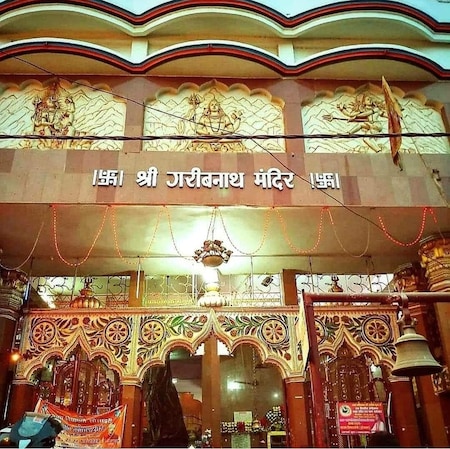
Shri Garib Nath Mandir
About Shri Garib Nath Mandir
Description
Shri Garib Nath Mandir in Muzaffarpur, Bihar, is one of those places that feels more like a heartbeat than a monument. Dedicated to Lord Shiva, this centuries-old temple carries an aura that’s hard to put into words. Locals often call it the “Deoghar of Bihar,” and honestly, that title feels well-earned. The temple’s story begins around three hundred years ago when, according to local lore, a Shivalinga was discovered beneath a cluster of seven Peepal trees. A man had cut one down, and to his shock, a red, blood-like liquid oozed from the trunk. That moment, they say, revealed the divine presence of Lord Shiva himself. Whether you believe in miracles or not, it’s the kind of tale that makes you pause and think about faith, destiny, and the mysteries of life.
The temple complex today is a blend of devotion and daily life. You’ll find devotees offering flowers, bells ringing in rhythmic harmony, and the faint scent of incense mixing with the chatter of pilgrims. It’s busy, yes, but not chaotic—there’s a strange calm beneath the surface bustle. The priests perform rituals with a steady grace, and the sound of conch shells echoes through the air. And if you’re someone who loves observing human emotion, this place is a goldmine. You’ll see everything from quiet tears of gratitude to joyous laughter as families gather to pray.
I remember my first visit here—it was during the month of Shravan. The crowd was intense, the air heavy with devotion, and yet, standing there before the Shivalinga, I felt an unexpected peace. Maybe it was the collective faith of thousands, or maybe it was just the temple’s age-old energy seeping into my bones. Either way, it’s one of those moments that stays with you.
Key Features
- Dedicated to Lord Shiva, revered as Baba Garib Nath, believed to be a self-manifested Shivalinga discovered centuries ago.
- Known locally as the “Deoghar of Bihar,” attracting devotees from across the state and beyond.
- Offers onsite services including prasad distribution, a small restaurant, and clean restrooms for visitors.
- Wheelchair accessible entrance and parking, making it convenient for elderly and differently-abled devotees.
- Free parking facilities available, including both open and covered options.
- Eco-conscious practices such as clothing recycling bins within the premises.
- Festivals like Maha Shivaratri and Shravan month see massive gatherings and elaborate rituals.
- Photography is generally allowed in the outer areas, though inside sanctum restrictions may apply.
- Shops around the temple sell colorful garlands, rudraksha beads, and handcrafted souvenirs—perfect for keepsakes.
What’s refreshing about this temple is how it balances spirituality with accessibility. You don’t have to be a deeply religious person to appreciate its charm. Even if you’re just a traveler seeking cultural insight, the Garib Nath Mandir offers a glimpse into the soul of Bihar—simple, sincere, and steeped in tradition.
Best Time to Visit
If you ask me, the temple feels alive all year round, but timing your visit right can make a big difference. The best months to visit are between October and March when the weather is pleasant, and the crowds are manageable. During this time, the mornings are crisp, and you can enjoy darshan without the summer heat melting your enthusiasm.
That said, if you’re someone who thrives on energy and doesn’t mind a bit of chaos, come during Maha Shivaratri or the Shravan month (usually July–August). The temple transforms into a sea of saffron-clad devotees, chants fill the air, and the entire city seems to revolve around the temple. It’s intense, yes, but also incredibly moving.
Avoid peak afternoons during summer—it gets brutally hot, and the stone floors can feel like walking on a griddle. Early mornings or evenings are your best bet for a peaceful experience. And if you’re into photography, the golden hour just after sunrise paints the temple in the most beautiful hues.
How to Get There
Reaching Shri Garib Nath Mandir is surprisingly easy, even for first-time visitors to Muzaffarpur. The city is well-connected by road, rail, and air. If you’re coming from Patna, it’s roughly a two-hour drive—an easy weekend getaway. Buses and taxis are readily available, and the roads are in decent condition (by Bihar standards, which any local will tell you is saying something!).
Muzaffarpur Junction is the nearest major railway station, just a short ride away from the temple. Auto-rickshaws and e-rickshaws are the most convenient way to cover the last mile. For those flying in, the nearest airport is in Patna, about 70 kilometers away. From there, you can hire a cab or catch a train to Muzaffarpur.
Once you’re in the city, you’ll find signboards pointing toward the temple. Locals are also incredibly helpful—ask anyone for “Baba Garib Nath Mandir,” and you’ll be guided right. Parking is free and fairly organized, though it can fill up quickly during festivals, so arriving early is smart.
Tips for Visiting
A few practical tips can make your visit smoother—and more memorable. First off, carry a bottle of water and a small towel if you’re visiting in summer. The temple compound can get crowded, and hydration is key. Secondly, wear comfortable footwear; you’ll have to remove your shoes before entering, so something easy to slip on and off is best.
If you’re planning to attend the morning aarti, aim to arrive by 5:30 AM. The atmosphere is magical then—soft light, ringing bells, and the faint hum of prayers. It’s a spiritual experience even for those who don’t consider themselves particularly religious.
Women travelers might appreciate knowing that the temple area is generally safe, even during busy hours. Still, like anywhere in India, keeping an eye on your belongings is always a good idea. There’s a small restaurant nearby serving simple vegetarian meals—don’t expect fine dining, but the food tastes like home. And if you’re lucky, you might get to share a table with locals who’ll happily tell you stories about the temple’s miracles.
One thing I personally love doing is buying prasad for family back home. The sweets here—especially the peda—are delicious and carry that unmistakable temple flavor. Just make sure to pack them properly if you’re traveling far.
For photographers, mornings and late afternoons are ideal. The temple’s white structure contrasts beautifully against the clear sky, and the soft light adds a touch of serenity to your shots. But remember to be respectful—avoid taking photos of people praying unless you have their consent.
And here’s a small but important detail: the temple has a clothing recycling initiative. If you have old clothes in good condition, you can drop them off here. It’s a thoughtful way to give back while you travel.
If you’re visiting with elderly family members, the temple’s wheelchair-friendly design is a blessing. The ramps and accessible parking make it easy for everyone to participate in the darshan comfortably.
Lastly, keep your expectations balanced. This isn’t a luxury tourist attraction—it’s a living, breathing place of worship. The charm lies in its authenticity, not in polished perfection. You might find uneven floors, long lines, or the occasional push in the crowd, but that’s all part of the experience. Take a deep breath, go with the flow, and you’ll come away with something far more meaningful than just photos.
In the end, Shri Garib Nath Mandir isn’t just about religion—it’s about connection. Connection to faith, to history, and to the people who make this temple what it is. Whether you come seeking blessings, cultural insight, or just a moment of quiet reflection, you’ll leave with a sense of peace that lingers long after you’ve gone. And maybe, like me, you’ll find yourself planning a return trip before you’ve even left the city.
Key Features
- Dedicated to Lord Shiva, revered as Baba Garib Nath, believed to be a self-manifested Shivalinga discovered centuries ago.
- Known locally as the “Deoghar of Bihar,” attracting devotees from across the state and beyond.
- Free parking facilities available, including both open and covered options.
- Eco-conscious practices such as clothing recycling bins within the premises.
- Festivals like Maha Shivaratri and Shravan month see massive gatherings and elaborate rituals.
- Photography is generally allowed in the outer areas, though inside sanctum restrictions may apply.
- Shops around the temple sell colorful garlands, rudraksha beads, and handcrafted souvenirs—perfect for keepsakes.
More Details
Updated December 1, 2025
Table of Contents
Description
Shri Garib Nath Mandir in Muzaffarpur, Bihar, is one of those places that feels more like a heartbeat than a monument. Dedicated to Lord Shiva, this centuries-old temple carries an aura that’s hard to put into words. Locals often call it the “Deoghar of Bihar,” and honestly, that title feels well-earned. The temple’s story begins around three hundred years ago when, according to local lore, a Shivalinga was discovered beneath a cluster of seven Peepal trees. A man had cut one down, and to his shock, a red, blood-like liquid oozed from the trunk. That moment, they say, revealed the divine presence of Lord Shiva himself. Whether you believe in miracles or not, it’s the kind of tale that makes you pause and think about faith, destiny, and the mysteries of life.
The temple complex today is a blend of devotion and daily life. You’ll find devotees offering flowers, bells ringing in rhythmic harmony, and the faint scent of incense mixing with the chatter of pilgrims. It’s busy, yes, but not chaotic—there’s a strange calm beneath the surface bustle. The priests perform rituals with a steady grace, and the sound of conch shells echoes through the air. And if you’re someone who loves observing human emotion, this place is a goldmine. You’ll see everything from quiet tears of gratitude to joyous laughter as families gather to pray.
I remember my first visit here—it was during the month of Shravan. The crowd was intense, the air heavy with devotion, and yet, standing there before the Shivalinga, I felt an unexpected peace. Maybe it was the collective faith of thousands, or maybe it was just the temple’s age-old energy seeping into my bones. Either way, it’s one of those moments that stays with you.
Key Features
- Dedicated to Lord Shiva, revered as Baba Garib Nath, believed to be a self-manifested Shivalinga discovered centuries ago.
- Known locally as the “Deoghar of Bihar,” attracting devotees from across the state and beyond.
- Offers onsite services including prasad distribution, a small restaurant, and clean restrooms for visitors.
- Wheelchair accessible entrance and parking, making it convenient for elderly and differently-abled devotees.
- Free parking facilities available, including both open and covered options.
- Eco-conscious practices such as clothing recycling bins within the premises.
- Festivals like Maha Shivaratri and Shravan month see massive gatherings and elaborate rituals.
- Photography is generally allowed in the outer areas, though inside sanctum restrictions may apply.
- Shops around the temple sell colorful garlands, rudraksha beads, and handcrafted souvenirs—perfect for keepsakes.
What’s refreshing about this temple is how it balances spirituality with accessibility. You don’t have to be a deeply religious person to appreciate its charm. Even if you’re just a traveler seeking cultural insight, the Garib Nath Mandir offers a glimpse into the soul of Bihar—simple, sincere, and steeped in tradition.
Best Time to Visit
If you ask me, the temple feels alive all year round, but timing your visit right can make a big difference. The best months to visit are between October and March when the weather is pleasant, and the crowds are manageable. During this time, the mornings are crisp, and you can enjoy darshan without the summer heat melting your enthusiasm.
That said, if you’re someone who thrives on energy and doesn’t mind a bit of chaos, come during Maha Shivaratri or the Shravan month (usually July–August). The temple transforms into a sea of saffron-clad devotees, chants fill the air, and the entire city seems to revolve around the temple. It’s intense, yes, but also incredibly moving.
Avoid peak afternoons during summer—it gets brutally hot, and the stone floors can feel like walking on a griddle. Early mornings or evenings are your best bet for a peaceful experience. And if you’re into photography, the golden hour just after sunrise paints the temple in the most beautiful hues.
How to Get There
Reaching Shri Garib Nath Mandir is surprisingly easy, even for first-time visitors to Muzaffarpur. The city is well-connected by road, rail, and air. If you’re coming from Patna, it’s roughly a two-hour drive—an easy weekend getaway. Buses and taxis are readily available, and the roads are in decent condition (by Bihar standards, which any local will tell you is saying something!).
Muzaffarpur Junction is the nearest major railway station, just a short ride away from the temple. Auto-rickshaws and e-rickshaws are the most convenient way to cover the last mile. For those flying in, the nearest airport is in Patna, about 70 kilometers away. From there, you can hire a cab or catch a train to Muzaffarpur.
Once you’re in the city, you’ll find signboards pointing toward the temple. Locals are also incredibly helpful—ask anyone for “Baba Garib Nath Mandir,” and you’ll be guided right. Parking is free and fairly organized, though it can fill up quickly during festivals, so arriving early is smart.
Tips for Visiting
A few practical tips can make your visit smoother—and more memorable. First off, carry a bottle of water and a small towel if you’re visiting in summer. The temple compound can get crowded, and hydration is key. Secondly, wear comfortable footwear; you’ll have to remove your shoes before entering, so something easy to slip on and off is best.
If you’re planning to attend the morning aarti, aim to arrive by 5:30 AM. The atmosphere is magical then—soft light, ringing bells, and the faint hum of prayers. It’s a spiritual experience even for those who don’t consider themselves particularly religious.
Women travelers might appreciate knowing that the temple area is generally safe, even during busy hours. Still, like anywhere in India, keeping an eye on your belongings is always a good idea. There’s a small restaurant nearby serving simple vegetarian meals—don’t expect fine dining, but the food tastes like home. And if you’re lucky, you might get to share a table with locals who’ll happily tell you stories about the temple’s miracles.
One thing I personally love doing is buying prasad for family back home. The sweets here—especially the peda—are delicious and carry that unmistakable temple flavor. Just make sure to pack them properly if you’re traveling far.
For photographers, mornings and late afternoons are ideal. The temple’s white structure contrasts beautifully against the clear sky, and the soft light adds a touch of serenity to your shots. But remember to be respectful—avoid taking photos of people praying unless you have their consent.
And here’s a small but important detail: the temple has a clothing recycling initiative. If you have old clothes in good condition, you can drop them off here. It’s a thoughtful way to give back while you travel.
If you’re visiting with elderly family members, the temple’s wheelchair-friendly design is a blessing. The ramps and accessible parking make it easy for everyone to participate in the darshan comfortably.
Lastly, keep your expectations balanced. This isn’t a luxury tourist attraction—it’s a living, breathing place of worship. The charm lies in its authenticity, not in polished perfection. You might find uneven floors, long lines, or the occasional push in the crowd, but that’s all part of the experience. Take a deep breath, go with the flow, and you’ll come away with something far more meaningful than just photos.
In the end, Shri Garib Nath Mandir isn’t just about religion—it’s about connection. Connection to faith, to history, and to the people who make this temple what it is. Whether you come seeking blessings, cultural insight, or just a moment of quiet reflection, you’ll leave with a sense of peace that lingers long after you’ve gone. And maybe, like me, you’ll find yourself planning a return trip before you’ve even left the city.
Key Highlights
- Dedicated to Lord Shiva, revered as Baba Garib Nath, believed to be a self-manifested Shivalinga discovered centuries ago.
- Known locally as the “Deoghar of Bihar,” attracting devotees from across the state and beyond.
- Free parking facilities available, including both open and covered options.
- Eco-conscious practices such as clothing recycling bins within the premises.
- Festivals like Maha Shivaratri and Shravan month see massive gatherings and elaborate rituals.
- Photography is generally allowed in the outer areas, though inside sanctum restrictions may apply.
- Shops around the temple sell colorful garlands, rudraksha beads, and handcrafted souvenirs—perfect for keepsakes.
Location
Places to Stay Near Shri Garib Nath Mandir
Find and Book a Tour
Explore More Travel Guides
No reviews found! Be the first to review!
Traveler Reviews for Shri Garib Nath Mandir
There are no reviews yet. Be the first one to write one.
Have you visited Shri Garib Nath Mandir? Help other travelers by sharing your review.
You Might Also Like

Cinepolis Grand Mall

Muzaffarpur Jn.
Jubba Sahni Park
Find Accommodations Nearby
Recommended Tours & Activities
Visitor Reviews
There are no reviews yet. Be the first one to write one.
Share Your Experience
Have you visited Shri Garib Nath Mandir? Help other travelers by leaving a review.