
The Railway Museum
About The Railway Museum
Description
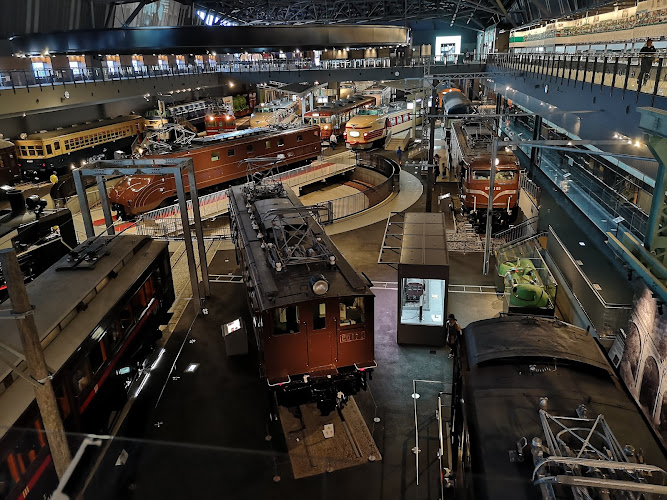
The Railway Museum in Japan is one of those places that quietly sneaks up on you—it’s not just a museum, it’s an experience that manages to blend nostalgia, innovation, and pure fascination for trains into one big, immersive journey. Honestly, even if you’re not a die-hard train enthusiast (I’m not, really), there’s something oddly captivating about standing next to these massive locomotives that once powered entire eras of travel. The museum dives deep into the history of railway development in Japan and beyond, showing how trains shaped modern life and connected people in ways we often take for granted today.
Walking through the museum feels like flipping through a living storybook of engineering marvels. You’ll find yourself surrounded by real rolling stock—steam engines, electric locomotives, and sleek bullet trains—all perfectly restored and displayed with incredible attention to detail. There’s an energy in the air, especially when you hear the faint hum of the simulators or the laughter of kids trying to “drive” their first Shinkansen. It’s a place that celebrates progress and nostalgia all at once, and that’s a rare combination.
What really makes it stand out is how interactive it is. You’re not just looking at exhibits behind glass—you’re pressing buttons, pulling levers, stepping into train cabins, and feeling what it was like to be a conductor decades ago. And if you’re anything like me, you’ll probably end up spending way too much time watching the model railway display. It’s mesmerizing, like watching a miniature world come alive in perfect synchronization.
The museum strikes a great balance between education and entertainment. Families, solo travelers, and even groups of friends find something to connect with here. It’s clean, well-organized, and surprisingly spacious, which makes it easy to wander without feeling rushed. And yes, there’s Wi-Fi, a restaurant, and all the amenities you’d expect from a modern attraction. It feels like the kind of place where history meets the future—and that’s exactly what makes it so special.
Key Features
- Extensive Rolling Stock Collection: Dozens of real trains from different eras, including steam, diesel, and electric locomotives.
- Interactive Train Simulators: Hands-on driving experiences that let visitors try their hand at operating a train.
- Model Railway Zone: A massive miniature world with moving trains and landscapes that fascinate both kids and adults.
- Educational Exhibits: Displays explaining the science and engineering behind railway systems, signaling, and train design.
- Family-Friendly Facilities: Changing tables, stroller access, and kid-oriented zones make it easy for families to enjoy.
- On-Site Amenities: Restaurant, restrooms, Wi-Fi, and accessible facilities for visitors with mobility needs.
- Wheelchair Accessibility: Fully accessible entrances, restrooms, and even wheelchair rentals available.
- On-Site Parking: Convenient parking options for those arriving by car.
Best Time to Visit
If you’re like me and prefer quieter, more relaxed experiences, weekdays are your best bet. The museum tends to get busier on weekends and school holidays—especially around midday when families pour in. Mornings are usually calm, with fewer crowds and more time to explore exhibits at your own pace.
Spring and autumn are particularly pleasant times to visit, with comfortable weather that makes getting there and walking around enjoyable. During the summer, it can get a bit warm, but the museum is fully air-conditioned, so you’ll be fine once inside. Winter visits have their own charm too—there’s something cozy about stepping into a warm, well-lit museum while the cold air lingers outside.
Occasionally, the museum hosts special exhibitions or seasonal events that focus on specific themes like the evolution of the Shinkansen or the future of sustainable rail travel. If you can time your visit to coincide with one of these, it’s absolutely worth it. Just remember to book your tickets in advance, since those events can draw quite a crowd.
How to Get There
Getting to the museum is surprisingly easy, even if you’re new to Japan’s transport system. The most convenient way is by train—fitting, right? The nearest station connects directly to major lines, making it accessible from central Tokyo in about half an hour. Once you arrive, clear signage (in both Japanese and English) guides you straight to the museum entrance. It’s a short, pleasant walk that passes through a quiet neighborhood, which somehow sets the mood perfectly for what’s ahead.
If you’re driving, on-site parking is available and well-organized. I’ve driven there once myself, and it’s a smooth experience—no confusing turns or endless searching for a spot. For international travelers, public transport is probably the easiest route. Japan’s trains are famously punctual, so you can plan your trip down to the minute. And yes, the museum is fully accessible for visitors with mobility challenges, so getting there and moving around is hassle-free.
Tips for Visiting
Here’s where a few insider tips can really make your visit smoother and more enjoyable. First off, buy your tickets online ahead of time. It saves you from waiting in line, and sometimes you can snag limited-time discounts. The museum tends to get busier after 11 a.m., so arriving early gives you a head start—plus, you’ll have better access to the simulators before they fill up.
Wear comfortable shoes. You’ll be walking quite a bit, and trust me, you’ll want to explore every corner. The exhibits are spread out across multiple levels, and it’s easy to lose track of time when you’re deep in the history of Japan’s first locomotives. Bring a camera or a fully charged phone because there are so many photo-worthy moments—from the panoramic train displays to the intricate model setups.
If you’re traveling with kids, plan for breaks. The restaurant inside serves good food (try the curry—it’s pretty great), and there are rest areas where you can sit and recharge. The museum also has a small gift shop with unique souvenirs—everything from miniature train models to quirky railway-themed stationery. I still have a little keychain I bought years ago, and it always reminds me of that visit.
For those with an interest in the technical side of things, take your time in the science and engineering sections. They explain how trains evolved from steam to high-speed systems in a way that’s surprisingly easy to understand. Even if you’re not an engineer, you’ll walk away with a newfound appreciation for the precision and passion that go into railway design.
Lastly, be sure to check the schedule for any live demonstrations or workshops. Sometimes, you can watch train parts being restored or learn about the mechanics of signaling systems. It’s these little experiences that make the museum feel alive rather than static. And if you’re lucky, you might even catch a glimpse of railway staff in uniform giving talks—they’re always happy to share stories that you won’t find on any signboard.
All in all, The Railway Museum isn’t just a stop on a travel itinerary—it’s a place that leaves you thinking about how far we’ve come and how much we still rely on these steel giants to connect our world. Whether you’re a traveler chasing unique cultural experiences or simply curious about the marvel of trains, this museum has a way of pulling you in. It’s history, technology, and storytelling all rolled into one unforgettable visit.
Key Features
- Key Features
- Best Time to Visit
- How to Get There
- Tips for Visiting
More Details
Updated December 1, 2025
Table of Contents
Description
The Railway Museum in Japan is one of those places that quietly sneaks up on you—it’s not just a museum, it’s an experience that manages to blend nostalgia, innovation, and pure fascination for trains into one big, immersive journey. Honestly, even if you’re not a die-hard train enthusiast (I’m not, really), there’s something oddly captivating about standing next to these massive locomotives that once powered entire eras of travel. The museum dives deep into the history of railway development in Japan and beyond, showing how trains shaped modern life and connected people in ways we often take for granted today.
Walking through the museum feels like flipping through a living storybook of engineering marvels. You’ll find yourself surrounded by real rolling stock—steam engines, electric locomotives, and sleek bullet trains—all perfectly restored and displayed with incredible attention to detail. There’s an energy in the air, especially when you hear the faint hum of the simulators or the laughter of kids trying to “drive” their first Shinkansen. It’s a place that celebrates progress and nostalgia all at once, and that’s a rare combination.
What really makes it stand out is how interactive it is. You’re not just looking at exhibits behind glass—you’re pressing buttons, pulling levers, stepping into train cabins, and feeling what it was like to be a conductor decades ago. And if you’re anything like me, you’ll probably end up spending way too much time watching the model railway display. It’s mesmerizing, like watching a miniature world come alive in perfect synchronization.
The museum strikes a great balance between education and entertainment. Families, solo travelers, and even groups of friends find something to connect with here. It’s clean, well-organized, and surprisingly spacious, which makes it easy to wander without feeling rushed. And yes, there’s Wi-Fi, a restaurant, and all the amenities you’d expect from a modern attraction. It feels like the kind of place where history meets the future—and that’s exactly what makes it so special.
Key Features
- Extensive Rolling Stock Collection: Dozens of real trains from different eras, including steam, diesel, and electric locomotives.
- Interactive Train Simulators: Hands-on driving experiences that let visitors try their hand at operating a train.
- Model Railway Zone: A massive miniature world with moving trains and landscapes that fascinate both kids and adults.
- Educational Exhibits: Displays explaining the science and engineering behind railway systems, signaling, and train design.
- Family-Friendly Facilities: Changing tables, stroller access, and kid-oriented zones make it easy for families to enjoy.
- On-Site Amenities: Restaurant, restrooms, Wi-Fi, and accessible facilities for visitors with mobility needs.
- Wheelchair Accessibility: Fully accessible entrances, restrooms, and even wheelchair rentals available.
- On-Site Parking: Convenient parking options for those arriving by car.
Best Time to Visit
If you’re like me and prefer quieter, more relaxed experiences, weekdays are your best bet. The museum tends to get busier on weekends and school holidays—especially around midday when families pour in. Mornings are usually calm, with fewer crowds and more time to explore exhibits at your own pace.
Spring and autumn are particularly pleasant times to visit, with comfortable weather that makes getting there and walking around enjoyable. During the summer, it can get a bit warm, but the museum is fully air-conditioned, so you’ll be fine once inside. Winter visits have their own charm too—there’s something cozy about stepping into a warm, well-lit museum while the cold air lingers outside.
Occasionally, the museum hosts special exhibitions or seasonal events that focus on specific themes like the evolution of the Shinkansen or the future of sustainable rail travel. If you can time your visit to coincide with one of these, it’s absolutely worth it. Just remember to book your tickets in advance, since those events can draw quite a crowd.
How to Get There
Getting to the museum is surprisingly easy, even if you’re new to Japan’s transport system. The most convenient way is by train—fitting, right? The nearest station connects directly to major lines, making it accessible from central Tokyo in about half an hour. Once you arrive, clear signage (in both Japanese and English) guides you straight to the museum entrance. It’s a short, pleasant walk that passes through a quiet neighborhood, which somehow sets the mood perfectly for what’s ahead.
If you’re driving, on-site parking is available and well-organized. I’ve driven there once myself, and it’s a smooth experience—no confusing turns or endless searching for a spot. For international travelers, public transport is probably the easiest route. Japan’s trains are famously punctual, so you can plan your trip down to the minute. And yes, the museum is fully accessible for visitors with mobility challenges, so getting there and moving around is hassle-free.
Tips for Visiting
Here’s where a few insider tips can really make your visit smoother and more enjoyable. First off, buy your tickets online ahead of time. It saves you from waiting in line, and sometimes you can snag limited-time discounts. The museum tends to get busier after 11 a.m., so arriving early gives you a head start—plus, you’ll have better access to the simulators before they fill up.
Wear comfortable shoes. You’ll be walking quite a bit, and trust me, you’ll want to explore every corner. The exhibits are spread out across multiple levels, and it’s easy to lose track of time when you’re deep in the history of Japan’s first locomotives. Bring a camera or a fully charged phone because there are so many photo-worthy moments—from the panoramic train displays to the intricate model setups.
If you’re traveling with kids, plan for breaks. The restaurant inside serves good food (try the curry—it’s pretty great), and there are rest areas where you can sit and recharge. The museum also has a small gift shop with unique souvenirs—everything from miniature train models to quirky railway-themed stationery. I still have a little keychain I bought years ago, and it always reminds me of that visit.
For those with an interest in the technical side of things, take your time in the science and engineering sections. They explain how trains evolved from steam to high-speed systems in a way that’s surprisingly easy to understand. Even if you’re not an engineer, you’ll walk away with a newfound appreciation for the precision and passion that go into railway design.
Lastly, be sure to check the schedule for any live demonstrations or workshops. Sometimes, you can watch train parts being restored or learn about the mechanics of signaling systems. It’s these little experiences that make the museum feel alive rather than static. And if you’re lucky, you might even catch a glimpse of railway staff in uniform giving talks—they’re always happy to share stories that you won’t find on any signboard.
All in all, The Railway Museum isn’t just a stop on a travel itinerary—it’s a place that leaves you thinking about how far we’ve come and how much we still rely on these steel giants to connect our world. Whether you’re a traveler chasing unique cultural experiences or simply curious about the marvel of trains, this museum has a way of pulling you in. It’s history, technology, and storytelling all rolled into one unforgettable visit.
Key Highlights
- Key Features
- Best Time to Visit
- How to Get There
- Tips for Visiting
Location
Places to Stay Near The Railway Museum
Find and Book a Tour
Explore More Travel Guides
No reviews found! Be the first to review!
Traveler Reviews for The Railway Museum
There are no reviews yet. Be the first one to write one.
Have you visited The Railway Museum? Help other travelers by sharing your review.
You Might Also Like
Musashi Ichinomiya Hikawa Jinja

Omiya Park Zoo
Omiya Bonsai Art Museum
Find Accommodations Nearby
Recommended Tours & Activities
Visitor Reviews
There are no reviews yet. Be the first one to write one.
Share Your Experience
Have you visited The Railway Museum? Help other travelers by leaving a review.