
Imo Wetlands
About Imo Wetlands
Description
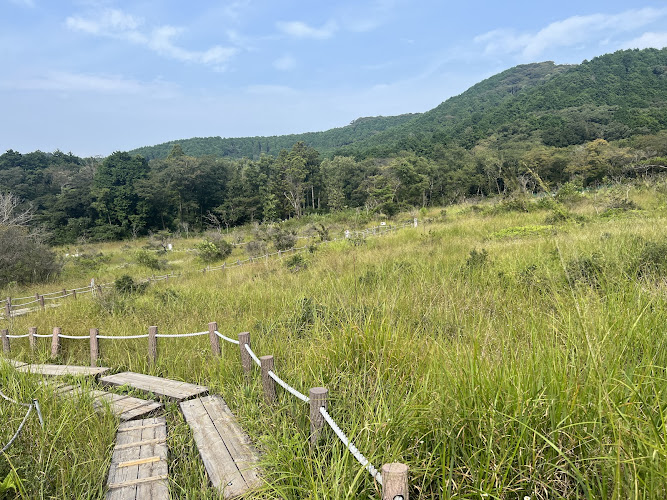
The Imo Wetlands are the kind of place that quietly win you over. Not with flashy signage or dramatic entrances, but with small, steady moments that add up to something memorable. Think wooden boardwalks threading through forest patches and open meadows, wildflowers popping up where you don’t expect them, and long pauses where you just stop walking because the view deserves it. The wetlands function as a nature preserve first and a tourist attraction second, and honestly, that’s part of the charm.
Walking here feels unhurried. The boardwalk keeps your feet dry while guiding you across marshy ground, and in some sections the path opens up to wide, calming sea views. Yes, sea views. The contrast between wetlands and open water is a little surprising the first time, and I remember thinking I’d taken a wrong turn. But no, that mix is exactly what makes this place interesting. You’ll hear birds before you see them, and if you’re patient, you’ll spot them flitting between reeds and low trees.
The Imo Wetlands are especially known for their seasonal flowers. When they’re in bloom, the meadows take on soft colors that feel almost painted on. Alpine wildflowers, scattered and slightly chaotic, make the walking trails feel alive. I once sat on a bench here longer than planned because a breeze kept moving the flowers in waves, and it was oddly hypnotic. If you’re the type who likes to take photos, be warned: your phone storage will fill up fast.
It’s not a polished park, and that’s worth saying upfront. Some visitors expect perfect paths and endless amenities and leave a bit underwhelmed. But travelers who enjoy natural spaces, especially ones that still feel a little rough around the edges, tend to leave satisfied. There are picnic spots tucked along the trail, public restrooms that do the job, and enough signage to keep you from getting lost without overdoing it. The wetlands strike a balance between being accessible and staying true to their natural state.
Families often show up here, and for good reason. The hikes are manageable, kids can explore without it feeling risky, and there’s room to spread out. I’ve seen parents letting their kids run ahead on the boardwalk while keeping them in sight, which says a lot. And if you’re traveling solo, it’s still a good pick. There’s something comforting about a place where you can walk alone but never feel isolated.
Key Features
- Wooden boardwalks that guide you safely through wetlands, forest areas, and open meadows
- Seasonal displays of alpine wildflowers that change the look of the landscape throughout the year
- Open viewpoints with calming sea views that catch many first-time visitors off guard
- Designated picnic spots perfect for slow lunches or quick snack breaks
- Hiking trails suitable for beginners and families, including kid-friendly routes
- Public restroom facilities available on-site
- A natural setting that supports birdlife and wetland ecosystems
Best Time to Visit
Timing matters at the Imo Wetlands, more than people sometimes realize. The best visits usually happen when the flowers are in bloom, which brings color and energy to the meadows. During this period, the wetlands feel alive in a way that’s hard to describe without sounding cheesy, so I’ll just say this: it’s worth planning around. Early mornings are especially nice, with softer light and fewer people on the trails.
Midday visits can be pleasant too, particularly if you’re planning a picnic. The open areas catch the breeze, which helps on warmer days. That said, weekends can draw a crowd, and while it never feels packed, you might share viewpoints more than you’d like. If solitude is your thing, aim for weekdays or go earlier rather than later.
Weather plays a role. After heavy rain, parts of the wetlands feel extra lush, but the air can be humid and bugs more active. On the flip side, drier days make walking easier and more comfortable. I once visited on a slightly overcast afternoon and ended up preferring it; the muted light made the greens deeper and the sea look dramatic without being harsh.
There isn’t really a bad season, just different moods. Some times of year are quieter, with fewer flowers but more space to think. Others are busy and colorful. Decide what you want out of the visit, and plan around that.
How to Get There
Getting to the Imo Wetlands is fairly straightforward, though it helps to plan ahead. Most travelers arrive by road, using nearby towns as a base. The approach doesn’t feel overly commercial, which is a relief. You won’t suddenly hit a strip of souvenir shops. Instead, the surroundings gradually shift into greener, more open land.
If you’re driving, keep an eye out for local signs pointing toward the wetlands area. They’re not always big or flashy, but they do the job. Parking is available nearby, though it’s not designed with large crowds in mind. Arriving earlier in the day usually means less hassle.
Public transport can get you close, but the final stretch may involve a bit of walking. Honestly, that last walk often sets the mood. You leave behind traffic noise and ease into the slower pace that defines the wetlands. I’ve done it both ways, and while driving is more convenient, walking in gives you a better sense of arrival.
Tips for Visiting
First tip, and I say this from personal regret: wear comfortable shoes. The boardwalk is easy, but you’ll still be on your feet for a while if you want to see more than just the entrance area. Light hiking shoes or sturdy sneakers work well.
Bring water and maybe a small snack, especially if you’re planning to explore the longer trails. Picnic spots are available, and it’s nice to take advantage of them rather than rush through. I once skipped lunch thinking I’d eat later, and ended up distracted and grumpy halfway through the walk. Don’t be me.
If you’re visiting with kids, set expectations early. Let them know this is more about walking, looking, and discovering small details than big playground-style attractions. The good news is that most kids warm up quickly once they start spotting birds or interesting plants.
Photography lovers should bring a camera or make sure their phone is charged. The light changes quickly, especially near the sea-facing sections, and some of the best moments come and go fast. But also, and this is me being opinionated, don’t experience the whole place through a screen. Put the camera down sometimes and just stand there.
There are public restrooms, which is a big plus, but they’re basic. Plan accordingly, especially if you’re traveling with a group. And because the wetlands are a preserved area, take your trash with you and respect the environment. It sounds obvious, but it matters.
Finally, go in with the right mindset. The Imo Wetlands aren’t about ticking boxes or rushing from one highlight to another. They reward patience. Slow down, wander a bit, sit longer than planned. You might leave thinking it was just a nice walk. Or, if you’re lucky, you’ll leave feeling like you found a place you’d actually return to, no checklist required.
Key Features
- Wooden boardwalks that guide you safely through wetlands, forest areas, and open meadows
- Seasonal displays of alpine wildflowers that change the look of the landscape throughout the year
- Open viewpoints with calming sea views that catch many first-time visitors off guard
- Designated picnic spots perfect for slow lunches or quick snack breaks
- Hiking trails suitable for beginners and families, including kid-friendly routes
- Public restroom facilities available on-site
- A natural setting that supports birdlife and wetland ecosystems
More Details
Updated December 31, 2025
Table of Contents
Description
The Imo Wetlands are the kind of place that quietly win you over. Not with flashy signage or dramatic entrances, but with small, steady moments that add up to something memorable. Think wooden boardwalks threading through forest patches and open meadows, wildflowers popping up where you don’t expect them, and long pauses where you just stop walking because the view deserves it. The wetlands function as a nature preserve first and a tourist attraction second, and honestly, that’s part of the charm.
Walking here feels unhurried. The boardwalk keeps your feet dry while guiding you across marshy ground, and in some sections the path opens up to wide, calming sea views. Yes, sea views. The contrast between wetlands and open water is a little surprising the first time, and I remember thinking I’d taken a wrong turn. But no, that mix is exactly what makes this place interesting. You’ll hear birds before you see them, and if you’re patient, you’ll spot them flitting between reeds and low trees.
The Imo Wetlands are especially known for their seasonal flowers. When they’re in bloom, the meadows take on soft colors that feel almost painted on. Alpine wildflowers, scattered and slightly chaotic, make the walking trails feel alive. I once sat on a bench here longer than planned because a breeze kept moving the flowers in waves, and it was oddly hypnotic. If you’re the type who likes to take photos, be warned: your phone storage will fill up fast.
It’s not a polished park, and that’s worth saying upfront. Some visitors expect perfect paths and endless amenities and leave a bit underwhelmed. But travelers who enjoy natural spaces, especially ones that still feel a little rough around the edges, tend to leave satisfied. There are picnic spots tucked along the trail, public restrooms that do the job, and enough signage to keep you from getting lost without overdoing it. The wetlands strike a balance between being accessible and staying true to their natural state.
Families often show up here, and for good reason. The hikes are manageable, kids can explore without it feeling risky, and there’s room to spread out. I’ve seen parents letting their kids run ahead on the boardwalk while keeping them in sight, which says a lot. And if you’re traveling solo, it’s still a good pick. There’s something comforting about a place where you can walk alone but never feel isolated.
Key Features
- Wooden boardwalks that guide you safely through wetlands, forest areas, and open meadows
- Seasonal displays of alpine wildflowers that change the look of the landscape throughout the year
- Open viewpoints with calming sea views that catch many first-time visitors off guard
- Designated picnic spots perfect for slow lunches or quick snack breaks
- Hiking trails suitable for beginners and families, including kid-friendly routes
- Public restroom facilities available on-site
- A natural setting that supports birdlife and wetland ecosystems
Best Time to Visit
Timing matters at the Imo Wetlands, more than people sometimes realize. The best visits usually happen when the flowers are in bloom, which brings color and energy to the meadows. During this period, the wetlands feel alive in a way that’s hard to describe without sounding cheesy, so I’ll just say this: it’s worth planning around. Early mornings are especially nice, with softer light and fewer people on the trails.
Midday visits can be pleasant too, particularly if you’re planning a picnic. The open areas catch the breeze, which helps on warmer days. That said, weekends can draw a crowd, and while it never feels packed, you might share viewpoints more than you’d like. If solitude is your thing, aim for weekdays or go earlier rather than later.
Weather plays a role. After heavy rain, parts of the wetlands feel extra lush, but the air can be humid and bugs more active. On the flip side, drier days make walking easier and more comfortable. I once visited on a slightly overcast afternoon and ended up preferring it; the muted light made the greens deeper and the sea look dramatic without being harsh.
There isn’t really a bad season, just different moods. Some times of year are quieter, with fewer flowers but more space to think. Others are busy and colorful. Decide what you want out of the visit, and plan around that.
How to Get There
Getting to the Imo Wetlands is fairly straightforward, though it helps to plan ahead. Most travelers arrive by road, using nearby towns as a base. The approach doesn’t feel overly commercial, which is a relief. You won’t suddenly hit a strip of souvenir shops. Instead, the surroundings gradually shift into greener, more open land.
If you’re driving, keep an eye out for local signs pointing toward the wetlands area. They’re not always big or flashy, but they do the job. Parking is available nearby, though it’s not designed with large crowds in mind. Arriving earlier in the day usually means less hassle.
Public transport can get you close, but the final stretch may involve a bit of walking. Honestly, that last walk often sets the mood. You leave behind traffic noise and ease into the slower pace that defines the wetlands. I’ve done it both ways, and while driving is more convenient, walking in gives you a better sense of arrival.
Tips for Visiting
First tip, and I say this from personal regret: wear comfortable shoes. The boardwalk is easy, but you’ll still be on your feet for a while if you want to see more than just the entrance area. Light hiking shoes or sturdy sneakers work well.
Bring water and maybe a small snack, especially if you’re planning to explore the longer trails. Picnic spots are available, and it’s nice to take advantage of them rather than rush through. I once skipped lunch thinking I’d eat later, and ended up distracted and grumpy halfway through the walk. Don’t be me.
If you’re visiting with kids, set expectations early. Let them know this is more about walking, looking, and discovering small details than big playground-style attractions. The good news is that most kids warm up quickly once they start spotting birds or interesting plants.
Photography lovers should bring a camera or make sure their phone is charged. The light changes quickly, especially near the sea-facing sections, and some of the best moments come and go fast. But also, and this is me being opinionated, don’t experience the whole place through a screen. Put the camera down sometimes and just stand there.
There are public restrooms, which is a big plus, but they’re basic. Plan accordingly, especially if you’re traveling with a group. And because the wetlands are a preserved area, take your trash with you and respect the environment. It sounds obvious, but it matters.
Finally, go in with the right mindset. The Imo Wetlands aren’t about ticking boxes or rushing from one highlight to another. They reward patience. Slow down, wander a bit, sit longer than planned. You might leave thinking it was just a nice walk. Or, if you’re lucky, you’ll leave feeling like you found a place you’d actually return to, no checklist required.
Key Highlights
- Wooden boardwalks that guide you safely through wetlands, forest areas, and open meadows
- Seasonal displays of alpine wildflowers that change the look of the landscape throughout the year
- Open viewpoints with calming sea views that catch many first-time visitors off guard
- Designated picnic spots perfect for slow lunches or quick snack breaks
- Hiking trails suitable for beginners and families, including kid-friendly routes
- Public restroom facilities available on-site
- A natural setting that supports birdlife and wetland ecosystems
Location
Places to Stay Near Imo Wetlands
Find and Book a Tour
Explore More Travel Guides
No reviews found! Be the first to review!
Traveler Reviews for Imo Wetlands
There are no reviews yet. Be the first one to write one.
Have you visited Imo Wetlands? Help other travelers by sharing your review.
You Might Also Like
Kamo Shrine

Toyohashi Information Plaza

Kalmia
Find Accommodations Nearby
Recommended Tours & Activities
Visitor Reviews
There are no reviews yet. Be the first one to write one.
Share Your Experience
Have you visited Imo Wetlands? Help other travelers by leaving a review.