

Cilegon
About Cilegon
Cilegon sits on the western edge of Java, and it’s one of those places people often pass through without really stopping. Which is a shame, honestly. Known across Indonesia as an industrial powerhouse, Cilegon also hides a surprising amount of local culture, coastal scenery, and everyday life moments that travelers rarely hear about. It’s not a postcard-perfect destination, and that’s exactly why it’s interesting. This is a working city, loud in places, salty near the sea, and refreshingly honest.
Description
Cilegon is located in Banten province, not far from Jakarta, and it plays a huge role in Indonesia’s steel and manufacturing industries. If you’ve ever heard someone call it the “steel city,” they weren’t joking. Massive factories dominate parts of the skyline, and yes, you will see trucks, smokestacks, and industrial zones. But here’s the thing people miss: life in Cilegon isn’t only about factories.
Wander a little beyond the main roads and you’ll find fishing villages, quiet beaches, traditional food stalls, and mosques that have been standing long before steel plants arrived. I remember stopping here on a road trip to Anyer Beach years ago, mostly because we were hungry and traffic was awful. We ended up eating grilled fish by the roadside, with the ocean just a few meters away and factory lights glowing in the distance. Strange combo, but memorable.
The city feels raw and real. It doesn’t try to impress you, and maybe that’s why it grows on people. Travelers who enjoy seeing how locals actually live, work, and relax tend to appreciate Cilegon more than those chasing picture-perfect attractions. It’s a place where morning calls to prayer mix with the hum of industry, and where sunset over the Sunda Strait can still stop you in your tracks.
Key Features
- Industrial landmark city – Home to one of Southeast Asia’s largest steel industries, shaping the city’s identity and economy.
- Coastal access – Several lesser-known beaches and fishing areas line the coast, quieter than nearby resort towns.
- Gateway to western Java – Strategically located near ports and ferry crossings toward Sumatra.
- Local food culture – Simple seafood, spicy Sundanese dishes, and street snacks that hit hard after a long drive.
- Religious and cultural sites – Mosques and community spaces reflect the strong Islamic traditions of the area.
- Urban-meets-rural contrast – Industrial zones sit surprisingly close to villages, rice fields, and coastal life.
One thing I’ll say upfront: Cilegon won’t spoon-feed experiences to you. You have to look around, ask locals, and sometimes just follow your nose (usually toward food). But when you do, the city opens up in quiet ways.
Best Time to Visit
The best time to visit Cilegon is during the dry season, roughly from May to September. This is when the heat is more manageable, rain is less frequent, and coastal areas are easier to enjoy. If you’re planning to explore nearby beaches or simply walk around without constantly checking the sky, this period is your friend.
That said, Cilegon doesn’t completely shut down during the rainy season. Life goes on, factories keep running, and locals adapt like they always do. I’ve visited during a rainy month once, and yeah, some roads were messy and afternoons got gloomy fast. But there was something kind of peaceful about watching rain roll over the industrial skyline while sipping overly sweet coffee from a roadside stall.
Avoid major national holidays if you don’t like crowds and traffic. Being close to ferry routes means things can get chaotic fast when people travel between Java and Sumatra. If you’re okay with noise, movement, and a bit of chaos, you might not mind. But if not, plan around it.
How to Get There
Getting to Cilegon is straightforward, especially from Jakarta. Many travelers pass through without realizing it because it’s well connected by major roads and rail lines. If you’re coming by train, routes from Jakarta head west and stop in the city. The ride isn’t fancy, but it’s efficient, and you’ll get a glimpse of everyday life along the way.
Driving is also common. The toll road makes the journey relatively quick, depending on traffic, which, let’s be real, can be unpredictable. I’ve had trips that took two hours and others that took almost double that. Bring patience. And snacks. Always snacks.
For those heading toward Sumatra, Cilegon often becomes a rest stop before or after ferry crossings. This gives the city a constant flow of people who are tired, hungry, or just killing time. If that’s you, consider staying a night instead of rushing through. It changes how you see the place.
Tips for Visiting
Adjust your expectations. Cilegon is not a resort town. If you arrive expecting polished tourist infrastructure, you might feel disappointed. Come curious instead. It helps.
Eat where locals eat. Some of my best meals here came from places with plastic chairs, smoky grills, and menus written on boards. Seafood is a safe bet, especially near the coast.
Respect local customs. This is a conservative area. Dress modestly, especially when visiting religious sites or local neighborhoods. It’s just good manners.
Be mindful of air quality. Industrial areas can feel heavy, especially during peak hours. If you’re sensitive, plan outdoor activities in the morning or near the coast.
Use Cilegon as a base. It works surprisingly well as a launching point to nearby beaches and coastal towns without paying resort prices.
Talk to people. Locals are usually curious about visitors and happy to chat, even if communication involves hand gestures and broken English or Indonesian. Some of my favorite travel memories come from these awkward, friendly exchanges.
Cilegon isn’t flashy, and it doesn’t pretend to be. It’s a city shaped by hard work, industry, and the sea. For travelers willing to slow down, look past first impressions, and embrace a place that feels unapologetically real, Cilegon offers something rare these days: authenticity, with all its rough edges still intact.
And honestly? Sometimes those are the places that stay with you the longest.
Key Features
- Key Features
- Best Time to Visit
- How to Get There
- Tips for Visiting
More Details
Updated December 31, 2025
Cilegon sits on the western edge of Java, and it’s one of those places people often pass through without really stopping. Which is a shame, honestly. Known across Indonesia as an industrial powerhouse, Cilegon also hides a surprising amount of local culture, coastal scenery, and everyday life moments that travelers rarely hear about. It’s not a postcard-perfect destination, and that’s exactly why it’s interesting. This is a working city, loud in places, salty near the sea, and refreshingly honest.
Table of Contents
Description
Cilegon is located in Banten province, not far from Jakarta, and it plays a huge role in Indonesia’s steel and manufacturing industries. If you’ve ever heard someone call it the “steel city,” they weren’t joking. Massive factories dominate parts of the skyline, and yes, you will see trucks, smokestacks, and industrial zones. But here’s the thing people miss: life in Cilegon isn’t only about factories.
Wander a little beyond the main roads and you’ll find fishing villages, quiet beaches, traditional food stalls, and mosques that have been standing long before steel plants arrived. I remember stopping here on a road trip to Anyer Beach years ago, mostly because we were hungry and traffic was awful. We ended up eating grilled fish by the roadside, with the ocean just a few meters away and factory lights glowing in the distance. Strange combo, but memorable.
The city feels raw and real. It doesn’t try to impress you, and maybe that’s why it grows on people. Travelers who enjoy seeing how locals actually live, work, and relax tend to appreciate Cilegon more than those chasing picture-perfect attractions. It’s a place where morning calls to prayer mix with the hum of industry, and where sunset over the Sunda Strait can still stop you in your tracks.
Key Features
- Industrial landmark city – Home to one of Southeast Asia’s largest steel industries, shaping the city’s identity and economy.
- Coastal access – Several lesser-known beaches and fishing areas line the coast, quieter than nearby resort towns.
- Gateway to western Java – Strategically located near ports and ferry crossings toward Sumatra.
- Local food culture – Simple seafood, spicy Sundanese dishes, and street snacks that hit hard after a long drive.
- Religious and cultural sites – Mosques and community spaces reflect the strong Islamic traditions of the area.
- Urban-meets-rural contrast – Industrial zones sit surprisingly close to villages, rice fields, and coastal life.
One thing I’ll say upfront: Cilegon won’t spoon-feed experiences to you. You have to look around, ask locals, and sometimes just follow your nose (usually toward food). But when you do, the city opens up in quiet ways.
Best Time to Visit
The best time to visit Cilegon is during the dry season, roughly from May to September. This is when the heat is more manageable, rain is less frequent, and coastal areas are easier to enjoy. If you’re planning to explore nearby beaches or simply walk around without constantly checking the sky, this period is your friend.
That said, Cilegon doesn’t completely shut down during the rainy season. Life goes on, factories keep running, and locals adapt like they always do. I’ve visited during a rainy month once, and yeah, some roads were messy and afternoons got gloomy fast. But there was something kind of peaceful about watching rain roll over the industrial skyline while sipping overly sweet coffee from a roadside stall.
Avoid major national holidays if you don’t like crowds and traffic. Being close to ferry routes means things can get chaotic fast when people travel between Java and Sumatra. If you’re okay with noise, movement, and a bit of chaos, you might not mind. But if not, plan around it.
How to Get There
Getting to Cilegon is straightforward, especially from Jakarta. Many travelers pass through without realizing it because it’s well connected by major roads and rail lines. If you’re coming by train, routes from Jakarta head west and stop in the city. The ride isn’t fancy, but it’s efficient, and you’ll get a glimpse of everyday life along the way.
Driving is also common. The toll road makes the journey relatively quick, depending on traffic, which, let’s be real, can be unpredictable. I’ve had trips that took two hours and others that took almost double that. Bring patience. And snacks. Always snacks.
For those heading toward Sumatra, Cilegon often becomes a rest stop before or after ferry crossings. This gives the city a constant flow of people who are tired, hungry, or just killing time. If that’s you, consider staying a night instead of rushing through. It changes how you see the place.
Tips for Visiting
Adjust your expectations. Cilegon is not a resort town. If you arrive expecting polished tourist infrastructure, you might feel disappointed. Come curious instead. It helps.
Eat where locals eat. Some of my best meals here came from places with plastic chairs, smoky grills, and menus written on boards. Seafood is a safe bet, especially near the coast.
Respect local customs. This is a conservative area. Dress modestly, especially when visiting religious sites or local neighborhoods. It’s just good manners.
Be mindful of air quality. Industrial areas can feel heavy, especially during peak hours. If you’re sensitive, plan outdoor activities in the morning or near the coast.
Use Cilegon as a base. It works surprisingly well as a launching point to nearby beaches and coastal towns without paying resort prices.
Talk to people. Locals are usually curious about visitors and happy to chat, even if communication involves hand gestures and broken English or Indonesian. Some of my favorite travel memories come from these awkward, friendly exchanges.
Cilegon isn’t flashy, and it doesn’t pretend to be. It’s a city shaped by hard work, industry, and the sea. For travelers willing to slow down, look past first impressions, and embrace a place that feels unapologetically real, Cilegon offers something rare these days: authenticity, with all its rough edges still intact.
And honestly? Sometimes those are the places that stay with you the longest.
Key Highlights
- Key Features
- Best Time to Visit
- How to Get There
- Tips for Visiting
Location
Places to Stay Near Cilegon
Find and Book a Tour
Explore More Travel Guides
No reviews found! Be the first to review!
Traveler Reviews for Cilegon
There are no reviews yet. Be the first one to write one.
Have you visited Cilegon? Help other travelers by sharing your review.
You Might Also Like
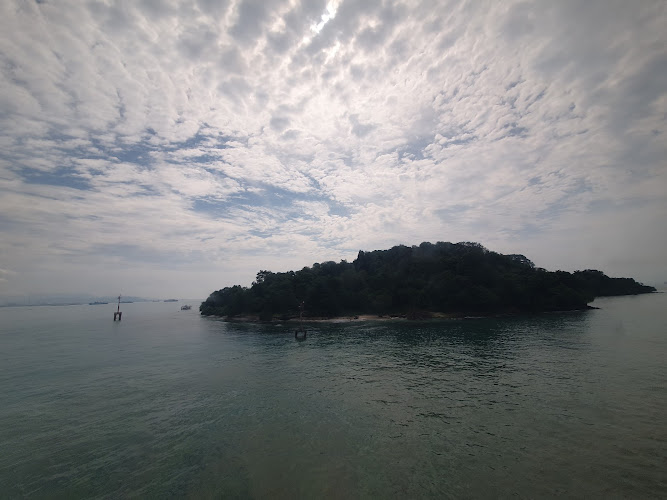
Pulau Merak Besar
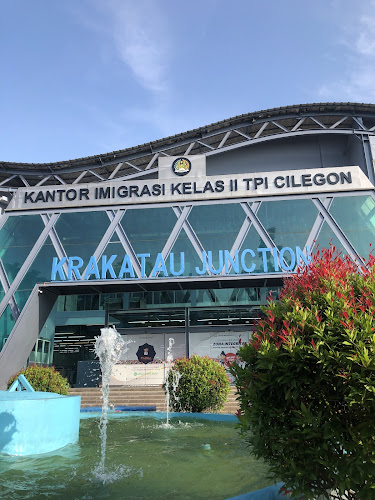
Imigrasi Cilegon Krakatau Junction
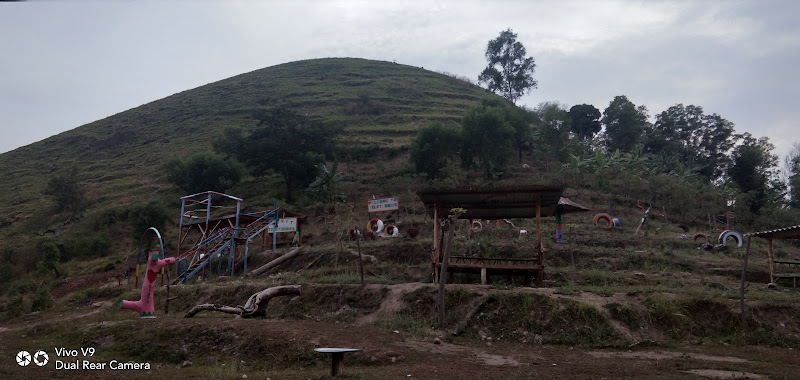
Bukit Teletubbies
Find Accommodations Nearby
Recommended Tours & Activities
Visitor Reviews
There are no reviews yet. Be the first one to write one.
Share Your Experience
Have you visited Cilegon? Help other travelers by leaving a review.