Description
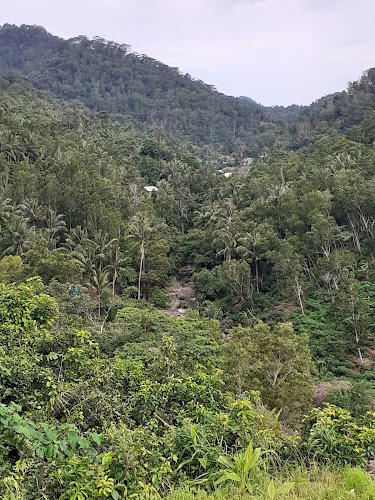
Batu Bukit Gambir stands as one of those natural wonders that manages to surprise visitors who stumble upon it, often becoming the unexpected highlight of their Malaysian adventure. This rock formation attraction draws people in with its dramatic landscapes and unique geological features that have been shaped over thousands of years by the elements. When travelers first catch sight of these imposing rock structures, there’s usually a moment of genuine awe that photographs simply can’t capture properly.
The site offers stunning views across the surrounding countryside, with vantage points that reward those willing to make the climb. While it might not have the international fame of some other Malaysian landmarks, Batu Bukit Gambir has carved out its own reputation among travelers who appreciate authentic natural beauty without the overwhelming crowds that plague more commercialized destinations. And honestly, that’s part of its charm.
What makes this place particularly special is its raw, unpolished character. You won’t find elaborate gift shops or perfectly manicured pathways here. Instead, you’ll encounter nature in a form that feels genuine and unspoiled. The rock formations themselves tell a geological story that spans millennia, with layers and textures that fascinate both casual visitors and geology enthusiasts alike. Some sections of the rock face catch the light in ways that shift throughout the day, creating an ever-changing canvas that makes timing your visit worthwhile.
The experience here is very much what you make of it. Some visitors come for the physical challenge and the satisfaction of reaching the summit, while others are content to explore the lower areas and soak in the scenery at a more relaxed pace. I’ve heard from travelers who initially thought they’d spend just an hour here but ended up staying for half a day, completely captivated by the landscape and the peaceful atmosphere.
Key Features
The attractions and characteristics that make Batu Bukit Gambir worth visiting include several distinctive elements that set it apart from similar natural sites:
- Impressive rock formations with unique geological characteristics that have developed over thousands of years through natural erosion and weathering processes
- Panoramic viewing points offering sweeping vistas of the surrounding Malaysian landscape, particularly rewarding during golden hour
- Multiple difficulty levels for exploration, accommodating both casual visitors and more adventurous travelers seeking a challenge
- Relatively undeveloped setting that preserves the natural environment and provides an authentic outdoor experience
- Photography opportunities that change dramatically depending on time of day and weather conditions, making each visit unique
- Quiet atmosphere compared to more heavily touristed attractions, allowing for peaceful contemplation and genuine connection with nature
- Accessible restroom facilities on-site, which is honestly a relief given the remote character of many natural attractions in the region
- Natural shade areas created by the rock formations themselves, offering respite during warmer parts of the day
- Interesting textures and patterns in the rock surfaces that reveal the geological history of the area
- Opportunities for both quick visits and extended exploration depending on your schedule and interest level
Best Time to Visit
Timing your visit to Batu Bukit Gambir can significantly impact your experience, and there’s no single perfect answer that works for everyone. The dry season, typically running from March through October, generally provides the most reliable conditions for exploring the site. During these months, you’ll have better traction on the rocks and clearer skies for those panoramic views that make the climb worthwhile.
But here’s where personal preference comes in. Early morning visits, particularly around sunrise, offer cooler temperatures and softer light that photographers absolutely love. The rocks take on a golden glow that’s genuinely magical. If you’re not a morning person though, don’t force it – a grumpy climb isn’t going to lead to great memories.
Late afternoon visits have their own appeal, especially if you can time things to catch the sunset. The temperatures drop from the midday heat, and you’ll often find yourself with fewer companions sharing the space. I’ve talked to visitors who swear by the late afternoon experience, saying the way the fading light plays across the rock formations creates an almost otherworldly atmosphere.
The wet season brings its own considerations. While the landscape becomes greener and more lush, the rocks can become slippery and potentially hazardous. It’s not impossible to visit during these months, but you need to be more cautious and prepared for sudden weather changes. Some travelers actually prefer this time precisely because fewer people make the trip, offering an even more solitary experience.
Weekdays tend to be quieter than weekends, which makes sense given that local visitors often come on their days off. If you value having the space mostly to yourself, aim for a Tuesday or Wednesday morning. The difference in crowd levels can be quite noticeable.
Temperature-wise, the coolest months are typically November through January, though you’re trading that comfort for a higher likelihood of rain. It’s always a balancing act with outdoor attractions in tropical climates.
How to Get There
Getting to Batu Bukit Gambir requires a bit of planning since it’s not located in the heart of a major city with extensive public transportation options. Most visitors find that having access to a car provides the most flexibility and convenience.
If you’re driving, navigation apps generally work well for finding the site, though cell service can become spotty as you approach the more remote areas. It’s wise to download offline maps beforehand just in case. The roads leading to the attraction are mostly paved, though conditions can vary depending on recent weather and maintenance schedules.
For those relying on public transportation, the journey becomes more complicated but not impossible. You’ll likely need to combine different modes of transport, potentially taking a bus to the nearest town and then arranging a taxi or ride-share for the final leg. This approach requires more time and patience, but it can also lead to interesting interactions with locals and a deeper sense of the region.
Many travelers choose to hire a driver for the day, which removes the stress of navigation and parking while allowing you to relax and enjoy the scenery along the way. This option makes particular sense if you’re planning to visit multiple attractions in the area on the same day.
The parking situation at the site itself is relatively straightforward, though spaces are limited. Arriving early not only gets you better lighting and cooler temperatures but also ensures you’ll find parking without hassle. Keep in mind that the parking area isn’t paved or marked with clear lines – it’s more of an informal arrangement that works on a first-come basis.
The final approach to the actual rock formations involves some walking on uneven terrain. Visitors should be prepared for this and wear appropriate footwear. The path isn’t particularly long, but it’s also not wheelchair accessible, which is worth noting for anyone with mobility considerations.
Tips for Visiting
Making the most of your visit to Batu Bukit Gambir comes down to proper preparation and realistic expectations. First and foremost, footwear matters more than you might think. Those trendy sandals might work for beach photos, but they’ll make your time here unnecessarily difficult and potentially dangerous. Proper hiking shoes or at minimum sturdy sneakers with good grip will transform your experience.
Bring more water than you think you’ll need. The Malaysian climate is unforgiving, and dehydration creeps up faster than expected when you’re focused on exploring and taking photos. I’d recommend at least two liters per person, especially if you’re visiting during warmer parts of the day.
Sun protection is non-negotiable. Even on days that seem overcast, UV exposure at this elevation can surprise you. Sunscreen, a hat, and perhaps lightweight long sleeves will save you from uncomfortable burns that ruin the rest of your trip. Reapply the sunscreen more often than the bottle suggests – you’re sweating it off faster than you realize.
The restroom facilities are available but basic. Bringing your own tissue paper and hand sanitizer is a smart move that you’ll appreciate when the time comes. These small preparations make a significant difference in comfort levels.
Since the site isn’t heavily commercialized, there aren’t food vendors waiting at the summit. Pack some snacks and perhaps a light lunch if you’re planning an extended visit. Energy bars, fruit, or sandwiches will keep your energy up without weighing you down.
Photography enthusiasts should bring whatever equipment they’re comfortable carrying, but remember that you’ll be navigating uneven terrain. A smaller, lighter setup often proves more practical than hauling professional gear that you’ll be too tired to use effectively. The best camera is the one you’ll actually take out of the bag.
Check weather forecasts before heading out, but also understand that tropical weather can change rapidly. Having a light rain jacket tucked into your bag weighs almost nothing but could save your day if unexpected showers roll in.
Respect the natural environment by taking all trash with you. There aren’t many bins around, and leaving waste behind degrades the experience for future visitors while damaging the ecosystem. If you can carry it in full, you can carry it out empty.
The lack of wheelchair accessibility means visitors with mobility challenges should carefully consider whether this attraction suits their needs. Being honest about physical limitations isn’t admitting defeat – it’s planning smartly to ensure an enjoyable trip.
Finally, manage your expectations about what you’ll find here. This isn’t a theme park with safety railings and paved walkways. It’s a natural attraction that requires a reasonable level of fitness and comfort with outdoor environments. But for those who appreciate authentic natural beauty without excessive development, Batu Bukit Gambir delivers an experience that stays with you long after you’ve returned home.