
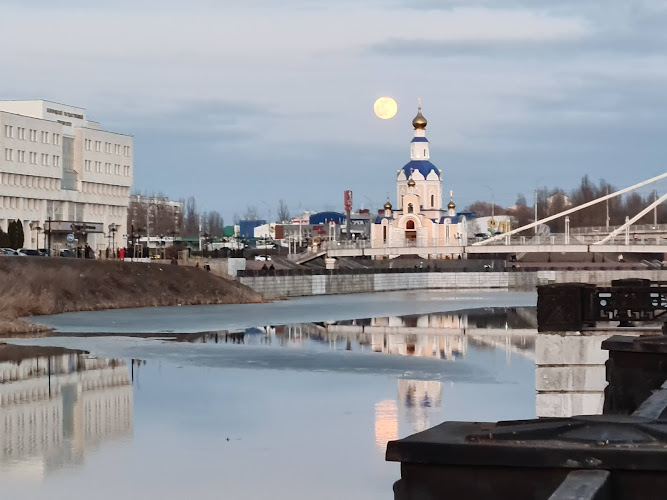
Belgorod
About Belgorod
Description
Belgorod is one of those Russian cities that doesn’t shout for attention, and honestly, that’s part of its appeal. Sitting along the Seversky Donets River and acting as the administrative center of Belgorod Oblast, the city has a population just under 340,000. It feels manageable, human-sized. You can walk a lot of it without feeling swallowed by concrete or traffic, which is something I personally value more and more as I get older (my knees will back me up on this).
Founded in 1596 as a defensive fort guarding Russia’s southern borders, Belgorod still carries that frontier-town DNA. You sense it in the city’s layout, its monuments, and even in how locals talk about history—not like it’s dusty and locked in a museum, but like it’s a living thing they still negotiate with. And yes, the city lies about 40 kilometers north of the border with Ukraine, which is impossible to ignore when planning a trip. Travelers should stay informed and cautious. But day-to-day life in Belgorod, when calm, has a rhythm that feels surprisingly grounded.
What struck me most on my first visit was how green the city is. Parks actually get used here. Families picnic, teenagers hang around pretending not to care about anything, and older folks sit quietly watching the river flow by. There’s a modest pride in Belgorod that doesn’t feel forced. It’s not trying to be Moscow or Saint Petersburg. And that’s refreshing. You’re not bombarded with spectacle; instead, you’re invited to observe, to notice details. Like the way Soviet-era apartment blocks sit next to newer developments, awkward but somehow honest.
Belgorod’s cultural identity is deeply tied to military history, especially World War II. The Battle of Kursk looms large in regional memory, and you’ll find memorials and museums that approach the topic with seriousness rather than theatrics. It’s not light travel content, sure. But it’s meaningful, and for travelers interested in history beyond postcards, Belgorod can be quietly compelling.
Key Features
- Historic roots dating back to 1596 as a southern defensive fort
- Location along the Seversky Donets River with accessible riverside walks
- Strong focus on World War II history and regional military heritage
- Compact city layout that’s easy to navigate on foot or by public transport
- Noticeably green urban spaces with parks integrated into daily life
- Local museums that prioritize substance over flashy presentation
- A quieter, less tourist-heavy atmosphere compared to major Russian cities
- Architecture that blends imperial, Soviet, and modern Russian styles
Best Time to Visit
Late spring to early autumn is the sweet spot for visiting Belgorod. May through September offers mild to warm temperatures and longer daylight hours, which makes wandering around far more pleasant. Summers can get warm, but not the exhausting kind of heat you might expect further south. I remember one June afternoon where I walked for hours along the river and only realized I was tired because I’d forgotten to eat. That’s usually my benchmark for good travel weather.
Autumn is underrated here. September and early October bring cooler air and trees turning gold and rust along the riverbanks. It feels contemplative, almost poetic, if you’re into that sort of thing. Winters, on the other hand, are cold and snowy. Beautiful, yes, but not forgiving. Unless you’re genuinely comfortable with icy sidewalks and short days, winter might test your patience.
One important note, and I won’t sugarcoat this: travelers should closely monitor regional conditions before planning any visit. Proximity to an active geopolitical border means situations can change quickly. Timing matters more here than in many other destinations, and flexibility is key.
How to Get There
Belgorod is accessible by rail, road, and air, depending on current conditions and regulations. Trains connect the city with major Russian hubs, and for many travelers, rail is the most reliable and least stressful option. I’ve always found Russian trains oddly soothing—there’s something about the rhythm of the tracks and the endless tea that makes time slow down.
By road, Belgorod is linked through regional highways, and bus services operate from nearby cities. Driving gives you flexibility, but it also requires awareness of local advisories and checkpoints. If you’re the type who likes spontaneous detours, this might not be the best region for that kind of freedom right now.
Air travel has historically been an option, though availability can vary. Always check current transport updates before locking in plans. I know, it’s tedious. But it beats arriving somewhere only to realize your return route vanished overnight. Been there, learned the hard way.
Tips for Visiting
First, stay informed. This isn’t the place to wing it blindly. Check local news, understand regional guidelines, and keep your plans flexible. That said, don’t let caution turn into paranoia. When things are calm, Belgorod feels orderly and welcoming.
Learn a few basic Russian phrases. English isn’t widely spoken outside hotels or official institutions. Even a clumsy “spasibo” goes a long way. Trust me, I’ve butchered pronunciations more times than I care to admit, and people still appreciated the effort.
Dress for walking. You’ll end up doing more of it than expected, especially around parks and central areas. Comfortable shoes matter. And bring layers; weather can shift faster than you think.
Respect the city’s relationship with its history. Memorials aren’t photo props. Take a moment, read the plaques, observe how locals behave. It changes how you experience the place.
Food-wise, don’t expect cutting-edge dining trends. Instead, lean into hearty regional dishes. They’re filling, affordable, and honestly comforting after a long day out. I still think about a simple meal I had here—nothing fancy, just warm, filling, and exactly what I needed at the time.
Finally, talk to people if you get the chance. Belgorod residents can seem reserved at first, but once the ice breaks, conversations can be surprisingly open. You’ll hear stories that don’t make it into guidebooks. And those, in my experience, are the moments that stick with you long after the trip ends.
Key Features
- Historic roots dating back to 1596 as a southern defensive fort
- Location along the Seversky Donets River with accessible riverside walks
- Strong focus on World War II history and regional military heritage
- Compact city layout that’s easy to navigate on foot or by public transport
- Noticeably green urban spaces with parks integrated into daily life
- Local museums that prioritize substance over flashy presentation
- A quieter, less tourist-heavy atmosphere compared to major Russian cities
- Architecture that blends imperial, Soviet, and modern Russian styles
More Details
Updated December 31, 2025
Table of Contents
Description
Belgorod is one of those Russian cities that doesn’t shout for attention, and honestly, that’s part of its appeal. Sitting along the Seversky Donets River and acting as the administrative center of Belgorod Oblast, the city has a population just under 340,000. It feels manageable, human-sized. You can walk a lot of it without feeling swallowed by concrete or traffic, which is something I personally value more and more as I get older (my knees will back me up on this).
Founded in 1596 as a defensive fort guarding Russia’s southern borders, Belgorod still carries that frontier-town DNA. You sense it in the city’s layout, its monuments, and even in how locals talk about history—not like it’s dusty and locked in a museum, but like it’s a living thing they still negotiate with. And yes, the city lies about 40 kilometers north of the border with Ukraine, which is impossible to ignore when planning a trip. Travelers should stay informed and cautious. But day-to-day life in Belgorod, when calm, has a rhythm that feels surprisingly grounded.
What struck me most on my first visit was how green the city is. Parks actually get used here. Families picnic, teenagers hang around pretending not to care about anything, and older folks sit quietly watching the river flow by. There’s a modest pride in Belgorod that doesn’t feel forced. It’s not trying to be Moscow or Saint Petersburg. And that’s refreshing. You’re not bombarded with spectacle; instead, you’re invited to observe, to notice details. Like the way Soviet-era apartment blocks sit next to newer developments, awkward but somehow honest.
Belgorod’s cultural identity is deeply tied to military history, especially World War II. The Battle of Kursk looms large in regional memory, and you’ll find memorials and museums that approach the topic with seriousness rather than theatrics. It’s not light travel content, sure. But it’s meaningful, and for travelers interested in history beyond postcards, Belgorod can be quietly compelling.
Key Features
- Historic roots dating back to 1596 as a southern defensive fort
- Location along the Seversky Donets River with accessible riverside walks
- Strong focus on World War II history and regional military heritage
- Compact city layout that’s easy to navigate on foot or by public transport
- Noticeably green urban spaces with parks integrated into daily life
- Local museums that prioritize substance over flashy presentation
- A quieter, less tourist-heavy atmosphere compared to major Russian cities
- Architecture that blends imperial, Soviet, and modern Russian styles
Best Time to Visit
Late spring to early autumn is the sweet spot for visiting Belgorod. May through September offers mild to warm temperatures and longer daylight hours, which makes wandering around far more pleasant. Summers can get warm, but not the exhausting kind of heat you might expect further south. I remember one June afternoon where I walked for hours along the river and only realized I was tired because I’d forgotten to eat. That’s usually my benchmark for good travel weather.
Autumn is underrated here. September and early October bring cooler air and trees turning gold and rust along the riverbanks. It feels contemplative, almost poetic, if you’re into that sort of thing. Winters, on the other hand, are cold and snowy. Beautiful, yes, but not forgiving. Unless you’re genuinely comfortable with icy sidewalks and short days, winter might test your patience.
One important note, and I won’t sugarcoat this: travelers should closely monitor regional conditions before planning any visit. Proximity to an active geopolitical border means situations can change quickly. Timing matters more here than in many other destinations, and flexibility is key.
How to Get There
Belgorod is accessible by rail, road, and air, depending on current conditions and regulations. Trains connect the city with major Russian hubs, and for many travelers, rail is the most reliable and least stressful option. I’ve always found Russian trains oddly soothing—there’s something about the rhythm of the tracks and the endless tea that makes time slow down.
By road, Belgorod is linked through regional highways, and bus services operate from nearby cities. Driving gives you flexibility, but it also requires awareness of local advisories and checkpoints. If you’re the type who likes spontaneous detours, this might not be the best region for that kind of freedom right now.
Air travel has historically been an option, though availability can vary. Always check current transport updates before locking in plans. I know, it’s tedious. But it beats arriving somewhere only to realize your return route vanished overnight. Been there, learned the hard way.
Tips for Visiting
First, stay informed. This isn’t the place to wing it blindly. Check local news, understand regional guidelines, and keep your plans flexible. That said, don’t let caution turn into paranoia. When things are calm, Belgorod feels orderly and welcoming.
Learn a few basic Russian phrases. English isn’t widely spoken outside hotels or official institutions. Even a clumsy “spasibo” goes a long way. Trust me, I’ve butchered pronunciations more times than I care to admit, and people still appreciated the effort.
Dress for walking. You’ll end up doing more of it than expected, especially around parks and central areas. Comfortable shoes matter. And bring layers; weather can shift faster than you think.
Respect the city’s relationship with its history. Memorials aren’t photo props. Take a moment, read the plaques, observe how locals behave. It changes how you experience the place.
Food-wise, don’t expect cutting-edge dining trends. Instead, lean into hearty regional dishes. They’re filling, affordable, and honestly comforting after a long day out. I still think about a simple meal I had here—nothing fancy, just warm, filling, and exactly what I needed at the time.
Finally, talk to people if you get the chance. Belgorod residents can seem reserved at first, but once the ice breaks, conversations can be surprisingly open. You’ll hear stories that don’t make it into guidebooks. And those, in my experience, are the moments that stick with you long after the trip ends.
Key Highlights
- Historic roots dating back to 1596 as a southern defensive fort
- Location along the Seversky Donets River with accessible riverside walks
- Strong focus on World War II history and regional military heritage
- Compact city layout that’s easy to navigate on foot or by public transport
- Noticeably green urban spaces with parks integrated into daily life
- Local museums that prioritize substance over flashy presentation
- A quieter, less tourist-heavy atmosphere compared to major Russian cities
- Architecture that blends imperial, Soviet, and modern Russian styles
Location
Places to Stay Near Belgorod
Find and Book a Tour
Explore More Travel Guides
No reviews found! Be the first to review!
Traveler Reviews for Belgorod
There are no reviews yet. Be the first one to write one.
Have you visited Belgorod? Help other travelers by sharing your review.
You Might Also Like
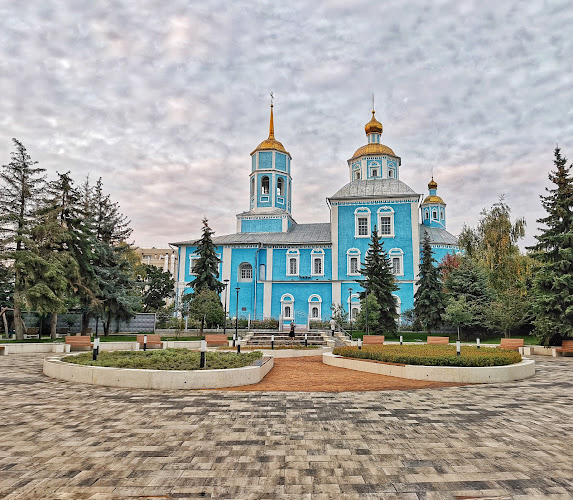
Smolensky Cathedral
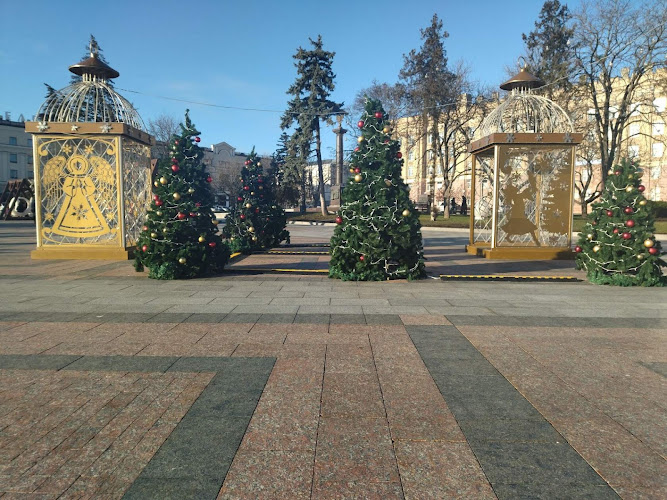
Sobornaya Ploshchad'
Muzey-Diorama "Kurskaya Bitva. Belgorodskoye Napravleniye"
Find Accommodations Nearby
Recommended Tours & Activities
Visitor Reviews
There are no reviews yet. Be the first one to write one.
Share Your Experience
Have you visited Belgorod? Help other travelers by leaving a review.