About Smolensky Cathedral

Description

The Smolensky Cathedral has that quiet authority some places carry without trying too hard. You feel it before you even step inside. It’s an Eastern Orthodox cathedral, yes, but also a living, breathing landmark where history, faith, and daily life blur together. Travelers often expect a museum-like experience, but this place isn’t frozen in time. It’s used, loved, sometimes messy, sometimes transcendent. And honestly, that’s what makes it worth your time.

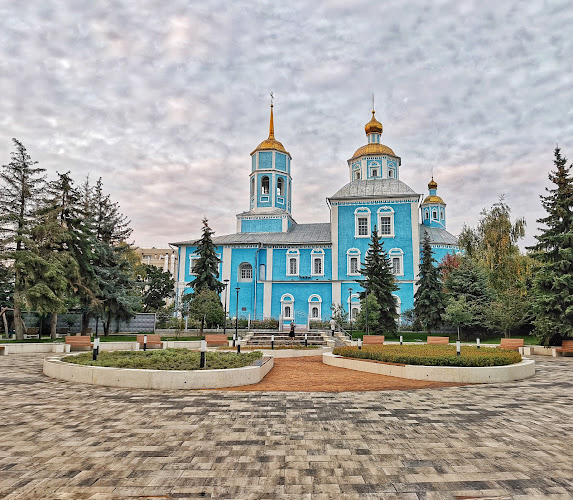
Architecturally, the cathedral follows traditional Eastern Orthodox church design, with its commanding domes, thick walls, and a layout meant to draw your gaze upward. The exterior feels solid and calm, almost stern at first glance. But give it a moment. Light shifts across the façade, bells echo, and suddenly it feels welcoming in a reserved, dignified way. I remember standing outside on a chilly morning, hands stuffed in pockets, thinking I’d just pop in for ten minutes. I stayed nearly an hour.

Inside, the atmosphere changes immediately. It’s quieter, softer. The smell of wax candles and incense lingers in the air, and even if you’re not religious, there’s something grounding about it. Icons line the walls, some darkened with age, others surprisingly vivid. You might notice locals slipping in and out, crossing themselves quickly, whispering prayers. Tourists tend to slow down here, almost unconsciously. Phones go away. Voices drop. And that’s kind of the magic.

The Smolensky Cathedral also surprises people with how accessible it is. Too many historic religious sites forget about modern needs, but here, wheelchair access and basic amenities are thoughtfully handled. It doesn’t break the atmosphere; it just makes the place more humane. And I appreciate that more than I probably should.

While most visitors leave glowing impressions, not everyone connects with it the same way. Some find the interior darker than expected, or wish for more signage explaining what they’re seeing. That’s fair. This cathedral doesn’t spoon-feed you information. It assumes you’ll observe, ask questions, maybe even sit in the quiet and figure things out on your own. If you’re okay with that, it can be deeply rewarding.

Key Features

  • Traditional Eastern Orthodox architecture with prominent domes and a symmetrical layout
  • Richly detailed iconostasis that serves as the visual and spiritual heart of the interior
  • Active place of worship, offering an authentic glimpse into local religious life
  • Wheelchair accessible entrance and parking, which is still sadly rare for historic sites
  • On-site restrooms, making longer visits far more comfortable
  • Acoustics that make choral singing and bells feel almost physical
  • Peaceful interior that encourages slow exploration rather than rushed sightseeing

Best Time to Visit

If you ask me, mornings are unbeatable. Early light filters through the windows, and the cathedral feels like it’s just waking up. There are fewer visitors, and you’re more likely to see locals coming in for quiet prayer. It’s also when you’ll hear subtle sounds: footsteps, murmured words, the faint clink of a candle being lit. Those details stick with you.

Midday tends to bring tour groups, especially in peak travel seasons. It’s not awful, just louder and more crowded. If you’re the type who enjoys observing people and soaking up energy, that can be interesting in its own way. But if you want space to breathe, aim earlier or later.

Late afternoon is another good window. The light changes again, warmer and softer, and the crowds thin out. I once wandered in during this time almost by accident, killing time before dinner. Ended up sitting on a bench longer than planned, watching shadows stretch across the floor. No regrets.

During religious holidays, the cathedral becomes especially active. Services can be long, beautiful, and packed. It’s an incredible cultural experience, but not ideal if you’re just popping in to look around. Winter visits feel more solemn and introspective, while summer brings more casual travelers and longer visiting hours. Choose based on what kind of experience you want.

How to Get There

Getting to the Smolensky Cathedral is generally straightforward, especially if you’re already exploring the city. Public transportation is reliable, and most routes drop you within an easy walking distance. The walk itself often adds to the experience, passing through neighborhoods that feel lived-in rather than staged for tourists.

If you’re using a taxi or rideshare, drivers usually know the cathedral by name. It’s a recognizable landmark, and you won’t have to explain much. For those driving themselves, there is accessible parking available nearby, which is a relief because historic areas can be a headache for cars.

Walking is my preferred option when possible. You notice more. Little shops, random courtyards, the way daily life flows around the cathedral. One time I got slightly lost, took a wrong turn, and stumbled onto a quiet street that ended up being one of my favorite memories from the trip. So yeah, don’t stress too much about the perfect route.

Tips for Visiting

First things first: dress respectfully. You don’t need to go full formal, but modest clothing is appreciated. Shoulders covered, no super-short shorts. It’s not about strict rules, more about reading the room. And trust me, you’ll feel more comfortable blending in a bit.

Be mindful of ongoing services. If a service is happening, move quietly and avoid blocking pathways. Photography is often allowed, but not always during worship. When in doubt, watch what others are doing or ask politely. A small nod and a smile go a long way.

Give yourself time. This isn’t a five-minute stop unless you’re really rushing. Sit down. Let your eyes adjust to the darker interior. Look closely at the icons; some are centuries old and carry layers of history you can almost feel. I like to pick one detail, just one, and focus on it. Makes the visit more personal.

If you’re traveling with someone who has mobility needs, you’ll find the cathedral refreshingly accommodating. The accessible entrance and facilities make a real difference, and staff are generally helpful if you need assistance. It’s one of those things you might not notice unless you need it, but when you do, it matters a lot.

Don’t expect flashy displays or interactive exhibits. This place doesn’t chase your attention. It waits for it. Some visitors leave underwhelmed, others deeply moved. I think it depends on how you approach it. Come curious, a little patient, and open to quiet moments.

And one last thing. After your visit, take a few minutes outside. Sit, stand, wander. Let the experience settle. I’ve found that the Smolensky Cathedral lingers with you longer than you expect. Not loudly, not dramatically. Just enough to make you think about it later, maybe days after, when you’re already on to the next destination.

Key Features

  • Traditional Eastern Orthodox architecture with prominent domes and a symmetrical layout
  • Richly detailed iconostasis that serves as the visual and spiritual heart of the interior
  • Active place of worship, offering an authentic glimpse into local religious life
  • Wheelchair accessible entrance and parking, which is still sadly rare for historic sites
  • On-site restrooms, making longer visits far more comfortable
  • Acoustics that make choral singing and bells feel almost physical
  • Peaceful interior that encourages slow exploration rather than rushed sightseeing

More Details

Updated December 31, 2025

Description

The Smolensky Cathedral has that quiet authority some places carry without trying too hard. You feel it before you even step inside. It’s an Eastern Orthodox cathedral, yes, but also a living, breathing landmark where history, faith, and daily life blur together. Travelers often expect a museum-like experience, but this place isn’t frozen in time. It’s used, loved, sometimes messy, sometimes transcendent. And honestly, that’s what makes it worth your time.

Architecturally, the cathedral follows traditional Eastern Orthodox church design, with its commanding domes, thick walls, and a layout meant to draw your gaze upward. The exterior feels solid and calm, almost stern at first glance. But give it a moment. Light shifts across the façade, bells echo, and suddenly it feels welcoming in a reserved, dignified way. I remember standing outside on a chilly morning, hands stuffed in pockets, thinking I’d just pop in for ten minutes. I stayed nearly an hour.

Inside, the atmosphere changes immediately. It’s quieter, softer. The smell of wax candles and incense lingers in the air, and even if you’re not religious, there’s something grounding about it. Icons line the walls, some darkened with age, others surprisingly vivid. You might notice locals slipping in and out, crossing themselves quickly, whispering prayers. Tourists tend to slow down here, almost unconsciously. Phones go away. Voices drop. And that’s kind of the magic.

The Smolensky Cathedral also surprises people with how accessible it is. Too many historic religious sites forget about modern needs, but here, wheelchair access and basic amenities are thoughtfully handled. It doesn’t break the atmosphere; it just makes the place more humane. And I appreciate that more than I probably should.

While most visitors leave glowing impressions, not everyone connects with it the same way. Some find the interior darker than expected, or wish for more signage explaining what they’re seeing. That’s fair. This cathedral doesn’t spoon-feed you information. It assumes you’ll observe, ask questions, maybe even sit in the quiet and figure things out on your own. If you’re okay with that, it can be deeply rewarding.

Key Features

  • Traditional Eastern Orthodox architecture with prominent domes and a symmetrical layout
  • Richly detailed iconostasis that serves as the visual and spiritual heart of the interior
  • Active place of worship, offering an authentic glimpse into local religious life
  • Wheelchair accessible entrance and parking, which is still sadly rare for historic sites
  • On-site restrooms, making longer visits far more comfortable
  • Acoustics that make choral singing and bells feel almost physical
  • Peaceful interior that encourages slow exploration rather than rushed sightseeing

Best Time to Visit

If you ask me, mornings are unbeatable. Early light filters through the windows, and the cathedral feels like it’s just waking up. There are fewer visitors, and you’re more likely to see locals coming in for quiet prayer. It’s also when you’ll hear subtle sounds: footsteps, murmured words, the faint clink of a candle being lit. Those details stick with you.

Midday tends to bring tour groups, especially in peak travel seasons. It’s not awful, just louder and more crowded. If you’re the type who enjoys observing people and soaking up energy, that can be interesting in its own way. But if you want space to breathe, aim earlier or later.

Late afternoon is another good window. The light changes again, warmer and softer, and the crowds thin out. I once wandered in during this time almost by accident, killing time before dinner. Ended up sitting on a bench longer than planned, watching shadows stretch across the floor. No regrets.

During religious holidays, the cathedral becomes especially active. Services can be long, beautiful, and packed. It’s an incredible cultural experience, but not ideal if you’re just popping in to look around. Winter visits feel more solemn and introspective, while summer brings more casual travelers and longer visiting hours. Choose based on what kind of experience you want.

How to Get There

Getting to the Smolensky Cathedral is generally straightforward, especially if you’re already exploring the city. Public transportation is reliable, and most routes drop you within an easy walking distance. The walk itself often adds to the experience, passing through neighborhoods that feel lived-in rather than staged for tourists.

If you’re using a taxi or rideshare, drivers usually know the cathedral by name. It’s a recognizable landmark, and you won’t have to explain much. For those driving themselves, there is accessible parking available nearby, which is a relief because historic areas can be a headache for cars.

Walking is my preferred option when possible. You notice more. Little shops, random courtyards, the way daily life flows around the cathedral. One time I got slightly lost, took a wrong turn, and stumbled onto a quiet street that ended up being one of my favorite memories from the trip. So yeah, don’t stress too much about the perfect route.

Tips for Visiting

First things first: dress respectfully. You don’t need to go full formal, but modest clothing is appreciated. Shoulders covered, no super-short shorts. It’s not about strict rules, more about reading the room. And trust me, you’ll feel more comfortable blending in a bit.

Be mindful of ongoing services. If a service is happening, move quietly and avoid blocking pathways. Photography is often allowed, but not always during worship. When in doubt, watch what others are doing or ask politely. A small nod and a smile go a long way.

Give yourself time. This isn’t a five-minute stop unless you’re really rushing. Sit down. Let your eyes adjust to the darker interior. Look closely at the icons; some are centuries old and carry layers of history you can almost feel. I like to pick one detail, just one, and focus on it. Makes the visit more personal.

If you’re traveling with someone who has mobility needs, you’ll find the cathedral refreshingly accommodating. The accessible entrance and facilities make a real difference, and staff are generally helpful if you need assistance. It’s one of those things you might not notice unless you need it, but when you do, it matters a lot.

Don’t expect flashy displays or interactive exhibits. This place doesn’t chase your attention. It waits for it. Some visitors leave underwhelmed, others deeply moved. I think it depends on how you approach it. Come curious, a little patient, and open to quiet moments.

And one last thing. After your visit, take a few minutes outside. Sit, stand, wander. Let the experience settle. I’ve found that the Smolensky Cathedral lingers with you longer than you expect. Not loudly, not dramatically. Just enough to make you think about it later, maybe days after, when you’re already on to the next destination.

Key Highlights

  • Traditional Eastern Orthodox architecture with prominent domes and a symmetrical layout
  • Richly detailed iconostasis that serves as the visual and spiritual heart of the interior
  • Active place of worship, offering an authentic glimpse into local religious life
  • Wheelchair accessible entrance and parking, which is still sadly rare for historic sites
  • On-site restrooms, making longer visits far more comfortable
  • Acoustics that make choral singing and bells feel almost physical
  • Peaceful interior that encourages slow exploration rather than rushed sightseeing

Location

Places to Stay Near Smolensky Cathedral

Find and Book a Tour

Explore More Travel Guides

No reviews found! Be the first to review!

Traveler Reviews for Smolensky Cathedral

There are no reviews yet. Be the first one to write one.

Share Your Experience

Have you visited Smolensky Cathedral? Help other travelers by sharing your review.

Find Accommodations Nearby

Recommended Tours & Activities

Visitor Reviews

There are no reviews yet. Be the first one to write one.

Share Your Experience

Have you visited Smolensky Cathedral? Help other travelers by leaving a review.