

Wat Dhammararam Buddhist Temple
About Wat Dhammararam Buddhist Temple
Description
Wat Dhammararam Buddhist Temple is one of those places that quietly rearranges your mood the moment you step out of the car. There’s space here. Literal space, yes, with open grounds and towering statues spread out across the property. But there’s also mental space, the kind travelers don’t always realize they’re craving until they find it. Founded by Cambodian refugees, the temple carries a deep sense of resilience and gratitude that you can feel even if you don’t know the full backstory going in. And honestly, most visitors don’t. They just feel it.
The first thing people usually notice are the statues. They’re big. Not subtle, not tucked away, not decorative accents. These are full-on, larger-than-life Buddhist statues standing outdoors, watching over the grounds in calm silence. Some are golden, some are white, and all of them feel intentional, like they were placed with care rather than for show. I remember the first time I visited, I expected a quick walk-around and maybe a few photos. Instead, I stayed almost two hours, wandering slowly, reading plaques, and sitting on a bench longer than planned. Time sort of loosens its grip here.
This temple also doubles as a living cultural space, not just a tourist attraction. You’ll often see monks going about daily routines, families bringing offerings, or elders chatting in the shade. That mix of everyday life and sacred purpose makes Wat Dhammararam feel grounded, not staged. And while it’s peaceful, it’s not precious. Kids visit. Tour buses come through. Curious travelers wander in wearing sneakers and ball caps. And that’s okay. The atmosphere welcomes that kind of respectful curiosity.
For travelers who enjoy places that feel real, not over-produced, this temple hits the mark. It’s visually impressive, sure. But it’s the sense of sincerity, born from the refugee roots of its founders, that sticks with you. There’s a story here about rebuilding, about carrying spiritual traditions across oceans, and about creating a place of calm in a new land. You don’t need to be Buddhist to appreciate any of that. You just need to slow down a bit. And maybe leave your phone in your pocket for five minutes. Or ten. I won’t judge.
Key Features
- Large outdoor Buddhist statues that dominate the landscape and make the temple instantly recognizable
- A peaceful atmosphere shaped by active religious practice, not just tourism
- Founding history tied to Cambodian refugees, adding depth and cultural meaning
- Open grounds that encourage walking, reflection, and unhurried exploration
- Wheelchair accessible entrance, parking, and restrooms for inclusive visiting
- Onsite restrooms, which sounds boring until you really need one mid-visit
- A mix of local worshippers and travelers, creating an authentic, lived-in feel
Best Time to Visit
The best time to visit Wat Dhammararam depends on what kind of experience you’re after. If you want quiet, early mornings are hard to beat. The light is softer, the air feels calmer, and there’s a good chance you’ll have long stretches of the grounds mostly to yourself. I once arrived shortly after opening on a weekday and heard nothing but birds and the faint rustle of robes in the distance. That memory still sticks with me.
Late spring through early fall tends to be ideal for most travelers. The statues stand out beautifully against green grass and blue skies, and walking the grounds is comfortable without layers of winter gear. Summer weekends can be busier, especially when cultural events or religious holidays are happening. But busier doesn’t mean chaotic. It just means you’ll share the space with more families, more conversations, and a bit more life.
Winter visits are a different story. Snow transforms the temple into something almost surreal, with white drifts collecting at the base of statues and the grounds feeling even more hushed. But cold weather limits how long most people want to stay outdoors. If you’re the type who likes stark beauty and doesn’t mind bundling up, it can be rewarding. Otherwise, warmer months are more forgiving.
And a small tip that feels worth mentioning: mid-afternoon tends to be a sweet spot. Morning crowds have thinned, evening visitors haven’t arrived yet, and the light starts to warm up again. It’s not scientific, just something I’ve noticed from visiting more than once. Trust your instincts, but also trust the clock.
How to Get There
Getting to Wat Dhammararam is pretty straightforward, especially if you’re traveling by car. It’s located outside the dense urban core, which makes the drive feel calmer as you get closer. Roads open up, traffic thins, and the surroundings start to feel less rushed. That gradual transition actually helps set the tone for the visit. You arrive already a little more relaxed than when you started.
For travelers relying on GPS or navigation apps, the temple is well-known enough that it usually pops up without trouble. Parking is available on-site, and it’s not the kind of place where you circle endlessly looking for a spot. Accessibility has clearly been considered, with parking and pathways designed to accommodate visitors with mobility needs.
If you’re visiting the area without a car, reaching the temple can take a bit more planning. Rideshares and taxis are an option, though availability varies depending on time of day. Some travelers pair a visit here with other nearby attractions, making it part of a broader day trip rather than a standalone stop. That works well, especially if you’re short on time.
And one thing I’ll say, from personal experience: don’t rush the drive in and rush the drive out. This isn’t a check-the-box attraction. Build in some buffer time. Sit in the car for a minute before leaving. Let the visit settle. It sounds a bit woo-woo, I know, but it genuinely makes the experience richer.
Tips for Visiting
First, dress respectfully. You don’t need to be formal, but modest clothing goes a long way. Covered shoulders and reasonable shorts or pants are a safe bet. This is an active religious site, not a theme park, even if the statues look dramatic enough to tempt constant photo ops.
Second, slow down. I know travelers are often juggling tight schedules, but Wat Dhammararam rewards patience. Walk the full grounds. Circle the statues. Sit on a bench. Let yourself be bored for a minute. That boredom usually turns into calm, which is kind of the whole point.
Photography is generally welcome, especially outdoors, but be mindful. If people are praying or participating in rituals, give them space. I’ve seen visitors get so focused on angles and lighting that they forget there are real humans practicing their faith right there. Don’t be that person.
If you’re visiting with kids, set expectations ahead of time. This isn’t a playground, but it is open and visually interesting. Encourage quiet observation, maybe turn it into a scavenger hunt of sorts, spotting different statues or symbols. I’ve seen families do this well, and it makes the visit enjoyable for everyone.
Accessibility is a strong point here. Wheelchair accessible entrances, parking, and restrooms make the temple welcoming to a wide range of visitors. If accessibility matters for your travel planning, this is one less thing to worry about.
And finally, go in with curiosity, not assumptions. Some travelers expect a museum-like experience, others expect complete silence. What you’ll find is something in between. A living space. A spiritual refuge. A place shaped by history, migration, and faith. It won’t hand you a neat narrative, but if you pay attention, it offers something better. A moment of stillness in a world that rarely slows down on its own.
You’ll leave with photos, sure. But more importantly, you’ll leave with a feeling. And those are harder to come by on the road these days.
Key Features
- Large outdoor Buddhist statues that dominate the landscape and make the temple instantly recognizable
- A peaceful atmosphere shaped by active religious practice, not just tourism
- Founding history tied to Cambodian refugees, adding depth and cultural meaning
- Open grounds that encourage walking, reflection, and unhurried exploration
- Wheelchair accessible entrance, parking, and restrooms for inclusive visiting
- Onsite restrooms, which sounds boring until you really need one mid-visit
- A mix of local worshippers and travelers, creating an authentic, lived-in feel
More Details
Updated December 31, 2025
Table of Contents
Description
Wat Dhammararam Buddhist Temple is one of those places that quietly rearranges your mood the moment you step out of the car. There’s space here. Literal space, yes, with open grounds and towering statues spread out across the property. But there’s also mental space, the kind travelers don’t always realize they’re craving until they find it. Founded by Cambodian refugees, the temple carries a deep sense of resilience and gratitude that you can feel even if you don’t know the full backstory going in. And honestly, most visitors don’t. They just feel it.
The first thing people usually notice are the statues. They’re big. Not subtle, not tucked away, not decorative accents. These are full-on, larger-than-life Buddhist statues standing outdoors, watching over the grounds in calm silence. Some are golden, some are white, and all of them feel intentional, like they were placed with care rather than for show. I remember the first time I visited, I expected a quick walk-around and maybe a few photos. Instead, I stayed almost two hours, wandering slowly, reading plaques, and sitting on a bench longer than planned. Time sort of loosens its grip here.
This temple also doubles as a living cultural space, not just a tourist attraction. You’ll often see monks going about daily routines, families bringing offerings, or elders chatting in the shade. That mix of everyday life and sacred purpose makes Wat Dhammararam feel grounded, not staged. And while it’s peaceful, it’s not precious. Kids visit. Tour buses come through. Curious travelers wander in wearing sneakers and ball caps. And that’s okay. The atmosphere welcomes that kind of respectful curiosity.
For travelers who enjoy places that feel real, not over-produced, this temple hits the mark. It’s visually impressive, sure. But it’s the sense of sincerity, born from the refugee roots of its founders, that sticks with you. There’s a story here about rebuilding, about carrying spiritual traditions across oceans, and about creating a place of calm in a new land. You don’t need to be Buddhist to appreciate any of that. You just need to slow down a bit. And maybe leave your phone in your pocket for five minutes. Or ten. I won’t judge.
Key Features
- Large outdoor Buddhist statues that dominate the landscape and make the temple instantly recognizable
- A peaceful atmosphere shaped by active religious practice, not just tourism
- Founding history tied to Cambodian refugees, adding depth and cultural meaning
- Open grounds that encourage walking, reflection, and unhurried exploration
- Wheelchair accessible entrance, parking, and restrooms for inclusive visiting
- Onsite restrooms, which sounds boring until you really need one mid-visit
- A mix of local worshippers and travelers, creating an authentic, lived-in feel
Best Time to Visit
The best time to visit Wat Dhammararam depends on what kind of experience you’re after. If you want quiet, early mornings are hard to beat. The light is softer, the air feels calmer, and there’s a good chance you’ll have long stretches of the grounds mostly to yourself. I once arrived shortly after opening on a weekday and heard nothing but birds and the faint rustle of robes in the distance. That memory still sticks with me.
Late spring through early fall tends to be ideal for most travelers. The statues stand out beautifully against green grass and blue skies, and walking the grounds is comfortable without layers of winter gear. Summer weekends can be busier, especially when cultural events or religious holidays are happening. But busier doesn’t mean chaotic. It just means you’ll share the space with more families, more conversations, and a bit more life.
Winter visits are a different story. Snow transforms the temple into something almost surreal, with white drifts collecting at the base of statues and the grounds feeling even more hushed. But cold weather limits how long most people want to stay outdoors. If you’re the type who likes stark beauty and doesn’t mind bundling up, it can be rewarding. Otherwise, warmer months are more forgiving.
And a small tip that feels worth mentioning: mid-afternoon tends to be a sweet spot. Morning crowds have thinned, evening visitors haven’t arrived yet, and the light starts to warm up again. It’s not scientific, just something I’ve noticed from visiting more than once. Trust your instincts, but also trust the clock.
How to Get There
Getting to Wat Dhammararam is pretty straightforward, especially if you’re traveling by car. It’s located outside the dense urban core, which makes the drive feel calmer as you get closer. Roads open up, traffic thins, and the surroundings start to feel less rushed. That gradual transition actually helps set the tone for the visit. You arrive already a little more relaxed than when you started.
For travelers relying on GPS or navigation apps, the temple is well-known enough that it usually pops up without trouble. Parking is available on-site, and it’s not the kind of place where you circle endlessly looking for a spot. Accessibility has clearly been considered, with parking and pathways designed to accommodate visitors with mobility needs.
If you’re visiting the area without a car, reaching the temple can take a bit more planning. Rideshares and taxis are an option, though availability varies depending on time of day. Some travelers pair a visit here with other nearby attractions, making it part of a broader day trip rather than a standalone stop. That works well, especially if you’re short on time.
And one thing I’ll say, from personal experience: don’t rush the drive in and rush the drive out. This isn’t a check-the-box attraction. Build in some buffer time. Sit in the car for a minute before leaving. Let the visit settle. It sounds a bit woo-woo, I know, but it genuinely makes the experience richer.
Tips for Visiting
First, dress respectfully. You don’t need to be formal, but modest clothing goes a long way. Covered shoulders and reasonable shorts or pants are a safe bet. This is an active religious site, not a theme park, even if the statues look dramatic enough to tempt constant photo ops.
Second, slow down. I know travelers are often juggling tight schedules, but Wat Dhammararam rewards patience. Walk the full grounds. Circle the statues. Sit on a bench. Let yourself be bored for a minute. That boredom usually turns into calm, which is kind of the whole point.
Photography is generally welcome, especially outdoors, but be mindful. If people are praying or participating in rituals, give them space. I’ve seen visitors get so focused on angles and lighting that they forget there are real humans practicing their faith right there. Don’t be that person.
If you’re visiting with kids, set expectations ahead of time. This isn’t a playground, but it is open and visually interesting. Encourage quiet observation, maybe turn it into a scavenger hunt of sorts, spotting different statues or symbols. I’ve seen families do this well, and it makes the visit enjoyable for everyone.
Accessibility is a strong point here. Wheelchair accessible entrances, parking, and restrooms make the temple welcoming to a wide range of visitors. If accessibility matters for your travel planning, this is one less thing to worry about.
And finally, go in with curiosity, not assumptions. Some travelers expect a museum-like experience, others expect complete silence. What you’ll find is something in between. A living space. A spiritual refuge. A place shaped by history, migration, and faith. It won’t hand you a neat narrative, but if you pay attention, it offers something better. A moment of stillness in a world that rarely slows down on its own.
You’ll leave with photos, sure. But more importantly, you’ll leave with a feeling. And those are harder to come by on the road these days.
Key Highlights
- Large outdoor Buddhist statues that dominate the landscape and make the temple instantly recognizable
- A peaceful atmosphere shaped by active religious practice, not just tourism
- Founding history tied to Cambodian refugees, adding depth and cultural meaning
- Open grounds that encourage walking, reflection, and unhurried exploration
- Wheelchair accessible entrance, parking, and restrooms for inclusive visiting
- Onsite restrooms, which sounds boring until you really need one mid-visit
- A mix of local worshippers and travelers, creating an authentic, lived-in feel
Location
Places to Stay Near Wat Dhammararam Buddhist Temple
Find and Book a Tour
Explore More Travel Guides
No reviews found! Be the first to review!
Traveler Reviews for Wat Dhammararam Buddhist Temple
There are no reviews yet. Be the first one to write one.
Have you visited Wat Dhammararam Buddhist Temple? Help other travelers by sharing your review.
You Might Also Like
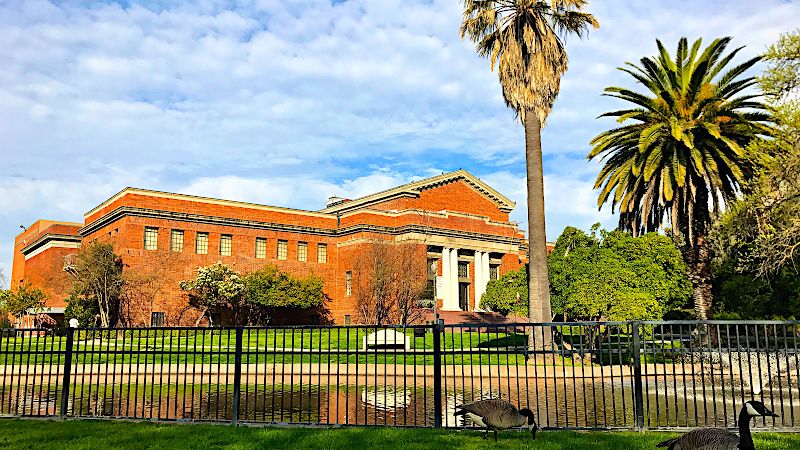
Haggin Museum
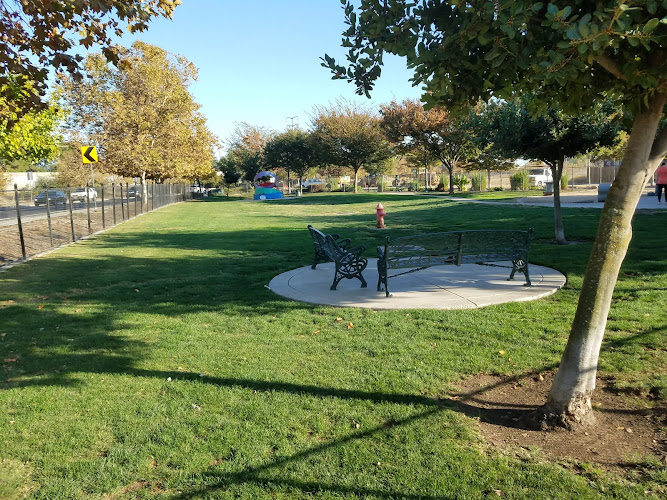
Barkleyville Dog Park
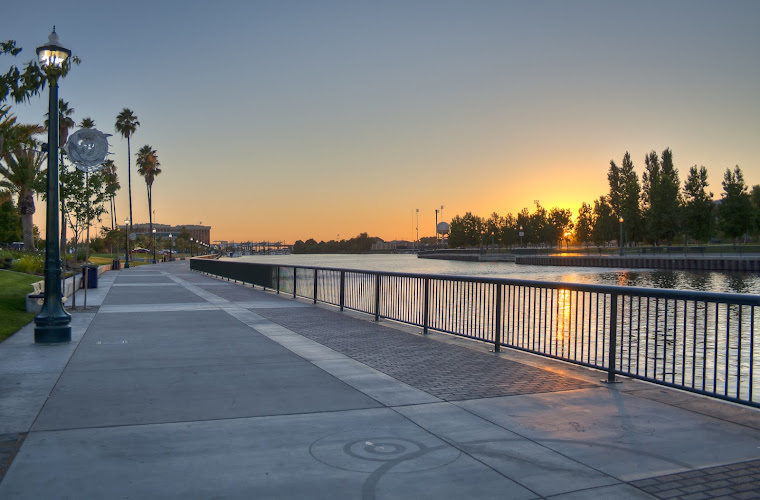
Joan Darrah Promenade
Find Accommodations Nearby
Recommended Tours & Activities
Visitor Reviews
There are no reviews yet. Be the first one to write one.
Share Your Experience
Have you visited Wat Dhammararam Buddhist Temple? Help other travelers by leaving a review.