
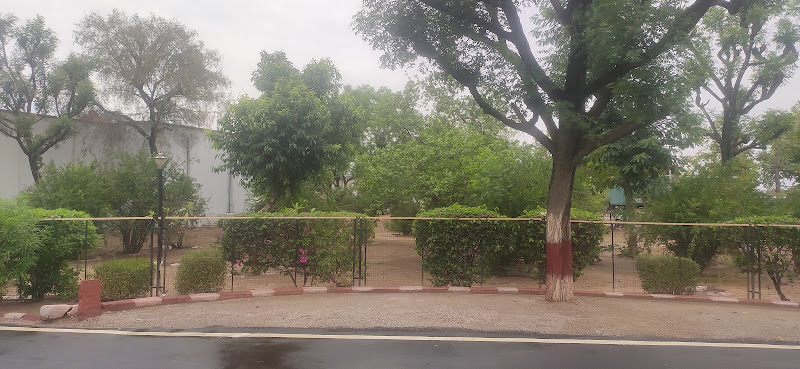
Police Lines
About Police Lines
Description
The Police Lines is one of those places travelers usually hear about only after arriving, and then wish they’d known earlier. It isn’t a typical tourist attraction, and honestly, that’s part of the appeal. Police Lines generally refers to the central residential and operational complex of a city’s police force, often laid out decades ago when planning was done with wide roads, parade grounds, and a sense of civic order that feels rare today.
Walking past or around Police Lines, you get a close-up look at how the city functions behind the scenes. Early mornings are especially telling. You might hear boots hitting the ground in rhythmic drills or catch sight of officers jogging in formation. I remember standing near a Police Lines once with a cup of overly sweet tea, half-awake, watching a parade practice unfold. It was oddly calming, like watching a city stretch before waking up fully.
For travelers curious about local life, Police Lines offers a grounded experience. No flashy signs, no curated photo spots. Just real routines, serious faces, and occasionally a friendly nod if you don’t look too lost. Some visitors find it a bit intimidating at first. That’s fair. Uniforms can do that. But spend a little time observing, and you realize it’s simply another neighborhood, just with more discipline and cleaner lawns than average.
Architecturally, many Police Lines complexes reflect colonial-era planning or early post-independence design. Long barracks, administrative buildings with thick walls, open grounds meant for assemblies. It’s not glamorous, but it’s honest. And for travelers who enjoy understanding how places actually work, not just how they pose for photos, this is gold.
Key Features
- Parade and drill grounds: Large open spaces used for training, ceremonies, and official gatherings, often active during early mornings.
- Colonial and civic architecture: Older Police Lines may feature buildings with historical design elements and solid, no-nonsense construction.
- Residential quarters: Homes for police personnel and their families, giving insight into a close-knit community lifestyle.
- Police institutions: Training schools, administrative offices, and sometimes small museums or memorials inside the complex.
- Green spaces: Surprisingly well-maintained lawns and trees, especially compared to surrounding urban areas.
- Morning routines: Drills, physical training, and flag ceremonies that offer a rare, authentic visual experience.
Best Time to Visit
The best time to experience Police Lines is early morning, hands down. Think sunrise to about 9 a.m. That’s when the place feels most alive. Officers are training, grounds are active, and the whole area has a purposeful energy. I’m not a morning person by nature, but even I admit it’s worth the effort. Bring coffee. Or tea. Strong tea.
Late afternoons can also be pleasant if you’re more interested in a quiet walk and observing daily life winding down. Evenings tend to be calmer, sometimes too calm, and access can feel more restricted depending on local rules. Midday visits are hit or miss. Heat, fewer activities, and a sleepy atmosphere can make it less engaging.
Season matters too. Cooler months are far more comfortable for walking around the perimeter or nearby roads. During hotter seasons, the open grounds can feel relentless under the sun, and trust me, there’s not always shade where you want it. Rainy periods add drama to the scenery but can limit movement, and muddy paths are no joke.
How to Get There
Police Lines are usually centrally located or just slightly removed from a city’s busiest zones. Most locals know where it is, even if they’ve never been inside. You can ask almost any taxi or auto-rickshaw driver to take you there, and they’ll nod like it’s obvious. Because to them, it is.
Public transport often runs close by, though stops may not be directly at the entrance. A short walk is usually required. And honestly, that walk can be part of the experience, passing tea stalls, stationery shops, and the occasional vendor selling snacks to officers on break.
If you’re driving yourself, be mindful of signage and barriers. Some entrances are strictly controlled, and parking isn’t always visitor-friendly. I once made the mistake of assuming I could just park anywhere. A polite but firm officer corrected that assumption real fast. Lesson learned.
Tips for Visiting
First things first: this is a working police complex. Respect matters. Dress modestly, behave calmly, and avoid doing anything that looks suspicious, like randomly photographing buildings or personnel. Ask before taking photos. Sometimes it’s allowed, sometimes it’s a hard no.
Carry an ID. You might not need it, but if you do and don’t have it, the visit can end abruptly. Keep conversations friendly and simple. Most officers are approachable if you’re respectful, but they’re also busy. Read the room.
If you’re a traveler who enjoys context, do a little reading beforehand about the local police history. It adds layers to what you’re seeing. Knowing why a parade ground exists or how old a building is can turn a casual walk into a meaningful experience.
And here’s a personal tip: don’t rush it. Sit nearby, maybe at a tea stall outside the complex, and just observe. Some of my favorite travel memories come from these in-between moments, watching daily life unfold without an agenda. Police Lines offers plenty of those moments if you let it.
Lastly, manage expectations. This isn’t a polished attraction designed to impress. Some areas may feel closed-off, others a bit worn. That’s okay. What you get in return is authenticity, a glimpse into civic life, and a story to tell when someone asks, So what did you actually see there?
Police Lines isn’t about ticking a box. It’s about curiosity. If you have that, you’ll find the visit quietly rewarding, maybe even memorable in ways you didn’t expect.
Key Features
- Key Features
- Best Time to Visit
- How to Get There
- Tips for Visiting
More Details
Updated December 31, 2025
Table of Contents
Description
The Police Lines is one of those places travelers usually hear about only after arriving, and then wish they’d known earlier. It isn’t a typical tourist attraction, and honestly, that’s part of the appeal. Police Lines generally refers to the central residential and operational complex of a city’s police force, often laid out decades ago when planning was done with wide roads, parade grounds, and a sense of civic order that feels rare today.
Walking past or around Police Lines, you get a close-up look at how the city functions behind the scenes. Early mornings are especially telling. You might hear boots hitting the ground in rhythmic drills or catch sight of officers jogging in formation. I remember standing near a Police Lines once with a cup of overly sweet tea, half-awake, watching a parade practice unfold. It was oddly calming, like watching a city stretch before waking up fully.
For travelers curious about local life, Police Lines offers a grounded experience. No flashy signs, no curated photo spots. Just real routines, serious faces, and occasionally a friendly nod if you don’t look too lost. Some visitors find it a bit intimidating at first. That’s fair. Uniforms can do that. But spend a little time observing, and you realize it’s simply another neighborhood, just with more discipline and cleaner lawns than average.
Architecturally, many Police Lines complexes reflect colonial-era planning or early post-independence design. Long barracks, administrative buildings with thick walls, open grounds meant for assemblies. It’s not glamorous, but it’s honest. And for travelers who enjoy understanding how places actually work, not just how they pose for photos, this is gold.
Key Features
- Parade and drill grounds: Large open spaces used for training, ceremonies, and official gatherings, often active during early mornings.
- Colonial and civic architecture: Older Police Lines may feature buildings with historical design elements and solid, no-nonsense construction.
- Residential quarters: Homes for police personnel and their families, giving insight into a close-knit community lifestyle.
- Police institutions: Training schools, administrative offices, and sometimes small museums or memorials inside the complex.
- Green spaces: Surprisingly well-maintained lawns and trees, especially compared to surrounding urban areas.
- Morning routines: Drills, physical training, and flag ceremonies that offer a rare, authentic visual experience.
Best Time to Visit
The best time to experience Police Lines is early morning, hands down. Think sunrise to about 9 a.m. That’s when the place feels most alive. Officers are training, grounds are active, and the whole area has a purposeful energy. I’m not a morning person by nature, but even I admit it’s worth the effort. Bring coffee. Or tea. Strong tea.
Late afternoons can also be pleasant if you’re more interested in a quiet walk and observing daily life winding down. Evenings tend to be calmer, sometimes too calm, and access can feel more restricted depending on local rules. Midday visits are hit or miss. Heat, fewer activities, and a sleepy atmosphere can make it less engaging.
Season matters too. Cooler months are far more comfortable for walking around the perimeter or nearby roads. During hotter seasons, the open grounds can feel relentless under the sun, and trust me, there’s not always shade where you want it. Rainy periods add drama to the scenery but can limit movement, and muddy paths are no joke.
How to Get There
Police Lines are usually centrally located or just slightly removed from a city’s busiest zones. Most locals know where it is, even if they’ve never been inside. You can ask almost any taxi or auto-rickshaw driver to take you there, and they’ll nod like it’s obvious. Because to them, it is.
Public transport often runs close by, though stops may not be directly at the entrance. A short walk is usually required. And honestly, that walk can be part of the experience, passing tea stalls, stationery shops, and the occasional vendor selling snacks to officers on break.
If you’re driving yourself, be mindful of signage and barriers. Some entrances are strictly controlled, and parking isn’t always visitor-friendly. I once made the mistake of assuming I could just park anywhere. A polite but firm officer corrected that assumption real fast. Lesson learned.
Tips for Visiting
First things first: this is a working police complex. Respect matters. Dress modestly, behave calmly, and avoid doing anything that looks suspicious, like randomly photographing buildings or personnel. Ask before taking photos. Sometimes it’s allowed, sometimes it’s a hard no.
Carry an ID. You might not need it, but if you do and don’t have it, the visit can end abruptly. Keep conversations friendly and simple. Most officers are approachable if you’re respectful, but they’re also busy. Read the room.
If you’re a traveler who enjoys context, do a little reading beforehand about the local police history. It adds layers to what you’re seeing. Knowing why a parade ground exists or how old a building is can turn a casual walk into a meaningful experience.
And here’s a personal tip: don’t rush it. Sit nearby, maybe at a tea stall outside the complex, and just observe. Some of my favorite travel memories come from these in-between moments, watching daily life unfold without an agenda. Police Lines offers plenty of those moments if you let it.
Lastly, manage expectations. This isn’t a polished attraction designed to impress. Some areas may feel closed-off, others a bit worn. That’s okay. What you get in return is authenticity, a glimpse into civic life, and a story to tell when someone asks, So what did you actually see there?
Police Lines isn’t about ticking a box. It’s about curiosity. If you have that, you’ll find the visit quietly rewarding, maybe even memorable in ways you didn’t expect.
Key Highlights
- Key Features
- Best Time to Visit
- How to Get There
- Tips for Visiting
Location
Places to Stay Near Police Lines
Find and Book a Tour
Explore More Travel Guides
No reviews found! Be the first to review!
Traveler Reviews for Police Lines
There are no reviews yet. Be the first one to write one.
Have you visited Police Lines? Help other travelers by sharing your review.
You Might Also Like
श्री इच्छा पूर्ण बालाजी मंदिर ग्राउंड
Sikar Museum
Raviprakash Sewda Farmhouse
Find Accommodations Nearby
Recommended Tours & Activities
Visitor Reviews
There are no reviews yet. Be the first one to write one.
Share Your Experience
Have you visited Police Lines? Help other travelers by leaving a review.