
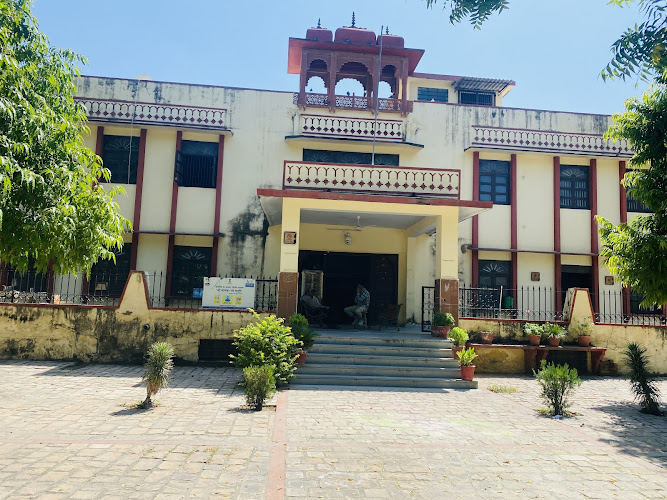
Sikar Museum
About Sikar Museum
Description
The Sikar Museum sits quietly doing what good history museums do best: telling stories without shouting. It’s a history museum first and foremost, with a strong emphasis on coins, regional artifacts, and objects that explain how this part of Rajasthan ticked before modern life rushed in. Travelers often expect grand halls or dramatic displays, but what they find instead is something more grounded. And honestly, that’s part of the charm.
This museum feels like a place built for people who actually want to learn. The galleries walk visitors through local history in a steady, unhurried way. Coins play a starring role here, tracing trade routes, political changes, and everyday economics across centuries. If you’ve ever held an old coin and wondered whose hands touched it before you, this museum answers that curiosity in a surprisingly personal way.
It’s also a place that respects its visitors. The museum is wheelchair accessible throughout, including entrances, parking, and restrooms, which makes a big difference for families and older travelers. You notice it right away, and it sets a welcoming tone. The atmosphere is generally calm, family-friendly, and good for kids who are old enough to be curious. Younger children may get restless, but even then, the displays are compact enough that you’re not stuck wandering endlessly.
There’s an honesty to the Sikar Museum. It doesn’t try to oversell itself, and visitors tend to respond well to that. Some people wish there were more interactive exhibits or English explanations in every corner, but many appreciate the straightforward presentation. It’s a museum that knows what it is. And sometimes, that’s refreshing in a world of overproduced tourist attractions.
One thing that often surprises travelers is how personal the collections feel. These aren’t random objects pulled from far-off places. They belong here. You get a sense that the museum is preserving memories that might otherwise fade away. For travelers interested in understanding Rajasthan beyond forts and palaces, this place quietly fills in the gaps.
Key Features
- Extensive coin collection showcasing different dynasties, trade periods, and economic history of the region
- Clear focus on local and regional history rather than broad national narratives
- Family-friendly layout with manageable gallery sizes
- Wheelchair accessible entrance, parking, and restrooms for inclusive travel
- Restroom facilities available on-site (always a win when traveling)
- Displays that appeal to history buffs, students, and curious travelers alike
- Generally peaceful environment, making it easy to take your time with exhibits
Best Time to Visit
The best time to visit the Sikar Museum is during the cooler months, roughly from October to March. Rajasthan’s summers can be unforgiving, and while the museum itself offers shelter, getting there and moving around town is much easier when the heat isn’t trying to knock you flat. Winter mornings are especially pleasant, and the museum tends to be quieter then.
Weekdays are ideal if you prefer a slower, more reflective experience. School groups sometimes visit, which can add noise and energy. That’s not necessarily a bad thing, but if you like to read every label in peace, aim for late mornings on a weekday. Afternoons can be warmer and a bit more crowded, especially during local holidays.
There’s no strong seasonal exhibit rotation here, so you’re not missing out by visiting at any particular time of year. What matters more is your comfort. And trust me, being comfortable makes a history museum ten times more enjoyable. No one wants to rush through centuries of history because they’re sweating or tired.
How to Get There
Getting to the Sikar Museum is fairly straightforward for travelers already in or near the city. Sikar is well connected by road, and most visitors arrive by car, taxi, or local transport. Auto-rickshaws are commonly used within the city and are usually happy to drop you near the museum if you mention it by name.
If you’re coming from nearby cities, buses and trains make Sikar accessible without too much hassle. From the main transit points, local transport fills in the last stretch. The museum’s central location means you don’t have to plan an entire day around just reaching it, which is a small but meaningful relief when you’re juggling multiple stops.
Parking availability is another plus. Travelers driving themselves often worry about cramped or chaotic parking, but here it’s generally manageable. And since the parking area is wheelchair accessible, it’s clear that the planners actually thought about real-world visitors, not just blueprints.
Tips for Visiting
First tip: give yourself time. The Sikar Museum isn’t huge, but rushing through it does it a disservice. Coins, in particular, reward patience. Take a moment to notice the symbols, the wear and tear, and what that says about daily life back then. It’s easy to skim, but you’ll get more out of it if you slow down.
Second, manage expectations. This is not a flashy, high-tech museum with touchscreens everywhere. And that’s okay. If you go in expecting quiet learning rather than entertainment, you’ll probably enjoy it more. I once watched a traveler walk in expecting something like a palace museum and walk out disappointed. Another person, who clearly loved history, stayed twice as long and looked genuinely happy. Same place, different mindset.
Third, if you’re visiting with kids, talk to them beforehand about what they’ll see. Coins and historical objects can sound boring to children until you frame them as real-life treasure with stories attached. Turn it into a bit of a game. Which coin looks the oldest? Which one would you keep?
Fourth, plan food separately. There’s no restaurant on-site, so eat before you go or plan a meal afterward. This might seem minor, but hungry travelers don’t make great learners. There are plenty of local options nearby, so it’s easy enough to manage.
Fifth, don’t be shy about asking questions if staff are available. While signage does a decent job, a quick conversation can add context you won’t get from labels alone. Sometimes a single anecdote brings an entire display to life.
Lastly, pair the museum visit with a walk around the surrounding area if time allows. Seeing modern Sikar after absorbing its past creates a neat contrast. You start noticing details you might have missed otherwise. Old buildings, street names, even markets suddenly feel connected to what you just learned.
The Sikar Museum won’t overwhelm you, and it doesn’t try to. Instead, it offers a steady, thoughtful look into regional history that travelers often skip in favor of bigger attractions. But those who take the time usually leave with a deeper understanding of the area. And sometimes, that quiet understanding ends up being the most memorable part of a trip.
Key Features
- Extensive coin collection showcasing different dynasties, trade periods, and economic history of the region
- Clear focus on local and regional history rather than broad national narratives
- Family-friendly layout with manageable gallery sizes
- Wheelchair accessible entrance, parking, and restrooms for inclusive travel
- Restroom facilities available on-site (always a win when traveling)
- Displays that appeal to history buffs, students, and curious travelers alike
- Generally peaceful environment, making it easy to take your time with exhibits
More Details
Updated December 31, 2025
Table of Contents
Description
The Sikar Museum sits quietly doing what good history museums do best: telling stories without shouting. It’s a history museum first and foremost, with a strong emphasis on coins, regional artifacts, and objects that explain how this part of Rajasthan ticked before modern life rushed in. Travelers often expect grand halls or dramatic displays, but what they find instead is something more grounded. And honestly, that’s part of the charm.
This museum feels like a place built for people who actually want to learn. The galleries walk visitors through local history in a steady, unhurried way. Coins play a starring role here, tracing trade routes, political changes, and everyday economics across centuries. If you’ve ever held an old coin and wondered whose hands touched it before you, this museum answers that curiosity in a surprisingly personal way.
It’s also a place that respects its visitors. The museum is wheelchair accessible throughout, including entrances, parking, and restrooms, which makes a big difference for families and older travelers. You notice it right away, and it sets a welcoming tone. The atmosphere is generally calm, family-friendly, and good for kids who are old enough to be curious. Younger children may get restless, but even then, the displays are compact enough that you’re not stuck wandering endlessly.
There’s an honesty to the Sikar Museum. It doesn’t try to oversell itself, and visitors tend to respond well to that. Some people wish there were more interactive exhibits or English explanations in every corner, but many appreciate the straightforward presentation. It’s a museum that knows what it is. And sometimes, that’s refreshing in a world of overproduced tourist attractions.
One thing that often surprises travelers is how personal the collections feel. These aren’t random objects pulled from far-off places. They belong here. You get a sense that the museum is preserving memories that might otherwise fade away. For travelers interested in understanding Rajasthan beyond forts and palaces, this place quietly fills in the gaps.
Key Features
- Extensive coin collection showcasing different dynasties, trade periods, and economic history of the region
- Clear focus on local and regional history rather than broad national narratives
- Family-friendly layout with manageable gallery sizes
- Wheelchair accessible entrance, parking, and restrooms for inclusive travel
- Restroom facilities available on-site (always a win when traveling)
- Displays that appeal to history buffs, students, and curious travelers alike
- Generally peaceful environment, making it easy to take your time with exhibits
Best Time to Visit
The best time to visit the Sikar Museum is during the cooler months, roughly from October to March. Rajasthan’s summers can be unforgiving, and while the museum itself offers shelter, getting there and moving around town is much easier when the heat isn’t trying to knock you flat. Winter mornings are especially pleasant, and the museum tends to be quieter then.
Weekdays are ideal if you prefer a slower, more reflective experience. School groups sometimes visit, which can add noise and energy. That’s not necessarily a bad thing, but if you like to read every label in peace, aim for late mornings on a weekday. Afternoons can be warmer and a bit more crowded, especially during local holidays.
There’s no strong seasonal exhibit rotation here, so you’re not missing out by visiting at any particular time of year. What matters more is your comfort. And trust me, being comfortable makes a history museum ten times more enjoyable. No one wants to rush through centuries of history because they’re sweating or tired.
How to Get There
Getting to the Sikar Museum is fairly straightforward for travelers already in or near the city. Sikar is well connected by road, and most visitors arrive by car, taxi, or local transport. Auto-rickshaws are commonly used within the city and are usually happy to drop you near the museum if you mention it by name.
If you’re coming from nearby cities, buses and trains make Sikar accessible without too much hassle. From the main transit points, local transport fills in the last stretch. The museum’s central location means you don’t have to plan an entire day around just reaching it, which is a small but meaningful relief when you’re juggling multiple stops.
Parking availability is another plus. Travelers driving themselves often worry about cramped or chaotic parking, but here it’s generally manageable. And since the parking area is wheelchair accessible, it’s clear that the planners actually thought about real-world visitors, not just blueprints.
Tips for Visiting
First tip: give yourself time. The Sikar Museum isn’t huge, but rushing through it does it a disservice. Coins, in particular, reward patience. Take a moment to notice the symbols, the wear and tear, and what that says about daily life back then. It’s easy to skim, but you’ll get more out of it if you slow down.
Second, manage expectations. This is not a flashy, high-tech museum with touchscreens everywhere. And that’s okay. If you go in expecting quiet learning rather than entertainment, you’ll probably enjoy it more. I once watched a traveler walk in expecting something like a palace museum and walk out disappointed. Another person, who clearly loved history, stayed twice as long and looked genuinely happy. Same place, different mindset.
Third, if you’re visiting with kids, talk to them beforehand about what they’ll see. Coins and historical objects can sound boring to children until you frame them as real-life treasure with stories attached. Turn it into a bit of a game. Which coin looks the oldest? Which one would you keep?
Fourth, plan food separately. There’s no restaurant on-site, so eat before you go or plan a meal afterward. This might seem minor, but hungry travelers don’t make great learners. There are plenty of local options nearby, so it’s easy enough to manage.
Fifth, don’t be shy about asking questions if staff are available. While signage does a decent job, a quick conversation can add context you won’t get from labels alone. Sometimes a single anecdote brings an entire display to life.
Lastly, pair the museum visit with a walk around the surrounding area if time allows. Seeing modern Sikar after absorbing its past creates a neat contrast. You start noticing details you might have missed otherwise. Old buildings, street names, even markets suddenly feel connected to what you just learned.
The Sikar Museum won’t overwhelm you, and it doesn’t try to. Instead, it offers a steady, thoughtful look into regional history that travelers often skip in favor of bigger attractions. But those who take the time usually leave with a deeper understanding of the area. And sometimes, that quiet understanding ends up being the most memorable part of a trip.
Key Highlights
- Extensive coin collection showcasing different dynasties, trade periods, and economic history of the region
- Clear focus on local and regional history rather than broad national narratives
- Family-friendly layout with manageable gallery sizes
- Wheelchair accessible entrance, parking, and restrooms for inclusive travel
- Restroom facilities available on-site (always a win when traveling)
- Displays that appeal to history buffs, students, and curious travelers alike
- Generally peaceful environment, making it easy to take your time with exhibits
Location
Places to Stay Near Sikar Museum
Find and Book a Tour
Explore More Travel Guides
No reviews found! Be the first to review!
Traveler Reviews for Sikar Museum
There are no reviews yet. Be the first one to write one.
Have you visited Sikar Museum? Help other travelers by sharing your review.
You Might Also Like
Parwati Palace Marriage Garden

State Bank of India RIICO MOD IND. AREA SIKAR

Rajasthan Patrika Sikar Office
Find Accommodations Nearby
Recommended Tours & Activities
Visitor Reviews
There are no reviews yet. Be the first one to write one.
Share Your Experience
Have you visited Sikar Museum? Help other travelers by leaving a review.