
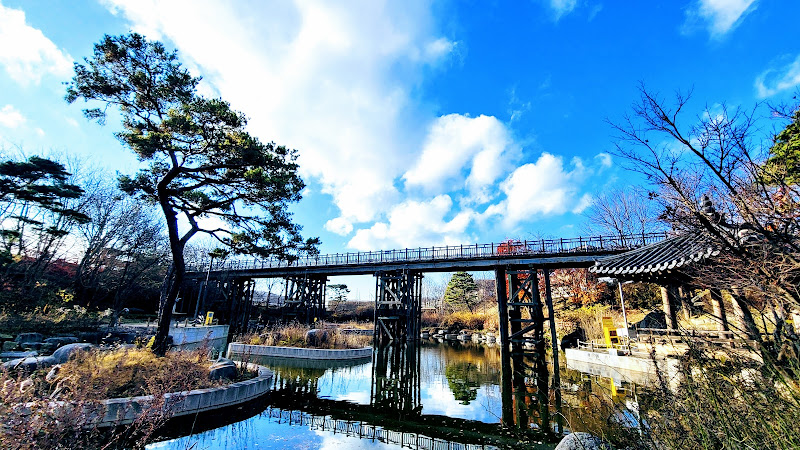
Majeong-ri
About Majeong-ri
Description
Majeong-ri is the kind of place that doesn’t shout for attention, and honestly, that’s part of the appeal. It sits quietly in the Korean countryside, a small coastal-rural village where everyday life still moves at a human pace. If you’re used to big cities or even popular tourist towns, arriving here can feel almost confusing at first. Where are the crowds? Where are the souvenir shops? And then it clicks. Majeong-ri isn’t trying to entertain you. It just exists, and you’re invited to step into that rhythm for a while.
The landscape around Majeong-ri leans heavily on nature. Low hills roll into farmland, and depending on where you wander, the sea might suddenly appear at the end of a narrow road. I remember walking here early in the morning, jet lagged and half-awake, and hearing roosters before I saw a single person. It felt old-school in the best way. There’s a calm honesty to the place that’s rare now.
Travelers who come to Majeong-ri often do so by accident or recommendation. It doesn’t have the flashy reputation of larger coastal destinations in Korea, and that’s exactly why it works. You’ll see fishing boats going out at dawn, elderly locals tending small gardens, and kids biking down roads with no real destination. The village feels lived-in, not curated. And yes, that means you’ll also notice cracked walls, rusted signs, and moments that feel a bit rough around the edges. But that’s real life, not a theme park.
Food here reflects the surroundings. Expect simple, seasonal meals rather than polished dining experiences. I once had a bowl of seafood stew at a tiny place run by a woman who spoke zero English and clearly didn’t care if I liked it or not. It was one of the best meals of my trip. Fresh ingredients do a lot of heavy lifting in Majeong-ri, and meals tend to follow whatever the sea and land provide that week.
Majeong-ri appeals most to travelers who value quiet discovery over checklists. If you like wandering without a plan, sitting near the water with nothing to do, or chatting awkwardly with locals using hand gestures and smiles, this place will feel right. But if you need constant stimulation, you might get bored. And that’s not an insult; it’s just the truth.
Key Features
What makes Majeong-ri stand out isn’t one big attraction but a collection of small, meaningful details. Here are a few that tend to stick with visitors:
- Peaceful coastal views that change mood with the weather, from glassy calm mornings to dramatic, windy afternoons
- A working village atmosphere where fishing, farming, and daily routines are part of what you see
- Minimal commercialization, meaning fewer tourists and more genuine local interactions
- Traditional Korean homes mixed with newer structures, showing layers of time rather than a frozen past
- Access to quiet walking paths and country roads perfect for slow exploration
- Seafood that’s often caught the same day it’s served, no exaggeration
- Night skies that actually get dark, with stars visible on clear evenings
One thing I appreciated was how nothing felt staged. There were no signs telling me where to stand for the best photo. I had to find my own moments, and those tend to stick longer anyway.
Best Time to Visit
Timing matters in Majeong-ri, maybe more than in bigger destinations. Spring is a personal favorite. From April to early June, the village wakes up with fresh greens, mild temperatures, and fewer bugs. Farmers are busy, flowers pop up along roadsides, and the sea tends to behave itself. You can walk for hours without feeling drained.
Summer brings warmth and energy, but also humidity. Late July and August can feel heavy, especially if you’re not used to Korean summers. That said, this is when the coast feels most alive. Locals head to the water, seafood is abundant, and evenings stretch out longer. If you don’t mind sweating a bit and adjusting your pace, summer has its rewards.
Autumn is quietly stunning. September through October brings cooler air, clear skies, and a sense of calm after summer. Harvest season adds color to the fields, and the light feels softer somehow. I once visited in October and ended up staying longer than planned because it just felt right. No rush, no pressure.
Winter is the least popular season, and understandably so. Cold winds can cut through the village, and some small eateries close or reduce hours. But if you’re after solitude and don’t mind bundling up, winter shows a more introspective side of Majeong-ri. Snowy days, when they happen, turn the village almost silent. It’s not for everyone, but it’s memorable.
How to Get There
Getting to Majeong-ri takes a bit of effort, and that’s part of the filtering process. Most travelers start from a major city and then move toward regional transport. Buses and local trains will get you close, but the final stretch often requires a local bus or taxi. And yes, schedules can be irregular. Don’t expect clockwork precision.
If you’re renting a car, life becomes much easier. Roads are generally well-maintained, and driving gives you the freedom to explore nearby villages and coastline without stressing over timetables. Just be prepared for narrow roads once you get closer to the village. Slow down. Locals definitely do.
Public transportation users should plan ahead and double-check return options. I learned this the hard way once, waiting longer than expected for a bus that eventually showed up, late but cheerful. It all worked out, but it’s better to know your options. Asking locals for help goes a long way, even if it turns into a game of gestures and phone translation apps.
Tips for Visiting
If you’re considering a visit to Majeong-ri, a little preparation will make a big difference. This isn’t a place where you can rely on convenience stores on every corner or English-friendly signage.
First, bring cash. While some places accept cards, smaller eateries and shops might not. Having cash saves awkward moments. Second, learn a few basic Korean phrases. Even a simple hello or thank you changes how interactions feel. Locals notice the effort, and it often leads to warmer exchanges.
Pack layers, regardless of season. Coastal weather can shift quickly, and evenings tend to cool off faster than you expect. Comfortable walking shoes are a must. You’ll likely explore on foot more than you think, even if you didn’t plan to.
Respect the village pace. Shops may open late or close early without warning. Meals take time. People stop to talk in the middle of the road. Don’t fight it. Adapt. That’s kind of the whole point of coming here.
And finally, manage expectations. Majeong-ri won’t overwhelm you with activities or landmarks. What it offers instead is space. Space to think, to breathe, to notice small things. For some travelers, that’s priceless. For others, it’s confusing. But if you let the place be what it is, there’s a quiet satisfaction that sneaks up on you.
I left Majeong-ri feeling lighter, not because something amazing happened, but because nothing demanded my attention. Sometimes, that’s exactly what you need on the road.
Key Features
- Peaceful coastal views that change mood with the weather, from glassy calm mornings to dramatic, windy afternoons
- A working village atmosphere where fishing, farming, and daily routines are part of what you see
- Minimal commercialization, meaning fewer tourists and more genuine local interactions
- Traditional Korean homes mixed with newer structures, showing layers of time rather than a frozen past
- Access to quiet walking paths and country roads perfect for slow exploration
- Seafood that’s often caught the same day it’s served, no exaggeration
- Night skies that actually get dark, with stars visible on clear evenings
More Details
Updated January 1, 2026
Table of Contents
Description
Majeong-ri is the kind of place that doesn’t shout for attention, and honestly, that’s part of the appeal. It sits quietly in the Korean countryside, a small coastal-rural village where everyday life still moves at a human pace. If you’re used to big cities or even popular tourist towns, arriving here can feel almost confusing at first. Where are the crowds? Where are the souvenir shops? And then it clicks. Majeong-ri isn’t trying to entertain you. It just exists, and you’re invited to step into that rhythm for a while.
The landscape around Majeong-ri leans heavily on nature. Low hills roll into farmland, and depending on where you wander, the sea might suddenly appear at the end of a narrow road. I remember walking here early in the morning, jet lagged and half-awake, and hearing roosters before I saw a single person. It felt old-school in the best way. There’s a calm honesty to the place that’s rare now.
Travelers who come to Majeong-ri often do so by accident or recommendation. It doesn’t have the flashy reputation of larger coastal destinations in Korea, and that’s exactly why it works. You’ll see fishing boats going out at dawn, elderly locals tending small gardens, and kids biking down roads with no real destination. The village feels lived-in, not curated. And yes, that means you’ll also notice cracked walls, rusted signs, and moments that feel a bit rough around the edges. But that’s real life, not a theme park.
Food here reflects the surroundings. Expect simple, seasonal meals rather than polished dining experiences. I once had a bowl of seafood stew at a tiny place run by a woman who spoke zero English and clearly didn’t care if I liked it or not. It was one of the best meals of my trip. Fresh ingredients do a lot of heavy lifting in Majeong-ri, and meals tend to follow whatever the sea and land provide that week.
Majeong-ri appeals most to travelers who value quiet discovery over checklists. If you like wandering without a plan, sitting near the water with nothing to do, or chatting awkwardly with locals using hand gestures and smiles, this place will feel right. But if you need constant stimulation, you might get bored. And that’s not an insult; it’s just the truth.
Key Features
What makes Majeong-ri stand out isn’t one big attraction but a collection of small, meaningful details. Here are a few that tend to stick with visitors:
- Peaceful coastal views that change mood with the weather, from glassy calm mornings to dramatic, windy afternoons
- A working village atmosphere where fishing, farming, and daily routines are part of what you see
- Minimal commercialization, meaning fewer tourists and more genuine local interactions
- Traditional Korean homes mixed with newer structures, showing layers of time rather than a frozen past
- Access to quiet walking paths and country roads perfect for slow exploration
- Seafood that’s often caught the same day it’s served, no exaggeration
- Night skies that actually get dark, with stars visible on clear evenings
One thing I appreciated was how nothing felt staged. There were no signs telling me where to stand for the best photo. I had to find my own moments, and those tend to stick longer anyway.
Best Time to Visit
Timing matters in Majeong-ri, maybe more than in bigger destinations. Spring is a personal favorite. From April to early June, the village wakes up with fresh greens, mild temperatures, and fewer bugs. Farmers are busy, flowers pop up along roadsides, and the sea tends to behave itself. You can walk for hours without feeling drained.
Summer brings warmth and energy, but also humidity. Late July and August can feel heavy, especially if you’re not used to Korean summers. That said, this is when the coast feels most alive. Locals head to the water, seafood is abundant, and evenings stretch out longer. If you don’t mind sweating a bit and adjusting your pace, summer has its rewards.
Autumn is quietly stunning. September through October brings cooler air, clear skies, and a sense of calm after summer. Harvest season adds color to the fields, and the light feels softer somehow. I once visited in October and ended up staying longer than planned because it just felt right. No rush, no pressure.
Winter is the least popular season, and understandably so. Cold winds can cut through the village, and some small eateries close or reduce hours. But if you’re after solitude and don’t mind bundling up, winter shows a more introspective side of Majeong-ri. Snowy days, when they happen, turn the village almost silent. It’s not for everyone, but it’s memorable.
How to Get There
Getting to Majeong-ri takes a bit of effort, and that’s part of the filtering process. Most travelers start from a major city and then move toward regional transport. Buses and local trains will get you close, but the final stretch often requires a local bus or taxi. And yes, schedules can be irregular. Don’t expect clockwork precision.
If you’re renting a car, life becomes much easier. Roads are generally well-maintained, and driving gives you the freedom to explore nearby villages and coastline without stressing over timetables. Just be prepared for narrow roads once you get closer to the village. Slow down. Locals definitely do.
Public transportation users should plan ahead and double-check return options. I learned this the hard way once, waiting longer than expected for a bus that eventually showed up, late but cheerful. It all worked out, but it’s better to know your options. Asking locals for help goes a long way, even if it turns into a game of gestures and phone translation apps.
Tips for Visiting
If you’re considering a visit to Majeong-ri, a little preparation will make a big difference. This isn’t a place where you can rely on convenience stores on every corner or English-friendly signage.
First, bring cash. While some places accept cards, smaller eateries and shops might not. Having cash saves awkward moments. Second, learn a few basic Korean phrases. Even a simple hello or thank you changes how interactions feel. Locals notice the effort, and it often leads to warmer exchanges.
Pack layers, regardless of season. Coastal weather can shift quickly, and evenings tend to cool off faster than you expect. Comfortable walking shoes are a must. You’ll likely explore on foot more than you think, even if you didn’t plan to.
Respect the village pace. Shops may open late or close early without warning. Meals take time. People stop to talk in the middle of the road. Don’t fight it. Adapt. That’s kind of the whole point of coming here.
And finally, manage expectations. Majeong-ri won’t overwhelm you with activities or landmarks. What it offers instead is space. Space to think, to breathe, to notice small things. For some travelers, that’s priceless. For others, it’s confusing. But if you let the place be what it is, there’s a quiet satisfaction that sneaks up on you.
I left Majeong-ri feeling lighter, not because something amazing happened, but because nothing demanded my attention. Sometimes, that’s exactly what you need on the road.
Key Highlights
- Peaceful coastal views that change mood with the weather, from glassy calm mornings to dramatic, windy afternoons
- A working village atmosphere where fishing, farming, and daily routines are part of what you see
- Minimal commercialization, meaning fewer tourists and more genuine local interactions
- Traditional Korean homes mixed with newer structures, showing layers of time rather than a frozen past
- Access to quiet walking paths and country roads perfect for slow exploration
- Seafood that’s often caught the same day it’s served, no exaggeration
- Night skies that actually get dark, with stars visible on clear evenings
Location
Places to Stay Near Majeong-ri
Find and Book a Tour
Explore More Travel Guides
No reviews found! Be the first to review!
Traveler Reviews for Majeong-ri
There are no reviews yet. Be the first one to write one.
Have you visited Majeong-ri? Help other travelers by sharing your review.
You Might Also Like

Museum of Modern History of Korea
Paju Book City Ecological Park
89 Samneung-ro, Jori-eup
Find Accommodations Nearby
Recommended Tours & Activities
Visitor Reviews
There are no reviews yet. Be the first one to write one.
Share Your Experience
Have you visited Majeong-ri? Help other travelers by leaving a review.