
Rio Branco
About Rio Branco
Description
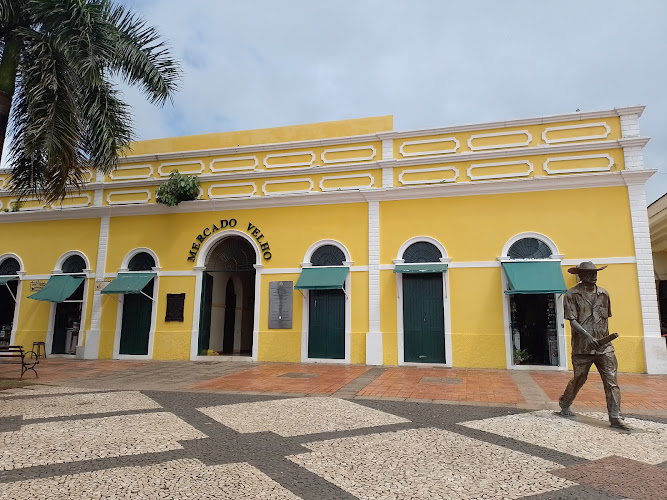
Rio Branco is the kind of place that doesn’t shout for attention. It just gets on with its life, and if a traveler slows down enough, it quietly reveals itself. This city, the capital of Acre in western Brazil, sits along the winding Acre River and carries a sense of frontier history mixed with modern Amazonian reality. It’s not polished or flashy. And honestly, that’s part of the charm.
The city has grown fast in the last few decades, but traces of its past are everywhere. Rubber boom stories still float around in conversations with locals, especially older residents who remember when riverboats mattered more than highways. Walking near the river in the late afternoon, one can feel that layered history — Indigenous roots, rubber tappers, migrants from other Brazilian states — all stacked on top of each other in a way that feels real, not curated.
Travelers often arrive with low expectations because Rio Branco doesn’t get the same attention as Manaus or Belém. But those who stick around usually leave surprised. It’s a working city, yes, but also a place where culture, politics, and environmental identity collide. Acre has long been tied to forest preservation movements, and that mindset still shapes local conversations. You’ll hear names like Chico Mendes mentioned casually, as if he were a neighbor rather than a global symbol.
The pace here is slower than most Brazilian capitals. Shops close earlier. People take their time crossing streets. And meals are not rushed. There’s something grounding about that. I remember sitting in a small restaurant near the city center once, watching rain hammer down while everyone just waited it out, chatting. No one checked their phone much. That stuck with me.
Rio Branco isn’t pretending to be a tourist playground. It’s a lived-in Amazonian city, and travelers who appreciate authenticity over spectacle tend to connect with it the most.
Key Features
- Located in the western Amazon, surrounded by dense rainforest and rivers
- Strong cultural identity tied to rubber tapping and environmental activism
- Riverfront areas with walkways, markets, and sunset views
- Local cuisine featuring freshwater fish, manioc, and regional fruits
- Museums and memorials focused on Acre’s political and social history
- Laid-back urban rhythm compared to larger Brazilian capitals
- Gateway to Indigenous territories and forest-based excursions
Best Time to Visit
Timing matters in Rio Branco, maybe more than people expect. The city has a tropical climate, hot year-round, but rainfall changes everything. The drier months, roughly from June to September, are generally the most comfortable for travelers. Days are still warm, but humidity eases up a bit, and the streets are easier to navigate.
During the rainy season, usually from November through April, the Acre River can swell dramatically. It’s impressive to see, but flooding can disrupt daily life. Transportation slows, some neighborhoods become harder to access, and plans tend to go sideways. If you’re the type who thrives on unpredictability, maybe that’s exciting. For most travelers, though, the dry season just makes life simpler.
That said, the rainy months have their own atmosphere. The forest looks impossibly green, and storms roll in with theatrical flair. I once watched a thunderstorm from a café window, rain coming down like a curtain, and it felt oddly cinematic. Just don’t expect tight schedules to hold.
Festivals and local events pop up throughout the year, often tied to regional culture rather than big tourist calendars. If you hear about something happening while you’re there, go. These moments tend to be spontaneous and very local, which is where Rio Branco shines.
How to Get There
Getting to Rio Branco takes a bit of commitment. It’s far from Brazil’s coastal hubs, and that sense of distance is part of its identity. Most travelers arrive by air, landing at Rio Branco International Airport, with flights typically connecting through cities like Brasília or Manaus. Flight schedules aren’t as frequent as in major hubs, so planning ahead helps.
Overland travel is possible, but it’s not for the impatient. Long-distance buses connect Rio Branco to other parts of Brazil, and there’s also road access from neighboring countries. These journeys can be long, bumpy, and unpredictable, especially during the rainy season. But some travelers swear by the experience, saying the gradual change in landscape makes arrival feel earned.
Once in the city, getting around is straightforward. Taxis and ride-hailing services are common, and distances within the city are manageable. Public buses exist, though they can be confusing for visitors at first. Asking locals for help usually works. People here are used to giving directions with landmarks instead of street names, which takes a minute to adjust to.
Tips for Visiting
First thing to know: Rio Branco rewards curiosity. Travelers who stick only to main roads and obvious spots may miss the point. Wandering a bit, talking to people, and being open to detours makes all the difference.
Dress for the heat. Lightweight clothing is essential, but bring something for sudden rain. Umbrellas are common, and you’ll see people carry them even when the sky looks harmless. There’s a reason for that.
Food is a highlight, especially if you’re willing to try regional dishes. Freshwater fish like tambaqui and pirarucu show up often, usually paired with manioc flour or rice. Some flavors might be unfamiliar at first. Give them a second chance. I didn’t love certain dishes on my first bite, but by the third meal, they made sense. That happens a lot here.
Language can be a barrier. English isn’t widely spoken, especially outside hotels or official spaces. A few words of Portuguese go a long way. Even imperfect attempts are appreciated. And yes, hand gestures still work.
Safety-wise, Rio Branco is like many mid-sized cities. Some areas feel calmer than others, especially at night. Locals are usually honest about which neighborhoods to avoid after dark, so listen to them. Trust instincts, don’t flash valuables, and you’ll likely be fine.
One more thing: respect the environmental mindset. Acreans tend to be proud of their relationship with the forest, and careless behavior doesn’t go unnoticed. This isn’t a place where nature is just a backdrop. It’s central to identity and daily life.
Finally, don’t rush your visit. Rio Branco isn’t about ticking boxes. It’s about sitting by the river longer than planned, getting pulled into conversations you didn’t expect, and realizing that the Amazon isn’t just wilderness. It’s also cities like this, complicated, imperfect, and quietly fascinating.
Key Features
- Located in the western Amazon, surrounded by dense rainforest and rivers
- Strong cultural identity tied to rubber tapping and environmental activism
- Riverfront areas with walkways, markets, and sunset views
- Local cuisine featuring freshwater fish, manioc, and regional fruits
- Museums and memorials focused on Acre’s political and social history
- Laid-back urban rhythm compared to larger Brazilian capitals
- Gateway to Indigenous territories and forest-based excursions
More Details
Updated January 1, 2026
Table of Contents
Description
Rio Branco is the kind of place that doesn’t shout for attention. It just gets on with its life, and if a traveler slows down enough, it quietly reveals itself. This city, the capital of Acre in western Brazil, sits along the winding Acre River and carries a sense of frontier history mixed with modern Amazonian reality. It’s not polished or flashy. And honestly, that’s part of the charm.
The city has grown fast in the last few decades, but traces of its past are everywhere. Rubber boom stories still float around in conversations with locals, especially older residents who remember when riverboats mattered more than highways. Walking near the river in the late afternoon, one can feel that layered history — Indigenous roots, rubber tappers, migrants from other Brazilian states — all stacked on top of each other in a way that feels real, not curated.
Travelers often arrive with low expectations because Rio Branco doesn’t get the same attention as Manaus or Belém. But those who stick around usually leave surprised. It’s a working city, yes, but also a place where culture, politics, and environmental identity collide. Acre has long been tied to forest preservation movements, and that mindset still shapes local conversations. You’ll hear names like Chico Mendes mentioned casually, as if he were a neighbor rather than a global symbol.
The pace here is slower than most Brazilian capitals. Shops close earlier. People take their time crossing streets. And meals are not rushed. There’s something grounding about that. I remember sitting in a small restaurant near the city center once, watching rain hammer down while everyone just waited it out, chatting. No one checked their phone much. That stuck with me.
Rio Branco isn’t pretending to be a tourist playground. It’s a lived-in Amazonian city, and travelers who appreciate authenticity over spectacle tend to connect with it the most.
Key Features
- Located in the western Amazon, surrounded by dense rainforest and rivers
- Strong cultural identity tied to rubber tapping and environmental activism
- Riverfront areas with walkways, markets, and sunset views
- Local cuisine featuring freshwater fish, manioc, and regional fruits
- Museums and memorials focused on Acre’s political and social history
- Laid-back urban rhythm compared to larger Brazilian capitals
- Gateway to Indigenous territories and forest-based excursions
Best Time to Visit
Timing matters in Rio Branco, maybe more than people expect. The city has a tropical climate, hot year-round, but rainfall changes everything. The drier months, roughly from June to September, are generally the most comfortable for travelers. Days are still warm, but humidity eases up a bit, and the streets are easier to navigate.
During the rainy season, usually from November through April, the Acre River can swell dramatically. It’s impressive to see, but flooding can disrupt daily life. Transportation slows, some neighborhoods become harder to access, and plans tend to go sideways. If you’re the type who thrives on unpredictability, maybe that’s exciting. For most travelers, though, the dry season just makes life simpler.
That said, the rainy months have their own atmosphere. The forest looks impossibly green, and storms roll in with theatrical flair. I once watched a thunderstorm from a café window, rain coming down like a curtain, and it felt oddly cinematic. Just don’t expect tight schedules to hold.
Festivals and local events pop up throughout the year, often tied to regional culture rather than big tourist calendars. If you hear about something happening while you’re there, go. These moments tend to be spontaneous and very local, which is where Rio Branco shines.
How to Get There
Getting to Rio Branco takes a bit of commitment. It’s far from Brazil’s coastal hubs, and that sense of distance is part of its identity. Most travelers arrive by air, landing at Rio Branco International Airport, with flights typically connecting through cities like Brasília or Manaus. Flight schedules aren’t as frequent as in major hubs, so planning ahead helps.
Overland travel is possible, but it’s not for the impatient. Long-distance buses connect Rio Branco to other parts of Brazil, and there’s also road access from neighboring countries. These journeys can be long, bumpy, and unpredictable, especially during the rainy season. But some travelers swear by the experience, saying the gradual change in landscape makes arrival feel earned.
Once in the city, getting around is straightforward. Taxis and ride-hailing services are common, and distances within the city are manageable. Public buses exist, though they can be confusing for visitors at first. Asking locals for help usually works. People here are used to giving directions with landmarks instead of street names, which takes a minute to adjust to.
Tips for Visiting
First thing to know: Rio Branco rewards curiosity. Travelers who stick only to main roads and obvious spots may miss the point. Wandering a bit, talking to people, and being open to detours makes all the difference.
Dress for the heat. Lightweight clothing is essential, but bring something for sudden rain. Umbrellas are common, and you’ll see people carry them even when the sky looks harmless. There’s a reason for that.
Food is a highlight, especially if you’re willing to try regional dishes. Freshwater fish like tambaqui and pirarucu show up often, usually paired with manioc flour or rice. Some flavors might be unfamiliar at first. Give them a second chance. I didn’t love certain dishes on my first bite, but by the third meal, they made sense. That happens a lot here.
Language can be a barrier. English isn’t widely spoken, especially outside hotels or official spaces. A few words of Portuguese go a long way. Even imperfect attempts are appreciated. And yes, hand gestures still work.
Safety-wise, Rio Branco is like many mid-sized cities. Some areas feel calmer than others, especially at night. Locals are usually honest about which neighborhoods to avoid after dark, so listen to them. Trust instincts, don’t flash valuables, and you’ll likely be fine.
One more thing: respect the environmental mindset. Acreans tend to be proud of their relationship with the forest, and careless behavior doesn’t go unnoticed. This isn’t a place where nature is just a backdrop. It’s central to identity and daily life.
Finally, don’t rush your visit. Rio Branco isn’t about ticking boxes. It’s about sitting by the river longer than planned, getting pulled into conversations you didn’t expect, and realizing that the Amazon isn’t just wilderness. It’s also cities like this, complicated, imperfect, and quietly fascinating.
Key Highlights
- Located in the western Amazon, surrounded by dense rainforest and rivers
- Strong cultural identity tied to rubber tapping and environmental activism
- Riverfront areas with walkways, markets, and sunset views
- Local cuisine featuring freshwater fish, manioc, and regional fruits
- Museums and memorials focused on Acre’s political and social history
- Laid-back urban rhythm compared to larger Brazilian capitals
- Gateway to Indigenous territories and forest-based excursions
Location
Places to Stay Near Rio Branco
Find and Book a Tour
Explore More Travel Guides
No reviews found! Be the first to review!
Traveler Reviews for Rio Branco
There are no reviews yet. Be the first one to write one.
Have you visited Rio Branco? Help other travelers by sharing your review.
You Might Also Like
Centro
Parque do Tucumã
69911-820
Find Accommodations Nearby
Recommended Tours & Activities
Visitor Reviews
There are no reviews yet. Be the first one to write one.
Share Your Experience
Have you visited Rio Branco? Help other travelers by leaving a review.