
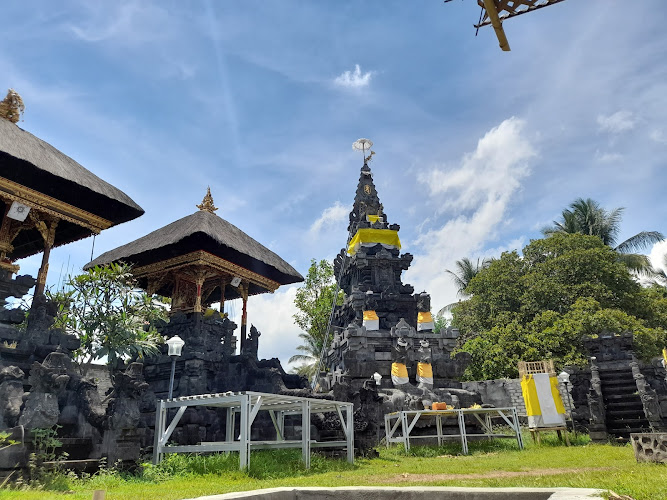
Pura Penataran Agung Rinjani
About Pura Penataran Agung Rinjani
Description
Pura Penataran Agung Rinjani is not the kind of place you just “pop into” between coffee stops. It asks something of you. Time, patience, curiosity, and a bit of humility. Sitting on the slopes of Mount Rinjani in Lombok, this Hindu temple feels less like a tourist attraction and more like a living, breathing spiritual checkpoint. And honestly, that’s what makes it special.
The temple is deeply connected to the sacred status of Mount Rinjani, which for Balinese Hindus is one of the most important mountains outside Bali itself. Rinjani is believed to be a resting place of the gods, and this temple acts as a ceremonial gateway. When I first visited, I expected impressive architecture (there is that), but what caught me off guard was the atmosphere. There’s a weight to the air, not heavy in a bad way, just… serious. Like you’re being quietly reminded to behave.
Travelers often come here after hearing it’s an extension of Bali’s spiritual landscape. That’s partly true. You’ll see familiar elements like split gates, stone shrines, and offerings made from palm leaves and flowers. But the Lombok setting changes everything. The cooler mountain air, the wide open sky, and the occasional sound of wind rushing through trees give the temple a more raw, almost elemental feeling.
And yes, it’s a tourist attraction, but not a polished one. Facilities are basic. Paths can be uneven. Some people grumble about that, but personally, I think the lack of polish keeps it honest. This is not a place built to impress you. It’s a place built to honor something bigger than you.
It’s also worth saying that while most visitors leave impressed, not everyone has a flawless experience. Weather can turn quickly, ceremonies can limit access, and if you show up expecting entertainment, you might feel underwhelmed. But if you come with curiosity and respect, chances are you’ll walk away feeling like you saw something real.
Key Features
- Spiritual gateway linked to Mount Rinjani’s sacred role in Hindu belief
- Traditional Hindu temple architecture adapted to Lombok’s landscape
- Panoramic views of forested slopes and open sky on clear days
- Active ceremonial site with regular offerings and rituals
- Quiet, contemplative atmosphere compared to temples in busier areas
- Less commercialized environment with minimal modern development
- Cultural crossover between Balinese Hindu traditions and local Lombok influences
Best Time to Visit
Timing matters here. A lot. Pura Penataran Agung Rinjani sits in a region where weather can shift moods fast, and your experience depends heavily on when you show up. The dry season, roughly from April to October, is generally the most comfortable. Clearer skies mean better views, and paths are less slippery. I went once in late May and got lucky with crisp air and soft clouds hovering just above the temple walls. It felt cinematic, in a quiet way.
Morning visits are my personal recommendation. Not because I’m a morning person (I’m absolutely not), but because the temple feels calmer early in the day. Fewer visitors, more locals preparing offerings, and the light is gentler. By midday, the sun can be harsh, and clouds often roll in, hiding Mount Rinjani just when you want to see it most.
If you’re interested in ceremonies, visiting during major Hindu holy days can be powerful, but also unpredictable. Access may be restricted, and crowds increase, though they’re mostly worshippers rather than tourists. And honestly, watching a ceremony unfold here is a privilege, not a show. You stand back, you observe, you don’t interrupt. If that sounds appealing, plan around it. If not, choose a quieter day.
The rainy season, from November to March, is tricky. Lush scenery, yes. But rain can make paths muddy and visibility poor. Some travelers love that moody atmosphere. Others regret not checking the forecast. I fall somewhere in the middle. Just bring patience and decent shoes.
How to Get There
Getting to Pura Penataran Agung Rinjani is part of the adventure, and I mean that in both a good and slightly frustrating way. This is not a temple you stumble upon accidentally. You’ll need to plan, and maybe accept that things won’t go perfectly.
Most travelers start from Mataram or Senggigi, using a private car or motorbike. Public transport options are limited and unreliable, especially if you’re on a tight schedule. If you’re comfortable riding a motorbike on winding roads, it can be a rewarding trip. The scenery improves the higher you go. But if that idea makes your palms sweat, hiring a driver is money well spent.
The final stretch involves narrower roads and a bit of walking. It’s not a long hike, but it’s uneven, and there are steps. This is important to know if mobility is a concern, because the site is not designed with accessibility in mind. I remember watching an older traveler struggle a bit on the steps, and it was a reminder that this place hasn’t been adapted for convenience.
And here’s a small tip from experience: download offline maps. Cell signal can be patchy, and asking for directions works, but only if you’re comfortable with a bit of language barrier and hand gestures. Which, honestly, can be fun if you’re not in a rush.
Tips for Visiting
First things first: dress respectfully. Sarongs are usually required, and even if they’re available on site, it’s better to bring your own. Shoulders covered, legs covered. This isn’t about rules for the sake of rules. It’s about acknowledging that you’re stepping into an active religious space.
Be prepared for simplicity. There aren’t many amenities. No fancy cafes, no souvenir stalls right at the entrance. Bring water, maybe a small snack, and definitely sunscreen. And don’t expect spotless paths or perfectly manicured gardens. The temple exists for worship, not Instagram. Though yes, you can still take photos. Just be mindful.
Take your time. I see a lot of travelers rush through, snap a few pictures, and leave. And sure, you can do that. But if you sit quietly for a while, you start noticing small things. The way offerings are placed. The sound of prayer. The breeze moving through the trees. One of my favorite travel memories here involved doing absolutely nothing for fifteen minutes, just sitting and listening.
Respect ceremonies and local guidance. If an area is closed, don’t argue. If you’re unsure where to stand, ask or observe others. Locals are generally welcoming, but they appreciate awareness. And don’t climb on structures. It should go without saying, but it doesn’t always.
Lastly, manage your expectations. Pura Penataran Agung Rinjani is not flashy. It won’t overwhelm you with scale like some famous temples. What it offers instead is depth. A sense of place. A feeling that you’re brushing up against something ancient and ongoing. If you’re open to that, this temple might stick with you longer than you expect. It certainly did for me.
Key Features
- Spiritual gateway linked to Mount Rinjani’s sacred role in Hindu belief
- Traditional Hindu temple architecture adapted to Lombok’s landscape
- Panoramic views of forested slopes and open sky on clear days
- Active ceremonial site with regular offerings and rituals
- Quiet, contemplative atmosphere compared to temples in busier areas
- Less commercialized environment with minimal modern development
- Cultural crossover between Balinese Hindu traditions and local Lombok influences
More Details
Updated January 1, 2026
Table of Contents
Description
Pura Penataran Agung Rinjani is not the kind of place you just “pop into” between coffee stops. It asks something of you. Time, patience, curiosity, and a bit of humility. Sitting on the slopes of Mount Rinjani in Lombok, this Hindu temple feels less like a tourist attraction and more like a living, breathing spiritual checkpoint. And honestly, that’s what makes it special.
The temple is deeply connected to the sacred status of Mount Rinjani, which for Balinese Hindus is one of the most important mountains outside Bali itself. Rinjani is believed to be a resting place of the gods, and this temple acts as a ceremonial gateway. When I first visited, I expected impressive architecture (there is that), but what caught me off guard was the atmosphere. There’s a weight to the air, not heavy in a bad way, just… serious. Like you’re being quietly reminded to behave.
Travelers often come here after hearing it’s an extension of Bali’s spiritual landscape. That’s partly true. You’ll see familiar elements like split gates, stone shrines, and offerings made from palm leaves and flowers. But the Lombok setting changes everything. The cooler mountain air, the wide open sky, and the occasional sound of wind rushing through trees give the temple a more raw, almost elemental feeling.
And yes, it’s a tourist attraction, but not a polished one. Facilities are basic. Paths can be uneven. Some people grumble about that, but personally, I think the lack of polish keeps it honest. This is not a place built to impress you. It’s a place built to honor something bigger than you.
It’s also worth saying that while most visitors leave impressed, not everyone has a flawless experience. Weather can turn quickly, ceremonies can limit access, and if you show up expecting entertainment, you might feel underwhelmed. But if you come with curiosity and respect, chances are you’ll walk away feeling like you saw something real.
Key Features
- Spiritual gateway linked to Mount Rinjani’s sacred role in Hindu belief
- Traditional Hindu temple architecture adapted to Lombok’s landscape
- Panoramic views of forested slopes and open sky on clear days
- Active ceremonial site with regular offerings and rituals
- Quiet, contemplative atmosphere compared to temples in busier areas
- Less commercialized environment with minimal modern development
- Cultural crossover between Balinese Hindu traditions and local Lombok influences
Best Time to Visit
Timing matters here. A lot. Pura Penataran Agung Rinjani sits in a region where weather can shift moods fast, and your experience depends heavily on when you show up. The dry season, roughly from April to October, is generally the most comfortable. Clearer skies mean better views, and paths are less slippery. I went once in late May and got lucky with crisp air and soft clouds hovering just above the temple walls. It felt cinematic, in a quiet way.
Morning visits are my personal recommendation. Not because I’m a morning person (I’m absolutely not), but because the temple feels calmer early in the day. Fewer visitors, more locals preparing offerings, and the light is gentler. By midday, the sun can be harsh, and clouds often roll in, hiding Mount Rinjani just when you want to see it most.
If you’re interested in ceremonies, visiting during major Hindu holy days can be powerful, but also unpredictable. Access may be restricted, and crowds increase, though they’re mostly worshippers rather than tourists. And honestly, watching a ceremony unfold here is a privilege, not a show. You stand back, you observe, you don’t interrupt. If that sounds appealing, plan around it. If not, choose a quieter day.
The rainy season, from November to March, is tricky. Lush scenery, yes. But rain can make paths muddy and visibility poor. Some travelers love that moody atmosphere. Others regret not checking the forecast. I fall somewhere in the middle. Just bring patience and decent shoes.
How to Get There
Getting to Pura Penataran Agung Rinjani is part of the adventure, and I mean that in both a good and slightly frustrating way. This is not a temple you stumble upon accidentally. You’ll need to plan, and maybe accept that things won’t go perfectly.
Most travelers start from Mataram or Senggigi, using a private car or motorbike. Public transport options are limited and unreliable, especially if you’re on a tight schedule. If you’re comfortable riding a motorbike on winding roads, it can be a rewarding trip. The scenery improves the higher you go. But if that idea makes your palms sweat, hiring a driver is money well spent.
The final stretch involves narrower roads and a bit of walking. It’s not a long hike, but it’s uneven, and there are steps. This is important to know if mobility is a concern, because the site is not designed with accessibility in mind. I remember watching an older traveler struggle a bit on the steps, and it was a reminder that this place hasn’t been adapted for convenience.
And here’s a small tip from experience: download offline maps. Cell signal can be patchy, and asking for directions works, but only if you’re comfortable with a bit of language barrier and hand gestures. Which, honestly, can be fun if you’re not in a rush.
Tips for Visiting
First things first: dress respectfully. Sarongs are usually required, and even if they’re available on site, it’s better to bring your own. Shoulders covered, legs covered. This isn’t about rules for the sake of rules. It’s about acknowledging that you’re stepping into an active religious space.
Be prepared for simplicity. There aren’t many amenities. No fancy cafes, no souvenir stalls right at the entrance. Bring water, maybe a small snack, and definitely sunscreen. And don’t expect spotless paths or perfectly manicured gardens. The temple exists for worship, not Instagram. Though yes, you can still take photos. Just be mindful.
Take your time. I see a lot of travelers rush through, snap a few pictures, and leave. And sure, you can do that. But if you sit quietly for a while, you start noticing small things. The way offerings are placed. The sound of prayer. The breeze moving through the trees. One of my favorite travel memories here involved doing absolutely nothing for fifteen minutes, just sitting and listening.
Respect ceremonies and local guidance. If an area is closed, don’t argue. If you’re unsure where to stand, ask or observe others. Locals are generally welcoming, but they appreciate awareness. And don’t climb on structures. It should go without saying, but it doesn’t always.
Lastly, manage your expectations. Pura Penataran Agung Rinjani is not flashy. It won’t overwhelm you with scale like some famous temples. What it offers instead is depth. A sense of place. A feeling that you’re brushing up against something ancient and ongoing. If you’re open to that, this temple might stick with you longer than you expect. It certainly did for me.
Key Highlights
- Spiritual gateway linked to Mount Rinjani’s sacred role in Hindu belief
- Traditional Hindu temple architecture adapted to Lombok’s landscape
- Panoramic views of forested slopes and open sky on clear days
- Active ceremonial site with regular offerings and rituals
- Quiet, contemplative atmosphere compared to temples in busier areas
- Less commercialized environment with minimal modern development
- Cultural crossover between Balinese Hindu traditions and local Lombok influences
Location
Places to Stay Near Pura Penataran Agung Rinjani
Find and Book a Tour
Explore More Travel Guides
No reviews found! Be the first to review!
Traveler Reviews for Pura Penataran Agung Rinjani
There are no reviews yet. Be the first one to write one.
Have you visited Pura Penataran Agung Rinjani? Help other travelers by sharing your review.
You Might Also Like
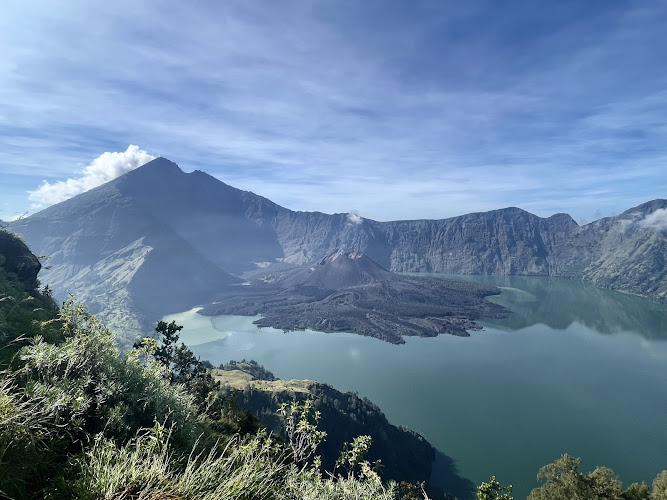
Senaru Crater Rim
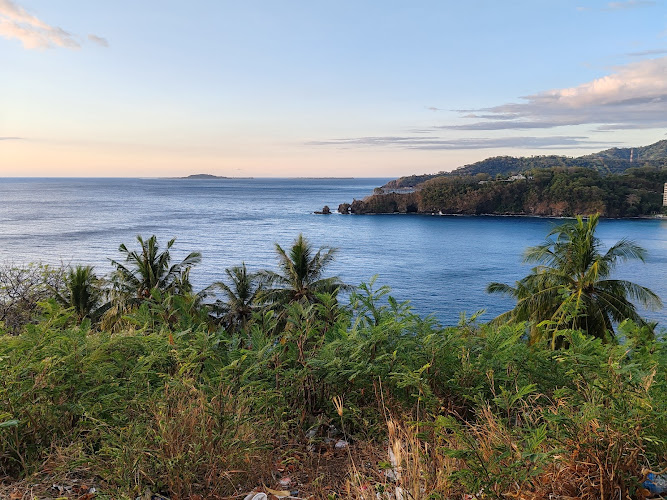
Malimbu Hill
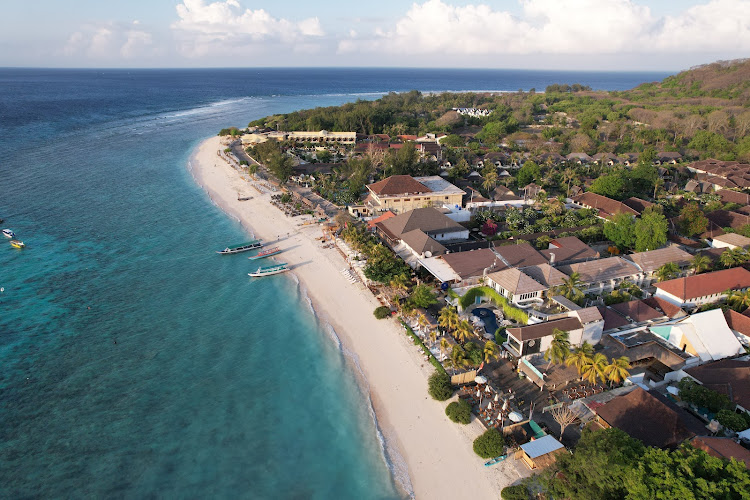
Gili Trawangan Beach
Find Accommodations Nearby
Recommended Tours & Activities
Visitor Reviews
There are no reviews yet. Be the first one to write one.
Share Your Experience
Have you visited Pura Penataran Agung Rinjani? Help other travelers by leaving a review.