
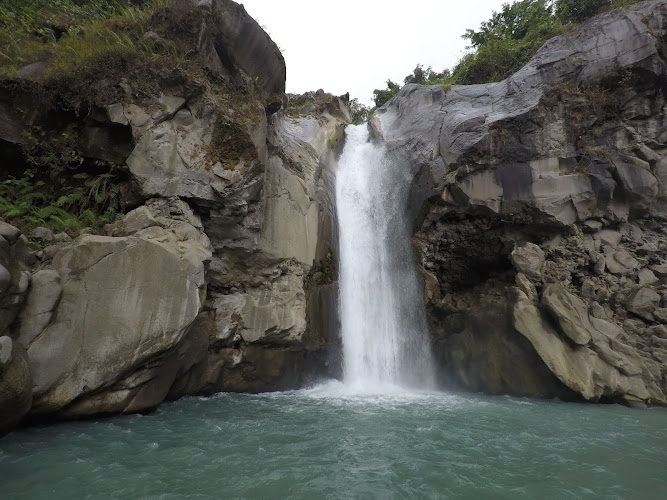
Mangku Sakti Water Fall & Mangku Kodek Water Fall
About Mangku Sakti Water Fall & Mangku Kodek Water Fall
Description
Mangku Sakti Water Fall and Mangku Kodek Water Fall are the kind of places that quietly mess with your expectations. A lot of travelers come thinking it’s just another waterfall stop, a quick photo, maybe a dip, and off you go. But once you’re there, muddy shoes and all, you realize it’s more layered than that. These two waterfalls sit close to each other, yet they feel like siblings with very different personalities. And honestly, that contrast is what sticks with you long after you’ve dried off.
Mangku Sakti is the louder one. The water hits the rocks with real force, sending up mist that cools your face before you even reach the pool. The color of the water can surprise people. Depending on recent rain, it can turn a cloudy turquoise, almost milky, thanks to mineral-rich streams upstream. Some love that dramatic look. Others expect crystal-clear water and feel a bit confused at first. Both reactions make sense. Nature doesn’t always behave for Instagram, and that’s part of the deal here.
Mangku Kodek, on the other hand, feels more reserved. Quieter. The flow is gentler, the pool calmer, and the whole place seems to invite you to sit down and stay a while. I remember the first time I visited, I planned to spend ten minutes there. I ended up staying almost an hour, just watching leaves float by and listening to water drip off the rocks. No phone signal, no rush. And yeah, I missed lunch, but I didn’t regret it.
These waterfalls aren’t manicured attractions with boardwalks and snack stalls. The path can be slippery, the terrain uneven, and you’ll likely have to step over roots and rocks. That rawness is exactly why many travelers love it. But let’s be real, it’s not for everyone. If you’re expecting easy access and polished facilities, this might test your patience. For those who enjoy a bit of effort before the reward, Mangku Sakti and Mangku Kodek feel earned.
The area around the falls is still very much alive with local activity. You might see farmers passing by, kids splashing near the edges, or someone washing their motorbike in the stream downstream. It adds a human layer to the experience. You’re not just visiting a scenic spot, you’re stepping into a living landscape. And yes, sometimes that means things aren’t perfectly clean or quiet. That’s real life.
Key Features
- Two distinct waterfalls located within walking distance of each other, offering contrasting atmospheres
- Mangku Sakti’s powerful cascade and mineral-rich water that changes color with rainfall
- Mangku Kodek’s calmer pool, ideal for soaking and slowing down
- Natural, undeveloped setting with minimal man-made structures
- Surrounding forest and rocky terrain that make the walk part of the adventure
- Opportunities for swimming, photography, and quiet reflection
- Local presence that gives insight into everyday life around the waterfalls
Best Time to Visit
The best time to visit Mangku Sakti Water Fall and Mangku Kodek Water Fall really depends on what you want out of the experience. Dry season tends to be the favorite for most travelers. The paths are safer, the water level is manageable, and you’re less likely to end up sliding down a muddy slope, which, trust me, is only funny in hindsight. During these months, the pools are more inviting for swimming, especially at Mangku Kodek.
But here’s the thing. The rainy season has its own drama. Mangku Sakti becomes thunderous, almost intimidating in a good way. The waterfall feels alive, like it’s showing off. I once visited after heavy rain and just stood there getting soaked by mist, grinning like an idiot. Swimming wasn’t an option that day, the current was too strong. But for photography and sheer atmosphere, it was unforgettable.
Early mornings are golden. Fewer people, cooler air, and that soft light filtering through the trees. Late afternoons can be nice too, but weather changes fast, and rain can roll in without much warning. Weekends tend to draw more visitors, especially locals. If you prefer quieter moments, aim for a weekday visit. And bring patience. Nature doesn’t run on a schedule.
How to Get There
Getting to Mangku Sakti and Mangku Kodek Water Falls is part of the story. You won’t just step out of a car and see the falls right away. There’s a bit of a journey involved, and that’s where some travelers either fall in love or start complaining. The final stretch usually involves narrow roads and a short walk that can be uneven and slippery.
Most visitors arrive by motorbike or car and then continue on foot. The walk isn’t overly long, but it demands attention. Roots, rocks, and damp soil are all part of the path. I’ve seen people try to do it in sandals and regret every step. Wear proper shoes. Seriously. And take it slow. There’s no prize for getting there first.
Signage can be limited, so it helps to ask locals if you’re unsure. In my experience, people are friendly and happy to point you in the right direction, even if there’s a bit of hand-waving and guessing involved. That’s half the fun. Just don’t expect luxury transport or clear-cut directions all the way. This is still a natural attraction, not a theme park.
Tips for Visiting
First things first, bring footwear you don’t mind getting wet. The rocks around both waterfalls can be slick, and stepping carefully makes all the difference. And yes, you will get wet, either from swimming or from mist drifting through the air. Pack a dry bag if you care about your phone or camera. I learned that lesson the hard way.
Second, manage your expectations. Mangku Sakti and Mangku Kodek aren’t polished attractions. There may be litter in some areas, and facilities are basic at best. If you go in expecting perfection, you’ll focus on what’s missing instead of what’s there. Go in curious, and you’ll likely leave impressed.
Swimming is usually safe in calmer conditions, especially at Mangku Kodek, but always check the water flow. If it looks wild, skip the swim. No waterfall is worth risking your safety. And keep an eye on weather changes. Sudden rain upstream can change water levels fast.
Bring your own snacks and water, but take your trash back with you. It sounds obvious, but it matters. These waterfalls stay special because people care enough to leave them as they found them. And maybe linger a bit longer than planned. Sit on a rock, listen to the water, let time stretch out. Those unplanned moments tend to be the ones you remember most.
Lastly, talk to the people you meet. Locals, other travelers, even that guy struggling with his tripod near the pool. Some of my best travel tips came from random chats at places like this. And who knows, you might hear a story about the waterfalls that never makes it into guidebooks. Those are the stories that stick.
Key Features
- Two distinct waterfalls located within walking distance of each other, offering contrasting atmospheres
- Mangku Sakti’s powerful cascade and mineral-rich water that changes color with rainfall
- Mangku Kodek’s calmer pool, ideal for soaking and slowing down
- Natural, undeveloped setting with minimal man-made structures
- Surrounding forest and rocky terrain that make the walk part of the adventure
- Opportunities for swimming, photography, and quiet reflection
- Local presence that gives insight into everyday life around the waterfalls
More Details
Updated January 1, 2026
Table of Contents
- Description
- Key Features
- Best Time to Visit
- How to Get There
- Tips for Visiting
- Key Highlights
- Location
- Places to Stay Near Mangku Sakti Water Fall & Mangku Kodek Water Fall
- Find and Book a Tour
- Explore More Travel Guides
- Nearby Places You Might Like
- Traveler Reviews for Mangku Sakti Water Fall & Mangku Kodek Water Fall
- Share Your Experience
Description
Mangku Sakti Water Fall and Mangku Kodek Water Fall are the kind of places that quietly mess with your expectations. A lot of travelers come thinking it’s just another waterfall stop, a quick photo, maybe a dip, and off you go. But once you’re there, muddy shoes and all, you realize it’s more layered than that. These two waterfalls sit close to each other, yet they feel like siblings with very different personalities. And honestly, that contrast is what sticks with you long after you’ve dried off.
Mangku Sakti is the louder one. The water hits the rocks with real force, sending up mist that cools your face before you even reach the pool. The color of the water can surprise people. Depending on recent rain, it can turn a cloudy turquoise, almost milky, thanks to mineral-rich streams upstream. Some love that dramatic look. Others expect crystal-clear water and feel a bit confused at first. Both reactions make sense. Nature doesn’t always behave for Instagram, and that’s part of the deal here.
Mangku Kodek, on the other hand, feels more reserved. Quieter. The flow is gentler, the pool calmer, and the whole place seems to invite you to sit down and stay a while. I remember the first time I visited, I planned to spend ten minutes there. I ended up staying almost an hour, just watching leaves float by and listening to water drip off the rocks. No phone signal, no rush. And yeah, I missed lunch, but I didn’t regret it.
These waterfalls aren’t manicured attractions with boardwalks and snack stalls. The path can be slippery, the terrain uneven, and you’ll likely have to step over roots and rocks. That rawness is exactly why many travelers love it. But let’s be real, it’s not for everyone. If you’re expecting easy access and polished facilities, this might test your patience. For those who enjoy a bit of effort before the reward, Mangku Sakti and Mangku Kodek feel earned.
The area around the falls is still very much alive with local activity. You might see farmers passing by, kids splashing near the edges, or someone washing their motorbike in the stream downstream. It adds a human layer to the experience. You’re not just visiting a scenic spot, you’re stepping into a living landscape. And yes, sometimes that means things aren’t perfectly clean or quiet. That’s real life.
Key Features
- Two distinct waterfalls located within walking distance of each other, offering contrasting atmospheres
- Mangku Sakti’s powerful cascade and mineral-rich water that changes color with rainfall
- Mangku Kodek’s calmer pool, ideal for soaking and slowing down
- Natural, undeveloped setting with minimal man-made structures
- Surrounding forest and rocky terrain that make the walk part of the adventure
- Opportunities for swimming, photography, and quiet reflection
- Local presence that gives insight into everyday life around the waterfalls
Best Time to Visit
The best time to visit Mangku Sakti Water Fall and Mangku Kodek Water Fall really depends on what you want out of the experience. Dry season tends to be the favorite for most travelers. The paths are safer, the water level is manageable, and you’re less likely to end up sliding down a muddy slope, which, trust me, is only funny in hindsight. During these months, the pools are more inviting for swimming, especially at Mangku Kodek.
But here’s the thing. The rainy season has its own drama. Mangku Sakti becomes thunderous, almost intimidating in a good way. The waterfall feels alive, like it’s showing off. I once visited after heavy rain and just stood there getting soaked by mist, grinning like an idiot. Swimming wasn’t an option that day, the current was too strong. But for photography and sheer atmosphere, it was unforgettable.
Early mornings are golden. Fewer people, cooler air, and that soft light filtering through the trees. Late afternoons can be nice too, but weather changes fast, and rain can roll in without much warning. Weekends tend to draw more visitors, especially locals. If you prefer quieter moments, aim for a weekday visit. And bring patience. Nature doesn’t run on a schedule.
How to Get There
Getting to Mangku Sakti and Mangku Kodek Water Falls is part of the story. You won’t just step out of a car and see the falls right away. There’s a bit of a journey involved, and that’s where some travelers either fall in love or start complaining. The final stretch usually involves narrow roads and a short walk that can be uneven and slippery.
Most visitors arrive by motorbike or car and then continue on foot. The walk isn’t overly long, but it demands attention. Roots, rocks, and damp soil are all part of the path. I’ve seen people try to do it in sandals and regret every step. Wear proper shoes. Seriously. And take it slow. There’s no prize for getting there first.
Signage can be limited, so it helps to ask locals if you’re unsure. In my experience, people are friendly and happy to point you in the right direction, even if there’s a bit of hand-waving and guessing involved. That’s half the fun. Just don’t expect luxury transport or clear-cut directions all the way. This is still a natural attraction, not a theme park.
Tips for Visiting
First things first, bring footwear you don’t mind getting wet. The rocks around both waterfalls can be slick, and stepping carefully makes all the difference. And yes, you will get wet, either from swimming or from mist drifting through the air. Pack a dry bag if you care about your phone or camera. I learned that lesson the hard way.
Second, manage your expectations. Mangku Sakti and Mangku Kodek aren’t polished attractions. There may be litter in some areas, and facilities are basic at best. If you go in expecting perfection, you’ll focus on what’s missing instead of what’s there. Go in curious, and you’ll likely leave impressed.
Swimming is usually safe in calmer conditions, especially at Mangku Kodek, but always check the water flow. If it looks wild, skip the swim. No waterfall is worth risking your safety. And keep an eye on weather changes. Sudden rain upstream can change water levels fast.
Bring your own snacks and water, but take your trash back with you. It sounds obvious, but it matters. These waterfalls stay special because people care enough to leave them as they found them. And maybe linger a bit longer than planned. Sit on a rock, listen to the water, let time stretch out. Those unplanned moments tend to be the ones you remember most.
Lastly, talk to the people you meet. Locals, other travelers, even that guy struggling with his tripod near the pool. Some of my best travel tips came from random chats at places like this. And who knows, you might hear a story about the waterfalls that never makes it into guidebooks. Those are the stories that stick.
Key Highlights
- Two distinct waterfalls located within walking distance of each other, offering contrasting atmospheres
- Mangku Sakti’s powerful cascade and mineral-rich water that changes color with rainfall
- Mangku Kodek’s calmer pool, ideal for soaking and slowing down
- Natural, undeveloped setting with minimal man-made structures
- Surrounding forest and rocky terrain that make the walk part of the adventure
- Opportunities for swimming, photography, and quiet reflection
- Local presence that gives insight into everyday life around the waterfalls
Location
Places to Stay Near Mangku Sakti Water Fall & Mangku Kodek Water Fall
Find and Book a Tour
Explore More Travel Guides
No reviews found! Be the first to review!
Traveler Reviews for Mangku Sakti Water Fall & Mangku Kodek Water Fall
There are no reviews yet. Be the first one to write one.
Have you visited Mangku Sakti Water Fall & Mangku Kodek Water Fall? Help other travelers by sharing your review.
You Might Also Like

Air Terjun Tiu Pupus

Gili Trawangan Beach

Lombok Wildlife Park
Find Accommodations Nearby
Recommended Tours & Activities
Visitor Reviews
There are no reviews yet. Be the first one to write one.
Share Your Experience
Have you visited Mangku Sakti Water Fall & Mangku Kodek Water Fall? Help other travelers by leaving a review.