
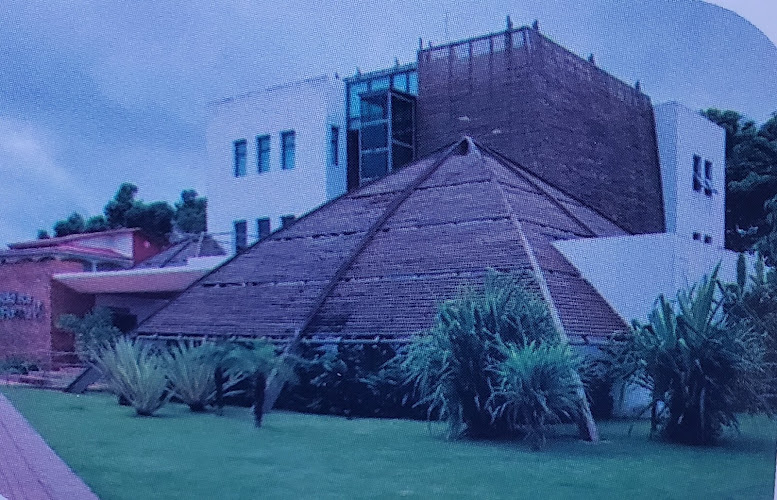
Forest Library
About Forest Library
Description
The Forest Library is one of those places that quietly rewires how a traveler thinks about public spaces. In the third person, it can be described as a public library that doesn’t try to impress with size or flash. Instead, it wins people over by being calm, thoughtful, and deeply rooted in its surroundings. This is a biblioteca pública that feels more like a long conversation than a monument. And yes, that’s a compliment. Set within a wooded environment, the Forest Library blurs the line between nature and knowledge. Reading rooms often feel connected to the outdoors, whether through generous windows, natural materials, or just the silence that only trees seem to provide. Travelers who wander in expecting a quick stop frequently end up staying much longer. It happens. The place has a way of slowing your internal clock without asking permission. The library’s history isn’t flashy, but it’s meaningful. It was shaped by a community that believed public access to books and learning mattered, even (or especially) in quieter, greener settings. Over time, it evolved with modern needs while holding onto its original spirit. There are newer sections, updated collections, and tech-friendly corners, but none of it feels forced. It still behaves like a library first, not a gadget showroom. From a traveler’s point of view, what stands out is how welcoming the Forest Library feels without being overly curated. Nobody rushes you. Nobody side-eyes you for carrying a backpack. There’s an unspoken understanding that visitors come in many forms: locals, students, hikers killing an hour, or travelers escaping noisy itineraries. And honestly, that mix adds character. The overall sentiment toward the Forest Library is largely positive, and it shows in how people treat the space. Books are well cared for, shared tables stay surprisingly tidy, and even during busier hours, the atmosphere remains respectful. Sure, not every corner is perfect. Some areas show age, and a few travelers might wish for longer hours or more multilingual material. But those minor frustrations fade quickly once you settle into a chair and start reading while the forest hums quietly outside.Key Features
- Extensive book collection spanning fiction, non-fiction, local history, and travel-friendly reads
- Quiet reading rooms designed to minimize noise and distractions
- Natural light integration that reduces eye strain and enhances focus
- Comfortable seating suitable for long reading or working sessions
- Dedicated spaces for children and young readers
- Free access to public computers and basic research tools
- Study tables ideal for travelers needing to plan routes or write journals
- Seasonal cultural programs and small-scale community events
- Helpful staff who are approachable without hovering
- A calm, forest-influenced atmosphere that’s hard to replicate elsewhere
Best Time to Visit
The Forest Library is technically open year-round, but timing matters more than people expect. For travelers, weekday mornings are the sweet spot. The building tends to be quieter, and the surrounding forest feels especially alive then. Birds are louder. Light filters in softer. It’s the kind of morning where you plan to read for 20 minutes and suddenly an hour’s gone. Been there. Missed a bus once because of that, not even mad. Late afternoons can be busier, especially when students arrive. It’s not chaotic, just more energy. Some travelers enjoy that buzz, others don’t. If you’re craving silence, aim earlier. Weekends vary. Rainy days draw in locals, while sunny days thin the crowd as people head outdoors. Ironically, those sunny afternoons can be perfect for visiting if you like having space to yourself. Seasonally, spring and early autumn are standout periods. The forest surroundings shift color, and the library feels almost different depending on the month. Winter visits have their charm too, especially if you enjoy cozy interiors and longer reading sessions. Summer can be hit or miss, depending on tourism levels, but even then the library rarely feels overwhelmed.How to Get There
Getting to the Forest Library is usually straightforward, though it depends on how adventurous your travel style is. Most travelers reach it via local public transport or on foot from nearby areas. Walking is actually recommended if you can manage it. Approaching through tree-lined paths sets the mood before you even step inside. And that transition—from outdoor quiet to indoor quiet—is oddly satisfying. Public transport options typically stop within reasonable walking distance. Local buses are reliable, and signage is generally clear enough, even if you don’t speak the language fluently. If you’re driving, parking availability may vary by season, so plan with a little flexibility. Cycling is also a popular choice, especially among locals, and bike racks are usually available. One small tip from personal experience: give yourself extra time on your first visit. Not because it’s hard to find, but because you might get distracted by the surroundings. Forest paths have a way of doing that. You think you’re lost, but you’re not. You’re just taking the scenic route.Tips for Visiting
Visiting the Forest Library isn’t complicated, but a few thoughtful tips can make the experience better, especially for travelers who are passing through. First, bring your own notebook or journal. While the library has resources, many travelers find themselves inspired to write. There’s something about being surrounded by books and trees that pulls ideas out of nowhere. And no, typing doesn’t feel the same here. Pen and paper just fits. Second, don’t rush. This isn’t a place to check off a list. Plan for at least an hour, even if you think you’ll only need fifteen minutes. The Forest Library rewards patience. You notice small things: the way light shifts, the quiet coughs, the turning pages. All of it adds up. Third, respect the quiet culture. It’s a public library, yes, but it’s also a shared refuge. Phone calls should wait outside. Headphones should stay low. Travelers who treat it like a coworking café usually stick out, and not in a good way. Fourth, ask the staff questions. They’re usually happy to help, whether you’re looking for a specific book, local history, or just a recommendation. One staff member once pointed out a short story collection I’d never heard of. Ended up being one of my favorite reads that year. Small moments like that stick. Fifth, if you’re traveling with kids, check out the children’s area. It’s thoughtfully designed and more relaxed than adult sections. Families are welcome, and that inclusivity matters. Just maybe avoid peak study hours if your kids are energetic. That’s just common courtesy. Finally, consider the Forest Library as more than a stop. For travelers, it can be a reset button. A place to think, plan, or simply exist without being sold to. In a world where travel often feels loud and rushed, spaces like this are rare. And once you’ve sat there, book open, forest breathing quietly outside, you’ll probably agree. The Forest Library doesn’t chase attention. It doesn’t need to. Travelers who find their way there tend to leave with something intangible but valuable: a slower pace, a clearer head, and maybe a new book tucked into their bag. And honestly, that’s the best kind of souvenir.Key Features
- Extensive book collection spanning fiction, non-fiction, local history, and travel-friendly reads
- Quiet reading rooms designed to minimize noise and distractions
- Natural light integration that reduces eye strain and enhances focus
- Comfortable seating suitable for long reading or working sessions
- Dedicated spaces for children and young readers
- Free access to public computers and basic research tools
- Study tables ideal for travelers needing to plan routes or write journals
- Seasonal cultural programs and small-scale community events
More Details
Updated January 1, 2026
Table of Contents
Description
The Forest Library is one of those places that quietly rewires how a traveler thinks about public spaces. In the third person, it can be described as a public library that doesn’t try to impress with size or flash. Instead, it wins people over by being calm, thoughtful, and deeply rooted in its surroundings. This is a biblioteca pública that feels more like a long conversation than a monument. And yes, that’s a compliment.
Set within a wooded environment, the Forest Library blurs the line between nature and knowledge. Reading rooms often feel connected to the outdoors, whether through generous windows, natural materials, or just the silence that only trees seem to provide. Travelers who wander in expecting a quick stop frequently end up staying much longer. It happens. The place has a way of slowing your internal clock without asking permission.
The library’s history isn’t flashy, but it’s meaningful. It was shaped by a community that believed public access to books and learning mattered, even (or especially) in quieter, greener settings. Over time, it evolved with modern needs while holding onto its original spirit. There are newer sections, updated collections, and tech-friendly corners, but none of it feels forced. It still behaves like a library first, not a gadget showroom.
From a traveler’s point of view, what stands out is how welcoming the Forest Library feels without being overly curated. Nobody rushes you. Nobody side-eyes you for carrying a backpack. There’s an unspoken understanding that visitors come in many forms: locals, students, hikers killing an hour, or travelers escaping noisy itineraries. And honestly, that mix adds character.
The overall sentiment toward the Forest Library is largely positive, and it shows in how people treat the space. Books are well cared for, shared tables stay surprisingly tidy, and even during busier hours, the atmosphere remains respectful. Sure, not every corner is perfect. Some areas show age, and a few travelers might wish for longer hours or more multilingual material. But those minor frustrations fade quickly once you settle into a chair and start reading while the forest hums quietly outside.
Key Features
- Extensive book collection spanning fiction, non-fiction, local history, and travel-friendly reads
- Quiet reading rooms designed to minimize noise and distractions
- Natural light integration that reduces eye strain and enhances focus
- Comfortable seating suitable for long reading or working sessions
- Dedicated spaces for children and young readers
- Free access to public computers and basic research tools
- Study tables ideal for travelers needing to plan routes or write journals
- Seasonal cultural programs and small-scale community events
- Helpful staff who are approachable without hovering
- A calm, forest-influenced atmosphere that’s hard to replicate elsewhere
Best Time to Visit
The Forest Library is technically open year-round, but timing matters more than people expect. For travelers, weekday mornings are the sweet spot. The building tends to be quieter, and the surrounding forest feels especially alive then. Birds are louder. Light filters in softer. It’s the kind of morning where you plan to read for 20 minutes and suddenly an hour’s gone. Been there. Missed a bus once because of that, not even mad.
Late afternoons can be busier, especially when students arrive. It’s not chaotic, just more energy. Some travelers enjoy that buzz, others don’t. If you’re craving silence, aim earlier. Weekends vary. Rainy days draw in locals, while sunny days thin the crowd as people head outdoors. Ironically, those sunny afternoons can be perfect for visiting if you like having space to yourself.
Seasonally, spring and early autumn are standout periods. The forest surroundings shift color, and the library feels almost different depending on the month. Winter visits have their charm too, especially if you enjoy cozy interiors and longer reading sessions. Summer can be hit or miss, depending on tourism levels, but even then the library rarely feels overwhelmed.
How to Get There
Getting to the Forest Library is usually straightforward, though it depends on how adventurous your travel style is. Most travelers reach it via local public transport or on foot from nearby areas. Walking is actually recommended if you can manage it. Approaching through tree-lined paths sets the mood before you even step inside. And that transition—from outdoor quiet to indoor quiet—is oddly satisfying.
Public transport options typically stop within reasonable walking distance. Local buses are reliable, and signage is generally clear enough, even if you don’t speak the language fluently. If you’re driving, parking availability may vary by season, so plan with a little flexibility. Cycling is also a popular choice, especially among locals, and bike racks are usually available.
One small tip from personal experience: give yourself extra time on your first visit. Not because it’s hard to find, but because you might get distracted by the surroundings. Forest paths have a way of doing that. You think you’re lost, but you’re not. You’re just taking the scenic route.
Tips for Visiting
Visiting the Forest Library isn’t complicated, but a few thoughtful tips can make the experience better, especially for travelers who are passing through.
First, bring your own notebook or journal. While the library has resources, many travelers find themselves inspired to write. There’s something about being surrounded by books and trees that pulls ideas out of nowhere. And no, typing doesn’t feel the same here. Pen and paper just fits.
Second, don’t rush. This isn’t a place to check off a list. Plan for at least an hour, even if you think you’ll only need fifteen minutes. The Forest Library rewards patience. You notice small things: the way light shifts, the quiet coughs, the turning pages. All of it adds up.
Third, respect the quiet culture. It’s a public library, yes, but it’s also a shared refuge. Phone calls should wait outside. Headphones should stay low. Travelers who treat it like a coworking café usually stick out, and not in a good way.
Fourth, ask the staff questions. They’re usually happy to help, whether you’re looking for a specific book, local history, or just a recommendation. One staff member once pointed out a short story collection I’d never heard of. Ended up being one of my favorite reads that year. Small moments like that stick.
Fifth, if you’re traveling with kids, check out the children’s area. It’s thoughtfully designed and more relaxed than adult sections. Families are welcome, and that inclusivity matters. Just maybe avoid peak study hours if your kids are energetic. That’s just common courtesy.
Finally, consider the Forest Library as more than a stop. For travelers, it can be a reset button. A place to think, plan, or simply exist without being sold to. In a world where travel often feels loud and rushed, spaces like this are rare. And once you’ve sat there, book open, forest breathing quietly outside, you’ll probably agree.
The Forest Library doesn’t chase attention. It doesn’t need to. Travelers who find their way there tend to leave with something intangible but valuable: a slower pace, a clearer head, and maybe a new book tucked into their bag. And honestly, that’s the best kind of souvenir.
Key Highlights
- Extensive book collection spanning fiction, non-fiction, local history, and travel-friendly reads
- Quiet reading rooms designed to minimize noise and distractions
- Natural light integration that reduces eye strain and enhances focus
- Comfortable seating suitable for long reading or working sessions
- Dedicated spaces for children and young readers
- Free access to public computers and basic research tools
- Study tables ideal for travelers needing to plan routes or write journals
- Seasonal cultural programs and small-scale community events
Location
Places to Stay Near Forest Library
Find and Book a Tour
Explore More Travel Guides
No reviews found! Be the first to review!
Traveler Reviews for Forest Library
There are no reviews yet. Be the first one to write one.
Have you visited Forest Library? Help other travelers by sharing your review.
You Might Also Like

Memorial Autonomistas and Theater Hélio Melo
Mercado Velho

Parque Zoobotânico UFAC
Find Accommodations Nearby
Recommended Tours & Activities
Visitor Reviews
There are no reviews yet. Be the first one to write one.
Share Your Experience
Have you visited Forest Library? Help other travelers by leaving a review.