
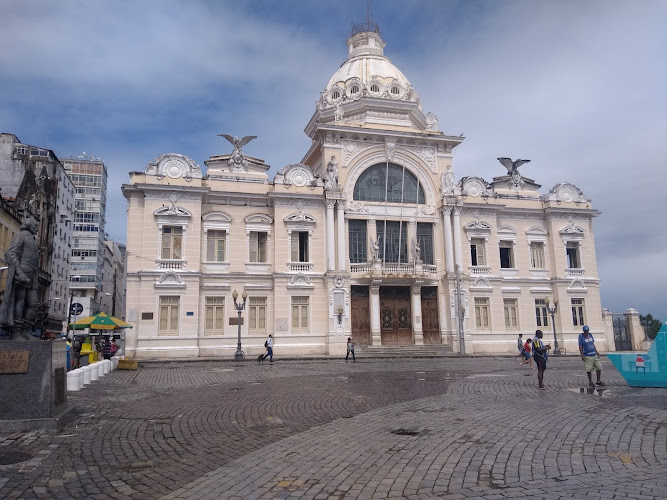
Rio Branco Palace
About Rio Branco Palace
Description
The Rio Branco Palace is one of those places that quietly grabs you by the collar and says, hey, pay attention, history happened right here. Rebuilt after a bombing in 1912 (yeah, real drama, not the movie kind), the palace stands today as a neoclassical government building with a museum tucked inside. It’s solid, dignified, and a little bit stern-looking, like it knows more secrets than it’s letting on. And honestly, it probably does.
This isn’t just a quick photo stop, although plenty of travelers do exactly that. Step inside and you’ll find rooms that explain how political power, social change, and sheer resilience shaped the region. As someone who usually gets restless in museums after 40 minutes, I was surprised how grounded this one felt. Not flashy. Not trying too hard. Just clear, confident storytelling through architecture, documents, and preserved spaces.
The palace still functions as a government building, which gives it an unusual energy. You’re not walking through a frozen relic. There’s a sense of continuity, like the past and present are sharing the same corridors. And that, for travelers who like understanding a place beyond postcards, matters a lot.
Architecturally, the neoclassical style is the star of the show. Tall columns, symmetrical façades, and carefully balanced proportions dominate the structure. It’s the kind of building that looks best when you slow down and notice the details: the stonework, the way light falls through the windows, the quiet echo in the halls. I caught myself standing still more than once, which doesn’t happen often.
Visitors often describe the experience as educational but approachable. It’s not overloaded with text panels or overwhelming timelines. Instead, it gives you just enough context to feel informed without feeling lectured. And for travelers juggling packed itineraries, that balance is gold.
Key Features
- Neoclassical architecture rebuilt after the historic 1912 bombing
- On-site history museum focusing on political and regional development
- Guided tours that explain both the building and its role in government
- Still an active government building, adding authenticity to the visit
- Wheelchair accessible parking and restrooms
- Facilities suitable for families and children
- Restrooms available on-site (a small thing, but travelers know it matters)
Best Time to Visit
The best time to visit the Rio Branco Palace is during weekday mornings, especially if you want a quieter, more reflective experience. Early hours tend to have fewer tour groups, which means you can linger without feeling rushed. And trust me, this is a place where lingering pays off.
Seasonally, it’s comfortable to visit year-round since most of the experience is indoors. But if you’re the type who hates sweating through sightseeing (hi, that’s me), aim for the cooler months when walking between attractions feels less like a workout. Rainy days also work surprisingly well here. I once ducked in during a sudden downpour and ended up staying far longer than planned.
Because tickets are recommended in advance, planning ahead is smart, especially during holidays or peak travel periods. Nothing kills travel momentum faster than showing up excited and realizing you can’t get in right away.
How to Get There
Getting to the Rio Branco Palace is fairly straightforward, especially if you’re staying in central areas popular with travelers. Public transportation options usually stop within walking distance, and taxis or ride-hailing services make the trip simple even if you don’t speak much Portuguese. I’ve found drivers generally know the palace well, which is always reassuring.
If you enjoy walking, pairing the palace visit with nearby historical sites makes sense. The surrounding area rewards slow exploration. Just wear comfortable shoes; those elegant streets can be deceptive after an hour or two.
For visitors with mobility needs, accessibility is well thought out. Wheelchair-accessible parking and restrooms make planning less stressful, and that attention to detail goes a long way in making the site welcoming.
Tips for Visiting
First tip: give yourself time. This isn’t a five-minute pop-in. Even if you think you’re just mildly interested in history, the layers here sneak up on you. I planned for an hour and stayed nearly two.
Second, consider joining a guided tour if available during your visit. The guides add color and context that signage alone can’t. One guide I listened to casually mentioned how the bombing changed not just the building, but the political mindset of the era. That stuck with me long after I left.
If you’re traveling with kids, don’t worry too much. The palace is considered good for children, especially those who like stories and grand spaces. Just manage expectations; this is more thoughtful than flashy. And maybe bring a snack for after, since there’s no restaurant on-site.
Photography is usually allowed in many areas, but be respectful. Remember, parts of the building still serve official purposes. A little awareness goes a long way.
Wear something comfortable but respectful. You’re entering a government building, not a beach bar. I learned that lesson the hard way once, and yeah, I felt awkward.
Lastly, don’t rush off immediately after. Sit nearby, process what you’ve seen, maybe jot down a note or two. The Rio Branco Palace has a way of settling into your thoughts. And those are often the places that end up defining a trip, even if you didn’t expect them to.
For travelers interested in architecture, political history, or simply understanding how a place became what it is today, the Rio Branco Palace delivers a grounded, memorable experience. It’s not loud about its importance. It doesn’t need to be. The walls already know their worth.
Key Features
- Neoclassical architecture rebuilt after the historic 1912 bombing
- On-site history museum focusing on political and regional development
- Guided tours that explain both the building and its role in government
- Still an active government building, adding authenticity to the visit
- Wheelchair accessible parking and restrooms
- Facilities suitable for families and children
- Restrooms available on-site (a small thing, but travelers know it matters)
More Details
Updated January 1, 2026
Table of Contents
Description
The Rio Branco Palace is one of those places that quietly grabs you by the collar and says, hey, pay attention, history happened right here. Rebuilt after a bombing in 1912 (yeah, real drama, not the movie kind), the palace stands today as a neoclassical government building with a museum tucked inside. It’s solid, dignified, and a little bit stern-looking, like it knows more secrets than it’s letting on. And honestly, it probably does.
This isn’t just a quick photo stop, although plenty of travelers do exactly that. Step inside and you’ll find rooms that explain how political power, social change, and sheer resilience shaped the region. As someone who usually gets restless in museums after 40 minutes, I was surprised how grounded this one felt. Not flashy. Not trying too hard. Just clear, confident storytelling through architecture, documents, and preserved spaces.
The palace still functions as a government building, which gives it an unusual energy. You’re not walking through a frozen relic. There’s a sense of continuity, like the past and present are sharing the same corridors. And that, for travelers who like understanding a place beyond postcards, matters a lot.
Architecturally, the neoclassical style is the star of the show. Tall columns, symmetrical façades, and carefully balanced proportions dominate the structure. It’s the kind of building that looks best when you slow down and notice the details: the stonework, the way light falls through the windows, the quiet echo in the halls. I caught myself standing still more than once, which doesn’t happen often.
Visitors often describe the experience as educational but approachable. It’s not overloaded with text panels or overwhelming timelines. Instead, it gives you just enough context to feel informed without feeling lectured. And for travelers juggling packed itineraries, that balance is gold.
Key Features
- Neoclassical architecture rebuilt after the historic 1912 bombing
- On-site history museum focusing on political and regional development
- Guided tours that explain both the building and its role in government
- Still an active government building, adding authenticity to the visit
- Wheelchair accessible parking and restrooms
- Facilities suitable for families and children
- Restrooms available on-site (a small thing, but travelers know it matters)
Best Time to Visit
The best time to visit the Rio Branco Palace is during weekday mornings, especially if you want a quieter, more reflective experience. Early hours tend to have fewer tour groups, which means you can linger without feeling rushed. And trust me, this is a place where lingering pays off.
Seasonally, it’s comfortable to visit year-round since most of the experience is indoors. But if you’re the type who hates sweating through sightseeing (hi, that’s me), aim for the cooler months when walking between attractions feels less like a workout. Rainy days also work surprisingly well here. I once ducked in during a sudden downpour and ended up staying far longer than planned.
Because tickets are recommended in advance, planning ahead is smart, especially during holidays or peak travel periods. Nothing kills travel momentum faster than showing up excited and realizing you can’t get in right away.
How to Get There
Getting to the Rio Branco Palace is fairly straightforward, especially if you’re staying in central areas popular with travelers. Public transportation options usually stop within walking distance, and taxis or ride-hailing services make the trip simple even if you don’t speak much Portuguese. I’ve found drivers generally know the palace well, which is always reassuring.
If you enjoy walking, pairing the palace visit with nearby historical sites makes sense. The surrounding area rewards slow exploration. Just wear comfortable shoes; those elegant streets can be deceptive after an hour or two.
For visitors with mobility needs, accessibility is well thought out. Wheelchair-accessible parking and restrooms make planning less stressful, and that attention to detail goes a long way in making the site welcoming.
Tips for Visiting
First tip: give yourself time. This isn’t a five-minute pop-in. Even if you think you’re just mildly interested in history, the layers here sneak up on you. I planned for an hour and stayed nearly two.
Second, consider joining a guided tour if available during your visit. The guides add color and context that signage alone can’t. One guide I listened to casually mentioned how the bombing changed not just the building, but the political mindset of the era. That stuck with me long after I left.
If you’re traveling with kids, don’t worry too much. The palace is considered good for children, especially those who like stories and grand spaces. Just manage expectations; this is more thoughtful than flashy. And maybe bring a snack for after, since there’s no restaurant on-site.
Photography is usually allowed in many areas, but be respectful. Remember, parts of the building still serve official purposes. A little awareness goes a long way.
Wear something comfortable but respectful. You’re entering a government building, not a beach bar. I learned that lesson the hard way once, and yeah, I felt awkward.
Lastly, don’t rush off immediately after. Sit nearby, process what you’ve seen, maybe jot down a note or two. The Rio Branco Palace has a way of settling into your thoughts. And those are often the places that end up defining a trip, even if you didn’t expect them to.
For travelers interested in architecture, political history, or simply understanding how a place became what it is today, the Rio Branco Palace delivers a grounded, memorable experience. It’s not loud about its importance. It doesn’t need to be. The walls already know their worth.
Key Highlights
- Neoclassical architecture rebuilt after the historic 1912 bombing
- On-site history museum focusing on political and regional development
- Guided tours that explain both the building and its role in government
- Still an active government building, adding authenticity to the visit
- Wheelchair accessible parking and restrooms
- Facilities suitable for families and children
- Restrooms available on-site (a small thing, but travelers know it matters)
Location
Places to Stay Near Rio Branco Palace
Find and Book a Tour
Explore More Travel Guides
No reviews found! Be the first to review!
Traveler Reviews for Rio Branco Palace
There are no reviews yet. Be the first one to write one.
Have you visited Rio Branco Palace? Help other travelers by sharing your review.
You Might Also Like
Jardim dos Namorados

Cultural Afro Brazilian Museum
Museum of Mercy
Find Accommodations Nearby
Recommended Tours & Activities
Visitor Reviews
There are no reviews yet. Be the first one to write one.
Share Your Experience
Have you visited Rio Branco Palace? Help other travelers by leaving a review.