
Paju-si
About Paju-si
Paju-si sits right on the edge of history and everyday Korean life, and that contrast is what makes it quietly fascinating. The city stretches across 672.78 square kilometers, which is huge by Korean standards, and yet it doesn’t feel overwhelming. It became an official city only in 1997, before that living its life as a county, and that late-bloomer status still shows in the way rural fields, modern cafés, military zones, and book-themed neighborhoods all coexist in slightly awkward but charming harmony. With a population topping 501,000 in 2024, Paju is no sleepy backwater, but it also doesn’t rush to impress you. It kind of waits to see what sort of traveler you are.
Geographically, Paju’s location is its headline. It lies just south of Panmunjeom, right along the 38th parallel, which means the Korean Demilitarized Zone shapes much of its identity. You feel that weight of history even when you’re just sipping coffee or walking along the Imjin River. And yet daily life goes on: kids go to school, retirees tend small gardens, artists argue about fonts in design studios. The city feels real in a way some tourist-heavy places don’t. And yes, this writer once spent an entire afternoon here watching the sky change color near the river, thinking it would be a quick stop and then missing the last bus back. No regrets.
Description
Paju-si is best described as a place of layers. On the surface, you see wide roads, apartment complexes, and industrial zones that support publishing, manufacturing, and logistics. Look a bit closer and you’ll notice rice paddies brushing up against modern buildings, old villages that somehow survived decades of change, and cultural projects that feel almost experimental. The city has leaned into creativity in recent years, especially through book culture and art spaces, but it hasn’t polished away its rough edges. And that’s a good thing.
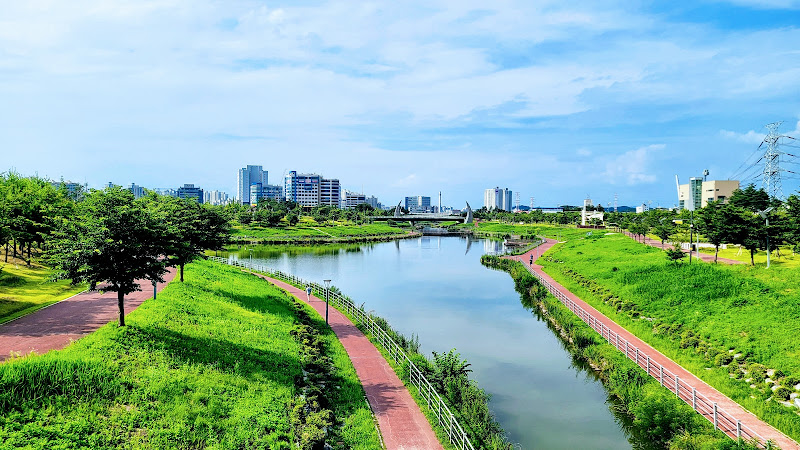
Because of its proximity to North Korea, Paju has long been influenced by military presence. Observation points, memorials, and restricted areas remind visitors that peace here is maintained, not assumed. At the same time, the city has worked hard to redefine itself as more than a border town. It hosts eco-parks, design villages, and slow-life experiences that appeal to travelers who want depth rather than selfies. You won’t find flashy attractions every block. But you will find moments that stick with you, like hearing the wind move through tall grasses near the Imjin River or stumbling into a tiny bookstore run by someone who clearly loves paper more than profit.
There’s also a subtle emotional pull to Paju. Many Koreans visit to reflect, to think about division, family histories, and what the future might look like. Travelers from abroad often come out of curiosity and leave with questions they didn’t expect to ask. That’s kind of Paju’s trick. It doesn’t lecture you. It just presents itself and lets you do the rest.
Key Features
- Close proximity to the DMZ and Panmunjeom, offering rare insight into modern Korean history
- Large-scale book and publishing districts that celebrate reading, design, and quiet wandering
- Imjin River landscapes with walking paths, wetlands, and seasonal birdlife
- A mix of rural farmland and planned urban neighborhoods within the same city limits
- Observation points and memorial sites that encourage reflection rather than spectacle
- Growing café culture, often set in converted warehouses or countryside buildings
- Eco-parks and green spaces that feel under-visited, even on weekends
Best Time to Visit
The best time to visit Paju-si is spring or autumn, and that’s not just a default answer. Spring brings mild temperatures and fields slowly turning green, with cherry blossoms appearing more casually than in Seoul. They’re not lined up for photos here; they just exist. Autumn, though, might be the real winner. The air gets crisp, the sky clears up, and the reeds near the river turn gold. It’s the kind of scenery that makes you walk slower without realizing it.
Summer can be hot and humid, like much of Korea, but it has its own appeal if you don’t mind sweating a bit. The countryside smells alive, and cafés become welcome refuges. Winter is quiet and cold, sometimes biting, but also strangely peaceful. Snow doesn’t always fall, but when it does, Paju feels suspended in time. Fewer visitors come then, which can be a bonus if you like empty paths and contemplative moods.
Weekdays are generally calmer than weekends, especially around cultural spots. If you want space to think, sketch, write, or just be, aim for a weekday visit. And if you’re the type who enjoys moody weather, don’t rule out a gray day. Paju wears clouds well.
How to Get There
Getting to Paju-si is straightforward, which surprises a lot of first-time visitors. From central Seoul, public transportation is reliable and affordable. Subway lines and buses connect various parts of the city, though travel time can vary depending on where exactly you’re headed. Some areas feel close to Seoul, others feel like you’ve slipped into a different rhythm altogether.
Driving offers the most flexibility, especially if you plan to explore rural corners or multiple sites in one day. Roads are well-maintained, and signage is generally clear. Just be aware that some areas near the border have restrictions or checkpoints. These aren’t usually intrusive, but they do remind you where you are.
Taxis are plentiful in the more urbanized districts, though drivers may appreciate it if you have the destination written in Korean. And here’s a small personal tip from experience: allow extra time. Distances look short on a map, but Paju is big, and traffic or bus schedules can stretch things out.
Tips for Visiting
First, don’t rush it. Paju-si isn’t designed for speed tourism. Pick a few areas and let yourself linger. Sit in a café longer than planned. Walk until your feet tell you to stop. This is one of those places where unplanned moments become highlights.
Second, dress in layers. Weather near the river and open fields can shift quickly, especially in spring and autumn. Comfortable shoes are non-negotiable. You’ll walk more than you think, even if you swear you won’t.
Third, be respectful around military-related sites. Photography rules vary, and they’re there for a reason. When in doubt, don’t take the photo. Honestly, some moments are better kept in memory anyway.
Fourth, try local eateries that don’t look Instagram-ready. Paju has some incredibly satisfying, no-frills meals that fuel long conversations and quiet evenings. This writer still remembers a simple bowl of noodles eaten after getting lost, tasted better than it had any right to.
Lastly, go with curiosity, not a checklist. Paju-si rewards travelers who are open to subtlety. It’s not loud. It doesn’t chase you. But if you meet it halfway, it has a way of staying with you long after you’ve left. And that, for many travelers, ends up being the whole point.
Key Features
- Close proximity to the DMZ and Panmunjeom, offering rare insight into modern Korean history
- Large-scale book and publishing districts that celebrate reading, design, and quiet wandering
- Imjin River landscapes with walking paths, wetlands, and seasonal birdlife
- A mix of rural farmland and planned urban neighborhoods within the same city limits
- Observation points and memorial sites that encourage reflection rather than spectacle
- Growing café culture, often set in converted warehouses or countryside buildings
- Eco-parks and green spaces that feel under-visited, even on weekends
More Details
Updated January 1, 2026
Paju-si sits right on the edge of history and everyday Korean life, and that contrast is what makes it quietly fascinating. The city stretches across 672.78 square kilometers, which is huge by Korean standards, and yet it doesn’t feel overwhelming. It became an official city only in 1997, before that living its life as a county, and that late-bloomer status still shows in the way rural fields, modern cafés, military zones, and book-themed neighborhoods all coexist in slightly awkward but charming harmony. With a population topping 501,000 in 2024, Paju is no sleepy backwater, but it also doesn’t rush to impress you. It kind of waits to see what sort of traveler you are.
Geographically, Paju’s location is its headline. It lies just south of Panmunjeom, right along the 38th parallel, which means the Korean Demilitarized Zone shapes much of its identity. You feel that weight of history even when you’re just sipping coffee or walking along the Imjin River. And yet daily life goes on: kids go to school, retirees tend small gardens, artists argue about fonts in design studios. The city feels real in a way some tourist-heavy places don’t. And yes, this writer once spent an entire afternoon here watching the sky change color near the river, thinking it would be a quick stop and then missing the last bus back. No regrets.
Table of Contents
Description
Paju-si is best described as a place of layers. On the surface, you see wide roads, apartment complexes, and industrial zones that support publishing, manufacturing, and logistics. Look a bit closer and you’ll notice rice paddies brushing up against modern buildings, old villages that somehow survived decades of change, and cultural projects that feel almost experimental. The city has leaned into creativity in recent years, especially through book culture and art spaces, but it hasn’t polished away its rough edges. And that’s a good thing.
Because of its proximity to North Korea, Paju has long been influenced by military presence. Observation points, memorials, and restricted areas remind visitors that peace here is maintained, not assumed. At the same time, the city has worked hard to redefine itself as more than a border town. It hosts eco-parks, design villages, and slow-life experiences that appeal to travelers who want depth rather than selfies. You won’t find flashy attractions every block. But you will find moments that stick with you, like hearing the wind move through tall grasses near the Imjin River or stumbling into a tiny bookstore run by someone who clearly loves paper more than profit.
There’s also a subtle emotional pull to Paju. Many Koreans visit to reflect, to think about division, family histories, and what the future might look like. Travelers from abroad often come out of curiosity and leave with questions they didn’t expect to ask. That’s kind of Paju’s trick. It doesn’t lecture you. It just presents itself and lets you do the rest.
Key Features
- Close proximity to the DMZ and Panmunjeom, offering rare insight into modern Korean history
- Large-scale book and publishing districts that celebrate reading, design, and quiet wandering
- Imjin River landscapes with walking paths, wetlands, and seasonal birdlife
- A mix of rural farmland and planned urban neighborhoods within the same city limits
- Observation points and memorial sites that encourage reflection rather than spectacle
- Growing café culture, often set in converted warehouses or countryside buildings
- Eco-parks and green spaces that feel under-visited, even on weekends
Best Time to Visit
The best time to visit Paju-si is spring or autumn, and that’s not just a default answer. Spring brings mild temperatures and fields slowly turning green, with cherry blossoms appearing more casually than in Seoul. They’re not lined up for photos here; they just exist. Autumn, though, might be the real winner. The air gets crisp, the sky clears up, and the reeds near the river turn gold. It’s the kind of scenery that makes you walk slower without realizing it.
Summer can be hot and humid, like much of Korea, but it has its own appeal if you don’t mind sweating a bit. The countryside smells alive, and cafés become welcome refuges. Winter is quiet and cold, sometimes biting, but also strangely peaceful. Snow doesn’t always fall, but when it does, Paju feels suspended in time. Fewer visitors come then, which can be a bonus if you like empty paths and contemplative moods.
Weekdays are generally calmer than weekends, especially around cultural spots. If you want space to think, sketch, write, or just be, aim for a weekday visit. And if you’re the type who enjoys moody weather, don’t rule out a gray day. Paju wears clouds well.
How to Get There
Getting to Paju-si is straightforward, which surprises a lot of first-time visitors. From central Seoul, public transportation is reliable and affordable. Subway lines and buses connect various parts of the city, though travel time can vary depending on where exactly you’re headed. Some areas feel close to Seoul, others feel like you’ve slipped into a different rhythm altogether.
Driving offers the most flexibility, especially if you plan to explore rural corners or multiple sites in one day. Roads are well-maintained, and signage is generally clear. Just be aware that some areas near the border have restrictions or checkpoints. These aren’t usually intrusive, but they do remind you where you are.
Taxis are plentiful in the more urbanized districts, though drivers may appreciate it if you have the destination written in Korean. And here’s a small personal tip from experience: allow extra time. Distances look short on a map, but Paju is big, and traffic or bus schedules can stretch things out.
Tips for Visiting
First, don’t rush it. Paju-si isn’t designed for speed tourism. Pick a few areas and let yourself linger. Sit in a café longer than planned. Walk until your feet tell you to stop. This is one of those places where unplanned moments become highlights.
Second, dress in layers. Weather near the river and open fields can shift quickly, especially in spring and autumn. Comfortable shoes are non-negotiable. You’ll walk more than you think, even if you swear you won’t.
Third, be respectful around military-related sites. Photography rules vary, and they’re there for a reason. When in doubt, don’t take the photo. Honestly, some moments are better kept in memory anyway.
Fourth, try local eateries that don’t look Instagram-ready. Paju has some incredibly satisfying, no-frills meals that fuel long conversations and quiet evenings. This writer still remembers a simple bowl of noodles eaten after getting lost, tasted better than it had any right to.
Lastly, go with curiosity, not a checklist. Paju-si rewards travelers who are open to subtlety. It’s not loud. It doesn’t chase you. But if you meet it halfway, it has a way of staying with you long after you’ve left. And that, for many travelers, ends up being the whole point.
Key Highlights
- Close proximity to the DMZ and Panmunjeom, offering rare insight into modern Korean history
- Large-scale book and publishing districts that celebrate reading, design, and quiet wandering
- Imjin River landscapes with walking paths, wetlands, and seasonal birdlife
- A mix of rural farmland and planned urban neighborhoods within the same city limits
- Observation points and memorial sites that encourage reflection rather than spectacle
- Growing café culture, often set in converted warehouses or countryside buildings
- Eco-parks and green spaces that feel under-visited, even on weekends
Location
Places to Stay Near Paju-si
Find and Book a Tour
Explore More Travel Guides
No reviews found! Be the first to review!
Traveler Reviews for Paju-si
There are no reviews yet. Be the first one to write one.
Have you visited Paju-si? Help other travelers by sharing your review.
You Might Also Like
453-3 Ohyeon-ri, Beobwon-eup
Unjeong Lake Park
1652 Beopheung-ri, Tanhyeon-myeon
Find Accommodations Nearby
Recommended Tours & Activities
Visitor Reviews
There are no reviews yet. Be the first one to write one.
Share Your Experience
Have you visited Paju-si? Help other travelers by leaving a review.