
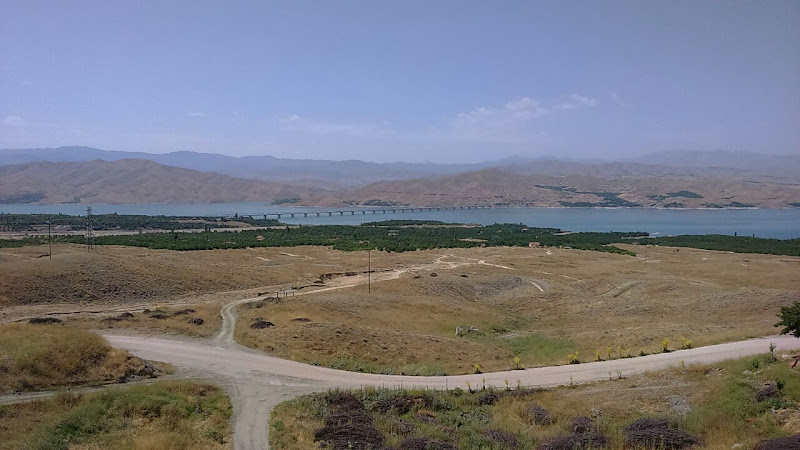
Gemici
About Gemici
Description
Gemici is the kind of place you don’t stumble upon by accident. It sits quietly in the Baskil District of Elazığ Province, watching seasons roll by at their own pace. With a population of around 352 people as of 2021, this village isn’t trying to impress anyone, and that’s exactly why it leaves an impression. It’s home to Kurdish families from the Herdî tribe, and that cultural continuity gives Gemici a grounded, lived-in feeling you can sense almost immediately.
Walking through Gemici feels like stepping into a slower rhythm. Houses are modest, often stone or concrete, shaped by decades of practical living rather than trends. And you’ll hear Kurdish spoken casually in conversations, mixed with Turkish, especially when visitors like you wander in and people switch languages without thinking much about it. I remember being offered tea within five minutes of arriving. No questions, no awkward small talk. Just tea. That alone tells you a lot.
The attached hamlet of Mollaköfte adds another layer to the village’s identity. It’s smaller, quieter somehow, and feels even more traditional. Some travelers miss it entirely, which is a shame, because that’s where you notice daily village life most clearly. Chickens crossing dirt paths, kids kicking a half-flat football, elders sitting and observing everything and nothing at once.
There’s a mosque in Gemici built in 1939, and while it won’t blow your mind architecturally, it anchors the village in time. You can feel the history in its worn steps and simple structure. It has seen generations come and go, migrations, weddings, funerals, long winters, and dry summers. And yes, sometimes it’s quiet to the point where you wonder if you’ve arrived on the wrong day. But then someone waves, and you know you’re exactly where you should be.
Gemici isn’t polished. Roads can be uneven, and services are limited. But travelers who come here aren’t chasing comfort; they’re chasing context. They want to understand a corner of eastern Turkey that doesn’t usually make it into glossy brochures. And Gemici delivers that, honestly, without trying.
Key Features
- Authentic Kurdish village life: Gemici is populated by Kurds of the Herdî tribe, and cultural traditions are still part of daily routines, not performances.
- Small population, strong community: With just over 350 residents, everyone knows everyone. As a visitor, you stand out, but in a curious, welcoming way.
- Historic village mosque: Built in 1939, the mosque serves as both a religious and social center.
- Mollaköfte hamlet: This attached hamlet offers a quieter, even more traditional experience for travelers willing to wander a bit.
- Rural Anatolian landscape: Fields, hills, and wide skies dominate the surroundings, especially striking in early morning and at dusk.
- Limited tourism footprint: No souvenir shops, no tour buses. You get the place as it is, not as it’s been packaged.
- Strong oral culture: Stories, family histories, and local knowledge are shared verbally, often over tea or meals.
Best Time to Visit
If you ask me, late spring is when Gemici feels most alive. April and May bring green fields and manageable temperatures, making walks through the village and surrounding countryside genuinely enjoyable. Summer can be hot, especially in July and August, and while locals are used to it, visitors might find midday wandering a bit exhausting. Still, summer evenings are something else. Cooler air, people sitting outside, conversations stretching longer than planned.
Autumn has its own quiet charm. September and October are harvest-adjacent months, and you’ll notice subtle changes in daily routines. The colors shift, the pace slows even more, and there’s a reflective mood that I personally love. Winter, on the other hand, is not for everyone. Cold weather and occasional snow can make access harder, and life turns inward. But if you’re the kind of traveler who enjoys solitude and doesn’t mind a bit of discomfort, winter shows you a side of Gemici few outsiders see.
One thing to keep in mind is religious and cultural timing. Visiting during Ramadan or around major religious holidays can be deeply interesting, but services and daily schedules may change. I once arrived during a holiday and found shops closed but homes open. Food was shared freely, which felt humbling, honestly.
How to Get There
Getting to Gemici takes intention. First, you’ll need to reach Elazığ Province, usually via Elazığ city. From there, Baskil District is the next step, and then onward to Gemici village. Public transportation exists, but it’s not frequent, and schedules can be… flexible. If you’re comfortable with that kind of uncertainty, it’s doable. If not, hiring a car or arranging a local driver makes things much easier.
The roads leading to the village are mostly paved but can be rough in places. Don’t rush. Part of the experience is watching the landscape change as you leave urban areas behind. And yes, GPS might get confused near the final stretch. It happened to me. I asked an older man sitting by the roadside, and he pointed with his whole arm, laughed, and said something I didn’t fully understand. I arrived anyway.
Once you’re there, getting around is mostly on foot. Gemici is small, and walking is the best way to notice details you’d otherwise miss, like garden setups or small family workshops tucked behind houses.
Tips for Visiting
First, adjust your expectations. Gemici is not a resort destination, and that’s the point. Bring what you need, especially snacks, medication, and cash. There aren’t many shops, and ATMs are not a thing here.
Second, be respectful of local customs. Modest clothing is appreciated, especially near the mosque or when interacting with elders. You don’t need to overthink it, just be mindful. A little courtesy goes a long way, and people notice.
Third, learn a few basic phrases in Turkish, or Kurdish if you’re ambitious. Even a simple greeting opens doors. I butchered my pronunciation more than once, and instead of embarrassment, it led to laughter and longer conversations.
Photography is generally fine, but always ask before taking photos of people or private homes. Some will say yes enthusiastically, others won’t, and both responses are okay. This isn’t a place where everything is meant to be documented.
Don’t rush your visit. Even a single night stay, if possible, changes your perception. Mornings in Gemici are quiet in a way that’s hard to explain unless you’ve experienced it. Roosters, distant voices, the smell of bread. It resets something in your head.
And finally, be open. You might be invited into a home, offered food, or asked a lot of questions about where you’re from and why you came. Answer honestly. Curiosity here is genuine, not transactional. Gemici doesn’t try to sell itself. It simply exists, and if you’re paying attention, that’s more than enough.
Key Features
- Key Features
- Best Time to Visit
- How to Get There
- Tips for Visiting
More Details
Updated January 1, 2026
Table of Contents
Description
Gemici is the kind of place you don’t stumble upon by accident. It sits quietly in the Baskil District of Elazığ Province, watching seasons roll by at their own pace. With a population of around 352 people as of 2021, this village isn’t trying to impress anyone, and that’s exactly why it leaves an impression. It’s home to Kurdish families from the Herdî tribe, and that cultural continuity gives Gemici a grounded, lived-in feeling you can sense almost immediately.
Walking through Gemici feels like stepping into a slower rhythm. Houses are modest, often stone or concrete, shaped by decades of practical living rather than trends. And you’ll hear Kurdish spoken casually in conversations, mixed with Turkish, especially when visitors like you wander in and people switch languages without thinking much about it. I remember being offered tea within five minutes of arriving. No questions, no awkward small talk. Just tea. That alone tells you a lot.
The attached hamlet of Mollaköfte adds another layer to the village’s identity. It’s smaller, quieter somehow, and feels even more traditional. Some travelers miss it entirely, which is a shame, because that’s where you notice daily village life most clearly. Chickens crossing dirt paths, kids kicking a half-flat football, elders sitting and observing everything and nothing at once.
There’s a mosque in Gemici built in 1939, and while it won’t blow your mind architecturally, it anchors the village in time. You can feel the history in its worn steps and simple structure. It has seen generations come and go, migrations, weddings, funerals, long winters, and dry summers. And yes, sometimes it’s quiet to the point where you wonder if you’ve arrived on the wrong day. But then someone waves, and you know you’re exactly where you should be.
Gemici isn’t polished. Roads can be uneven, and services are limited. But travelers who come here aren’t chasing comfort; they’re chasing context. They want to understand a corner of eastern Turkey that doesn’t usually make it into glossy brochures. And Gemici delivers that, honestly, without trying.
Key Features
- Authentic Kurdish village life: Gemici is populated by Kurds of the Herdî tribe, and cultural traditions are still part of daily routines, not performances.
- Small population, strong community: With just over 350 residents, everyone knows everyone. As a visitor, you stand out, but in a curious, welcoming way.
- Historic village mosque: Built in 1939, the mosque serves as both a religious and social center.
- Mollaköfte hamlet: This attached hamlet offers a quieter, even more traditional experience for travelers willing to wander a bit.
- Rural Anatolian landscape: Fields, hills, and wide skies dominate the surroundings, especially striking in early morning and at dusk.
- Limited tourism footprint: No souvenir shops, no tour buses. You get the place as it is, not as it’s been packaged.
- Strong oral culture: Stories, family histories, and local knowledge are shared verbally, often over tea or meals.
Best Time to Visit
If you ask me, late spring is when Gemici feels most alive. April and May bring green fields and manageable temperatures, making walks through the village and surrounding countryside genuinely enjoyable. Summer can be hot, especially in July and August, and while locals are used to it, visitors might find midday wandering a bit exhausting. Still, summer evenings are something else. Cooler air, people sitting outside, conversations stretching longer than planned.
Autumn has its own quiet charm. September and October are harvest-adjacent months, and you’ll notice subtle changes in daily routines. The colors shift, the pace slows even more, and there’s a reflective mood that I personally love. Winter, on the other hand, is not for everyone. Cold weather and occasional snow can make access harder, and life turns inward. But if you’re the kind of traveler who enjoys solitude and doesn’t mind a bit of discomfort, winter shows you a side of Gemici few outsiders see.
One thing to keep in mind is religious and cultural timing. Visiting during Ramadan or around major religious holidays can be deeply interesting, but services and daily schedules may change. I once arrived during a holiday and found shops closed but homes open. Food was shared freely, which felt humbling, honestly.
How to Get There
Getting to Gemici takes intention. First, you’ll need to reach Elazığ Province, usually via Elazığ city. From there, Baskil District is the next step, and then onward to Gemici village. Public transportation exists, but it’s not frequent, and schedules can be… flexible. If you’re comfortable with that kind of uncertainty, it’s doable. If not, hiring a car or arranging a local driver makes things much easier.
The roads leading to the village are mostly paved but can be rough in places. Don’t rush. Part of the experience is watching the landscape change as you leave urban areas behind. And yes, GPS might get confused near the final stretch. It happened to me. I asked an older man sitting by the roadside, and he pointed with his whole arm, laughed, and said something I didn’t fully understand. I arrived anyway.
Once you’re there, getting around is mostly on foot. Gemici is small, and walking is the best way to notice details you’d otherwise miss, like garden setups or small family workshops tucked behind houses.
Tips for Visiting
First, adjust your expectations. Gemici is not a resort destination, and that’s the point. Bring what you need, especially snacks, medication, and cash. There aren’t many shops, and ATMs are not a thing here.
Second, be respectful of local customs. Modest clothing is appreciated, especially near the mosque or when interacting with elders. You don’t need to overthink it, just be mindful. A little courtesy goes a long way, and people notice.
Third, learn a few basic phrases in Turkish, or Kurdish if you’re ambitious. Even a simple greeting opens doors. I butchered my pronunciation more than once, and instead of embarrassment, it led to laughter and longer conversations.
Photography is generally fine, but always ask before taking photos of people or private homes. Some will say yes enthusiastically, others won’t, and both responses are okay. This isn’t a place where everything is meant to be documented.
Don’t rush your visit. Even a single night stay, if possible, changes your perception. Mornings in Gemici are quiet in a way that’s hard to explain unless you’ve experienced it. Roosters, distant voices, the smell of bread. It resets something in your head.
And finally, be open. You might be invited into a home, offered food, or asked a lot of questions about where you’re from and why you came. Answer honestly. Curiosity here is genuine, not transactional. Gemici doesn’t try to sell itself. It simply exists, and if you’re paying attention, that’s more than enough.
Key Highlights
- Key Features
- Best Time to Visit
- How to Get There
- Tips for Visiting
Location
Places to Stay Near Gemici
Find and Book a Tour
Explore More Travel Guides
No reviews found! Be the first to review!
Traveler Reviews for Gemici
There are no reviews yet. Be the first one to write one.
Have you visited Gemici? Help other travelers by sharing your review.
You Might Also Like
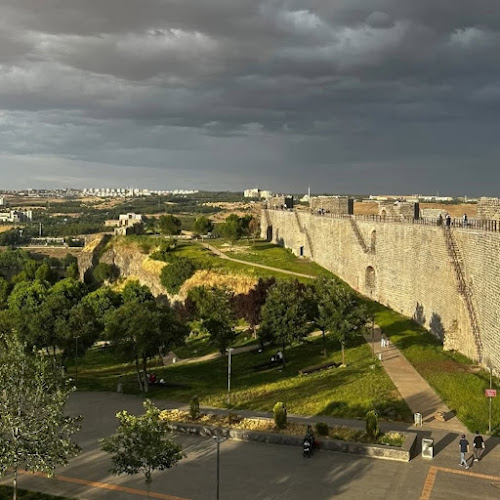
Historic Walls of Diyarbakir
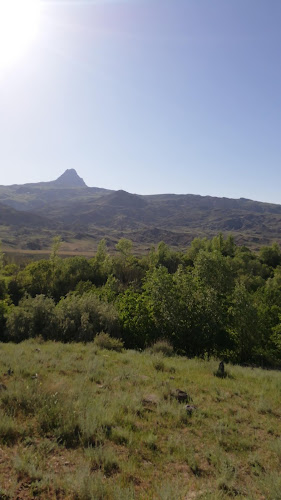
Eğrekdere
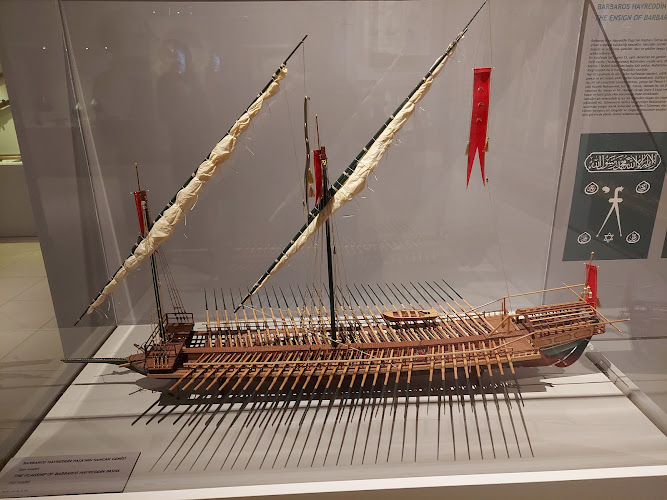
Iskenderun Naval Museum
Find Accommodations Nearby
Recommended Tours & Activities
Visitor Reviews
There are no reviews yet. Be the first one to write one.
Share Your Experience
Have you visited Gemici? Help other travelers by leaving a review.