
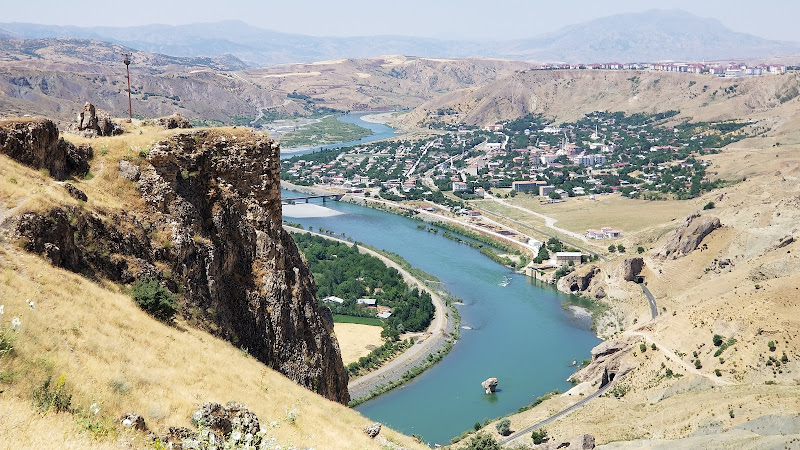
Palu Kalesi
About Palu Kalesi
Description
Palu Kalesi is one of those places that sneaks up on you. It doesn’t shout for attention with polished signs or glossy walkways. Instead, it sits there, stubborn and weathered, overlooking the land the way it has for centuries. And honestly, that’s part of its charm. This historical fortress rises above the Palu district with a quiet confidence, reminding visitors that history doesn’t always need a museum label to feel alive.
Built on steep, rocky terrain, Palu Kalesi has watched empires come and go. The castle’s exact origins are debated by historians, which I personally love. Some say Urartian roots, others point to later civilizations layering their mark on top. You can actually see that confusion in the stonework. Walls that don’t quite match. Staircases that feel added as an afterthought. It’s messy history, the real kind.
When I first visited, I expected a quick walk-around and a couple of photos. Instead, I stayed for hours. Part of that was the view, sure, but part of it was the silence. Not the awkward silence, but the deep kind where you hear your own footsteps and the wind brushing against ancient stone. Travelers who enjoy dramatic ruins and unfiltered historical sites tend to appreciate Palu Kalesi more than those looking for comfort or convenience.
There’s also a cave element to the site that surprises many first-timers. Carved spaces within the rock hint at storage rooms, shelters, or even secret passages. Crawling slightly to peek inside one of them (bad idea if you hate dust, by the way), I remember thinking how small daily life must have felt here. Yet, it worked. And it lasted.
For travelers interested in off-the-radar attractions in eastern Türkiye, Palu Kalesi offers a raw and honest experience. It’s not overly restored. It’s not filtered. And yes, that means it may not appeal to everyone. But for the right kind of visitor, it sticks with you.
Key Features
- Ancient stone fortress positioned on a steep rocky hill
- Panoramic views over the Palu landscape and surrounding valleys
- Visible remains from multiple historical periods layered together
- Rock-carved cave sections believed to be used for storage or shelter
- Rugged walking paths that feel unchanged for generations
- Quiet atmosphere, especially outside peak travel months
- Minimal modern intervention, preserving an authentic feel
One thing I always tell friends: don’t rush through the features like you’re checking items off a list. This isn’t that kind of place. The magic of Palu Kalesi is in slowing down and noticing details. The way a wall leans slightly, or how the stone changes color as the sun moves.
Best Time to Visit
Timing matters here, more than you might expect. The best time to visit Palu Kalesi is during spring and early autumn. Spring brings mild temperatures and a bit of green to the otherwise rugged landscape. Autumn, on the other hand, offers crisp air and golden light that makes photography ridiculously satisfying.
Summer can be tricky. The heat reflects off the stone and climbs fast, especially around midday. I learned this the hard way once, thinking I could handle it with just a bottle of water. Spoiler: I couldn’t. Winter visits are possible, but rain or snow can make the paths slippery, and that’s not a fun surprise halfway up a rocky incline.
If you’re the kind of traveler who enjoys having places mostly to yourself, aim for weekdays and earlier hours. Mornings feel calmer, almost sacred. And you’ll hear birds instead of chatter. That alone is worth setting an alarm for.
How to Get There
Getting to Palu Kalesi is part of the adventure, and yes, I mean that in both a good and slightly exhausting way. The castle is reachable from the town of Palu, but from there, it’s mostly about navigating local roads and then continuing on foot.
Public transportation can get you close, but not all the way. Most travelers opt for a taxi or a private car to reach the base area. From there, you walk. And climb. And then climb some more. It’s not technical hiking, but it’s not a casual stroll either. Wear proper shoes. I once saw someone attempt it in smooth-soled city sneakers, and it ended with them turning back halfway up, muttering regrets.
Signage is minimal, so asking locals is actually helpful. People are generally happy to point you in the right direction, even if there’s a language gap. A smile and a hand gesture go a long way.
Tips for Visiting
First tip, and I can’t stress this enough: bring water. More than you think you’ll need. There are no facilities up there, and once you start exploring, you won’t want to leave just because you’re thirsty.
Second, manage your expectations. Palu Kalesi is not polished. There are uneven surfaces, crumbling edges, and areas that feel a bit wild. That’s exactly why many travelers love it. But if you’re expecting railings and info boards every ten steps, you might feel frustrated.
Third, accessibility is limited. The site is not suitable for wheelchairs, and the climb can be challenging for those with mobility issues. It’s important to be honest about that so you can plan accordingly.
Fourth, take your time with the caves. They’re easy to miss if you’re rushing. And they add a whole other layer to the visit. Just watch your head. I bumped mine lightly and felt very humbled by a rock that’s been there longer than recorded history.
And lastly, respect the site. Don’t carve names, don’t move stones, and please don’t leave trash. Places like Palu Kalesi survive because most people treat them with care. Let’s keep it that way.
If you’re a traveler who values authenticity over comfort, history over spectacle, and stories over souvenirs, Palu Kalesi will likely stay with you long after you leave. It’s not perfect. It’s not easy. But it’s real. And sometimes, that’s exactly what makes a place worth visiting.
Key Features
- Ancient stone fortress positioned on a steep rocky hill
- Panoramic views over the Palu landscape and surrounding valleys
- Visible remains from multiple historical periods layered together
- Rock-carved cave sections believed to be used for storage or shelter
- Rugged walking paths that feel unchanged for generations
- Quiet atmosphere, especially outside peak travel months
- Minimal modern intervention, preserving an authentic feel
More Details
Updated January 1, 2026
Table of Contents
Description
Palu Kalesi is one of those places that sneaks up on you. It doesn’t shout for attention with polished signs or glossy walkways. Instead, it sits there, stubborn and weathered, overlooking the land the way it has for centuries. And honestly, that’s part of its charm. This historical fortress rises above the Palu district with a quiet confidence, reminding visitors that history doesn’t always need a museum label to feel alive.
Built on steep, rocky terrain, Palu Kalesi has watched empires come and go. The castle’s exact origins are debated by historians, which I personally love. Some say Urartian roots, others point to later civilizations layering their mark on top. You can actually see that confusion in the stonework. Walls that don’t quite match. Staircases that feel added as an afterthought. It’s messy history, the real kind.
When I first visited, I expected a quick walk-around and a couple of photos. Instead, I stayed for hours. Part of that was the view, sure, but part of it was the silence. Not the awkward silence, but the deep kind where you hear your own footsteps and the wind brushing against ancient stone. Travelers who enjoy dramatic ruins and unfiltered historical sites tend to appreciate Palu Kalesi more than those looking for comfort or convenience.
There’s also a cave element to the site that surprises many first-timers. Carved spaces within the rock hint at storage rooms, shelters, or even secret passages. Crawling slightly to peek inside one of them (bad idea if you hate dust, by the way), I remember thinking how small daily life must have felt here. Yet, it worked. And it lasted.
For travelers interested in off-the-radar attractions in eastern Türkiye, Palu Kalesi offers a raw and honest experience. It’s not overly restored. It’s not filtered. And yes, that means it may not appeal to everyone. But for the right kind of visitor, it sticks with you.
Key Features
- Ancient stone fortress positioned on a steep rocky hill
- Panoramic views over the Palu landscape and surrounding valleys
- Visible remains from multiple historical periods layered together
- Rock-carved cave sections believed to be used for storage or shelter
- Rugged walking paths that feel unchanged for generations
- Quiet atmosphere, especially outside peak travel months
- Minimal modern intervention, preserving an authentic feel
One thing I always tell friends: don’t rush through the features like you’re checking items off a list. This isn’t that kind of place. The magic of Palu Kalesi is in slowing down and noticing details. The way a wall leans slightly, or how the stone changes color as the sun moves.
Best Time to Visit
Timing matters here, more than you might expect. The best time to visit Palu Kalesi is during spring and early autumn. Spring brings mild temperatures and a bit of green to the otherwise rugged landscape. Autumn, on the other hand, offers crisp air and golden light that makes photography ridiculously satisfying.
Summer can be tricky. The heat reflects off the stone and climbs fast, especially around midday. I learned this the hard way once, thinking I could handle it with just a bottle of water. Spoiler: I couldn’t. Winter visits are possible, but rain or snow can make the paths slippery, and that’s not a fun surprise halfway up a rocky incline.
If you’re the kind of traveler who enjoys having places mostly to yourself, aim for weekdays and earlier hours. Mornings feel calmer, almost sacred. And you’ll hear birds instead of chatter. That alone is worth setting an alarm for.
How to Get There
Getting to Palu Kalesi is part of the adventure, and yes, I mean that in both a good and slightly exhausting way. The castle is reachable from the town of Palu, but from there, it’s mostly about navigating local roads and then continuing on foot.
Public transportation can get you close, but not all the way. Most travelers opt for a taxi or a private car to reach the base area. From there, you walk. And climb. And then climb some more. It’s not technical hiking, but it’s not a casual stroll either. Wear proper shoes. I once saw someone attempt it in smooth-soled city sneakers, and it ended with them turning back halfway up, muttering regrets.
Signage is minimal, so asking locals is actually helpful. People are generally happy to point you in the right direction, even if there’s a language gap. A smile and a hand gesture go a long way.
Tips for Visiting
First tip, and I can’t stress this enough: bring water. More than you think you’ll need. There are no facilities up there, and once you start exploring, you won’t want to leave just because you’re thirsty.
Second, manage your expectations. Palu Kalesi is not polished. There are uneven surfaces, crumbling edges, and areas that feel a bit wild. That’s exactly why many travelers love it. But if you’re expecting railings and info boards every ten steps, you might feel frustrated.
Third, accessibility is limited. The site is not suitable for wheelchairs, and the climb can be challenging for those with mobility issues. It’s important to be honest about that so you can plan accordingly.
Fourth, take your time with the caves. They’re easy to miss if you’re rushing. And they add a whole other layer to the visit. Just watch your head. I bumped mine lightly and felt very humbled by a rock that’s been there longer than recorded history.
And lastly, respect the site. Don’t carve names, don’t move stones, and please don’t leave trash. Places like Palu Kalesi survive because most people treat them with care. Let’s keep it that way.
If you’re a traveler who values authenticity over comfort, history over spectacle, and stories over souvenirs, Palu Kalesi will likely stay with you long after you leave. It’s not perfect. It’s not easy. But it’s real. And sometimes, that’s exactly what makes a place worth visiting.
Key Highlights
- Ancient stone fortress positioned on a steep rocky hill
- Panoramic views over the Palu landscape and surrounding valleys
- Visible remains from multiple historical periods layered together
- Rock-carved cave sections believed to be used for storage or shelter
- Rugged walking paths that feel unchanged for generations
- Quiet atmosphere, especially outside peak travel months
- Minimal modern intervention, preserving an authentic feel
Location
Places to Stay Near Palu Kalesi
Find and Book a Tour
Explore More Travel Guides
No reviews found! Be the first to review!
Traveler Reviews for Palu Kalesi
There are no reviews yet. Be the first one to write one.
Have you visited Palu Kalesi? Help other travelers by sharing your review.
You Might Also Like

Sait Faik Abasıyanık Museum
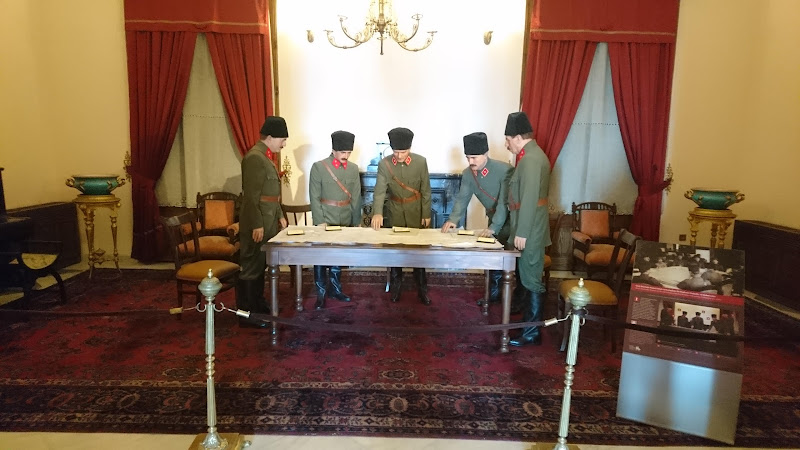
Ataturk Museum
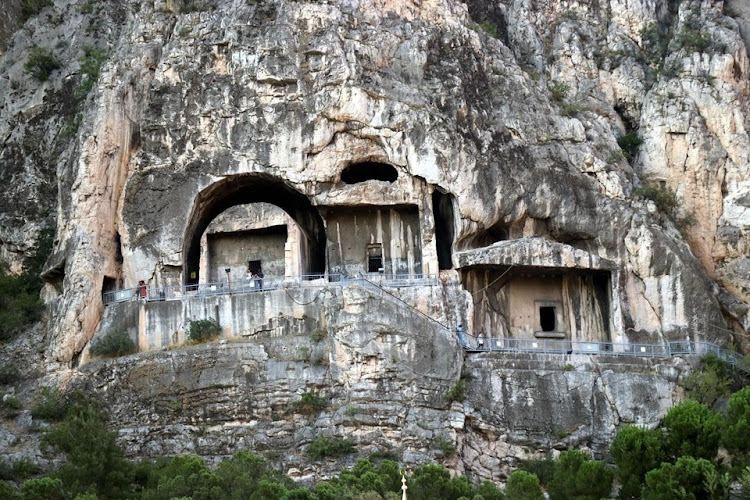
Pontic Kings Rock Tombs
Find Accommodations Nearby
Recommended Tours & Activities
Visitor Reviews
There are no reviews yet. Be the first one to write one.
Share Your Experience
Have you visited Palu Kalesi? Help other travelers by leaving a review.