
Mural arts
About Mural arts
Description
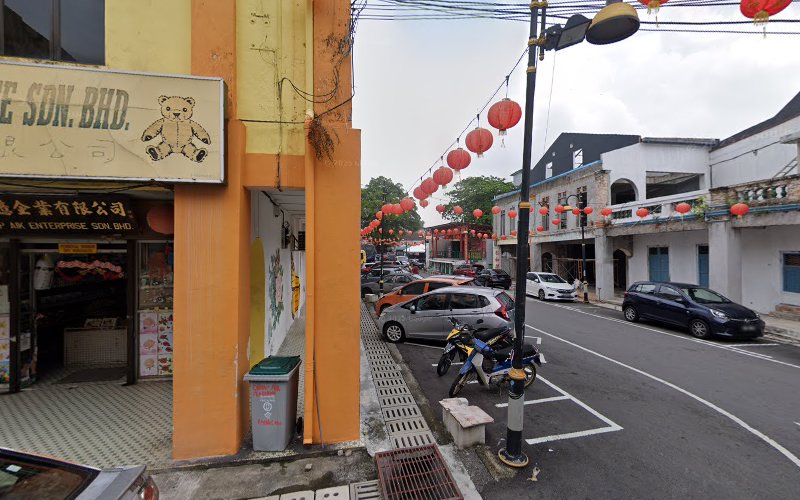
Mural arts, as a tourist attraction, don’t sit quietly behind velvet ropes. They live on the street, on brick walls and concrete pillars, sometimes on the side of a bakery you were only passing because you smelled bread. And that’s the charm. Travelers who chase mural arts aren’t just looking at paintings; they’re walking through stories, arguments, jokes, political moments, love letters, and inside jokes a city decided to share with the world.
In many places, mural art began as a rebellious act. Artists painted without permission, late at night, often chased away or ignored. Years later, those same walls are protected, photographed, and included in tourism brochures. That flip still fascinates me. I remember standing in front of a massive portrait painted across three buildings, watching a tour group listen politely while a local kid explained it better than the guide ever could. That’s mural arts for you. It belongs to the people first.
For travelers, mural arts offer a kind of honesty you don’t always get in museums. You see what a city is proud of, what it’s angry about, what it remembers, and sometimes what it’s trying to forget. Some murals celebrate local heroes or cultural roots. Others tackle climate change, migration, identity, or pure absurd humor. And yes, some are confusing. That’s part of the deal. You’re allowed to not “get it.” I often don’t, and still enjoy the colors and scale.
Mural arts areas are generally good for kids too. Big visuals, bold characters, animals, superheroes, dreamlike landscapes. Children don’t need art history lessons to enjoy them. They just point and react honestly, which is refreshing. And for parents, it’s an outdoor attraction that doesn’t involve telling kids to be quiet every five seconds.
But let’s be fair. Not every mural will blow your mind. Some are weathered, half-covered, or clearly done in a rush. Some neighborhoods struggle with upkeep. And occasionally, a mural you saw online has already been painted over. Street art is temporary by nature. That impermanence can annoy planners, but it’s also what makes stumbling upon a great piece feel like luck.
As an attraction, mural arts don’t ask you to buy a ticket or follow a set path. They ask you to slow down, look up, and maybe take a wrong turn. And if you like travel experiences that feel unscripted and real, this is one of those rare things that still delivers.
Key Features
- Large-scale outdoor murals covering walls, alleys, bridges, and public buildings
- Constantly changing artwork, with new murals appearing and old ones fading or replaced
- Strong connection to local culture, history, and current social issues
- Free to explore, no tickets or fixed hours required
- Family-friendly visuals that appeal to both adults and children
- Excellent opportunities for photography and creative inspiration
- Often located near cafes, markets, and everyday neighborhoods, not tourist-only zones
- Works by both internationally known muralists and emerging local artists
Best Time to Visit
The best time to explore mural arts is daylight, plain and simple. Morning light is my personal favorite. The colors look sharper, shadows behave nicely, and streets are quieter. You can stand in front of a wall for five minutes without feeling like you’re blocking traffic or someone’s lunch break. Plus, artists sometimes work early, and watching a mural in progress is like seeing a secret.
Late afternoon is another strong option. The light gets warmer, photos turn out softer, and neighborhoods start to feel alive. That said, crowds can increase, especially in popular mural districts. Weekdays are usually calmer than weekends. If you hate weaving through selfie sticks, plan accordingly.
Season matters too. Dry seasons are ideal, since rain can dull colors and limit walking time. In very hot climates, midday exploration can be rough. I once underestimated the heat and ended up admiring a mural from across the street because the wall itself was radiating warmth like a stove. Lesson learned. Bring water, wear a hat, and don’t rush.
Some cities host mural festivals once or twice a year. These periods are exciting because you’ll see live painting, pop-up events, and fresh work everywhere. The downside? Noise, crowds, and occasional street closures. If you want a calm, reflective experience, come a few weeks after the festival dust settles.
How to Get There
Mural arts don’t usually live in one neat, fenced location. They spread. And that means getting there is more about navigation than transportation. Most mural areas are accessible by public transport, with bus stops or metro stations nearby. From there, walking is essential. You can’t really experience mural arts from a vehicle unless you enjoy neck cramps.
Some travelers prefer guided walking tours, especially on their first visit. Guides can point out hidden pieces, explain local context, and save you from wandering aimlessly. That’s helpful. But I’ll be honest, I often ditch the plan after a while. The best murals I’ve seen were accidents, found while looking for coffee or following music down a side street.
If you’re driving, parking can be tricky. Mural districts are often in older neighborhoods with limited space. Consider parking once and walking for a few hours rather than hopping between spots. Bikes are a solid option too, just be ready to stop frequently. And please, don’t block sidewalks while staring at walls. Locals still need to live their lives.
For families, strollers usually work fine on main streets, though some alleys may be uneven. Keep an eye on kids near traffic, since murals have a way of pulling attention away from everything else.
Tips for Visiting
First tip, and I say this with love: look up. Some of the best murals are several stories high, and people miss them entirely while staring at phones. Which brings me to photos. Take them, sure. But don’t let documenting replace experiencing. I’ve done that mistake. Went home with hundreds of photos and very few memories attached to them.
Wear comfortable shoes. This sounds obvious, but mural exploration involves a lot of stopping, backtracking, and sudden “wait, did you see that?” moments. You’ll walk more than you think. Bring water and sunscreen. Walls don’t provide shade, unfortunately.
Be respectful. These artworks exist in real neighborhoods. Don’t climb on private property for a better angle. Don’t block doorways. And if someone lives behind the mural you’re admiring, remember it’s their wall first, your Instagram second.
If you’re traveling with kids, turn it into a game. Ask them what they see, what story they think the mural tells. You’ll get wild answers, and sometimes surprisingly thoughtful ones. And it keeps them engaged longer than just saying “look at the art.”
Expect imperfection. Some murals will be faded, tagged over, or half-destroyed. That’s not failure; it’s part of street art’s life cycle. I actually like seeing layers of paint and history. It shows time passing.
And finally, allow yourself to wander without a checklist. Mural arts reward curiosity more than efficiency. The moment you stop trying to see everything is usually when you find something unforgettable. I’ve traveled a lot, and the murals I remember most aren’t the famous ones. They’re the small, weird pieces that caught me off guard and made me smile for no clear reason.
Mural arts as a tourist attraction don’t promise perfection. They promise honesty, color, and a connection to place that feels earned rather than packaged. If you’re the kind of traveler who likes stories written on walls instead of plaques, you’re going to feel right at home.
Key Features
- Large-scale outdoor murals covering walls, alleys, bridges, and public buildings
- Constantly changing artwork, with new murals appearing and old ones fading or replaced
- Strong connection to local culture, history, and current social issues
- Free to explore, no tickets or fixed hours required
- Family-friendly visuals that appeal to both adults and children
- Excellent opportunities for photography and creative inspiration
- Often located near cafes, markets, and everyday neighborhoods, not tourist-only zones
- Works by both internationally known muralists and emerging local artists
More Details
Updated January 1, 2026
Description
Mural arts, as a tourist attraction, don’t sit quietly behind velvet ropes. They live on the street, on brick walls and concrete pillars, sometimes on the side of a bakery you were only passing because you smelled bread. And that’s the charm. Travelers who chase mural arts aren’t just looking at paintings; they’re walking through stories, arguments, jokes, political moments, love letters, and inside jokes a city decided to share with the world.
In many places, mural art began as a rebellious act. Artists painted without permission, late at night, often chased away or ignored. Years later, those same walls are protected, photographed, and included in tourism brochures. That flip still fascinates me. I remember standing in front of a massive portrait painted across three buildings, watching a tour group listen politely while a local kid explained it better than the guide ever could. That’s mural arts for you. It belongs to the people first.
For travelers, mural arts offer a kind of honesty you don’t always get in museums. You see what a city is proud of, what it’s angry about, what it remembers, and sometimes what it’s trying to forget. Some murals celebrate local heroes or cultural roots. Others tackle climate change, migration, identity, or pure absurd humor. And yes, some are confusing. That’s part of the deal. You’re allowed to not “get it.” I often don’t, and still enjoy the colors and scale.
Mural arts areas are generally good for kids too. Big visuals, bold characters, animals, superheroes, dreamlike landscapes. Children don’t need art history lessons to enjoy them. They just point and react honestly, which is refreshing. And for parents, it’s an outdoor attraction that doesn’t involve telling kids to be quiet every five seconds.
But let’s be fair. Not every mural will blow your mind. Some are weathered, half-covered, or clearly done in a rush. Some neighborhoods struggle with upkeep. And occasionally, a mural you saw online has already been painted over. Street art is temporary by nature. That impermanence can annoy planners, but it’s also what makes stumbling upon a great piece feel like luck.
As an attraction, mural arts don’t ask you to buy a ticket or follow a set path. They ask you to slow down, look up, and maybe take a wrong turn. And if you like travel experiences that feel unscripted and real, this is one of those rare things that still delivers.
Key Features
- Large-scale outdoor murals covering walls, alleys, bridges, and public buildings
- Constantly changing artwork, with new murals appearing and old ones fading or replaced
- Strong connection to local culture, history, and current social issues
- Free to explore, no tickets or fixed hours required
- Family-friendly visuals that appeal to both adults and children
- Excellent opportunities for photography and creative inspiration
- Often located near cafes, markets, and everyday neighborhoods, not tourist-only zones
- Works by both internationally known muralists and emerging local artists
Best Time to Visit
The best time to explore mural arts is daylight, plain and simple. Morning light is my personal favorite. The colors look sharper, shadows behave nicely, and streets are quieter. You can stand in front of a wall for five minutes without feeling like you’re blocking traffic or someone’s lunch break. Plus, artists sometimes work early, and watching a mural in progress is like seeing a secret.
Late afternoon is another strong option. The light gets warmer, photos turn out softer, and neighborhoods start to feel alive. That said, crowds can increase, especially in popular mural districts. Weekdays are usually calmer than weekends. If you hate weaving through selfie sticks, plan accordingly.
Season matters too. Dry seasons are ideal, since rain can dull colors and limit walking time. In very hot climates, midday exploration can be rough. I once underestimated the heat and ended up admiring a mural from across the street because the wall itself was radiating warmth like a stove. Lesson learned. Bring water, wear a hat, and don’t rush.
Some cities host mural festivals once or twice a year. These periods are exciting because you’ll see live painting, pop-up events, and fresh work everywhere. The downside? Noise, crowds, and occasional street closures. If you want a calm, reflective experience, come a few weeks after the festival dust settles.
How to Get There
Mural arts don’t usually live in one neat, fenced location. They spread. And that means getting there is more about navigation than transportation. Most mural areas are accessible by public transport, with bus stops or metro stations nearby. From there, walking is essential. You can’t really experience mural arts from a vehicle unless you enjoy neck cramps.
Some travelers prefer guided walking tours, especially on their first visit. Guides can point out hidden pieces, explain local context, and save you from wandering aimlessly. That’s helpful. But I’ll be honest, I often ditch the plan after a while. The best murals I’ve seen were accidents, found while looking for coffee or following music down a side street.
If you’re driving, parking can be tricky. Mural districts are often in older neighborhoods with limited space. Consider parking once and walking for a few hours rather than hopping between spots. Bikes are a solid option too, just be ready to stop frequently. And please, don’t block sidewalks while staring at walls. Locals still need to live their lives.
For families, strollers usually work fine on main streets, though some alleys may be uneven. Keep an eye on kids near traffic, since murals have a way of pulling attention away from everything else.
Tips for Visiting
First tip, and I say this with love: look up. Some of the best murals are several stories high, and people miss them entirely while staring at phones. Which brings me to photos. Take them, sure. But don’t let documenting replace experiencing. I’ve done that mistake. Went home with hundreds of photos and very few memories attached to them.
Wear comfortable shoes. This sounds obvious, but mural exploration involves a lot of stopping, backtracking, and sudden “wait, did you see that?” moments. You’ll walk more than you think. Bring water and sunscreen. Walls don’t provide shade, unfortunately.
Be respectful. These artworks exist in real neighborhoods. Don’t climb on private property for a better angle. Don’t block doorways. And if someone lives behind the mural you’re admiring, remember it’s their wall first, your Instagram second.
If you’re traveling with kids, turn it into a game. Ask them what they see, what story they think the mural tells. You’ll get wild answers, and sometimes surprisingly thoughtful ones. And it keeps them engaged longer than just saying “look at the art.”
Expect imperfection. Some murals will be faded, tagged over, or half-destroyed. That’s not failure; it’s part of street art’s life cycle. I actually like seeing layers of paint and history. It shows time passing.
And finally, allow yourself to wander without a checklist. Mural arts reward curiosity more than efficiency. The moment you stop trying to see everything is usually when you find something unforgettable. I’ve traveled a lot, and the murals I remember most aren’t the famous ones. They’re the small, weird pieces that caught me off guard and made me smile for no clear reason.
Mural arts as a tourist attraction don’t promise perfection. They promise honesty, color, and a connection to place that feels earned rather than packaged. If you’re the kind of traveler who likes stories written on walls instead of plaques, you’re going to feel right at home.
Key Highlights
- Large-scale outdoor murals covering walls, alleys, bridges, and public buildings
- Constantly changing artwork, with new murals appearing and old ones fading or replaced
- Strong connection to local culture, history, and current social issues
- Free to explore, no tickets or fixed hours required
- Family-friendly visuals that appeal to both adults and children
- Excellent opportunities for photography and creative inspiration
- Often located near cafes, markets, and everyday neighborhoods, not tourist-only zones
- Works by both internationally known muralists and emerging local artists
Location
Places to Stay Near Mural arts
Find and Book a Tour
Explore More Travel Guides
No reviews found! Be the first to review!
Traveler Reviews for Mural arts
There are no reviews yet. Be the first one to write one.
Have you visited Mural arts? Help other travelers by sharing your review.
You Might Also Like
Taman Orkid Seremban
Centipede Temple 蜈蚣山

NouraWhiteningC-HQ
Find Accommodations Nearby
Recommended Tours & Activities
Visitor Reviews
There are no reviews yet. Be the first one to write one.
Share Your Experience
Have you visited Mural arts? Help other travelers by leaving a review.