
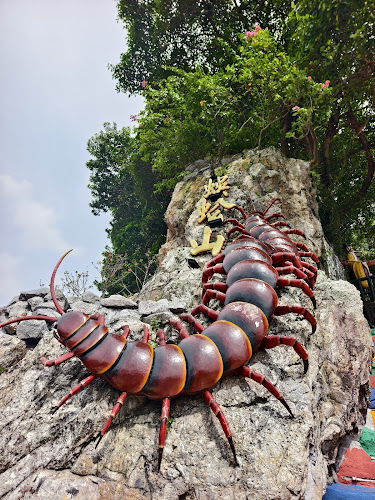
Centipede Temple 蜈蚣山
About Centipede Temple 蜈蚣山
Description
Centipede Temple 蜈蚣山 is one of those places that tends to linger in a traveler’s memory long after the visit is over. It sits on a forested hill that locals casually call Centipede Mountain, and yes, the name can raise an eyebrow or two. But once visitors start climbing the stone steps, curiosity usually replaces hesitation. The temple complex is dedicated to Taoist deities and blends spiritual practice with a very physical experience: walking, climbing, pausing, and looking out over the landscape. It’s not a polished, glossy attraction, and honestly, that’s part of the appeal.
The atmosphere here feels lived-in. Incense smoke drifts lazily through the courtyards, mixing with the earthy smell of trees and damp stone. You’ll hear chanting one moment, laughter the next. And then there are the centipede motifs, appearing in carvings, sculptures, and symbolic artwork. For some visitors, they’re fascinating. For others, mildly unsettling. But that reaction is exactly why this Taoist temple stands out among other religious sites in the region.
This writer once watched a family argue good-naturedly halfway up the stairs about whether centipedes bring protection or bad dreams. By the time they reached the top, they were lighting incense together, debate forgotten. That’s Centipede Temple in a nutshell. It nudges people out of their comfort zones but does so gently, with humor and tradition.
From a traveler’s perspective, Centipede Temple 蜈蚣山 works on several levels. It’s a place of worship, yes. It’s also a tourist attraction that rewards patience and curiosity. Some visitors come for blessings related to health, protection, or fortune. Others come for the views, the exercise, or simply to see something different from the usual checklist sights. Not everyone leaves impressed, and that honesty matters. The steps can be tiring, the facilities are simple, and it’s not designed for rushed sightseeing. But for those willing to slow down, it offers a grounded, memorable experience.
Key Features
- Traditional Taoist temple complex with active worship and daily rituals
- Distinctive centipede symbolism tied to local beliefs of protection and balance
- Hilltop setting with stone staircases and shaded walking paths
- Panoramic viewpoints that reward those who make the climb
- Incense-filled prayer halls that feel authentic rather than staged
- Parking available near the lower entrance, which is a relief for drivers
- Restroom facilities on-site, basic but functional
- Mix of local worshippers and curious travelers, especially on weekends
Best Time to Visit
The best time to visit Centipede Temple 蜈蚣山 depends on what kind of experience a traveler wants. Early mornings are quiet and contemplative. The air feels cooler, birds are louder than people, and the temple seems to breathe more slowly. This is when devotees often arrive, moving with purpose and familiarity. Travelers who enjoy observing local life without feeling intrusive will appreciate this time.
Late afternoons are another solid option. The light softens, shadows stretch across the steps, and the views from higher points become more dramatic. It’s also slightly less humid, which matters more than people admit. Midday, especially in warmer months, can feel relentless. The climb is no joke when the sun is overhead, and shade only helps so much.
Weekends and public holidays bring crowds. Families, tour groups, and curious first-timers fill the paths. There’s energy in that, but also noise and waiting. Some travelers love the buzz, while others quietly vow never to come back on a Saturday again. Seasonal festivals tied to Taoist calendars are fascinating but busy. If a visitor enjoys color, sound, and ritual, these days can be unforgettable. If not, weekday visits are safer.
How to Get There
Getting to Centipede Temple 蜈蚣山 is fairly straightforward, though it helps to plan ahead. Most travelers arrive by car or taxi, especially if they’re short on time or traveling with family. There is parking available near the base, which removes a lot of stress. From there, it’s a matter of walking up the stone steps toward the temple complex.
Public transportation can get visitors close, but not always right to the entrance. Expect a bit of walking, sometimes through residential or semi-rural areas. That walk, while not glamorous, gives a small glimpse into everyday life away from tourist zones. Comfortable shoes make a difference here. And yes, this writer has seen people attempt the climb in slippery fashion sandals. It rarely ends gracefully.
Once on-site, navigation is intuitive. The path leads upward, and signs help guide visitors to main halls and viewpoints. There’s no need for a guide unless someone wants deeper insight into Taoist symbolism. For independent travelers, wandering at their own pace is half the fun.
Tips for Visiting
First tip, and it’s a big one: pace yourself. Centipede Temple 蜈蚣山 is not a race. The stairs wind and climb, sometimes more than expected. Taking breaks isn’t a sign of weakness, it’s common sense. And those pauses often turn into moments of reflection or unexpected conversations.
Dress with respect and practicality in mind. Lightweight clothing helps in warm weather, but shoulders and knees should be covered when entering prayer halls. Shoes with good grip are essential. The stone steps can be uneven and slick after rain. No one wants a sprained ankle as a souvenir.
Bring small change if planning to light incense or make offerings. It’s not required, but it’s part of the experience. Watching locals perform these rituals quietly teaches more about Taoist practice than any signboard ever could. Observing first, then participating respectfully, tends to feel right.
Don’t rush through just to tick a box. One of the lesser-known joys of this place is sitting off to the side, maybe near a less crowded hall, and just listening. Wind in the trees, murmured prayers, distant footsteps. It’s calming in a way that’s hard to manufacture.
And finally, manage expectations. Centipede Temple 蜈蚣山 isn’t polished or curated for social media perfection. Some visitors find it underwhelming, others deeply meaningful. That difference usually comes down to mindset. Travelers who arrive curious, patient, and open-minded tend to leave with stories worth telling. The kind you bring up later, over coffee, saying, you know, that place surprised me.
For travelers seeking a Taoist temple that feels genuine, slightly odd, and refreshingly human, Centipede Temple 蜈蚣山 delivers exactly that. Not flawless. Not flashy. But memorable in a way that sticks, like the image of a centipede winding its way through stone and belief, guarding a hill that’s seen generations come and go.
Key Features
- Traditional Taoist temple complex with active worship and daily rituals
- Distinctive centipede symbolism tied to local beliefs of protection and balance
- Hilltop setting with stone staircases and shaded walking paths
- Panoramic viewpoints that reward those who make the climb
- Incense-filled prayer halls that feel authentic rather than staged
- Parking available near the lower entrance, which is a relief for drivers
- Restroom facilities on-site, basic but functional
- Mix of local worshippers and curious travelers, especially on weekends
More Details
Updated January 1, 2026
Table of Contents
Description
Centipede Temple 蜈蚣山 is one of those places that tends to linger in a traveler’s memory long after the visit is over. It sits on a forested hill that locals casually call Centipede Mountain, and yes, the name can raise an eyebrow or two. But once visitors start climbing the stone steps, curiosity usually replaces hesitation. The temple complex is dedicated to Taoist deities and blends spiritual practice with a very physical experience: walking, climbing, pausing, and looking out over the landscape. It’s not a polished, glossy attraction, and honestly, that’s part of the appeal.
The atmosphere here feels lived-in. Incense smoke drifts lazily through the courtyards, mixing with the earthy smell of trees and damp stone. You’ll hear chanting one moment, laughter the next. And then there are the centipede motifs, appearing in carvings, sculptures, and symbolic artwork. For some visitors, they’re fascinating. For others, mildly unsettling. But that reaction is exactly why this Taoist temple stands out among other religious sites in the region.
This writer once watched a family argue good-naturedly halfway up the stairs about whether centipedes bring protection or bad dreams. By the time they reached the top, they were lighting incense together, debate forgotten. That’s Centipede Temple in a nutshell. It nudges people out of their comfort zones but does so gently, with humor and tradition.
From a traveler’s perspective, Centipede Temple 蜈蚣山 works on several levels. It’s a place of worship, yes. It’s also a tourist attraction that rewards patience and curiosity. Some visitors come for blessings related to health, protection, or fortune. Others come for the views, the exercise, or simply to see something different from the usual checklist sights. Not everyone leaves impressed, and that honesty matters. The steps can be tiring, the facilities are simple, and it’s not designed for rushed sightseeing. But for those willing to slow down, it offers a grounded, memorable experience.
Key Features
- Traditional Taoist temple complex with active worship and daily rituals
- Distinctive centipede symbolism tied to local beliefs of protection and balance
- Hilltop setting with stone staircases and shaded walking paths
- Panoramic viewpoints that reward those who make the climb
- Incense-filled prayer halls that feel authentic rather than staged
- Parking available near the lower entrance, which is a relief for drivers
- Restroom facilities on-site, basic but functional
- Mix of local worshippers and curious travelers, especially on weekends
Best Time to Visit
The best time to visit Centipede Temple 蜈蚣山 depends on what kind of experience a traveler wants. Early mornings are quiet and contemplative. The air feels cooler, birds are louder than people, and the temple seems to breathe more slowly. This is when devotees often arrive, moving with purpose and familiarity. Travelers who enjoy observing local life without feeling intrusive will appreciate this time.
Late afternoons are another solid option. The light softens, shadows stretch across the steps, and the views from higher points become more dramatic. It’s also slightly less humid, which matters more than people admit. Midday, especially in warmer months, can feel relentless. The climb is no joke when the sun is overhead, and shade only helps so much.
Weekends and public holidays bring crowds. Families, tour groups, and curious first-timers fill the paths. There’s energy in that, but also noise and waiting. Some travelers love the buzz, while others quietly vow never to come back on a Saturday again. Seasonal festivals tied to Taoist calendars are fascinating but busy. If a visitor enjoys color, sound, and ritual, these days can be unforgettable. If not, weekday visits are safer.
How to Get There
Getting to Centipede Temple 蜈蚣山 is fairly straightforward, though it helps to plan ahead. Most travelers arrive by car or taxi, especially if they’re short on time or traveling with family. There is parking available near the base, which removes a lot of stress. From there, it’s a matter of walking up the stone steps toward the temple complex.
Public transportation can get visitors close, but not always right to the entrance. Expect a bit of walking, sometimes through residential or semi-rural areas. That walk, while not glamorous, gives a small glimpse into everyday life away from tourist zones. Comfortable shoes make a difference here. And yes, this writer has seen people attempt the climb in slippery fashion sandals. It rarely ends gracefully.
Once on-site, navigation is intuitive. The path leads upward, and signs help guide visitors to main halls and viewpoints. There’s no need for a guide unless someone wants deeper insight into Taoist symbolism. For independent travelers, wandering at their own pace is half the fun.
Tips for Visiting
First tip, and it’s a big one: pace yourself. Centipede Temple 蜈蚣山 is not a race. The stairs wind and climb, sometimes more than expected. Taking breaks isn’t a sign of weakness, it’s common sense. And those pauses often turn into moments of reflection or unexpected conversations.
Dress with respect and practicality in mind. Lightweight clothing helps in warm weather, but shoulders and knees should be covered when entering prayer halls. Shoes with good grip are essential. The stone steps can be uneven and slick after rain. No one wants a sprained ankle as a souvenir.
Bring small change if planning to light incense or make offerings. It’s not required, but it’s part of the experience. Watching locals perform these rituals quietly teaches more about Taoist practice than any signboard ever could. Observing first, then participating respectfully, tends to feel right.
Don’t rush through just to tick a box. One of the lesser-known joys of this place is sitting off to the side, maybe near a less crowded hall, and just listening. Wind in the trees, murmured prayers, distant footsteps. It’s calming in a way that’s hard to manufacture.
And finally, manage expectations. Centipede Temple 蜈蚣山 isn’t polished or curated for social media perfection. Some visitors find it underwhelming, others deeply meaningful. That difference usually comes down to mindset. Travelers who arrive curious, patient, and open-minded tend to leave with stories worth telling. The kind you bring up later, over coffee, saying, you know, that place surprised me.
For travelers seeking a Taoist temple that feels genuine, slightly odd, and refreshingly human, Centipede Temple 蜈蚣山 delivers exactly that. Not flawless. Not flashy. But memorable in a way that sticks, like the image of a centipede winding its way through stone and belief, guarding a hill that’s seen generations come and go.
Key Highlights
- Traditional Taoist temple complex with active worship and daily rituals
- Distinctive centipede symbolism tied to local beliefs of protection and balance
- Hilltop setting with stone staircases and shaded walking paths
- Panoramic viewpoints that reward those who make the climb
- Incense-filled prayer halls that feel authentic rather than staged
- Parking available near the lower entrance, which is a relief for drivers
- Restroom facilities on-site, basic but functional
- Mix of local worshippers and curious travelers, especially on weekends
Location
Places to Stay Near Centipede Temple 蜈蚣山
Find and Book a Tour
Explore More Travel Guides
No reviews found! Be the first to review!
Traveler Reviews for Centipede Temple 蜈蚣山
There are no reviews yet. Be the first one to write one.
Have you visited Centipede Temple 蜈蚣山? Help other travelers by sharing your review.
You Might Also Like

NouraWhiteningC-HQ
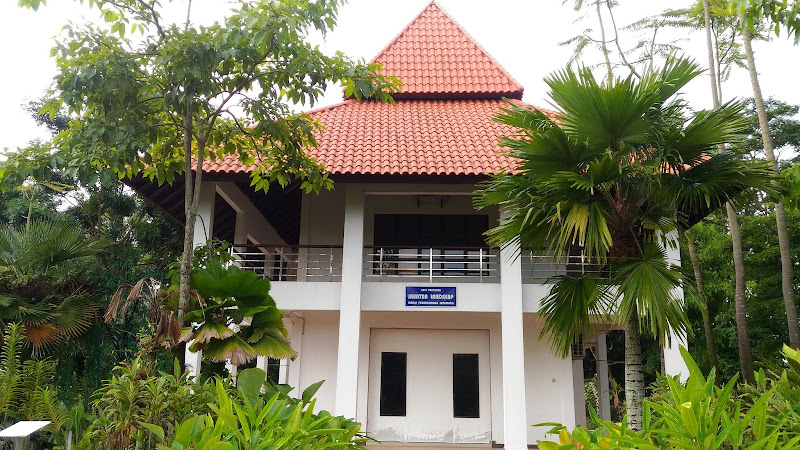
Taman Orkid Seremban

62, Jalan Cempaka 21
Find Accommodations Nearby
Recommended Tours & Activities
Visitor Reviews
There are no reviews yet. Be the first one to write one.
Share Your Experience
Have you visited Centipede Temple 蜈蚣山? Help other travelers by leaving a review.