
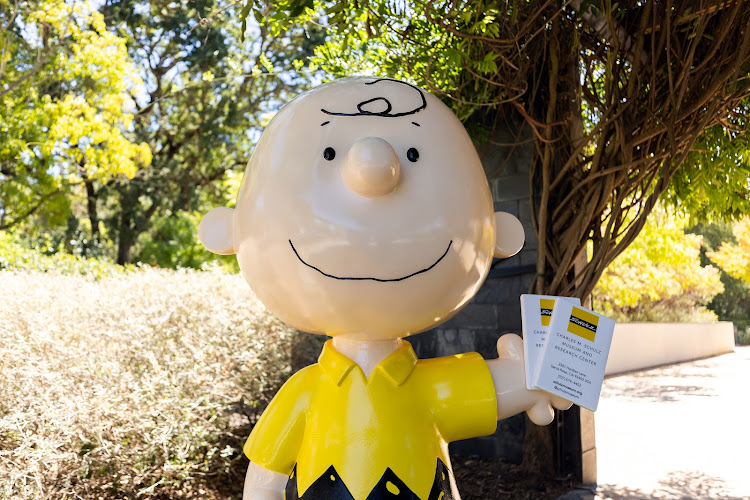
Charles M. Schulz Museum and Research Center
About Charles M. Schulz Museum and Research Center
Description
The Charles M. Schulz Museum and Research Center stands as a heartfelt tribute to one of America's most beloved cartoonists, the creative genius behind the Peanuts comic strip. Located in Santa Rosa, California, this museum offers visitors an intimate look into the life and work of Charles Schulz, whose characters like Charlie Brown, Snoopy, Lucy, and Linus became cultural icons that touched millions of hearts worldwide. What makes this place special isn't just the nostalgia factor—though there's plenty of that—but the genuine passion and care that went into preserving Schulz's legacy. I remember the first time I really understood the depth of Peanuts wasn't as a kid watching the holiday specials, but as an adult realizing how much philosophical weight those simple four-panel comics carried. And that's exactly what this museum captures beautifully. The building itself reflects the spirit of Schulz's work—accessible, warm, and surprisingly profound once you start paying attention to the details. The museum opened in 2002, two years after Schulz's passing, and it's become a pilgrimage site for fans who grew up reading the Sunday funnies or watching "A Charlie Brown Christmas" every December without fail. The facility serves multiple purposes—it's not just a museum displaying artifacts behind glass. It functions as an active research center where scholars and enthusiasts can dive deep into the archives of comic strip history. The combination of educational programming, rotating exhibits, and permanent installations creates an environment where both casual visitors and serious Peanuts devotees find something meaningful. You'll discover original comic strips, personal artifacts, and interactive displays that make the experience engaging for all ages.Key Features
The museum packs quite a punch within its walls, offering diverse experiences that go well beyond what you'd expect from a typical cartoon museum: • The Great Hall features a stunning tile mural made from more than 3,500 Peanuts comic strips—it's absolutely massive and covers two walls, creating this incredible mosaic that you could study for hours trying to spot your favorite strips • Original artwork displays showcase Schulz's actual pen-and-ink drawings, letting you see the craftsmanship and detail up close, including the occasional correction fluid marks that remind you these were created by human hands • A recreation of Schulz's studio gives visitors a peek into his creative workspace, complete with his drawing board and the tools he used daily to bring his characters to life • The theater shows Peanuts television specials and documentaries about Schulz's life, providing a comfortable spot to sit and immerse yourself in animated nostalgia • Rotating exhibitions ensure that repeat visitors always find something new—past exhibits have explored everything from Snoopy's many personas to the influence of Peanuts on contemporary artists • The research center houses an extensive library of comic strip history, original Peanuts strips, photographs, and other archival materials available to researchers by appointment • An outdoor labyrinth designed in the shape of Snoopy's head offers a quirky, meditative experience that kids absolutely love running through • The gift shop—which honestly deserves its own mention—stocks everything from rare collectibles to everyday items featuring the Peanuts gang, and it's dangerously easy to leave with more merchandise than you planned • Interactive drawing stations let visitors try their hand at cartooning, which is humbling when you realize how difficult Schulz made it look • Wheelchair accessibility throughout the entire facility, including wheelchair rentals, makes this genuinely welcoming for visitors with mobility considerations • Active military personnel receive discounted admission, which feels particularly fitting given Schulz's own service and how he incorporated those experiences into his work • Free onsite parking with EV charging stations available (though they tend to be in use, so don't bank on them being available)Best Time to Visit
Timing your visit can make a real difference in your experience. The museum sees steady traffic year-round, but certain periods offer distinct advantages depending on what kind of visit you're looking for. Weekday mornings, particularly Tuesday through Thursday, tend to be the quietest times. You'll have space to linger in front of exhibits without feeling rushed by crowds behind you waiting their turn. I've found that having breathing room in museums makes all the difference—you can actually read the plaques and absorb information instead of just snapping photos and moving along. Summer months bring families with school-aged children, which creates a livelier atmosphere but also means more noise and potential wait times for popular interactive areas. If you're visiting with kids, though, summer can be perfect because the energy is infectious and your children won't feel out of place if they get excited and a bit loud. December holds special significance for Peanuts fans because of the connection to holiday specials. The museum often features special programming around "A Charlie Brown Christmas" themes, and there's something magical about visiting during the season when everyone's feeling a bit more Charlie Brown-ish anyway. But expect this to be one of the busier periods. Spring and fall offer that sweet spot of pleasant weather and moderate crowds. Santa Rosa's climate during these seasons is genuinely lovely—not too hot, not too cold—making it comfortable to explore the outdoor areas and nearby downtown after your museum visit. The museum occasionally hosts special events, author talks, and exhibition openings that can enhance your visit significantly. Checking their event calendar before planning your trip might align you with something particularly interesting. And honestly, even if you hit a busy day, the museum's layout prevents it from ever feeling overwhelmingly crowded.How to Get There
Getting to the Charles M. Schulz Museum is straightforward, though it requires a bit of planning depending on where you're starting from. The museum sits in Santa Rosa, about an hour's drive north of San Francisco in Sonoma County wine country. If you're driving from San Francisco, take Highway 101 North—it's the most direct route and offers some nice scenery once you get past the more congested areas. The drive typically takes around 60-75 minutes without heavy traffic, though rush hour can extend that considerably. There's ample free parking onsite, which is honestly a blessing compared to many Bay Area attractions where parking becomes a expensive headache. From Sacramento, you're looking at roughly a two-hour drive west, mostly along Interstate 80 and then Highway 12. The route takes you through some beautiful agricultural areas, and if you're into that sort of thing, there are farm stands along the way worth stopping at. Public transportation is possible but requires patience and planning. Golden Gate Transit operates bus service from San Francisco to Santa Rosa, and once in Santa Rosa, local transit can get you reasonably close to the museum. However, with the transfers and schedules involved, you're probably adding significant time to your journey. If you don't have a car, ride-sharing services operate in the area and might be your most practical option. The Charles M. Schulz Sonoma County Airport is right there in Santa Rosa—literally right next door to the museum, which is pretty convenient if you're flying in specifically for this. The airport offers limited commercial service, but for those arriving by small plane or charter, you couldn't ask for closer access. For travelers making this part of a larger wine country tour, the museum's location works perfectly as a morning activity before heading to vineyards in the afternoon. Santa Rosa serves as a good base for exploring Sonoma County, and the museum provides a nice balance to wine tasting—especially if you're traveling with people who aren't as enthusiastic about spending all day at wineries.Tips for Visiting
A few practical insights can help you make the most of your time at the museum and avoid common pitfalls I've either experienced myself or watched other visitors encounter. Plan for at least two hours, maybe three if you're a serious fan or visiting with children who want to engage with all the interactive elements. The museum isn't enormous, but there's enough to see that rushing through defeats the purpose. Some visitors breeze through in under an hour, and I always think they're missing the point—this isn't a place to check off a list, it's a place to actually absorb. The cafe onsite is small but decent, serving coffee, light snacks, and sandwiches. It's nothing fancy, but it's convenient if you need a break or if younger kids need refueling. That said, downtown Santa Rosa offers significantly better dining options if you're planning a proper meal, and it's just a short drive away. Photography is allowed in most areas, but flash photography isn't permitted near original artwork—the lighting can damage the aging paper and ink. Most people's phones work fine in the ambient lighting anyway, and honestly, sometimes I think we're better off just looking at things instead of trying to photograph everything. The gift shop deserves a genuine budget allocation. I'm not even kidding about this. If you have any fondness for Peanuts, you'll find items you suddenly need despite not knowing they existed five minutes earlier. Books, collectibles, apparel, home goods—they've got quality merchandise that goes way beyond typical museum gift shop fare. Admission fees are reasonable—kids get discounted rates, and active military personnel receive special pricing. Membership options exist if you're local or planning multiple visits, which can pay for itself quickly. The museum is a nonprofit, so your admission directly supports their preservation and educational work. Check what temporary exhibition is currently running before you visit. The rotating exhibits sometimes focus on niche aspects of Schulz's work or the broader world of comic strips, and knowing what's on display can help you decide if timing matters for your visit. Some exhibitions have been genuinely revelatory in exploring themes or connections I'd never considered. The facility is thoroughly accessible for wheelchair users, with rentals available if needed. They've clearly put thought into making sure everyone can experience everything, which unfortunately isn't always the case at older museums that got retrofitted for accessibility as an afterthought. If you're bringing very young children, the interactive areas and theater will be your best friends. The museum does a nice job balancing adult-oriented content with kid-friendly elements. That said, it's still a museum with quiet expectations in certain areas, so having a strategy for when little ones get antsy helps everyone. Download or grab a museum map when you arrive. The layout is intuitive enough, but knowing where specific elements are located helps you prioritize if you're time-constrained or have particular interests you want to focus on. Wi-Fi is available throughout the facility, which is handy for looking up references or sharing your visit in real-time if that's your thing. But honestly? Consider disconnecting a bit and just being present with Schulz's work. There's something about giving these comics your full attention that makes them land differently than when you're distracted. The research center requires advance arrangement if you want access, so don't just show up expecting to dive into archives. But if you're a serious researcher or writer working on something related to comics history, the staff are knowledgeable and genuinely helpful in supporting scholarly work. Lastly, allow some time after your museum visit to explore Santa Rosa itself. The downtown area has character, good restaurants, and that small-city California vibe that's increasingly rare. Schulz lived and worked in this community for decades, and understanding the place helps you understand the man and his work a bit better.Key Features
- Largest public collection of original Peanuts artwork and original comic strips
- Rotating temporary exhibitions that explore Schulz’s life, themes, and influences
- Research Center and library resources for scholars and historians
- Family-friendly galleries and interactive elements celebrating Snoopy and the Peanuts gang
- Museum shop with unique Peanuts merchandise and books
More Details
Updated January 5, 2026
Table of Contents
- Description
- Key Features
- Best Time to Visit
- How to Get There
- Tips for Visiting
- Key Highlights
- Location
- Places to Stay Near Charles M. Schulz Museum and Research Center
- Find and Book a Tour
- Explore More Travel Guides
- Nearby Places You Might Like
- Traveler Reviews for Charles M. Schulz Museum and Research Center
- Share Your Experience
Description
The Charles M. Schulz Museum and Research Center stands as a heartfelt tribute to one of America’s most beloved cartoonists, the creative genius behind the Peanuts comic strip. Located in Santa Rosa, California, this museum offers visitors an intimate look into the life and work of Charles Schulz, whose characters like Charlie Brown, Snoopy, Lucy, and Linus became cultural icons that touched millions of hearts worldwide. What makes this place special isn’t just the nostalgia factor—though there’s plenty of that—but the genuine passion and care that went into preserving Schulz’s legacy.
I remember the first time I really understood the depth of Peanuts wasn’t as a kid watching the holiday specials, but as an adult realizing how much philosophical weight those simple four-panel comics carried. And that’s exactly what this museum captures beautifully. The building itself reflects the spirit of Schulz’s work—accessible, warm, and surprisingly profound once you start paying attention to the details. The museum opened in 2002, two years after Schulz’s passing, and it’s become a pilgrimage site for fans who grew up reading the Sunday funnies or watching “A Charlie Brown Christmas” every December without fail.
The facility serves multiple purposes—it’s not just a museum displaying artifacts behind glass. It functions as an active research center where scholars and enthusiasts can dive deep into the archives of comic strip history. The combination of educational programming, rotating exhibits, and permanent installations creates an environment where both casual visitors and serious Peanuts devotees find something meaningful. You’ll discover original comic strips, personal artifacts, and interactive displays that make the experience engaging for all ages.
Key Features
The museum packs quite a punch within its walls, offering diverse experiences that go well beyond what you’d expect from a typical cartoon museum:
• The Great Hall features a stunning tile mural made from more than 3,500 Peanuts comic strips—it’s absolutely massive and covers two walls, creating this incredible mosaic that you could study for hours trying to spot your favorite strips
• Original artwork displays showcase Schulz’s actual pen-and-ink drawings, letting you see the craftsmanship and detail up close, including the occasional correction fluid marks that remind you these were created by human hands
• A recreation of Schulz’s studio gives visitors a peek into his creative workspace, complete with his drawing board and the tools he used daily to bring his characters to life
• The theater shows Peanuts television specials and documentaries about Schulz’s life, providing a comfortable spot to sit and immerse yourself in animated nostalgia
• Rotating exhibitions ensure that repeat visitors always find something new—past exhibits have explored everything from Snoopy’s many personas to the influence of Peanuts on contemporary artists
• The research center houses an extensive library of comic strip history, original Peanuts strips, photographs, and other archival materials available to researchers by appointment
• An outdoor labyrinth designed in the shape of Snoopy’s head offers a quirky, meditative experience that kids absolutely love running through
• The gift shop—which honestly deserves its own mention—stocks everything from rare collectibles to everyday items featuring the Peanuts gang, and it’s dangerously easy to leave with more merchandise than you planned
• Interactive drawing stations let visitors try their hand at cartooning, which is humbling when you realize how difficult Schulz made it look
• Wheelchair accessibility throughout the entire facility, including wheelchair rentals, makes this genuinely welcoming for visitors with mobility considerations
• Active military personnel receive discounted admission, which feels particularly fitting given Schulz’s own service and how he incorporated those experiences into his work
• Free onsite parking with EV charging stations available (though they tend to be in use, so don’t bank on them being available)
Best Time to Visit
Timing your visit can make a real difference in your experience. The museum sees steady traffic year-round, but certain periods offer distinct advantages depending on what kind of visit you’re looking for.
Weekday mornings, particularly Tuesday through Thursday, tend to be the quietest times. You’ll have space to linger in front of exhibits without feeling rushed by crowds behind you waiting their turn. I’ve found that having breathing room in museums makes all the difference—you can actually read the plaques and absorb information instead of just snapping photos and moving along.
Summer months bring families with school-aged children, which creates a livelier atmosphere but also means more noise and potential wait times for popular interactive areas. If you’re visiting with kids, though, summer can be perfect because the energy is infectious and your children won’t feel out of place if they get excited and a bit loud.
December holds special significance for Peanuts fans because of the connection to holiday specials. The museum often features special programming around “A Charlie Brown Christmas” themes, and there’s something magical about visiting during the season when everyone’s feeling a bit more Charlie Brown-ish anyway. But expect this to be one of the busier periods.
Spring and fall offer that sweet spot of pleasant weather and moderate crowds. Santa Rosa’s climate during these seasons is genuinely lovely—not too hot, not too cold—making it comfortable to explore the outdoor areas and nearby downtown after your museum visit.
The museum occasionally hosts special events, author talks, and exhibition openings that can enhance your visit significantly. Checking their event calendar before planning your trip might align you with something particularly interesting. And honestly, even if you hit a busy day, the museum’s layout prevents it from ever feeling overwhelmingly crowded.
How to Get There
Getting to the Charles M. Schulz Museum is straightforward, though it requires a bit of planning depending on where you’re starting from. The museum sits in Santa Rosa, about an hour’s drive north of San Francisco in Sonoma County wine country.
If you’re driving from San Francisco, take Highway 101 North—it’s the most direct route and offers some nice scenery once you get past the more congested areas. The drive typically takes around 60-75 minutes without heavy traffic, though rush hour can extend that considerably. There’s ample free parking onsite, which is honestly a blessing compared to many Bay Area attractions where parking becomes a expensive headache.
From Sacramento, you’re looking at roughly a two-hour drive west, mostly along Interstate 80 and then Highway 12. The route takes you through some beautiful agricultural areas, and if you’re into that sort of thing, there are farm stands along the way worth stopping at.
Public transportation is possible but requires patience and planning. Golden Gate Transit operates bus service from San Francisco to Santa Rosa, and once in Santa Rosa, local transit can get you reasonably close to the museum. However, with the transfers and schedules involved, you’re probably adding significant time to your journey. If you don’t have a car, ride-sharing services operate in the area and might be your most practical option.
The Charles M. Schulz Sonoma County Airport is right there in Santa Rosa—literally right next door to the museum, which is pretty convenient if you’re flying in specifically for this. The airport offers limited commercial service, but for those arriving by small plane or charter, you couldn’t ask for closer access.
For travelers making this part of a larger wine country tour, the museum’s location works perfectly as a morning activity before heading to vineyards in the afternoon. Santa Rosa serves as a good base for exploring Sonoma County, and the museum provides a nice balance to wine tasting—especially if you’re traveling with people who aren’t as enthusiastic about spending all day at wineries.
Tips for Visiting
A few practical insights can help you make the most of your time at the museum and avoid common pitfalls I’ve either experienced myself or watched other visitors encounter.
Plan for at least two hours, maybe three if you’re a serious fan or visiting with children who want to engage with all the interactive elements. The museum isn’t enormous, but there’s enough to see that rushing through defeats the purpose. Some visitors breeze through in under an hour, and I always think they’re missing the point—this isn’t a place to check off a list, it’s a place to actually absorb.
The cafe onsite is small but decent, serving coffee, light snacks, and sandwiches. It’s nothing fancy, but it’s convenient if you need a break or if younger kids need refueling. That said, downtown Santa Rosa offers significantly better dining options if you’re planning a proper meal, and it’s just a short drive away.
Photography is allowed in most areas, but flash photography isn’t permitted near original artwork—the lighting can damage the aging paper and ink. Most people’s phones work fine in the ambient lighting anyway, and honestly, sometimes I think we’re better off just looking at things instead of trying to photograph everything.
The gift shop deserves a genuine budget allocation. I’m not even kidding about this. If you have any fondness for Peanuts, you’ll find items you suddenly need despite not knowing they existed five minutes earlier. Books, collectibles, apparel, home goods—they’ve got quality merchandise that goes way beyond typical museum gift shop fare.
Admission fees are reasonable—kids get discounted rates, and active military personnel receive special pricing. Membership options exist if you’re local or planning multiple visits, which can pay for itself quickly. The museum is a nonprofit, so your admission directly supports their preservation and educational work.
Check what temporary exhibition is currently running before you visit. The rotating exhibits sometimes focus on niche aspects of Schulz’s work or the broader world of comic strips, and knowing what’s on display can help you decide if timing matters for your visit. Some exhibitions have been genuinely revelatory in exploring themes or connections I’d never considered.
The facility is thoroughly accessible for wheelchair users, with rentals available if needed. They’ve clearly put thought into making sure everyone can experience everything, which unfortunately isn’t always the case at older museums that got retrofitted for accessibility as an afterthought.
If you’re bringing very young children, the interactive areas and theater will be your best friends. The museum does a nice job balancing adult-oriented content with kid-friendly elements. That said, it’s still a museum with quiet expectations in certain areas, so having a strategy for when little ones get antsy helps everyone.
Download or grab a museum map when you arrive. The layout is intuitive enough, but knowing where specific elements are located helps you prioritize if you’re time-constrained or have particular interests you want to focus on.
Wi-Fi is available throughout the facility, which is handy for looking up references or sharing your visit in real-time if that’s your thing. But honestly? Consider disconnecting a bit and just being present with Schulz’s work. There’s something about giving these comics your full attention that makes them land differently than when you’re distracted.
The research center requires advance arrangement if you want access, so don’t just show up expecting to dive into archives. But if you’re a serious researcher or writer working on something related to comics history, the staff are knowledgeable and genuinely helpful in supporting scholarly work.
Lastly, allow some time after your museum visit to explore Santa Rosa itself. The downtown area has character, good restaurants, and that small-city California vibe that’s increasingly rare. Schulz lived and worked in this community for decades, and understanding the place helps you understand the man and his work a bit better.
Key Highlights
- Largest public collection of original Peanuts artwork and original comic strips
- Rotating temporary exhibitions that explore Schulz’s life, themes, and influences
- Research Center and library resources for scholars and historians
- Family-friendly galleries and interactive elements celebrating Snoopy and the Peanuts gang
- Museum shop with unique Peanuts merchandise and books
Location
Places to Stay Near Charles M. Schulz Museum and Research Center
Find and Book a Tour
Explore More Travel Guides
No reviews found! Be the first to review!
Traveler Reviews for Charles M. Schulz Museum and Research Center
There are no reviews yet. Be the first one to write one.
Have you visited Charles M. Schulz Museum and Research Center? Help other travelers by sharing your review.
Nearby Attractions
You Might Also Like

Railroad Square Historic District
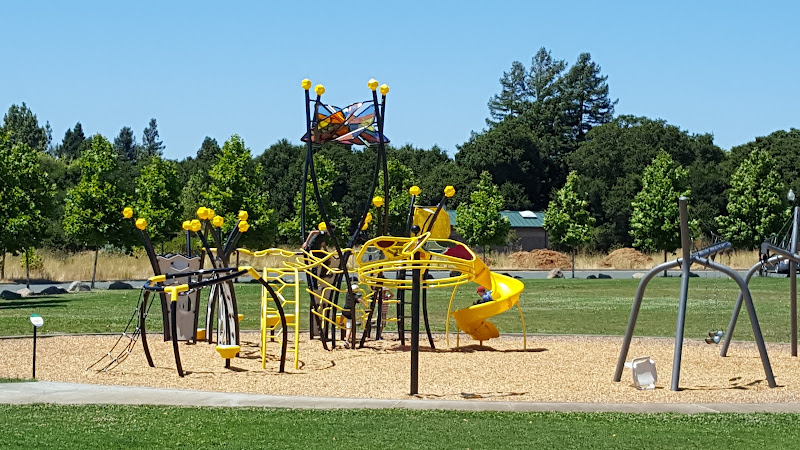
A Place to Play

Laguna de Santa Rosa Trail
Find Accommodations Nearby
Recommended Tours & Activities
Visitor Reviews
There are no reviews yet. Be the first one to write one.
Share Your Experience
Have you visited Charles M. Schulz Museum and Research Center? Help other travelers by leaving a review.