
Laguna de Santa Rosa Trail
About Laguna de Santa Rosa Trail
Description
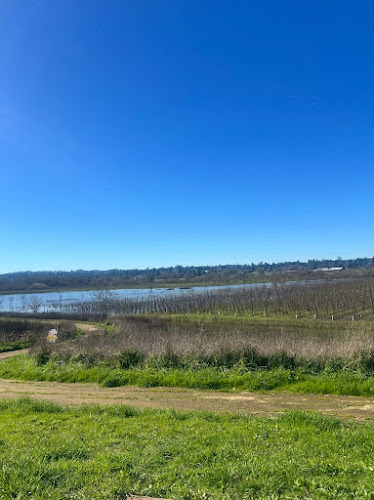
The Laguna de Santa Rosa Trail is one of those places that quietly earns your respect the longer you walk it. It’s a hiking and walking trail that cuts through wide-open wetlands, with long views of vineyards and low hills that feel very Sonoma County without trying too hard. No dramatic cliffs, no thigh-burning climbs. And honestly, that’s the point. This trail invites you to slow down, breathe, and notice stuff most people rush past—ripples in the water, hawks circling overhead, the smell of damp earth after a rainy week.
The path itself is mostly flat and forgiving, which makes it approachable if you’re not in the mood to suffer for your scenery. The terrain ranges from compact dirt to gravel, wide enough in many spots for side-by-side walking, jogging, or even an equestrian pass-through. And yes, you’ll likely share the space with runners, birders with binoculars, families with kids on bikes, and the occasional dog who’s having the absolute best day of its life.
I remember my first visit pretty clearly because I went in with low expectations. Wetlands didn’t sound thrilling on paper. But about ten minutes in, a great blue heron lifted off from the water not twenty feet away, wings flapping like something prehistoric. I stopped mid-step and just watched. That kind of moment happens here more often than you’d think. And it’s why people keep coming back, even if they don’t always rave about it in dramatic terms.
The Laguna de Santa Rosa Trail is also refreshingly accessible. Wheelchair users and families with strollers can navigate significant portions without frustration. That’s not something every nature trail can claim, and it matters. There’s a sense that this place is meant to be used by real people, not just hardcore hikers chasing elevation gains.
And while the trail is peaceful, it’s not remote. Vineyard rows stretch out in the distance, reminding you that wine country is never far away. You’re walking through a working landscape, one shaped by water management, agriculture, and wildlife conservation. It feels honest. A little muddy sometimes. A little breezy. But honest.
Key Features
- Wide, mostly flat loop trail suitable for walking, jogging, and casual hiking
- Scenic wetlands with seasonal water levels and reflective views
- Frequent birdwatching opportunities, especially for herons, egrets, and hawks
- Vineyard views that change color with the seasons
- Wheelchair-accessible entrance and parking areas
- Public restrooms and picnic tables for longer visits
- Dog-friendly policy, with dogs allowed on the trail
- Kid-friendly paths that don’t feel overwhelming or unsafe
- Equestrian access, so expect the occasional horse encounter
Best Time to Visit
If you ask ten locals when to visit the Laguna de Santa Rosa Trail, you’ll probably get ten different answers. But here’s the honest take. Late fall through spring is when the wetlands really come alive. After winter rains, the water spreads out, birds migrate through, and everything looks a little more dramatic. The air smells cleaner, too. Cooler mornings make walking easier, and fog sometimes rolls in like it’s showing off.
Spring is a personal favorite. Wildflowers pop up along the edges, and the vineyards start turning that electric green that makes you want to take too many photos. Bird activity peaks around this time, and if you’re even mildly curious about wildlife, bring binoculars. You’ll thank yourself later.
Summer isn’t a deal-breaker, but it has its quirks. The trail can get dry and dusty, and midday heat can sneak up on you. Go early or closer to sunset if you’re visiting in July or August. The upside? Longer daylight hours and fewer muddy patches. And sunsets here can be unexpectedly gorgeous, with the sky reflecting off shallow water in soft pinks and golds.
Winter has its own mood. Some sections may be soggy, and you’ll want waterproof shoes. But there’s something peaceful about walking the trail when it’s quiet and gray, with fewer people around. Just be prepared for puddles. Lots of them.
How to Get There
Getting to the Laguna de Santa Rosa Trail is refreshingly straightforward, especially if you’re already exploring Sonoma County. It sits close enough to town that you don’t feel like you’re heading into the middle of nowhere, but far enough out to feel removed from traffic and noise once you arrive.
Most travelers reach the trail by car, and parking is generally manageable, even on weekends. The parking areas are designed with accessibility in mind, which is something I noticed right away. No awkward gravel drop-offs or mystery ramps. Just a clear path from car to trail.
If you’re staying nearby, biking to the trail is also an option, though you’ll want to be comfortable riding alongside local roads for short stretches. Public transportation can get you part of the way, but expect to walk a bit at the end. Honestly, that final walk sort of sets the tone for the visit, easing you out of town mode and into trail mode.
And a small tip from experience: don’t rely solely on cell service for directions once you’re close. It’s usually fine, but it can get spotty. Download your map ahead of time and save yourself the mild panic of thinking you missed a turn.
Tips for Visiting
First things first: wear shoes you don’t mind getting dirty. This is a wetland trail, not a manicured park path. Even in dry months, there can be soft spots. I learned that the hard way with a pair of white sneakers I loved a little too much.
If you’re bringing your dog, keep a leash handy and be aware of wildlife. Dogs are allowed, which is fantastic, but this is also home to birds and small animals that don’t appreciate being chased. Early mornings tend to be calmer if your dog gets overstimulated easily.
Bring water, even though the trail isn’t strenuous. The flatness can trick you into walking farther than planned. There are picnic tables, so packing a simple lunch or snacks turns a walk into a half-day outing without much effort.
Parents, this is a solid spot for kids who like to explore without constant “don’t touch that” warnings. The paths are wide, visibility is good, and there’s enough going on to keep young minds engaged. Just keep an eye near water edges, especially after rain.
For birdwatchers, mornings and late afternoons are gold. Light angles are better, birds are more active, and the trail feels quieter. Even if you’re not hardcore about it, spotting a heron or a hawk mid-hike adds a little thrill.
One thing people don’t always expect is the wind. Open wetlands mean open skies, and breezes can roll through without warning. A light jacket, even on warmer days, isn’t a bad idea. I’ve regretted not bringing one more than once.
And finally, give yourself permission to not rush. This isn’t a trail you conquer. It’s one you absorb. Walk slower. Stop often. Let the place do its thing. The Laguna de Santa Rosa Trail rewards patience, curiosity, and a willingness to just be there. If you let it, it’ll stick with you longer than you expect.
Key Features
- Wide, mostly flat loop trail suitable for walking, jogging, and casual hiking
- Scenic wetlands with seasonal water levels and reflective views
- Frequent birdwatching opportunities, especially for herons, egrets, and hawks
- Vineyard views that change color with the seasons
- Wheelchair-accessible entrance and parking areas
- Public restrooms and picnic tables for longer visits
- Dog-friendly policy, with dogs allowed on the trail
- Kid-friendly paths that don’t feel overwhelming or unsafe
More Details
Updated January 1, 2026
Table of Contents
Description
The Laguna de Santa Rosa Trail is one of those places that quietly earns your respect the longer you walk it. It’s a hiking and walking trail that cuts through wide-open wetlands, with long views of vineyards and low hills that feel very Sonoma County without trying too hard. No dramatic cliffs, no thigh-burning climbs. And honestly, that’s the point. This trail invites you to slow down, breathe, and notice stuff most people rush past—ripples in the water, hawks circling overhead, the smell of damp earth after a rainy week.
The path itself is mostly flat and forgiving, which makes it approachable if you’re not in the mood to suffer for your scenery. The terrain ranges from compact dirt to gravel, wide enough in many spots for side-by-side walking, jogging, or even an equestrian pass-through. And yes, you’ll likely share the space with runners, birders with binoculars, families with kids on bikes, and the occasional dog who’s having the absolute best day of its life.
I remember my first visit pretty clearly because I went in with low expectations. Wetlands didn’t sound thrilling on paper. But about ten minutes in, a great blue heron lifted off from the water not twenty feet away, wings flapping like something prehistoric. I stopped mid-step and just watched. That kind of moment happens here more often than you’d think. And it’s why people keep coming back, even if they don’t always rave about it in dramatic terms.
The Laguna de Santa Rosa Trail is also refreshingly accessible. Wheelchair users and families with strollers can navigate significant portions without frustration. That’s not something every nature trail can claim, and it matters. There’s a sense that this place is meant to be used by real people, not just hardcore hikers chasing elevation gains.
And while the trail is peaceful, it’s not remote. Vineyard rows stretch out in the distance, reminding you that wine country is never far away. You’re walking through a working landscape, one shaped by water management, agriculture, and wildlife conservation. It feels honest. A little muddy sometimes. A little breezy. But honest.
Key Features
- Wide, mostly flat loop trail suitable for walking, jogging, and casual hiking
- Scenic wetlands with seasonal water levels and reflective views
- Frequent birdwatching opportunities, especially for herons, egrets, and hawks
- Vineyard views that change color with the seasons
- Wheelchair-accessible entrance and parking areas
- Public restrooms and picnic tables for longer visits
- Dog-friendly policy, with dogs allowed on the trail
- Kid-friendly paths that don’t feel overwhelming or unsafe
- Equestrian access, so expect the occasional horse encounter
Best Time to Visit
If you ask ten locals when to visit the Laguna de Santa Rosa Trail, you’ll probably get ten different answers. But here’s the honest take. Late fall through spring is when the wetlands really come alive. After winter rains, the water spreads out, birds migrate through, and everything looks a little more dramatic. The air smells cleaner, too. Cooler mornings make walking easier, and fog sometimes rolls in like it’s showing off.
Spring is a personal favorite. Wildflowers pop up along the edges, and the vineyards start turning that electric green that makes you want to take too many photos. Bird activity peaks around this time, and if you’re even mildly curious about wildlife, bring binoculars. You’ll thank yourself later.
Summer isn’t a deal-breaker, but it has its quirks. The trail can get dry and dusty, and midday heat can sneak up on you. Go early or closer to sunset if you’re visiting in July or August. The upside? Longer daylight hours and fewer muddy patches. And sunsets here can be unexpectedly gorgeous, with the sky reflecting off shallow water in soft pinks and golds.
Winter has its own mood. Some sections may be soggy, and you’ll want waterproof shoes. But there’s something peaceful about walking the trail when it’s quiet and gray, with fewer people around. Just be prepared for puddles. Lots of them.
How to Get There
Getting to the Laguna de Santa Rosa Trail is refreshingly straightforward, especially if you’re already exploring Sonoma County. It sits close enough to town that you don’t feel like you’re heading into the middle of nowhere, but far enough out to feel removed from traffic and noise once you arrive.
Most travelers reach the trail by car, and parking is generally manageable, even on weekends. The parking areas are designed with accessibility in mind, which is something I noticed right away. No awkward gravel drop-offs or mystery ramps. Just a clear path from car to trail.
If you’re staying nearby, biking to the trail is also an option, though you’ll want to be comfortable riding alongside local roads for short stretches. Public transportation can get you part of the way, but expect to walk a bit at the end. Honestly, that final walk sort of sets the tone for the visit, easing you out of town mode and into trail mode.
And a small tip from experience: don’t rely solely on cell service for directions once you’re close. It’s usually fine, but it can get spotty. Download your map ahead of time and save yourself the mild panic of thinking you missed a turn.
Tips for Visiting
First things first: wear shoes you don’t mind getting dirty. This is a wetland trail, not a manicured park path. Even in dry months, there can be soft spots. I learned that the hard way with a pair of white sneakers I loved a little too much.
If you’re bringing your dog, keep a leash handy and be aware of wildlife. Dogs are allowed, which is fantastic, but this is also home to birds and small animals that don’t appreciate being chased. Early mornings tend to be calmer if your dog gets overstimulated easily.
Bring water, even though the trail isn’t strenuous. The flatness can trick you into walking farther than planned. There are picnic tables, so packing a simple lunch or snacks turns a walk into a half-day outing without much effort.
Parents, this is a solid spot for kids who like to explore without constant “don’t touch that” warnings. The paths are wide, visibility is good, and there’s enough going on to keep young minds engaged. Just keep an eye near water edges, especially after rain.
For birdwatchers, mornings and late afternoons are gold. Light angles are better, birds are more active, and the trail feels quieter. Even if you’re not hardcore about it, spotting a heron or a hawk mid-hike adds a little thrill.
One thing people don’t always expect is the wind. Open wetlands mean open skies, and breezes can roll through without warning. A light jacket, even on warmer days, isn’t a bad idea. I’ve regretted not bringing one more than once.
And finally, give yourself permission to not rush. This isn’t a trail you conquer. It’s one you absorb. Walk slower. Stop often. Let the place do its thing. The Laguna de Santa Rosa Trail rewards patience, curiosity, and a willingness to just be there. If you let it, it’ll stick with you longer than you expect.
Key Highlights
- Wide, mostly flat loop trail suitable for walking, jogging, and casual hiking
- Scenic wetlands with seasonal water levels and reflective views
- Frequent birdwatching opportunities, especially for herons, egrets, and hawks
- Vineyard views that change color with the seasons
- Wheelchair-accessible entrance and parking areas
- Public restrooms and picnic tables for longer visits
- Dog-friendly policy, with dogs allowed on the trail
- Kid-friendly paths that don’t feel overwhelming or unsafe
Location
Places to Stay Near Laguna de Santa Rosa Trail
Find and Book a Tour
Explore More Travel Guides
No reviews found! Be the first to review!
Traveler Reviews for Laguna de Santa Rosa Trail
There are no reviews yet. Be the first one to write one.
Have you visited Laguna de Santa Rosa Trail? Help other travelers by sharing your review.
You Might Also Like

Sunce Winery

Fremont Park

Santa Rosa Junior College Multicultural Museum
Find Accommodations Nearby
Recommended Tours & Activities
Visitor Reviews
There are no reviews yet. Be the first one to write one.
Share Your Experience
Have you visited Laguna de Santa Rosa Trail? Help other travelers by leaving a review.