

Historic Bethabara
About Historic Bethabara
Description
Historic Bethabara represents one of those rare finds that somehow manages to slip under the radar of mainstream tourism, and honestly, that's part of its charm. This place sits as the oldest documented town in North Carolina—a distinction that carries real weight when you're standing on ground where Moravian settlers first put down roots back in 1753. Unlike the polished, sometimes sterile historic sites you might encounter elsewhere, Bethabara feels genuine and lived-in, even after all these centuries. Walking through these grounds gives visitors a tangible connection to colonial America that's hard to find anywhere else. The site spans a considerable area where those early Moravian pioneers established their community, complete with reconstructed buildings, archaeological sites, and nature trails that wind through the very landscape these settlers transformed. What makes Bethabara particularly special is how it seamlessly blends historical preservation with natural beauty—you're not just looking at old buildings behind velvet ropes, but actually experiencing an environment that tells multiple stories at once. The Moravians who settled here weren't your typical colonial folks. They brought sophisticated European traditions, advanced agricultural knowledge, and a strong sense of community organization that helped them thrive in what was then frontier territory. Their story at Bethabara includes serving as a vital waypoint and trading center before they moved their main settlement to what's now Old Salem. But instead of abandoning Bethabara completely, they maintained it as an agricultural hub, which means the site evolved rather than froze in time. Today's visitors find themselves surrounded by reconstructed palisade walls that once protected the settlement, the 1788 church that still stands as a testament to Moravian craftsmanship, and gardens that showcase the horticulture practices these settlers mastered. The archaeological work done here has been extensive—this isn't speculation or guesswork, but carefully documented history pulled from the ground itself.Key Features
Historic Bethabara offers travelers a surprisingly diverse array of experiences that go well beyond simply viewing old buildings. Here's what makes this destination worth your time:- The 1788 Gemeinhaus - This original structure serves as the centerpiece of the historic area and remains one of the oldest buildings in the region. The construction quality is remarkable, showing why Moravian craftsmanship earned such high regard throughout colonial America.
- Reconstructed Palisade Fort - During the French and Indian War, Bethabara became a refuge for settlers throughout the region. The reconstructed fort gives you a real sense of how communities protected themselves during that turbulent period. It's not Hollywood fancy, which actually makes it more interesting.
- God's Acre Cemetery - This Moravian burial ground follows the traditional flat-stone marker style that reflects their belief in equality, even in death. The peaceful atmosphere here carries genuine spiritual weight regardless of your personal beliefs.
- Archaeological Sites - Several dig sites remain visible, showing where researchers uncovered foundations, artifacts, and evidence of daily life from the 1750s onward. For history buffs, this adds layers of authenticity you won't find at more commercialized locations.
- Colonial Gardens - The medicinal and culinary gardens have been reconstructed based on historical records and archaeological evidence. Watching these heritage plants grow in their original context connects you to the practical challenges and solutions of colonial life.
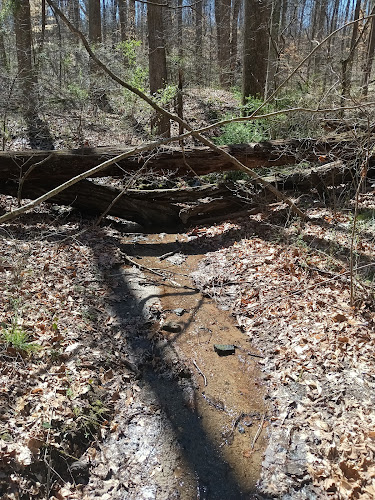
- Nature Trails - Several miles of paths wind through wetlands and forests that remain remarkably similar to what those first settlers encountered. The wildlife viewing opportunities are genuinely good here, especially for birds.
- Visitor Center and Museum - While I typically find museum exhibits hit-or-miss, the displays here do an excellent job explaining Moravian culture without dumbing things down or glossing over complexities.
- Educational Programs - Throughout the year, living history demonstrations and hands-on workshops bring various aspects of 18th-century life into focus. These aren't cheesy performances but thoughtful interpretations based on historical documentation.
Best Time to Visit
Timing your visit to Historic Bethabara can significantly impact your experience, though honestly, each season brings something worthwhile to the table. Spring, particularly from mid-April through May, probably edges out other seasons for most travelers. The gardens burst into life during this period, and the temperature sits in that sweet spot where you can comfortably walk the trails without melting or freezing. The wildflowers throughout the natural areas create photo opportunities that you just can't replicate at other times. Fall runs a close second, especially from late September through October. The foliage in this part of North Carolina puts on a respectable show, and the crowds thin out considerably compared to peak summer months. There's something about experiencing a historic site when you're not constantly dodging tour groups—you can actually hear yourself think and absorb the atmosphere. The cooler weather also makes the longer trail walks much more pleasant. Summer brings its own advantages despite the heat and humidity that North Carolina is known for. Many of the special events and living history programs run during summer months, particularly on weekends. If you've got kids in tow, summer visits often coincide with hands-on activities specifically designed for younger visitors. Just bring water, wear appropriate sun protection, and plan to start your visit early in the morning before temperatures peak. Winter might seem like an odd choice, but hear me out. The site takes on a stark, almost haunting quality when the leaves are down and you can see the bones of the landscape more clearly. The structures stand out against bare trees, and you'll likely have large portions of the grounds to yourself. Some buildings may have limited hours during winter months, but the trade-off in atmosphere can be worth it for contemplative visitors. Just check ahead to confirm what's open. Weekdays generally offer a more relaxed experience than weekends regardless of season. And if you can visit during one of their special event days—which they announce through their calendar—you'll catch demonstrations and activities that aren't available during regular hours.How to Get There
Getting yourself to Historic Bethabara is refreshingly straightforward compared to some historic sites that seem deliberately hidden away. The location in Winston-Salem, North Carolina puts it within reasonable reach for anyone traveling through the Piedmont region or along the I-40 corridor. The site sits in a residential area that might surprise first-time visitors—this isn't way out in the middle of nowhere but rather tucked into a developed part of the city that somehow maintains a sense of separation. For those driving, which honestly is how most people arrive, you'll find the site accessible from major highways without too much urban navigation headache. From I-40, you're looking at roughly a 15-minute drive depending on traffic and which exit you take. GPS systems and phone navigation apps handle the directions competently, though it's worth noting that once you get close, you're watching for signage that's informative but not exactly billboard-sized. Parking is available on-site and here's where the accessibility information becomes particularly relevant—there's designated wheelchair accessible parking right near the main buildings. The lot isn't enormous, but except during major events, finding a spot typically isn't a problem. During special programs or peak visiting days, you might need to park along the nearby streets, which the locals seem accustomed to and generally accommodate well. If you're staying in Winston-Salem proper, the site sits about 20 minutes from the downtown hotels depending on traffic patterns. Old Salem, another popular historic attraction in the area, is maybe a 15-minute drive away, which makes combining both sites into a single day trip feasible if you've got the stamina, though each really deserves its own time. For travelers relying on public transportation, the options become more limited as is often the case with historic sites in smaller cities. Winston-Salem does have a bus system, but you'll need to research routes carefully and expect some walking. Ride-sharing services like Uber and Lyft operate in Winston-Salem, making them practical alternatives if you're staying nearby without a car. The closest major airport is Piedmont Triad International, about 30 minutes away by car. Charlotte Douglas International, a larger hub with more flight options, sits roughly 90 minutes to the south. If you're planning a broader tour of North Carolina's historic sites, Bethabara makes a logical stopping point between the mountains to the west and the coast to the east.Tips for Visiting
Making the most of your time at Historic Bethabara requires just a bit of planning, though this isn't one of those destinations where you need military-level logistics. First thing—and I can't stress this enough—wear appropriate footwear. The trails range from paved paths near the main buildings to earthen tracks through wetland areas that can get muddy after rain. Those cute sandals or brand-new dress shoes you brought? Leave them in the car. You'll be doing yourself a favor with comfortable, closed-toe shoes that you don't mind getting a little dirty. The site's dog-friendly policy is great news for travelers who like bringing their furry companions along, but please be reasonable about it. Keep them leashed, bring waste bags, and consider whether your particular dog has the temperament for a historic site where they can't sniff every single artifact. Some of the interior spaces may not allow pets even though the grounds do, so you'll want to check specific building policies before assuming. Speaking of the grounds, download or grab a physical map when you arrive. The layout isn't confusing exactly, but the property covers more area than you might initially realize, and some of the most interesting features aren't immediately visible from the main buildings. I've watched plenty of visitors spend all their time near the parking area and miss the reconstructed fort and some of the better trail sections simply because they didn't realize how much more there was to explore. Timing-wise, plan for at least two to three hours if you want to see the major features without rushing. If you're the type who likes to read every interpretive sign and really soak in the atmosphere—and honestly, that's the best way to experience historic sites—give yourself closer to four hours. The trails alone can easily consume an hour if you take your time and pay attention to the natural environment. Photography is allowed and encouraged throughout the site, which is wonderful because the grounds offer fantastic opportunities for everything from architectural shots to nature photography. The lighting can be particularly good in early morning or late afternoon, giving that golden quality that makes historic buildings look even more atmospheric. But please be respectful during any ceremonies or special events—there are moments when putting the camera down is the right call. If you're visiting with children, the site genuinely works well for kids, which isn't always the case with historic attractions. The fort appeals to young imaginations, the trails offer exploration opportunities, and the hands-on programs when available give them something beyond just looking. That said, set realistic expectations—this isn't an amusement park. Kids who can walk a decent distance and have some attention span will get more out of the experience than very young children who need constant entertainment. Weather preparation matters here more than at indoor-focused attractions. Beyond the obvious rain gear considerations, sun protection becomes crucial during summer visits since much of the site lacks shade. And in winter, the wind can cut through those historic areas pretty effectively, so layer up more than you think you'll need. The visitor center is worth stopping at first, not just for maps and orientation but because the staff genuinely knows their stuff and can point you toward features that match your interests. Tell them what you're hoping to see or learn about—whether that's architecture, archaeology, gardening, or military history—and they'll steer you right. Finally, check their event calendar before visiting if you can. The living history programs and special demonstrations add tremendous value to the experience, but they don't run constantly. If you can align your visit with one of these events, you'll gain insights that the self-guided experience alone can't provide. And these programs often have minimal or no additional cost beyond standard admission, making them an exceptional value. One last thing that often gets overlooked—bring a water bottle, especially during warmer months. There are facilities on site, but having your own water while walking the trails just makes sense. Historic Bethabara rewards visitors who come prepared to spend some real time engaging with both the history and the landscape, so set yourself up for success with these practical considerations handled ahead of time.Key Features
- National Historic Landmark and early Moravian settlement site (est. 1753)
- Visitor center with exhibits and interpretive programming
- Original and reconstructed historic buildings including the pottery house
- Over 183 acres of trails, wetlands, and birding habitat
- Archaeological sites and visible foundations of colonial-era structures
More Details
Updated January 5, 2026
Table of Contents
Description
Historic Bethabara represents one of those rare finds that somehow manages to slip under the radar of mainstream tourism, and honestly, that’s part of its charm. This place sits as the oldest documented town in North Carolina—a distinction that carries real weight when you’re standing on ground where Moravian settlers first put down roots back in 1753. Unlike the polished, sometimes sterile historic sites you might encounter elsewhere, Bethabara feels genuine and lived-in, even after all these centuries.
Walking through these grounds gives visitors a tangible connection to colonial America that’s hard to find anywhere else. The site spans a considerable area where those early Moravian pioneers established their community, complete with reconstructed buildings, archaeological sites, and nature trails that wind through the very landscape these settlers transformed. What makes Bethabara particularly special is how it seamlessly blends historical preservation with natural beauty—you’re not just looking at old buildings behind velvet ropes, but actually experiencing an environment that tells multiple stories at once.
The Moravians who settled here weren’t your typical colonial folks. They brought sophisticated European traditions, advanced agricultural knowledge, and a strong sense of community organization that helped them thrive in what was then frontier territory. Their story at Bethabara includes serving as a vital waypoint and trading center before they moved their main settlement to what’s now Old Salem. But instead of abandoning Bethabara completely, they maintained it as an agricultural hub, which means the site evolved rather than froze in time.
Today’s visitors find themselves surrounded by reconstructed palisade walls that once protected the settlement, the 1788 church that still stands as a testament to Moravian craftsmanship, and gardens that showcase the horticulture practices these settlers mastered. The archaeological work done here has been extensive—this isn’t speculation or guesswork, but carefully documented history pulled from the ground itself.
Key Features
Historic Bethabara offers travelers a surprisingly diverse array of experiences that go well beyond simply viewing old buildings. Here’s what makes this destination worth your time:
- The 1788 Gemeinhaus – This original structure serves as the centerpiece of the historic area and remains one of the oldest buildings in the region. The construction quality is remarkable, showing why Moravian craftsmanship earned such high regard throughout colonial America.
- Reconstructed Palisade Fort – During the French and Indian War, Bethabara became a refuge for settlers throughout the region. The reconstructed fort gives you a real sense of how communities protected themselves during that turbulent period. It’s not Hollywood fancy, which actually makes it more interesting.
- God’s Acre Cemetery – This Moravian burial ground follows the traditional flat-stone marker style that reflects their belief in equality, even in death. The peaceful atmosphere here carries genuine spiritual weight regardless of your personal beliefs.
- Archaeological Sites – Several dig sites remain visible, showing where researchers uncovered foundations, artifacts, and evidence of daily life from the 1750s onward. For history buffs, this adds layers of authenticity you won’t find at more commercialized locations.
- Colonial Gardens – The medicinal and culinary gardens have been reconstructed based on historical records and archaeological evidence. Watching these heritage plants grow in their original context connects you to the practical challenges and solutions of colonial life.
- Nature Trails – Several miles of paths wind through wetlands and forests that remain remarkably similar to what those first settlers encountered. The wildlife viewing opportunities are genuinely good here, especially for birds.
- Visitor Center and Museum – While I typically find museum exhibits hit-or-miss, the displays here do an excellent job explaining Moravian culture without dumbing things down or glossing over complexities.
- Educational Programs – Throughout the year, living history demonstrations and hands-on workshops bring various aspects of 18th-century life into focus. These aren’t cheesy performances but thoughtful interpretations based on historical documentation.
Best Time to Visit
Timing your visit to Historic Bethabara can significantly impact your experience, though honestly, each season brings something worthwhile to the table. Spring, particularly from mid-April through May, probably edges out other seasons for most travelers. The gardens burst into life during this period, and the temperature sits in that sweet spot where you can comfortably walk the trails without melting or freezing. The wildflowers throughout the natural areas create photo opportunities that you just can’t replicate at other times.
Fall runs a close second, especially from late September through October. The foliage in this part of North Carolina puts on a respectable show, and the crowds thin out considerably compared to peak summer months. There’s something about experiencing a historic site when you’re not constantly dodging tour groups—you can actually hear yourself think and absorb the atmosphere. The cooler weather also makes the longer trail walks much more pleasant.
Summer brings its own advantages despite the heat and humidity that North Carolina is known for. Many of the special events and living history programs run during summer months, particularly on weekends. If you’ve got kids in tow, summer visits often coincide with hands-on activities specifically designed for younger visitors. Just bring water, wear appropriate sun protection, and plan to start your visit early in the morning before temperatures peak.
Winter might seem like an odd choice, but hear me out. The site takes on a stark, almost haunting quality when the leaves are down and you can see the bones of the landscape more clearly. The structures stand out against bare trees, and you’ll likely have large portions of the grounds to yourself. Some buildings may have limited hours during winter months, but the trade-off in atmosphere can be worth it for contemplative visitors. Just check ahead to confirm what’s open.
Weekdays generally offer a more relaxed experience than weekends regardless of season. And if you can visit during one of their special event days—which they announce through their calendar—you’ll catch demonstrations and activities that aren’t available during regular hours.
How to Get There
Getting yourself to Historic Bethabara is refreshingly straightforward compared to some historic sites that seem deliberately hidden away. The location in Winston-Salem, North Carolina puts it within reasonable reach for anyone traveling through the Piedmont region or along the I-40 corridor. The site sits in a residential area that might surprise first-time visitors—this isn’t way out in the middle of nowhere but rather tucked into a developed part of the city that somehow maintains a sense of separation.
For those driving, which honestly is how most people arrive, you’ll find the site accessible from major highways without too much urban navigation headache. From I-40, you’re looking at roughly a 15-minute drive depending on traffic and which exit you take. GPS systems and phone navigation apps handle the directions competently, though it’s worth noting that once you get close, you’re watching for signage that’s informative but not exactly billboard-sized.
Parking is available on-site and here’s where the accessibility information becomes particularly relevant—there’s designated wheelchair accessible parking right near the main buildings. The lot isn’t enormous, but except during major events, finding a spot typically isn’t a problem. During special programs or peak visiting days, you might need to park along the nearby streets, which the locals seem accustomed to and generally accommodate well.
If you’re staying in Winston-Salem proper, the site sits about 20 minutes from the downtown hotels depending on traffic patterns. Old Salem, another popular historic attraction in the area, is maybe a 15-minute drive away, which makes combining both sites into a single day trip feasible if you’ve got the stamina, though each really deserves its own time.
For travelers relying on public transportation, the options become more limited as is often the case with historic sites in smaller cities. Winston-Salem does have a bus system, but you’ll need to research routes carefully and expect some walking. Ride-sharing services like Uber and Lyft operate in Winston-Salem, making them practical alternatives if you’re staying nearby without a car.
The closest major airport is Piedmont Triad International, about 30 minutes away by car. Charlotte Douglas International, a larger hub with more flight options, sits roughly 90 minutes to the south. If you’re planning a broader tour of North Carolina’s historic sites, Bethabara makes a logical stopping point between the mountains to the west and the coast to the east.
Tips for Visiting
Making the most of your time at Historic Bethabara requires just a bit of planning, though this isn’t one of those destinations where you need military-level logistics. First thing—and I can’t stress this enough—wear appropriate footwear. The trails range from paved paths near the main buildings to earthen tracks through wetland areas that can get muddy after rain. Those cute sandals or brand-new dress shoes you brought? Leave them in the car. You’ll be doing yourself a favor with comfortable, closed-toe shoes that you don’t mind getting a little dirty.
The site’s dog-friendly policy is great news for travelers who like bringing their furry companions along, but please be reasonable about it. Keep them leashed, bring waste bags, and consider whether your particular dog has the temperament for a historic site where they can’t sniff every single artifact. Some of the interior spaces may not allow pets even though the grounds do, so you’ll want to check specific building policies before assuming.
Speaking of the grounds, download or grab a physical map when you arrive. The layout isn’t confusing exactly, but the property covers more area than you might initially realize, and some of the most interesting features aren’t immediately visible from the main buildings. I’ve watched plenty of visitors spend all their time near the parking area and miss the reconstructed fort and some of the better trail sections simply because they didn’t realize how much more there was to explore.
Timing-wise, plan for at least two to three hours if you want to see the major features without rushing. If you’re the type who likes to read every interpretive sign and really soak in the atmosphere—and honestly, that’s the best way to experience historic sites—give yourself closer to four hours. The trails alone can easily consume an hour if you take your time and pay attention to the natural environment.
Photography is allowed and encouraged throughout the site, which is wonderful because the grounds offer fantastic opportunities for everything from architectural shots to nature photography. The lighting can be particularly good in early morning or late afternoon, giving that golden quality that makes historic buildings look even more atmospheric. But please be respectful during any ceremonies or special events—there are moments when putting the camera down is the right call.
If you’re visiting with children, the site genuinely works well for kids, which isn’t always the case with historic attractions. The fort appeals to young imaginations, the trails offer exploration opportunities, and the hands-on programs when available give them something beyond just looking. That said, set realistic expectations—this isn’t an amusement park. Kids who can walk a decent distance and have some attention span will get more out of the experience than very young children who need constant entertainment.
Weather preparation matters here more than at indoor-focused attractions. Beyond the obvious rain gear considerations, sun protection becomes crucial during summer visits since much of the site lacks shade. And in winter, the wind can cut through those historic areas pretty effectively, so layer up more than you think you’ll need.
The visitor center is worth stopping at first, not just for maps and orientation but because the staff genuinely knows their stuff and can point you toward features that match your interests. Tell them what you’re hoping to see or learn about—whether that’s architecture, archaeology, gardening, or military history—and they’ll steer you right.
Finally, check their event calendar before visiting if you can. The living history programs and special demonstrations add tremendous value to the experience, but they don’t run constantly. If you can align your visit with one of these events, you’ll gain insights that the self-guided experience alone can’t provide. And these programs often have minimal or no additional cost beyond standard admission, making them an exceptional value.
One last thing that often gets overlooked—bring a water bottle, especially during warmer months. There are facilities on site, but having your own water while walking the trails just makes sense. Historic Bethabara rewards visitors who come prepared to spend some real time engaging with both the history and the landscape, so set yourself up for success with these practical considerations handled ahead of time.
Key Highlights
- National Historic Landmark and early Moravian settlement site (est. 1753)
- Visitor center with exhibits and interpretive programming
- Original and reconstructed historic buildings including the pottery house
- Over 183 acres of trails, wetlands, and birding habitat
- Archaeological sites and visible foundations of colonial-era structures
Location
Places to Stay Near Historic Bethabara
Find and Book a Tour
Explore More Travel Guides
No reviews found! Be the first to review!
Traveler Reviews for Historic Bethabara
There are no reviews yet. Be the first one to write one.
Have you visited Historic Bethabara? Help other travelers by sharing your review.
Nearby Attractions
You Might Also Like

Delta Arts Center
Hobby Park

Miller Park
Find Accommodations Nearby
Recommended Tours & Activities
Visitor Reviews
There are no reviews yet. Be the first one to write one.
Share Your Experience
Have you visited Historic Bethabara? Help other travelers by leaving a review.