

MESDA
About MESDA
Description
The Museum of Early Southern Decorative Arts, affectionately known as MESDA, represents one of those remarkable cultural institutions that manages to transform what could be a dusty collection of old furniture into something genuinely captivating. Located in Winston-Salem, this specialized museum houses an extraordinary assembly of 18th and 19th-century furniture and decorative arts specifically from the American Southeast, and honestly, it's way more interesting than that description might initially suggest. I've always found there's something quietly powerful about standing in front of a piece of furniture that's survived two or three centuries. MESDA gets this. The museum operates within a warehouse-style building that might seem unassuming from the outside, but once you step through those doors, you're entering a time capsule of Southern craftsmanship and domestic life. We're talking about furniture, metalwork, ceramics, paintings, and textiles that tell the story of how people actually lived in the early American South. What sets MESDA apart from your typical decorative arts museum is its laser focus on the Southeast region. While plenty of institutions showcase American furniture broadly, MESDA dives deep into the specific traditions, styles, and craftspeople who worked in Maryland, Virginia, the Carolinas, Georgia, Kentucky, and Tennessee. The collection spans from roughly 1640 to 1820, capturing that crucial period when European design traditions were being adapted and transformed by colonial and early American craftspeople working with Southern materials and responding to Southern tastes. The museum features period rooms that reconstruct actual historical interiors, complete with original architectural elements salvaged from Southern buildings. These aren't just furniture showrooms – they're immersive environments that help visitors understand how these objects functioned in daily life. And let me tell you, there's a big difference between seeing a chair behind velvet ropes and seeing that same chair in a recreated parlor where you can imagine someone actually sitting in it while discussing politics or sipping tea in 1785.Key Features
The Museum of Early Southern Decorative Arts offers several distinctive elements that make it worth including on any cultural itinerary through North Carolina: • More than twenty period room installations featuring authentic architectural elements from historic Southern homes, including paneling, mantels, and sometimes entire rooms that were carefully dismantled and preserved • An extensive collection of Southern furniture showcasing regional variations in style, from the sophisticated urban pieces created in Charleston and Baltimore to the more vernacular traditions of backcountry craftspeople • Remarkable examples of Southern metalwork, including wrought iron, pewter, silver, and brass objects that demonstrate the technical skill of early Southern artisans • Ceramics collection ranging from locally-made earthenware to imported pieces that Southern families treasured and used in their homes • Textile holdings including bed hangings, table linens, and clothing that illuminate both everyday life and special occasions • Paintings and prints that document Southern landscapes, people, and decorative tastes during the colonial and early national periods • Research library available to scholars, genealogists, and anyone with serious interest in Southern material culture and decorative arts • Guided tours led by knowledgeable docents who can explain the historical context, construction techniques, and cultural significance of the objects on display • Educational programs and lectures that dive deeper into specific aspects of Southern decorative arts and history • Wheelchair accessible facilities throughout, making the collection available to all visitors • On-site cafe where visitors can grab refreshments and discuss what they've seen • On-site parking that eliminates the stress of finding a spot in an unfamiliar cityBest Time to Visit
Timing your visit to MESDA depends partly on what kind of experience you're seeking. Being an indoor museum focused on decorative arts, it functions well year-round regardless of weather conditions. But there are definitely some strategic considerations worth thinking about. The autumn months from September through November offer particularly pleasant conditions for visiting Winston-Salem generally. The weather's comfortable for walking around the broader Old Salem historic district where MESDA is located, and you won't be dealing with the summer humidity that can make North Carolina feel like you're walking through warm soup. Fall also brings fewer families with school-age children, so the museum tends to be quieter during weekday visits. Spring, particularly April and early May, presents another excellent window. The surrounding gardens and historic areas are coming to life, and you can combine your museum visit with outdoor exploration of Old Salem without freezing or melting. Plus, the museum sometimes schedules special exhibitions and programs around this time. Winter visits have their own appeal, honestly. There's something appropriate about examining early American furniture and decorative arts when you're thinking about warmth and shelter. The museum feels cozy, and if you visit in early December, the Old Salem area often has holiday decorations and programs that echo the historical periods MESDA represents. January and February are typically the slowest months, which means you'll practically have the galleries to yourself – a real luxury if you prefer contemplating objects without crowds. Summer brings more families, since kids are out of school. The museum handles increased visitation well, but expect more company in the galleries. However, the air conditioning is excellent, making MESDA a smart escape from July and August heat. Weekday mornings generally offer the most peaceful viewing experience regardless of season. The museum opens its doors to a quiet building where you can take your time with exhibits without feeling rushed or crowded.How to Get There
Reaching MESDA requires getting yourself to Winston-Salem first, then navigating to the Old Salem Museums & Gardens complex where the museum is situated. The museum provides on-site parking, which immediately eliminates one of the major headaches of visiting cultural institutions in historic districts. If you're flying in, Piedmont Triad International Airport sits about twenty minutes from downtown Winston-Salem. It's a manageable regional airport that serves the Winston-Salem, Greensboro, and High Point area. Renting a car at the airport makes the most sense for most visitors, as it gives you flexibility to explore the broader region. The drive from the airport is straightforward – mostly highway until you reach Winston-Salem proper. For those driving from other cities, Winston-Salem sits at a convenient crossroads. From Charlotte, you're looking at about ninety minutes north on I-77 and then US-52. From Raleigh, it's roughly two hours west via I-40 and then US-52. From Virginia, you'll approach from the north on US-52 or I-77 depending on your starting point. The museum's location in the Old Salem historic district is well-marked once you're in Winston-Salem. Public transportation exists but isn't necessarily the most convenient option for visitors from out of town. Winston-Salem Transit Authority operates bus service, but you'd need to research specific routes and schedules carefully. Most travelers find having a car more practical, especially if you want to explore other Winston-Salem attractions or the broader North Carolina Piedmont region. Once you arrive at the Old Salem area, the museum's parking lot takes the guesswork out of where to leave your vehicle. The parking lot accommodates accessible parking needs as well, and the entrance to the museum is wheelchair accessible, making arrival smooth for visitors with mobility considerations.Tips for Visiting
Planning ahead makes any museum visit more rewarding, and MESDA benefits from a bit of advance thought. First thing – check the museum's current hours before you go. Museum schedules can shift seasonally, and nothing's more frustrating than showing up to locked doors because you assumed they'd be open. The museum charges an admission fee, so budget accordingly. But here's something worth knowing: the admission often includes access to other Old Salem historic buildings and exhibits, making it a better value than the initial price might suggest. Ask about combination tickets when you purchase admission. Guided tours are available and honestly recommended, especially for first-time visitors. The docents possess deep knowledge about the collection and can point out details and stories you'd likely miss on a self-guided visit. Even if you usually prefer wandering museums at your own pace, consider joining at least one tour. You can always break away afterward to revisit particular items that caught your attention. Photography policies vary, so inquire about whether you can take pictures. Many museums restrict flash photography to protect delicate textiles and finishes on furniture, but may allow non-flash photos. Knowing the rules before you start snapping away prevents awkward conversations with museum staff. The cafe on-site is genuinely convenient, but it's not a full restaurant. Plan accordingly if you're visiting around mealtime. You might want to eat a substantial meal before or after your museum visit and just use the cafe for coffee or a light snack. Winston-Salem has plenty of dining options within a short drive. Wear comfortable shoes. Even though you're indoors, you'll be on your feet more than you might expect as you move through the galleries and period rooms. The warehouse-style building means you might be walking more than you would in a compact traditional museum space. If you're visiting with children, the museum is genuinely family-friendly, but it does require some preparation. Talk with kids beforehand about looking carefully at objects without touching. The furniture and decorative arts are irreplaceable antiques, and while the museum welcomes young visitors, parents need to be prepared to engage kids actively. Some children find the period rooms fascinating – they're like elaborate dollhouses they can walk through – while others might get restless. Gauge your own family's interests and attention spans honestly. The restrooms are accessible and clean, located conveniently within the museum building. Always good to know these practical details. Consider timing your visit to allow for exploring the broader Old Salem historic district. MESDA exists within a larger complex of historic buildings, gardens, and interpretive sites. You can easily spend half a day or more in the area, and seeing MESDA's decorative arts collection becomes even more meaningful when you've also walked through historic houses and seen where such objects would have been used. Leave time for the research library if you have any serious interest in Southern decorative arts, genealogy, or architectural history. The staff can help direct you to relevant resources, but you'll want to call ahead about library hours and access policies. Lastly, approach your visit with curiosity rather than expecting immediate entertainment. MESDA rewards careful looking and genuine interest in craftsmanship, history, and material culture. These aren't the flashiest museum objects you'll ever see – nobody's displaying dinosaur skeletons or Egyptian mummies here. But if you give the collection your attention, you'll discover remarkable artistry and fascinating stories about how people lived, worked, and expressed themselves through the objects they created and used. That's the real magic of MESDA, and it's something you genuinely can't find just anywhere.Key Features
- Key Features
- Best Time to Visit
- How to Get There
- Tips for Visiting
More Details
Updated January 5, 2026
Table of Contents
Description
The Museum of Early Southern Decorative Arts, affectionately known as MESDA, represents one of those remarkable cultural institutions that manages to transform what could be a dusty collection of old furniture into something genuinely captivating. Located in Winston-Salem, this specialized museum houses an extraordinary assembly of 18th and 19th-century furniture and decorative arts specifically from the American Southeast, and honestly, it’s way more interesting than that description might initially suggest.
I’ve always found there’s something quietly powerful about standing in front of a piece of furniture that’s survived two or three centuries. MESDA gets this. The museum operates within a warehouse-style building that might seem unassuming from the outside, but once you step through those doors, you’re entering a time capsule of Southern craftsmanship and domestic life. We’re talking about furniture, metalwork, ceramics, paintings, and textiles that tell the story of how people actually lived in the early American South.
What sets MESDA apart from your typical decorative arts museum is its laser focus on the Southeast region. While plenty of institutions showcase American furniture broadly, MESDA dives deep into the specific traditions, styles, and craftspeople who worked in Maryland, Virginia, the Carolinas, Georgia, Kentucky, and Tennessee. The collection spans from roughly 1640 to 1820, capturing that crucial period when European design traditions were being adapted and transformed by colonial and early American craftspeople working with Southern materials and responding to Southern tastes.
The museum features period rooms that reconstruct actual historical interiors, complete with original architectural elements salvaged from Southern buildings. These aren’t just furniture showrooms – they’re immersive environments that help visitors understand how these objects functioned in daily life. And let me tell you, there’s a big difference between seeing a chair behind velvet ropes and seeing that same chair in a recreated parlor where you can imagine someone actually sitting in it while discussing politics or sipping tea in 1785.
Key Features
The Museum of Early Southern Decorative Arts offers several distinctive elements that make it worth including on any cultural itinerary through North Carolina:
• More than twenty period room installations featuring authentic architectural elements from historic Southern homes, including paneling, mantels, and sometimes entire rooms that were carefully dismantled and preserved
• An extensive collection of Southern furniture showcasing regional variations in style, from the sophisticated urban pieces created in Charleston and Baltimore to the more vernacular traditions of backcountry craftspeople
• Remarkable examples of Southern metalwork, including wrought iron, pewter, silver, and brass objects that demonstrate the technical skill of early Southern artisans
• Ceramics collection ranging from locally-made earthenware to imported pieces that Southern families treasured and used in their homes
• Textile holdings including bed hangings, table linens, and clothing that illuminate both everyday life and special occasions
• Paintings and prints that document Southern landscapes, people, and decorative tastes during the colonial and early national periods
• Research library available to scholars, genealogists, and anyone with serious interest in Southern material culture and decorative arts
• Guided tours led by knowledgeable docents who can explain the historical context, construction techniques, and cultural significance of the objects on display
• Educational programs and lectures that dive deeper into specific aspects of Southern decorative arts and history
• Wheelchair accessible facilities throughout, making the collection available to all visitors
• On-site cafe where visitors can grab refreshments and discuss what they’ve seen
• On-site parking that eliminates the stress of finding a spot in an unfamiliar city
Best Time to Visit
Timing your visit to MESDA depends partly on what kind of experience you’re seeking. Being an indoor museum focused on decorative arts, it functions well year-round regardless of weather conditions. But there are definitely some strategic considerations worth thinking about.
The autumn months from September through November offer particularly pleasant conditions for visiting Winston-Salem generally. The weather’s comfortable for walking around the broader Old Salem historic district where MESDA is located, and you won’t be dealing with the summer humidity that can make North Carolina feel like you’re walking through warm soup. Fall also brings fewer families with school-age children, so the museum tends to be quieter during weekday visits.
Spring, particularly April and early May, presents another excellent window. The surrounding gardens and historic areas are coming to life, and you can combine your museum visit with outdoor exploration of Old Salem without freezing or melting. Plus, the museum sometimes schedules special exhibitions and programs around this time.
Winter visits have their own appeal, honestly. There’s something appropriate about examining early American furniture and decorative arts when you’re thinking about warmth and shelter. The museum feels cozy, and if you visit in early December, the Old Salem area often has holiday decorations and programs that echo the historical periods MESDA represents. January and February are typically the slowest months, which means you’ll practically have the galleries to yourself – a real luxury if you prefer contemplating objects without crowds.
Summer brings more families, since kids are out of school. The museum handles increased visitation well, but expect more company in the galleries. However, the air conditioning is excellent, making MESDA a smart escape from July and August heat.
Weekday mornings generally offer the most peaceful viewing experience regardless of season. The museum opens its doors to a quiet building where you can take your time with exhibits without feeling rushed or crowded.
How to Get There
Reaching MESDA requires getting yourself to Winston-Salem first, then navigating to the Old Salem Museums & Gardens complex where the museum is situated. The museum provides on-site parking, which immediately eliminates one of the major headaches of visiting cultural institutions in historic districts.
If you’re flying in, Piedmont Triad International Airport sits about twenty minutes from downtown Winston-Salem. It’s a manageable regional airport that serves the Winston-Salem, Greensboro, and High Point area. Renting a car at the airport makes the most sense for most visitors, as it gives you flexibility to explore the broader region. The drive from the airport is straightforward – mostly highway until you reach Winston-Salem proper.
For those driving from other cities, Winston-Salem sits at a convenient crossroads. From Charlotte, you’re looking at about ninety minutes north on I-77 and then US-52. From Raleigh, it’s roughly two hours west via I-40 and then US-52. From Virginia, you’ll approach from the north on US-52 or I-77 depending on your starting point. The museum’s location in the Old Salem historic district is well-marked once you’re in Winston-Salem.
Public transportation exists but isn’t necessarily the most convenient option for visitors from out of town. Winston-Salem Transit Authority operates bus service, but you’d need to research specific routes and schedules carefully. Most travelers find having a car more practical, especially if you want to explore other Winston-Salem attractions or the broader North Carolina Piedmont region.
Once you arrive at the Old Salem area, the museum’s parking lot takes the guesswork out of where to leave your vehicle. The parking lot accommodates accessible parking needs as well, and the entrance to the museum is wheelchair accessible, making arrival smooth for visitors with mobility considerations.
Tips for Visiting
Planning ahead makes any museum visit more rewarding, and MESDA benefits from a bit of advance thought. First thing – check the museum’s current hours before you go. Museum schedules can shift seasonally, and nothing’s more frustrating than showing up to locked doors because you assumed they’d be open.
The museum charges an admission fee, so budget accordingly. But here’s something worth knowing: the admission often includes access to other Old Salem historic buildings and exhibits, making it a better value than the initial price might suggest. Ask about combination tickets when you purchase admission.
Guided tours are available and honestly recommended, especially for first-time visitors. The docents possess deep knowledge about the collection and can point out details and stories you’d likely miss on a self-guided visit. Even if you usually prefer wandering museums at your own pace, consider joining at least one tour. You can always break away afterward to revisit particular items that caught your attention.
Photography policies vary, so inquire about whether you can take pictures. Many museums restrict flash photography to protect delicate textiles and finishes on furniture, but may allow non-flash photos. Knowing the rules before you start snapping away prevents awkward conversations with museum staff.
The cafe on-site is genuinely convenient, but it’s not a full restaurant. Plan accordingly if you’re visiting around mealtime. You might want to eat a substantial meal before or after your museum visit and just use the cafe for coffee or a light snack. Winston-Salem has plenty of dining options within a short drive.
Wear comfortable shoes. Even though you’re indoors, you’ll be on your feet more than you might expect as you move through the galleries and period rooms. The warehouse-style building means you might be walking more than you would in a compact traditional museum space.
If you’re visiting with children, the museum is genuinely family-friendly, but it does require some preparation. Talk with kids beforehand about looking carefully at objects without touching. The furniture and decorative arts are irreplaceable antiques, and while the museum welcomes young visitors, parents need to be prepared to engage kids actively. Some children find the period rooms fascinating – they’re like elaborate dollhouses they can walk through – while others might get restless. Gauge your own family’s interests and attention spans honestly.
The restrooms are accessible and clean, located conveniently within the museum building. Always good to know these practical details.
Consider timing your visit to allow for exploring the broader Old Salem historic district. MESDA exists within a larger complex of historic buildings, gardens, and interpretive sites. You can easily spend half a day or more in the area, and seeing MESDA’s decorative arts collection becomes even more meaningful when you’ve also walked through historic houses and seen where such objects would have been used.
Leave time for the research library if you have any serious interest in Southern decorative arts, genealogy, or architectural history. The staff can help direct you to relevant resources, but you’ll want to call ahead about library hours and access policies.
Lastly, approach your visit with curiosity rather than expecting immediate entertainment. MESDA rewards careful looking and genuine interest in craftsmanship, history, and material culture. These aren’t the flashiest museum objects you’ll ever see – nobody’s displaying dinosaur skeletons or Egyptian mummies here. But if you give the collection your attention, you’ll discover remarkable artistry and fascinating stories about how people lived, worked, and expressed themselves through the objects they created and used. That’s the real magic of MESDA, and it’s something you genuinely can’t find just anywhere.
Key Highlights
- Key Features
- Best Time to Visit
- How to Get There
- Tips for Visiting
Location
Places to Stay Near MESDA
Find and Book a Tour
Explore More Travel Guides
No reviews found! Be the first to review!
Traveler Reviews for MESDA
There are no reviews yet. Be the first one to write one.
Have you visited MESDA? Help other travelers by sharing your review.
You Might Also Like

Corpening Plaza
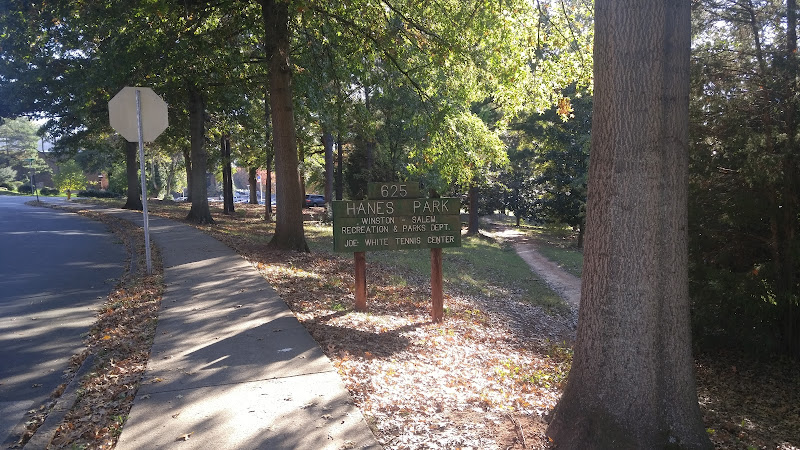
Hanes Park

Miller Park
Find Accommodations Nearby
Recommended Tours & Activities
Visitor Reviews
There are no reviews yet. Be the first one to write one.
Share Your Experience
Have you visited MESDA? Help other travelers by leaving a review.