
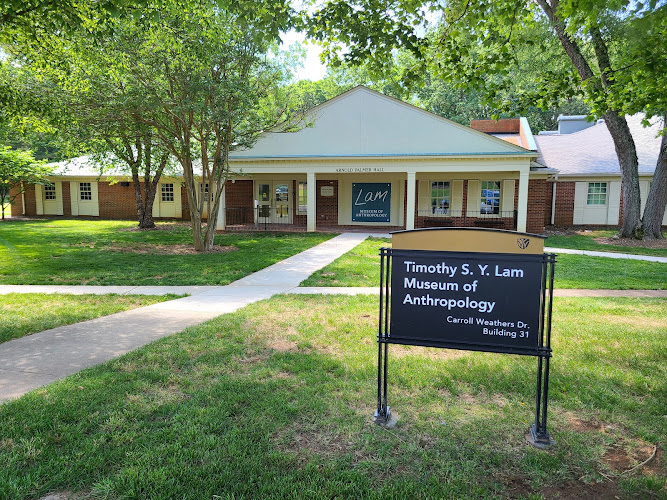
Lam Museum of Anthropology
About Lam Museum of Anthropology
Description
The Lam Museum of Anthropology has been quietly educating visitors about world cultures since 1963, and honestly, that's pretty impressive when you think about how many museums have come and gone in that time. This isn't one of those flashy, modern institutions trying to wow you with interactive screens at every turn. Instead, it's a place where you'll find yourself face-to-face with genuine ceremonial artifacts that tell stories about human societies from across the globe. Walking through these galleries feels a bit like having a conversation with humanity itself. The museum takes its role as a cultural educator seriously, presenting collections that span continents and centuries. You'll encounter objects that were once integral to religious ceremonies, daily life, and significant cultural moments for communities around the world. And the thing is, these aren't just pretty objects behind glass—each piece represents real people, real beliefs, and real traditions that have shaped our collective human story. What strikes most visitors is the museum's commitment to contextualizing these artifacts properly. They don't just throw stuff on display and call it a day. The curators have done their homework, providing background information that helps travelers understand not just what they're looking at, but why it matters. I've heard from other visitors that they came in expecting a quick hour-long browse and ended up spending an entire afternoon absorbed in the exhibits. The museum itself manages to be both scholarly and accessible, which is a tough balance to strike. Families with kids find plenty to engage younger minds, while serious anthropology enthusiasts can dig deep into the cultural contexts presented. It's the kind of place where a ten-year-old and a graduate student can both walk away having learned something meaningful.Key Features
- Extensive collection of ceremonial artifacts representing diverse cultures from around the world, giving visitors a comprehensive look at human religious and social practices across different societies
- Wheelchair accessible throughout the entire facility, including entrance, parking areas, and restrooms, making it genuinely inclusive for visitors with mobility challenges
- Onsite cafe where you can grab refreshments and take a break between galleries—perfect for when you need to process what you've seen or rest your feet
- Family-friendly exhibits designed to engage visitors of all ages, with content that works for both children and adults without dumbing things down
- Convenient onsite parking that eliminates the stress of finding street parking or walking long distances from a garage
- Educational exhibits that go beyond surface-level presentations to provide genuine anthropological context and cultural understanding
- Six decades of curatorial expertise informing how artifacts are selected, preserved, and presented to the public
- Rotating and permanent exhibits that give repeat visitors reasons to come back and see something new
Best Time to Visit
Here's something I've learned from talking to museum regulars: timing really does matter when you want the best experience. The Lam Museum of Anthropology tends to be quieter on weekday mornings, particularly Tuesday through Thursday. If you're someone who likes to really examine artifacts without crowds pressing in behind you, that's your window. Weekends obviously bring more families, which isn't necessarily a bad thing—there's something kind of nice about seeing kids get excited about cultural artifacts—but it does mean more noise and fuller galleries. Saturday afternoons can get pretty packed, especially during school holiday periods. Weather-wise, the museum offers a perfect rainy-day activity. And let me tell you, when the weather turns nasty, locals know this is a great indoor option, so don't be surprised if you see an uptick in visitors during particularly dreary days. The museum experience doesn't change dramatically with seasons since it's entirely indoors, which gives you flexibility in planning. But if you're visiting the area specifically for this museum, consider coming during the academic year when special programs and lectures might be happening. These events can really enhance your understanding of the collections. Early afternoon on weekdays hits a sweet spot for many travelers. You've had lunch, you're ready for some intellectual stimulation, and the morning rush of organized tour groups has typically moved on to their next destination. Plan for at least two to three hours if you actually want to appreciate the collections properly—this isn't a place to rush through in 45 minutes.How to Get There
Getting to the Lam Museum of Anthropology is refreshingly straightforward compared to some cultural attractions that seem designed to test your navigation skills. The museum provides onsite parking, which immediately puts it ahead of many urban museums where parking becomes its own adventure. If you're driving, the parking lot is accessible and well-maintained. You won't need to worry about parallel parking on busy streets or feeding meters every hour. The lot accommodates visitors with mobility devices, and the path from parking to entrance is designed with accessibility in mind. For those using ride-share services, drivers generally know the location well since it's an established landmark in the area. Just make sure to specify you want the main entrance when you're requesting your pickup later—museum buildings can sometimes be confusing for pickup locations. Public transportation options exist depending on where you're coming from, though you'll want to check current routes and schedules. Some travelers find that combining a ride-share for one leg of the journey with public transit for the return works well, especially if you're staying in a nearby hotel district. The museum's location makes it relatively easy to incorporate into a broader day of sightseeing without backtracking all over creation. You can plan your route efficiently, hitting other nearby attractions without losing half your day to transportation logistics.Tips for Visiting
First things first—wear comfortable shoes. I know that sounds obvious, but you'd be amazed how many people show up in brand new sneakers or fashion-over-function footwear and then spend half their visit thinking about their feet instead of the exhibits. Museum floors are hard, and you'll be doing more standing and walking than you probably anticipate. The cafe onsite is genuinely useful, but prices are what you'd expect for museum dining—not outrageous, but not exactly bargain rates either. Consider having a light snack before you arrive if you're budget-conscious, but definitely take advantage of the cafe if you need an energy boost midway through your visit. The restrooms are clean and well-maintained, which matters more than people think when you're spending several hours somewhere. Bring a notebook or use your phone to jot down thoughts about exhibits that resonate with you. I've found that writing brief notes helps me remember specific artifacts and their contexts weeks later when I'm boring my friends with museum stories. Photography policies vary by exhibit area, so check signage before you start snapping pictures. If you're visiting with kids, have a conversation beforehand about museum behavior. The Lam Museum is good for children, but "good for kids" doesn't mean it's designed as a playground. Setting expectations helps everyone have a better time. Look for exhibit elements that might particularly interest younger visitors—sometimes the smallest artifacts captivate kids more than the big showpieces. Don't try to see absolutely everything in one visit unless you're a museum superhero with unlimited stamina. It's okay to be selective. Pick a few areas that genuinely interest you and spend quality time with those exhibits rather than racing through every gallery with increasingly glazed eyes. The wheelchair accessibility here is genuinely good, not just technically compliant. If you or someone in your group needs accessibility accommodations, you can actually relax knowing the museum has thought this through properly. Consider visiting during special exhibitions or cultural programs if they align with your interests—these events often provide deeper insights than self-guided tours. And finally, don't underestimate how much you can learn here. The Lam Museum might not have the name recognition of some massive national institutions, but its collections and educational value punch well above what many travelers expect. Give it the time and attention it deserves, and you'll walk away with a richer understanding of human cultures that no guidebook could provide.Key Features
- Wheelchair accessible throughout the entire facility, including entrance, parking areas, and restrooms, making it genuinely inclusive for visitors with mobility challenges
- Onsite cafe where you can grab refreshments and take a break between galleries—perfect for when you need to process what you've seen or rest your feet
- Family-friendly exhibits designed to engage visitors of all ages, with content that works for both children and adults without dumbing things down
- Convenient onsite parking that eliminates the stress of finding street parking or walking long distances from a garage
- Educational exhibits that go beyond surface-level presentations to provide genuine anthropological context and cultural understanding
- Six decades of curatorial expertise informing how artifacts are selected, preserved, and presented to the public
- Rotating and permanent exhibits that give repeat visitors reasons to come back and see something new
More Details
Updated January 5, 2026
Table of Contents
Description
The Lam Museum of Anthropology has been quietly educating visitors about world cultures since 1963, and honestly, that’s pretty impressive when you think about how many museums have come and gone in that time. This isn’t one of those flashy, modern institutions trying to wow you with interactive screens at every turn. Instead, it’s a place where you’ll find yourself face-to-face with genuine ceremonial artifacts that tell stories about human societies from across the globe.
Walking through these galleries feels a bit like having a conversation with humanity itself. The museum takes its role as a cultural educator seriously, presenting collections that span continents and centuries. You’ll encounter objects that were once integral to religious ceremonies, daily life, and significant cultural moments for communities around the world. And the thing is, these aren’t just pretty objects behind glass—each piece represents real people, real beliefs, and real traditions that have shaped our collective human story.
What strikes most visitors is the museum’s commitment to contextualizing these artifacts properly. They don’t just throw stuff on display and call it a day. The curators have done their homework, providing background information that helps travelers understand not just what they’re looking at, but why it matters. I’ve heard from other visitors that they came in expecting a quick hour-long browse and ended up spending an entire afternoon absorbed in the exhibits.
The museum itself manages to be both scholarly and accessible, which is a tough balance to strike. Families with kids find plenty to engage younger minds, while serious anthropology enthusiasts can dig deep into the cultural contexts presented. It’s the kind of place where a ten-year-old and a graduate student can both walk away having learned something meaningful.
Key Features
- Extensive collection of ceremonial artifacts representing diverse cultures from around the world, giving visitors a comprehensive look at human religious and social practices across different societies
- Wheelchair accessible throughout the entire facility, including entrance, parking areas, and restrooms, making it genuinely inclusive for visitors with mobility challenges
- Onsite cafe where you can grab refreshments and take a break between galleries—perfect for when you need to process what you’ve seen or rest your feet
- Family-friendly exhibits designed to engage visitors of all ages, with content that works for both children and adults without dumbing things down
- Convenient onsite parking that eliminates the stress of finding street parking or walking long distances from a garage
- Educational exhibits that go beyond surface-level presentations to provide genuine anthropological context and cultural understanding
- Six decades of curatorial expertise informing how artifacts are selected, preserved, and presented to the public
- Rotating and permanent exhibits that give repeat visitors reasons to come back and see something new
Best Time to Visit
Here’s something I’ve learned from talking to museum regulars: timing really does matter when you want the best experience. The Lam Museum of Anthropology tends to be quieter on weekday mornings, particularly Tuesday through Thursday. If you’re someone who likes to really examine artifacts without crowds pressing in behind you, that’s your window.
Weekends obviously bring more families, which isn’t necessarily a bad thing—there’s something kind of nice about seeing kids get excited about cultural artifacts—but it does mean more noise and fuller galleries. Saturday afternoons can get pretty packed, especially during school holiday periods.
Weather-wise, the museum offers a perfect rainy-day activity. And let me tell you, when the weather turns nasty, locals know this is a great indoor option, so don’t be surprised if you see an uptick in visitors during particularly dreary days.
The museum experience doesn’t change dramatically with seasons since it’s entirely indoors, which gives you flexibility in planning. But if you’re visiting the area specifically for this museum, consider coming during the academic year when special programs and lectures might be happening. These events can really enhance your understanding of the collections.
Early afternoon on weekdays hits a sweet spot for many travelers. You’ve had lunch, you’re ready for some intellectual stimulation, and the morning rush of organized tour groups has typically moved on to their next destination. Plan for at least two to three hours if you actually want to appreciate the collections properly—this isn’t a place to rush through in 45 minutes.
How to Get There
Getting to the Lam Museum of Anthropology is refreshingly straightforward compared to some cultural attractions that seem designed to test your navigation skills. The museum provides onsite parking, which immediately puts it ahead of many urban museums where parking becomes its own adventure.
If you’re driving, the parking lot is accessible and well-maintained. You won’t need to worry about parallel parking on busy streets or feeding meters every hour. The lot accommodates visitors with mobility devices, and the path from parking to entrance is designed with accessibility in mind.
For those using ride-share services, drivers generally know the location well since it’s an established landmark in the area. Just make sure to specify you want the main entrance when you’re requesting your pickup later—museum buildings can sometimes be confusing for pickup locations.
Public transportation options exist depending on where you’re coming from, though you’ll want to check current routes and schedules. Some travelers find that combining a ride-share for one leg of the journey with public transit for the return works well, especially if you’re staying in a nearby hotel district.
The museum’s location makes it relatively easy to incorporate into a broader day of sightseeing without backtracking all over creation. You can plan your route efficiently, hitting other nearby attractions without losing half your day to transportation logistics.
Tips for Visiting
First things first—wear comfortable shoes. I know that sounds obvious, but you’d be amazed how many people show up in brand new sneakers or fashion-over-function footwear and then spend half their visit thinking about their feet instead of the exhibits. Museum floors are hard, and you’ll be doing more standing and walking than you probably anticipate.
The cafe onsite is genuinely useful, but prices are what you’d expect for museum dining—not outrageous, but not exactly bargain rates either. Consider having a light snack before you arrive if you’re budget-conscious, but definitely take advantage of the cafe if you need an energy boost midway through your visit. The restrooms are clean and well-maintained, which matters more than people think when you’re spending several hours somewhere.
Bring a notebook or use your phone to jot down thoughts about exhibits that resonate with you. I’ve found that writing brief notes helps me remember specific artifacts and their contexts weeks later when I’m boring my friends with museum stories. Photography policies vary by exhibit area, so check signage before you start snapping pictures.
If you’re visiting with kids, have a conversation beforehand about museum behavior. The Lam Museum is good for children, but “good for kids” doesn’t mean it’s designed as a playground. Setting expectations helps everyone have a better time. Look for exhibit elements that might particularly interest younger visitors—sometimes the smallest artifacts captivate kids more than the big showpieces.
Don’t try to see absolutely everything in one visit unless you’re a museum superhero with unlimited stamina. It’s okay to be selective. Pick a few areas that genuinely interest you and spend quality time with those exhibits rather than racing through every gallery with increasingly glazed eyes.
The wheelchair accessibility here is genuinely good, not just technically compliant. If you or someone in your group needs accessibility accommodations, you can actually relax knowing the museum has thought this through properly.
Consider visiting during special exhibitions or cultural programs if they align with your interests—these events often provide deeper insights than self-guided tours. And finally, don’t underestimate how much you can learn here. The Lam Museum might not have the name recognition of some massive national institutions, but its collections and educational value punch well above what many travelers expect. Give it the time and attention it deserves, and you’ll walk away with a richer understanding of human cultures that no guidebook could provide.
Key Highlights
- Wheelchair accessible throughout the entire facility, including entrance, parking areas, and restrooms, making it genuinely inclusive for visitors with mobility challenges
- Onsite cafe where you can grab refreshments and take a break between galleries—perfect for when you need to process what you've seen or rest your feet
- Family-friendly exhibits designed to engage visitors of all ages, with content that works for both children and adults without dumbing things down
- Convenient onsite parking that eliminates the stress of finding street parking or walking long distances from a garage
- Educational exhibits that go beyond surface-level presentations to provide genuine anthropological context and cultural understanding
- Six decades of curatorial expertise informing how artifacts are selected, preserved, and presented to the public
- Rotating and permanent exhibits that give repeat visitors reasons to come back and see something new
Location
Places to Stay Near Lam Museum of Anthropology
Find and Book a Tour
Explore More Travel Guides
No reviews found! Be the first to review!
Traveler Reviews for Lam Museum of Anthropology
There are no reviews yet. Be the first one to write one.
Have you visited Lam Museum of Anthropology? Help other travelers by sharing your review.
You Might Also Like
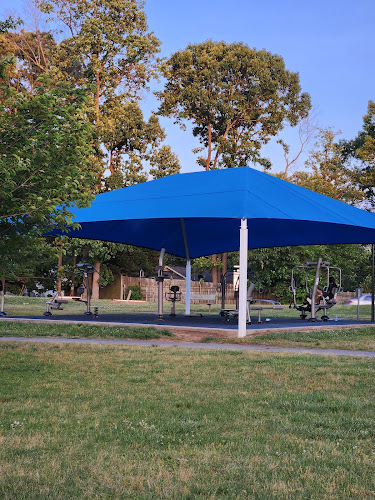
Bolton Park
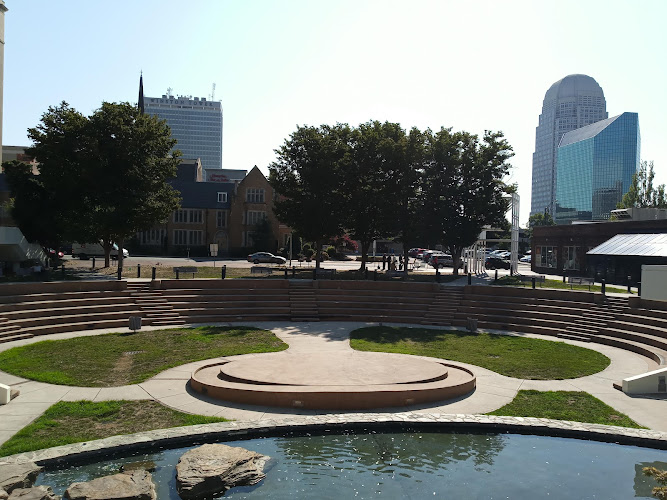
Winston Square Park

Merschel Park
Find Accommodations Nearby
Recommended Tours & Activities
Visitor Reviews
There are no reviews yet. Be the first one to write one.
Share Your Experience
Have you visited Lam Museum of Anthropology? Help other travelers by leaving a review.