
Huckleberry Botanic Regional Preserve
About Huckleberry Botanic Regional Preserve
Description
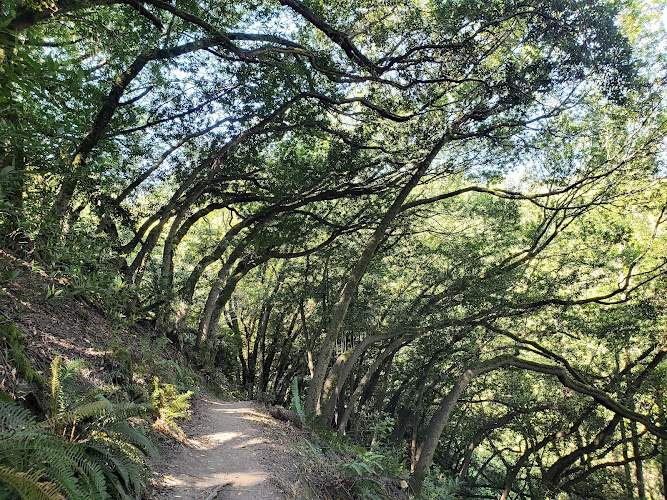
Huckleberry Botanic Regional Preserve offers visitors a rare glimpse into what the East Bay Area looked like before development transformed the landscape. Spanning 241 acres of protected woodland, this preserve sits tucked away in the Oakland Hills and showcases native plant communities that have largely disappeared from the region. The preserve takes its name from the California huckleberry that thrives throughout the property, creating a living museum of indigenous flora that once blanketed these coastal mountains. What makes this place really special—and honestly, what surprised me when I first explored it—is how it feels worlds away from the urban sprawl below. You're technically still within city limits, yet the preserve maintains an almost primordial quality with its dense stands of coast live oak, California bay laurel, and of course those namesake huckleberries. The self-guided interpretive trail winds through various plant communities, each labeled and explained so you can actually learn what you're looking at instead of just admiring pretty greenery. The preserve was established back in 1978 specifically to protect these native plant species, and the East Bay Regional Park District has done an admirable job maintaining its educational mission. Unlike some nature areas that feel overrun or too manicured, Huckleberry strikes a nice balance between accessibility and wildness. The main trail is well-maintained without feeling overly domesticated, and the signage provides context without cluttering the experience. From a practical standpoint, this isn't a destination where you'll spend an entire day. The primary interpretive loop covers about 1.7 miles, taking most visitors between 45 minutes to an hour and a half depending on how often you stop to read the interpretive signs or photograph the botanical specimens. But that shorter timeframe shouldn't diminish its value—sometimes the best experiences are the ones that leave you wanting just a bit more rather than exhausting you completely.Key Features
The preserve offers several noteworthy elements that distinguish it from other regional parks: • Self-Guided Interpretive Trail - The main loop trail features educational markers identifying native plant species, their ecological roles, and historical significance to indigenous peoples and early settlers. This transforms a simple hike into an outdoor classroom. • Rare Native Plant Communities - Visitors encounter maritime chaparral, coast live oak woodland, and Bishop pine forests—ecosystems that have become increasingly scarce in developed California. • Seasonal Wildflower Displays - Spring brings spectacular blooms including mission bells, blue-eyed grass, and various iris species that carpet the understory. • Wheelchair Accessible Facilities - The parking area accommodates wheelchair users, making the preserve more inclusive than many natural areas in the region. • Dog-Friendly Trails - Well-behaved dogs on leash are welcome, allowing pet owners to share the experience with their four-legged companions. • Family-Appropriate Terrain - The relatively gentle grades and shorter distance make this preserve suitable for children and those building hiking stamina. • Bird Watching Opportunities - The diverse habitat attracts numerous bird species including woodpeckers, jays, chickadees, and seasonal migrants. • Picnic Facilities - Tables near the trailhead provide spots for post-hike snacks or casual outdoor meals. • Restroom Access - Public facilities at the preserve add convenience, particularly for families with young children.Best Time to Visit
Timing your visit to Huckleberry Botanic Regional Preserve can significantly impact your experience. Each season offers something different, though some periods definitely shine brighter than others. Spring, particularly March through May, represents the absolute prime time for visiting. The wildflowers put on their annual show during these months, and the hillsides transform into a botanical showcase. I've seen the difference between a February visit and an April one—night and day, really. The huckleberry plants themselves flower during spring, and watching bees work the blooms while learning about their ecological relationships makes for memorable moments. Temperatures stay comfortable, usually ranging from the mid-50s to low-70s, and the winter rains have greened everything up nicely. Early summer can work well too, especially June before the fog pattern fully establishes itself. You'll still catch some late bloomers, and the canopy provides decent shade as temperatures climb. But here's the thing about summer in the Oakland Hills—afternoon fog often rolls in, which can actually create a pretty magical atmosphere with mist filtering through the tree branches. Just bring a light jacket because that marine layer drops temperatures quick. Fall presents a different kind of beauty. September through November sees the preserve transition into autumn colors, though admittedly California doesn't do fall foliage like New England. Still, the California bay leaves take on golden hues, and there's something peaceful about hiking when the summer crowds have thinned out. The huckleberries produce their fruit during late summer and fall, offering seasonal interest for both visitors and the wildlife that depends on these berries. Winter is probably the trickiest season for visiting. Rain can make the trails muddy and less pleasant for hiking, though the preserve certainly looks lush and dramatic during wet months. If you catch it during a break between storms, you might have the place nearly to yourself—which has its own appeal. Just check weather forecasts and trail conditions before heading out. Weekday mornings generally offer the quietest experience regardless of season. Weekends see more families and dog walkers, which isn't necessarily bad but changes the contemplative atmosphere some visitors seek. Getting there right when the preserve opens gives you the best chance at solitude and also improves wildlife viewing opportunities since many creatures are more active during early hours.How to Get There
Huckleberry Botanic Regional Preserve sits in the Oakland Hills along Skyline Boulevard, making it accessible from various Bay Area locations though the approach requires some navigation through residential areas and winding roads. For visitors driving from Oakland or Berkeley, head toward the hills via either Snake Road or Grizzly Peak Boulevard. The preserve entrance is located on Skyline Boulevard between Sibley Volcanic Regional Preserve and the Tilden Nature Area. Parking is somewhat limited—there's a small lot that accommodates maybe twenty vehicles—so arriving early or during off-peak times helps ensure you'll find a spot. The lot includes designated accessible parking spaces near the trailhead. From San Francisco, take the Bay Bridge toward Oakland, then navigate to Highway 13 north. Exit onto Joaquin Miller Road and follow it as it winds upward, eventually connecting to Skyline Boulevard. The drive takes about 30 to 45 minutes depending on traffic, and yes, those switchbacks can be a bit much if you're not used to mountain roads. South Bay visitors should approach via Interstate 580, taking the Warren Freeway north and then connecting to Skyline Boulevard through one of several access roads. Google Maps or other navigation apps work well for this preserve, though cell service can get spotty once you're up in the hills, so download offline maps if you're prone to getting turned around. Public transportation options exist but require some commitment. AC Transit serves parts of Skyline Boulevard, though you'll likely need to walk a fair distance from the nearest bus stop to the preserve entrance. This makes public transit more feasible for locals than tourists unless you're particularly dedicated to car-free travel. Honestly, driving remains the most practical option for most visitors. Once you arrive, the trailhead is clearly marked from the parking area. There's no entrance fee, which is refreshing given how many parks have started charging admission. The preserve opens daily from 5 AM to 10 PM, though hiking after dark isn't recommended unless you're equipped with proper lighting and familiar with the trails.Tips for Visiting
Making the most of your Huckleberry experience involves some preparation and awareness of the preserve's particular characteristics. Layer your clothing, seriously. The Oakland Hills microclimate can shift dramatically within an hour. You might start your hike in warm sunshine and finish in chilly fog. I learned this the hard way wearing just a t-shirt, assuming the sunny parking lot represented the whole experience. Nope. Bring a windbreaker or light fleece even if the forecast looks perfect. The interpretive trail follows a loop configuration, and most visitors hike it counter-clockwise. The signage is numbered accordingly, so following the numbers in sequence gives you the intended educational experience. That said, walking it backwards isn't illegal or anything—you'll just read the plant descriptions in reverse order. Bring water even though the hike is relatively short. There's no drinking fountain along the trail, and the preserve doesn't allow glass containers. A reusable water bottle works perfectly. Snacks make sense too if you're planning to use the picnic tables or just want fuel for the climb. For photographers, morning light works best, filtering through the canopy and creating those gorgeous dappled effects on the forest floor. The preserve's natural beauty photographs well in any season, but spring wildflowers obviously offer the most colorful subjects. A macro lens helps capture flower details, though phone cameras handle the job reasonably well for casual shooters. If you're bringing kids, the interpretive signs can engage young readers if you frame the hike as a learning scavenger hunt. "Find the sign about California bay laurel" works better than "we're going for an educational walk" in my experience with younger visitors. The trail length is manageable for most children who can walk independently, though you'll want to watch little ones near any steep sections. Dog owners should keep pets leashed at all times—this isn't negotiable and rangers do patrol the preserve. Bring bags for waste disposal and pack out everything you bring in. The native plant communities are fragile, and keeping dogs on trail prevents damage to sensitive vegetation. Poison oak grows abundantly throughout the preserve. Learn to identify its distinctive three-leaf pattern and give it wide berth. The "leaves of three, let it be" rhyme exists for good reason. Don't touch it, don't let your dog roll in it, and if you brush against it accidentally, wash the affected area with soap and water as soon as possible. Cell phone reception is unreliable, so don't count on being able to call for help or stream music during your hike. Download any trail information or plant identification apps before arriving. This digital disconnection can actually be refreshing—a chance to focus on the natural world without constant notifications. The preserve doesn't offer much in terms of amenities beyond the basics. There's no visitor center, no water fountains along the trail, and no emergency call boxes. Come prepared with first aid basics, and if you have any medical conditions that might require assistance, hike with a companion who knows your situation. Finally, take your time with the interpretive signs. It's tempting to rush through and check the hike off your list, but the real value comes from actually learning about these plant communities and understanding why preservation matters. The whole experience becomes richer when you can identify a huckleberry plant versus a manzanita, or understand how indigenous peoples utilized these resources. That knowledge transforms future hikes everywhere, not just at this preserve.Key Features
- 241-acre preserve protecting serpentine-soil endemic plant communities
- Short 1.7-mile self-guided loop with interpretive signage
- Rare plants such as pallid manzanita and western leatherwood
- Shaded microclimate with ferns, mosses, and riparian pockets
- Views toward Mount Diablo from higher sections of the trail
More Details
Updated January 16, 2026
Table of Contents
- Description
- Key Features
- Best Time to Visit
- How to Get There
- Tips for Visiting
- Key Highlights
- Location
- Places to Stay Near Huckleberry Botanic Regional Preserve
- Find and Book a Tour
- Explore More Travel Guides
- Nearby Places You Might Like
- Traveler Reviews for Huckleberry Botanic Regional Preserve
- Share Your Experience
Description
Huckleberry Botanic Regional Preserve offers visitors a rare glimpse into what the East Bay Area looked like before development transformed the landscape. Spanning 241 acres of protected woodland, this preserve sits tucked away in the Oakland Hills and showcases native plant communities that have largely disappeared from the region. The preserve takes its name from the California huckleberry that thrives throughout the property, creating a living museum of indigenous flora that once blanketed these coastal mountains.
What makes this place really special—and honestly, what surprised me when I first explored it—is how it feels worlds away from the urban sprawl below. You’re technically still within city limits, yet the preserve maintains an almost primordial quality with its dense stands of coast live oak, California bay laurel, and of course those namesake huckleberries. The self-guided interpretive trail winds through various plant communities, each labeled and explained so you can actually learn what you’re looking at instead of just admiring pretty greenery.
The preserve was established back in 1978 specifically to protect these native plant species, and the East Bay Regional Park District has done an admirable job maintaining its educational mission. Unlike some nature areas that feel overrun or too manicured, Huckleberry strikes a nice balance between accessibility and wildness. The main trail is well-maintained without feeling overly domesticated, and the signage provides context without cluttering the experience.
From a practical standpoint, this isn’t a destination where you’ll spend an entire day. The primary interpretive loop covers about 1.7 miles, taking most visitors between 45 minutes to an hour and a half depending on how often you stop to read the interpretive signs or photograph the botanical specimens. But that shorter timeframe shouldn’t diminish its value—sometimes the best experiences are the ones that leave you wanting just a bit more rather than exhausting you completely.
Key Features
The preserve offers several noteworthy elements that distinguish it from other regional parks:
• Self-Guided Interpretive Trail – The main loop trail features educational markers identifying native plant species, their ecological roles, and historical significance to indigenous peoples and early settlers. This transforms a simple hike into an outdoor classroom.
• Rare Native Plant Communities – Visitors encounter maritime chaparral, coast live oak woodland, and Bishop pine forests—ecosystems that have become increasingly scarce in developed California.
• Seasonal Wildflower Displays – Spring brings spectacular blooms including mission bells, blue-eyed grass, and various iris species that carpet the understory.
• Wheelchair Accessible Facilities – The parking area accommodates wheelchair users, making the preserve more inclusive than many natural areas in the region.
• Dog-Friendly Trails – Well-behaved dogs on leash are welcome, allowing pet owners to share the experience with their four-legged companions.
• Family-Appropriate Terrain – The relatively gentle grades and shorter distance make this preserve suitable for children and those building hiking stamina.
• Bird Watching Opportunities – The diverse habitat attracts numerous bird species including woodpeckers, jays, chickadees, and seasonal migrants.
• Picnic Facilities – Tables near the trailhead provide spots for post-hike snacks or casual outdoor meals.
• Restroom Access – Public facilities at the preserve add convenience, particularly for families with young children.
Best Time to Visit
Timing your visit to Huckleberry Botanic Regional Preserve can significantly impact your experience. Each season offers something different, though some periods definitely shine brighter than others.
Spring, particularly March through May, represents the absolute prime time for visiting. The wildflowers put on their annual show during these months, and the hillsides transform into a botanical showcase. I’ve seen the difference between a February visit and an April one—night and day, really. The huckleberry plants themselves flower during spring, and watching bees work the blooms while learning about their ecological relationships makes for memorable moments. Temperatures stay comfortable, usually ranging from the mid-50s to low-70s, and the winter rains have greened everything up nicely.
Early summer can work well too, especially June before the fog pattern fully establishes itself. You’ll still catch some late bloomers, and the canopy provides decent shade as temperatures climb. But here’s the thing about summer in the Oakland Hills—afternoon fog often rolls in, which can actually create a pretty magical atmosphere with mist filtering through the tree branches. Just bring a light jacket because that marine layer drops temperatures quick.
Fall presents a different kind of beauty. September through November sees the preserve transition into autumn colors, though admittedly California doesn’t do fall foliage like New England. Still, the California bay leaves take on golden hues, and there’s something peaceful about hiking when the summer crowds have thinned out. The huckleberries produce their fruit during late summer and fall, offering seasonal interest for both visitors and the wildlife that depends on these berries.
Winter is probably the trickiest season for visiting. Rain can make the trails muddy and less pleasant for hiking, though the preserve certainly looks lush and dramatic during wet months. If you catch it during a break between storms, you might have the place nearly to yourself—which has its own appeal. Just check weather forecasts and trail conditions before heading out.
Weekday mornings generally offer the quietest experience regardless of season. Weekends see more families and dog walkers, which isn’t necessarily bad but changes the contemplative atmosphere some visitors seek. Getting there right when the preserve opens gives you the best chance at solitude and also improves wildlife viewing opportunities since many creatures are more active during early hours.
How to Get There
Huckleberry Botanic Regional Preserve sits in the Oakland Hills along Skyline Boulevard, making it accessible from various Bay Area locations though the approach requires some navigation through residential areas and winding roads.
For visitors driving from Oakland or Berkeley, head toward the hills via either Snake Road or Grizzly Peak Boulevard. The preserve entrance is located on Skyline Boulevard between Sibley Volcanic Regional Preserve and the Tilden Nature Area. Parking is somewhat limited—there’s a small lot that accommodates maybe twenty vehicles—so arriving early or during off-peak times helps ensure you’ll find a spot. The lot includes designated accessible parking spaces near the trailhead.
From San Francisco, take the Bay Bridge toward Oakland, then navigate to Highway 13 north. Exit onto Joaquin Miller Road and follow it as it winds upward, eventually connecting to Skyline Boulevard. The drive takes about 30 to 45 minutes depending on traffic, and yes, those switchbacks can be a bit much if you’re not used to mountain roads.
South Bay visitors should approach via Interstate 580, taking the Warren Freeway north and then connecting to Skyline Boulevard through one of several access roads. Google Maps or other navigation apps work well for this preserve, though cell service can get spotty once you’re up in the hills, so download offline maps if you’re prone to getting turned around.
Public transportation options exist but require some commitment. AC Transit serves parts of Skyline Boulevard, though you’ll likely need to walk a fair distance from the nearest bus stop to the preserve entrance. This makes public transit more feasible for locals than tourists unless you’re particularly dedicated to car-free travel. Honestly, driving remains the most practical option for most visitors.
Once you arrive, the trailhead is clearly marked from the parking area. There’s no entrance fee, which is refreshing given how many parks have started charging admission. The preserve opens daily from 5 AM to 10 PM, though hiking after dark isn’t recommended unless you’re equipped with proper lighting and familiar with the trails.
Tips for Visiting
Making the most of your Huckleberry experience involves some preparation and awareness of the preserve’s particular characteristics.
Layer your clothing, seriously. The Oakland Hills microclimate can shift dramatically within an hour. You might start your hike in warm sunshine and finish in chilly fog. I learned this the hard way wearing just a t-shirt, assuming the sunny parking lot represented the whole experience. Nope. Bring a windbreaker or light fleece even if the forecast looks perfect.
The interpretive trail follows a loop configuration, and most visitors hike it counter-clockwise. The signage is numbered accordingly, so following the numbers in sequence gives you the intended educational experience. That said, walking it backwards isn’t illegal or anything—you’ll just read the plant descriptions in reverse order.
Bring water even though the hike is relatively short. There’s no drinking fountain along the trail, and the preserve doesn’t allow glass containers. A reusable water bottle works perfectly. Snacks make sense too if you’re planning to use the picnic tables or just want fuel for the climb.
For photographers, morning light works best, filtering through the canopy and creating those gorgeous dappled effects on the forest floor. The preserve’s natural beauty photographs well in any season, but spring wildflowers obviously offer the most colorful subjects. A macro lens helps capture flower details, though phone cameras handle the job reasonably well for casual shooters.
If you’re bringing kids, the interpretive signs can engage young readers if you frame the hike as a learning scavenger hunt. “Find the sign about California bay laurel” works better than “we’re going for an educational walk” in my experience with younger visitors. The trail length is manageable for most children who can walk independently, though you’ll want to watch little ones near any steep sections.
Dog owners should keep pets leashed at all times—this isn’t negotiable and rangers do patrol the preserve. Bring bags for waste disposal and pack out everything you bring in. The native plant communities are fragile, and keeping dogs on trail prevents damage to sensitive vegetation.
Poison oak grows abundantly throughout the preserve. Learn to identify its distinctive three-leaf pattern and give it wide berth. The “leaves of three, let it be” rhyme exists for good reason. Don’t touch it, don’t let your dog roll in it, and if you brush against it accidentally, wash the affected area with soap and water as soon as possible.
Cell phone reception is unreliable, so don’t count on being able to call for help or stream music during your hike. Download any trail information or plant identification apps before arriving. This digital disconnection can actually be refreshing—a chance to focus on the natural world without constant notifications.
The preserve doesn’t offer much in terms of amenities beyond the basics. There’s no visitor center, no water fountains along the trail, and no emergency call boxes. Come prepared with first aid basics, and if you have any medical conditions that might require assistance, hike with a companion who knows your situation.
Finally, take your time with the interpretive signs. It’s tempting to rush through and check the hike off your list, but the real value comes from actually learning about these plant communities and understanding why preservation matters. The whole experience becomes richer when you can identify a huckleberry plant versus a manzanita, or understand how indigenous peoples utilized these resources. That knowledge transforms future hikes everywhere, not just at this preserve.
Key Highlights
- 241-acre preserve protecting serpentine-soil endemic plant communities
- Short 1.7-mile self-guided loop with interpretive signage
- Rare plants such as pallid manzanita and western leatherwood
- Shaded microclimate with ferns, mosses, and riparian pockets
- Views toward Mount Diablo from higher sections of the trail
Location
Places to Stay Near Huckleberry Botanic Regional Preserve
Find and Book a Tour
Explore More Travel Guides
No reviews found! Be the first to review!
Traveler Reviews for Huckleberry Botanic Regional Preserve
There are no reviews yet. Be the first one to write one.
Have you visited Huckleberry Botanic Regional Preserve? Help other travelers by sharing your review.
Nearby Attractions
You Might Also Like

Koryo Sushi

Cohen Bray House

Oakland Pet Care
Find Accommodations Nearby
Recommended Tours & Activities
Visitor Reviews
There are no reviews yet. Be the first one to write one.
Share Your Experience
Have you visited Huckleberry Botanic Regional Preserve? Help other travelers by leaving a review.