
Subbiah Puram
About Subbiah Puram
Description
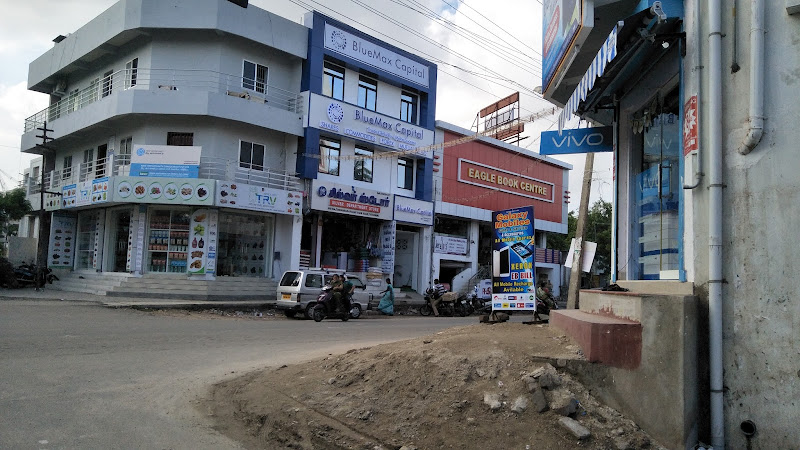
Subbiah Puram presents itself as one of those fascinating corners of Tamil Nadu that many travelers overlook while rushing between bigger destinations. And honestly, that's partly what makes it special. This residential neighborhood sits comfortably in Coimbatore district, offering visitors a genuine glimpse into everyday South Indian life without the tourist circus that often accompanies more famous spots. I've always believed that the best travel experiences happen when you step away from the guidebook highlights, and Subbiah Puram fits that philosophy perfectly. The area reflects authentic Tamil culture through its tree-lined streets, local temples, and the warm hospitality that's characteristic of this region. You won't find souvenir shops on every corner here, which is refreshing. The locality serves as an excellent base for exploring the broader Coimbatore region while maintaining a peaceful atmosphere that larger urban centers simply can't offer. Residential areas might not sound exciting on paper, but they tell stories that monuments and museums sometimes miss. The daily rhythms here - from morning flower vendors to evening tea stalls - create a tapestry of experiences that reveal how people actually live rather than how tourism boards want you to see things. What struck me most about places like Subbiah Puram is how they challenge our assumptions about what makes a destination worthwhile. Sometimes the most memorable parts of travel aren't the Instagram moments but rather the quiet observations and unexpected conversations that happen when you're just existing somewhere rather than constantly performing tourism.Key Features
- Authentic Local Experience: The neighborhood provides travelers with an unfiltered look at Tamil residential life, complete with traditional homes and community spaces that haven't been sanitized for tourist consumption
- Strategic Location: Positioned within Coimbatore district, the area offers convenient access to various regional attractions while maintaining its own distinct character away from commercial tourism zones
- Temple Architecture: Several smaller temples dot the area, showcasing Dravidian architectural elements on a more intimate scale than the grand temple complexes tourists usually visit
- Local Markets: Morning vegetable markets and small shops present opportunities to observe daily commerce and perhaps practice your Tamil with friendly vendors who rarely encounter foreign visitors
- Residential Architecture: The mix of traditional South Indian homes and more modern constructions illustrates how communities evolve while maintaining cultural continuity
- Community Atmosphere: Unlike tourist hotspots where locals are accustomed to visitors, here you'll experience genuine curiosity and warmth from residents unused to seeing travelers
- Culinary Authenticity: Small eateries serve food prepared for locals rather than adapted for Western palates, offering adventurous eaters a true taste of regional cuisine
- Transportation Hub: Good connectivity to other parts of Coimbatore makes it practical for travelers who want a residential area as their home base
Best Time to Visit
Timing matters more than most travel articles admit, and Subbiah Puram is no exception. The most comfortable period runs from November through February when temperatures hover between 20-30°C. But here's the thing - comfortable doesn't always mean best. I've learned that shoulder seasons often provide richer experiences despite minor climate inconveniences. October and March offer decent weather while avoiding whatever tourist crowds the area might see during peak season. Temperatures rise a bit, sure, but you'll find locals more relaxed and willing to chat when they're not dealing with their busiest periods. The monsoon months from June through September bring their own character. Rain transforms the neighborhood, filling the air with that distinctive petrichor smell and bringing out umbrellas in every color imaginable. If you don't mind getting wet occasionally, this season shows a different side of daily life - kids playing in puddles, intensified colors, and the general relief that comes with rain in a region that knows heat intimately. Avoid April and May if heat bothers you significantly. Temperatures can hit 38°C or higher, making midday exploration pretty uncomfortable unless you're accustomed to tropical climates. Though I'll admit, there's something oddly authentic about experiencing places in their harsh seasons rather than only during their prettiest months. Festival timing adds another layer of consideration. Pongal in January brings special energy to Tamil neighborhoods, with traditional decorations and special foods appearing everywhere. Diwali transforms the area with lights and celebrations. These periods offer cultural immersion but also mean busier streets and potentially higher accommodation costs in the broader Coimbatore area.How to Get There
Getting to Subbiah Puram requires a bit more planning than simply booking a flight to a major tourist destination, but that's part of its appeal. The nearest major airport is Coimbatore International Airport, roughly 10-15 kilometers away depending on exactly where in Subbiah Puram you're headed. And yes, this proximity to an international airport makes the area surprisingly accessible despite its non-touristy nature. From the airport, you've got several options. Prepaid taxi services operate officially and cost reasonable rates - negotiate firmly but fairly if you're taking a regular auto-rickshaw instead. App-based ride services like Ola and Uber function well in Coimbatore, though coverage might be spottier than in major metros. Expect the journey to take 30-45 minutes depending on traffic conditions. Rail travelers will find Coimbatore Junction railway station serves as the main hub, connecting to major Indian cities including Chennai, Bangalore, and Mumbai. From the railway station, the locality sits about 8-10 kilometers away. Again, auto-rickshaws, taxis, and ride-sharing apps provide transport options. The station area can feel chaotic if you're new to India, so having your destination written in Tamil script helps drivers understand exactly where you need to go. Bus connectivity runs throughout Coimbatore, and several routes pass through or near Subbiah Puram. Local buses are incredibly cheap but can be crowded and confusing for first-time visitors. If you're comfortable with some adventure and have time to spare, they offer unbeatable people-watching opportunities. Just be prepared for the driver to take off while you're still finding your balance. For those traveling overland from other parts of Tamil Nadu or neighboring states, Coimbatore is well-connected by state-run and private bus services. The city has multiple bus stands, so confirm which one your service uses before departure day.Tips for Visiting
Let me share some practical wisdom that guidebooks usually skip. First off, dress modestly - this isn't because anyone will necessarily say something, but out of respect for the residential nature of the area. Women should consider keeping shoulders and knees covered, and men should avoid going shirtless even in hot weather. You'll blend in better and receive warmer welcomes. Language presents both challenge and opportunity here. Tamil dominates, and English proficiency varies significantly. Download a translation app before arriving, and learn a few basic Tamil phrases - "vanakkam" (hello), "nandri" (thank you), and "evvalavu?" (how much?) go surprisingly far in building rapport. People genuinely appreciate any effort to speak their language, no matter how badly you butcher the pronunciation. Accommodation won't be readily available within Subbiah Puram itself since it's primarily residential. Look for hotels or guesthouses in nearby Coimbatore areas, using the locality as a day visit destination or staying somewhere with good access if you want to experience the neighborhood's morning and evening routines. Budget options exist throughout Coimbatore, ranging from basic guesthouses to comfortable mid-range hotels. Food safety deserves attention. Eat at busy establishments where turnover keeps ingredients fresh. The old traveler's wisdom about following the crowds holds true here. Street food can be absolutely delicious but introduces risk if your stomach isn't accustomed to Indian preparations. Carry hand sanitizer and use it liberally before eating. Bottled water is essential - don't drink tap water no matter how locals assure you it's fine. Photography requires sensitivity in residential areas. Always ask permission before photographing people, their homes, or religious spaces. Many locals are happy to be photographed but appreciate being asked first. And honestly, some of my best travel photos came from conversations that started with "May I take your picture?" Cash remains king in neighborhoods like this. While digital payments have spread throughout India, small shops and vendors often prefer cash transactions. Carry smaller denominations - breaking a 500 rupee note for a 20 rupee purchase creates awkwardness for vendors with limited change. Heat management matters even in cooler months. Carry a reusable water bottle, wear a hat or carry an umbrella for sun protection, and pace yourself during exploration. The Indian sun is stronger than many visitors expect. Take breaks, find shade, and don't try to see everything in one rushed visit. Respect religious and cultural practices you encounter. If you visit temples, remove shoes where indicated, ask permission before entering sanctums, and never touch religious objects without guidance. Women might face restrictions in certain temple areas during menstruation - these traditional practices vary by location and aren't worth fighting during a brief visit. Finally, embrace spontaneity and conversation. Some of the best travel experiences happen when plans fall apart and you end up chatting with a shopkeeper about cricket or accepting an invitation to someone's home for chai. These neighborhoods reward travelers who approach with curiosity and openness rather than rigid itineraries and expectations. Stay safe and aware, obviously, but don't let fear prevent you from experiencing the genuine hospitality that makes Tamil Nadu special.Key Features
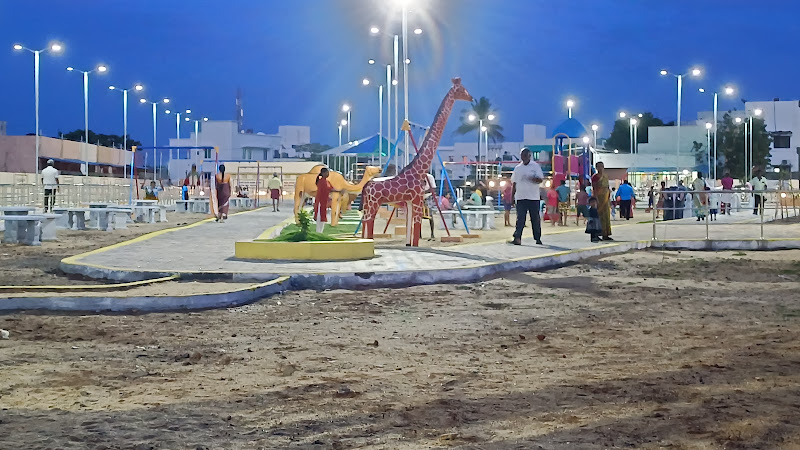
- Small community park with shaded seating and walking paths
- Popular morning and evening gathering spot for residents
- Close to local food vendors offering tea and snacks
- Easy access from Palyamkottai Road and surrounding Subbiah Puram neighborhood
- Good place for casual photography and observing local life
More Details
Updated January 17, 2026
Table of Contents
Description
Subbiah Puram presents itself as one of those fascinating corners of Tamil Nadu that many travelers overlook while rushing between bigger destinations. And honestly, that’s partly what makes it special. This residential neighborhood sits comfortably in Coimbatore district, offering visitors a genuine glimpse into everyday South Indian life without the tourist circus that often accompanies more famous spots.
I’ve always believed that the best travel experiences happen when you step away from the guidebook highlights, and Subbiah Puram fits that philosophy perfectly. The area reflects authentic Tamil culture through its tree-lined streets, local temples, and the warm hospitality that’s characteristic of this region. You won’t find souvenir shops on every corner here, which is refreshing.
The locality serves as an excellent base for exploring the broader Coimbatore region while maintaining a peaceful atmosphere that larger urban centers simply can’t offer. Residential areas might not sound exciting on paper, but they tell stories that monuments and museums sometimes miss. The daily rhythms here – from morning flower vendors to evening tea stalls – create a tapestry of experiences that reveal how people actually live rather than how tourism boards want you to see things.
What struck me most about places like Subbiah Puram is how they challenge our assumptions about what makes a destination worthwhile. Sometimes the most memorable parts of travel aren’t the Instagram moments but rather the quiet observations and unexpected conversations that happen when you’re just existing somewhere rather than constantly performing tourism.
Key Features
- Authentic Local Experience: The neighborhood provides travelers with an unfiltered look at Tamil residential life, complete with traditional homes and community spaces that haven’t been sanitized for tourist consumption
- Strategic Location: Positioned within Coimbatore district, the area offers convenient access to various regional attractions while maintaining its own distinct character away from commercial tourism zones
- Temple Architecture: Several smaller temples dot the area, showcasing Dravidian architectural elements on a more intimate scale than the grand temple complexes tourists usually visit
- Local Markets: Morning vegetable markets and small shops present opportunities to observe daily commerce and perhaps practice your Tamil with friendly vendors who rarely encounter foreign visitors
- Residential Architecture: The mix of traditional South Indian homes and more modern constructions illustrates how communities evolve while maintaining cultural continuity
- Community Atmosphere: Unlike tourist hotspots where locals are accustomed to visitors, here you’ll experience genuine curiosity and warmth from residents unused to seeing travelers
- Culinary Authenticity: Small eateries serve food prepared for locals rather than adapted for Western palates, offering adventurous eaters a true taste of regional cuisine
- Transportation Hub: Good connectivity to other parts of Coimbatore makes it practical for travelers who want a residential area as their home base
Best Time to Visit
Timing matters more than most travel articles admit, and Subbiah Puram is no exception. The most comfortable period runs from November through February when temperatures hover between 20-30°C. But here’s the thing – comfortable doesn’t always mean best.
I’ve learned that shoulder seasons often provide richer experiences despite minor climate inconveniences. October and March offer decent weather while avoiding whatever tourist crowds the area might see during peak season. Temperatures rise a bit, sure, but you’ll find locals more relaxed and willing to chat when they’re not dealing with their busiest periods.
The monsoon months from June through September bring their own character. Rain transforms the neighborhood, filling the air with that distinctive petrichor smell and bringing out umbrellas in every color imaginable. If you don’t mind getting wet occasionally, this season shows a different side of daily life – kids playing in puddles, intensified colors, and the general relief that comes with rain in a region that knows heat intimately.
Avoid April and May if heat bothers you significantly. Temperatures can hit 38°C or higher, making midday exploration pretty uncomfortable unless you’re accustomed to tropical climates. Though I’ll admit, there’s something oddly authentic about experiencing places in their harsh seasons rather than only during their prettiest months.
Festival timing adds another layer of consideration. Pongal in January brings special energy to Tamil neighborhoods, with traditional decorations and special foods appearing everywhere. Diwali transforms the area with lights and celebrations. These periods offer cultural immersion but also mean busier streets and potentially higher accommodation costs in the broader Coimbatore area.
How to Get There
Getting to Subbiah Puram requires a bit more planning than simply booking a flight to a major tourist destination, but that’s part of its appeal. The nearest major airport is Coimbatore International Airport, roughly 10-15 kilometers away depending on exactly where in Subbiah Puram you’re headed. And yes, this proximity to an international airport makes the area surprisingly accessible despite its non-touristy nature.
From the airport, you’ve got several options. Prepaid taxi services operate officially and cost reasonable rates – negotiate firmly but fairly if you’re taking a regular auto-rickshaw instead. App-based ride services like Ola and Uber function well in Coimbatore, though coverage might be spottier than in major metros. Expect the journey to take 30-45 minutes depending on traffic conditions.
Rail travelers will find Coimbatore Junction railway station serves as the main hub, connecting to major Indian cities including Chennai, Bangalore, and Mumbai. From the railway station, the locality sits about 8-10 kilometers away. Again, auto-rickshaws, taxis, and ride-sharing apps provide transport options. The station area can feel chaotic if you’re new to India, so having your destination written in Tamil script helps drivers understand exactly where you need to go.
Bus connectivity runs throughout Coimbatore, and several routes pass through or near Subbiah Puram. Local buses are incredibly cheap but can be crowded and confusing for first-time visitors. If you’re comfortable with some adventure and have time to spare, they offer unbeatable people-watching opportunities. Just be prepared for the driver to take off while you’re still finding your balance.
For those traveling overland from other parts of Tamil Nadu or neighboring states, Coimbatore is well-connected by state-run and private bus services. The city has multiple bus stands, so confirm which one your service uses before departure day.
Tips for Visiting
Let me share some practical wisdom that guidebooks usually skip. First off, dress modestly – this isn’t because anyone will necessarily say something, but out of respect for the residential nature of the area. Women should consider keeping shoulders and knees covered, and men should avoid going shirtless even in hot weather. You’ll blend in better and receive warmer welcomes.
Language presents both challenge and opportunity here. Tamil dominates, and English proficiency varies significantly. Download a translation app before arriving, and learn a few basic Tamil phrases – “vanakkam” (hello), “nandri” (thank you), and “evvalavu?” (how much?) go surprisingly far in building rapport. People genuinely appreciate any effort to speak their language, no matter how badly you butcher the pronunciation.
Accommodation won’t be readily available within Subbiah Puram itself since it’s primarily residential. Look for hotels or guesthouses in nearby Coimbatore areas, using the locality as a day visit destination or staying somewhere with good access if you want to experience the neighborhood’s morning and evening routines. Budget options exist throughout Coimbatore, ranging from basic guesthouses to comfortable mid-range hotels.
Food safety deserves attention. Eat at busy establishments where turnover keeps ingredients fresh. The old traveler’s wisdom about following the crowds holds true here. Street food can be absolutely delicious but introduces risk if your stomach isn’t accustomed to Indian preparations. Carry hand sanitizer and use it liberally before eating. Bottled water is essential – don’t drink tap water no matter how locals assure you it’s fine.
Photography requires sensitivity in residential areas. Always ask permission before photographing people, their homes, or religious spaces. Many locals are happy to be photographed but appreciate being asked first. And honestly, some of my best travel photos came from conversations that started with “May I take your picture?”
Cash remains king in neighborhoods like this. While digital payments have spread throughout India, small shops and vendors often prefer cash transactions. Carry smaller denominations – breaking a 500 rupee note for a 20 rupee purchase creates awkwardness for vendors with limited change.
Heat management matters even in cooler months. Carry a reusable water bottle, wear a hat or carry an umbrella for sun protection, and pace yourself during exploration. The Indian sun is stronger than many visitors expect. Take breaks, find shade, and don’t try to see everything in one rushed visit.
Respect religious and cultural practices you encounter. If you visit temples, remove shoes where indicated, ask permission before entering sanctums, and never touch religious objects without guidance. Women might face restrictions in certain temple areas during menstruation – these traditional practices vary by location and aren’t worth fighting during a brief visit.
Finally, embrace spontaneity and conversation. Some of the best travel experiences happen when plans fall apart and you end up chatting with a shopkeeper about cricket or accepting an invitation to someone’s home for chai. These neighborhoods reward travelers who approach with curiosity and openness rather than rigid itineraries and expectations. Stay safe and aware, obviously, but don’t let fear prevent you from experiencing the genuine hospitality that makes Tamil Nadu special.
Key Highlights
- Small community park with shaded seating and walking paths
- Popular morning and evening gathering spot for residents
- Close to local food vendors offering tea and snacks
- Easy access from Palyamkottai Road and surrounding Subbiah Puram neighborhood
- Good place for casual photography and observing local life
Location
Places to Stay Near Subbiah Puram
Find and Book a Tour
Explore More Travel Guides
No reviews found! Be the first to review!
Traveler Reviews for Subbiah Puram
There are no reviews yet. Be the first one to write one.
Have you visited Subbiah Puram? Help other travelers by sharing your review.
Nearby Attractions
You Might Also Like
SH 49 & East Coast Rd
Karisal Ilakiya Park

Breakwater Tuticorin
Find Accommodations Nearby
Recommended Tours & Activities
Visitor Reviews
There are no reviews yet. Be the first one to write one.
Share Your Experience
Have you visited Subbiah Puram? Help other travelers by leaving a review.